

Physicians commonly suggest medications or surgical removal to handle gallstones. However, certain eating habits might lower the chance of gallstone development.
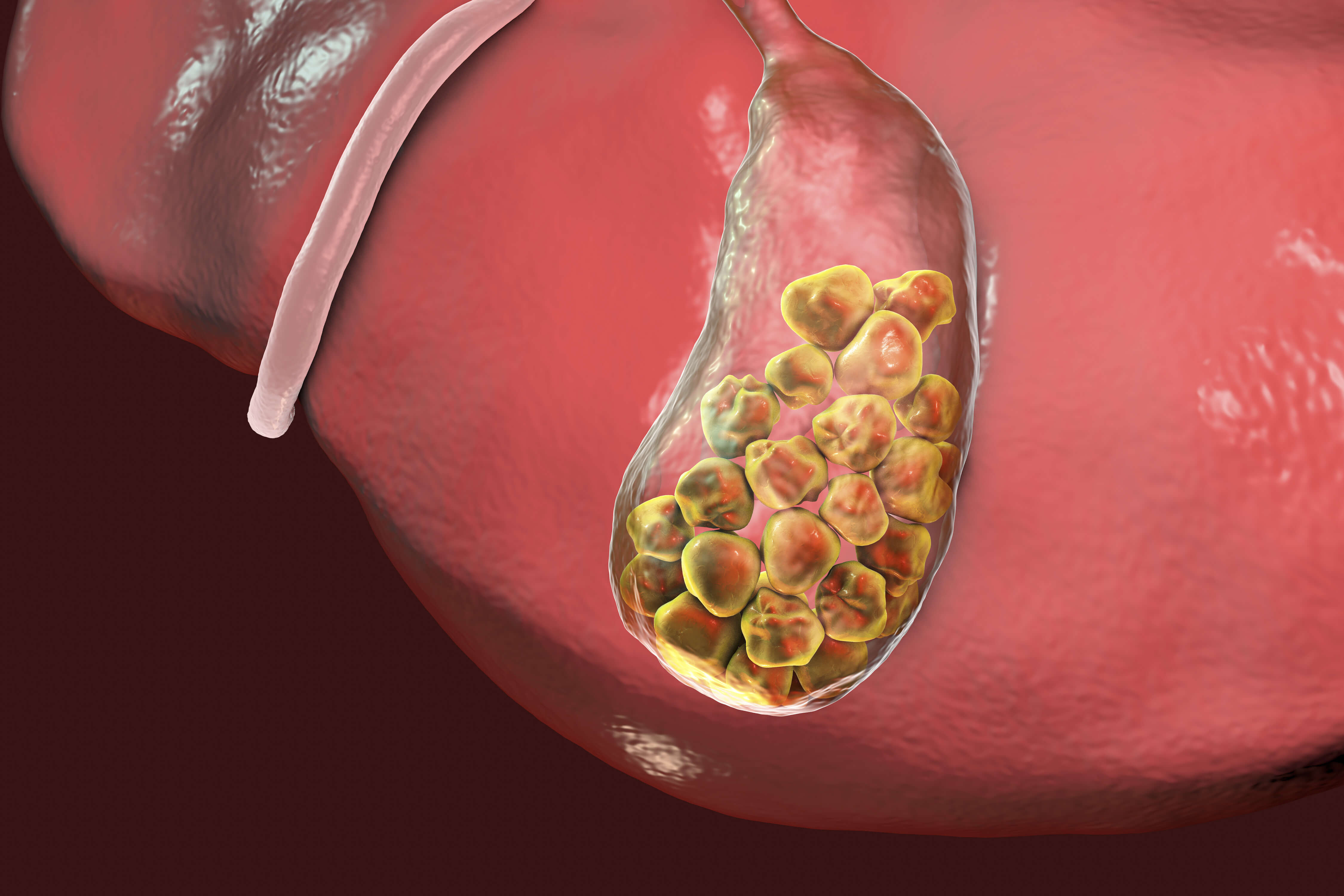
Gallstones are solid formations that develop in the gallbladder. They come in two varieties:
- cholesterol gallstones — the most frequent type, formed from excess cholesterol
- pigment gallstones — formed from excess bilirubin
Although surgery is frequently used to address gallstones, some people explore natural remedies. Below are natural approaches for gallstones as well as strategies to help prevent them.
How to manage gallstones without surgery
Gallstones can produce sudden, severe pain in the upper right abdomen. This discomfort can spread to the back and up toward the shoulder blade. Other signs include nausea, vomiting, pale or gray stools, and diarrhea.
Speak with your doctor before attempting to manage gallstones on your own. A clinician can confirm the diagnosis and explain all treatment options. Seek urgent medical attention if you have yellowing of the eyes, fever or chills, or very intense abdominal pain.
1. Gallbladder cleanses
Gallstones may form for several reasons:
- Your liver may make more bile than can be dissolved.
- Your body may produce excessive pigment (bilirubin) that cannot be dissolved.
- The gallbladder may not empty fully or often enough.
Some people assert that gallbladder cleanses or flushes can fragment gallstones and clear the gallbladder. There is no solid scientific evidence supporting these assertions. The body has natural mechanisms to cleanse itself.
Nevertheless, certain individuals consume mixtures of olive oil, fruit juice, and herbs for a couple of days, consuming nothing else during that period. There’s no standardized formula or recipe for these cleanses.
These regimens can be hazardous for people with diabetes or those prone to low blood sugar.
One study examined olive and sunflower oil in relation to gallstones. Researchers observed that olive oil influenced bile secretion but did not change gallstones.
Talk to your physician before starting any cleanse; it may not be safe for everyone.
2. Apple juice
Some individuals try apple juice to address gallstones, believing it may soften stones and help them pass.
This idea gained attention after a 1999 letter describing one woman’s anecdotal success using apple juice. There are no clinical studies validating this approach.
Consuming large quantities of fruit juice may be unhealthy for people with diabetes, hypoglycemia, stomach ulcers, and other conditions.
3. Apple cider vinegar
Apple cider vinegar (ACV) is a widely used health tonic often included in cleanse regimens.
While ACV may influence blood sugar positively, evidence is mixed, and no studies support ACV as a gallstone treatment. Overall, there’s little proof that cleanses are necessary or effective.
4. Yoga
Some claim yoga can help your body naturally pass gallstones. One study found yoga improved lipid profiles in people with diabetes.
Another study noted that individuals with cholesterol gallstones often had abnormal lipid levels, though researchers could not link those abnormal levels directly to gallstone presence.
A 2021 case report described a patient whose gallstone symptoms improved with a combination of yoga and ayurvedic treatment.
While yoga might ease some symptoms associated with gallstones, there’s no conclusive evidence that it treats the stones themselves.
5. Milk thistle
Milk thistle (Silybum marianum) may support liver and gallbladder health. It’s thought to stimulate these organs, but specific research on milk thistle for gallstone treatment is lacking.
Milk thistle is available as a supplement. Consult your physician before taking it, particularly if you have diabetes. Milk thistle may reduce blood sugar in people with type 2 diabetes. Allergic reactions to milk thistle are also possible (source).
6. Artichoke
Artichoke has been shown to support gallbladder function. It stimulates bile production and benefits liver health. No trials have specifically evaluated artichoke for dissolving gallstones.
Artichoke can be eaten steamed, pickled, or grilled. If you tolerate it, there’s no harm in including artichoke in your diet. Supplements containing artichoke should be taken only after consulting your doctor.
7. Gold coin grass
Gold coin grass (Lysimachiae herba) is used in traditional Chinese medicine for gallstone care. It has been associated with decreased gallstone formation. Some recommend using gold coin grass before a gallbladder cleanse to soften stones.
Gold coin grass is available in powder or liquid forms.
8. Castor oil packs
Castor oil packs are a folk remedy some prefer instead of a full gallbladder cleanse. Warm cloths soaked in castor oil are applied to the abdomen.
Proponents say packs relieve pain and help treat gallstones, but there’s no scientific evidence confirming these effects.
9. Acupuncture
Acupuncture may reduce pain from gallstones by easing spasms, improving bile flow, and restoring function. Reports suggest acupuncture can help with gallbladder issues, but more studies are necessary.
One small study of 60 participants with cholecystitis (gallbladder inflammation) found acupuncture reduced symptoms and decreased gallbladder volume.
More research is needed to determine acupuncture’s specific benefits for gallstones.
Acupuncture is generally safe. When selecting a practitioner, choose a licensed acupuncturist who uses sterile, single-use needles. Some insurance plans may cover part of the cost.
Many communities offer community acupuncture clinics where multiple patients are treated in a shared space. These clinics often charge much less than private sessions.
Other options for gallstones
Medications and surgery are common treatments for gallstones.
Medication
Two bile acids are sometimes prescribed to dissolve small gallstones:
- ursodeoxycholic acid
- chenodeoxycholic acid
An older 1989 study found ursodeoxycholic acid helped prevent gallstones in obese people on very low-calorie diets.
Treatment with bile acids can take up to two years, and gallstones may recur after stopping the medication.
Surgery
Surgery is often advised for gallstones. Cholecystectomy — removal of the gallbladder — prevents future gallstone formation.
The gallbladder is not essential for survival, and most people adapt with minimal long-term effects after its removal. Learn more about gallbladder removal surgery from your healthcare provider.
Strategies to prevent gallstones
Gallstones occur more often in:
- women
- people aged 40 and older
- people with diabetes
- those who are obese
- pregnant women
- people taking hormonal medications
- individuals who consume high-fat diets
Genetics combined with diet and lifestyle factors likely contribute to gallstone formation.
Diet
A 2006 study reported that women who ate more fruits and vegetables had a lower likelihood of needing gallbladder removal compared with those who consumed the least.
A balanced diet rich in a variety of fruits and vegetables may support gallbladder health and lower gallstone risk. It can also aid in weight control.
Certain foods may irritate the gallbladder, including:
- refined sugars
- foods high in saturated fat
- food allergens
Discuss with your doctor any specific foods you may need to avoid.
Weight management
Obesity raises the risk of gallstones. Losing weight can help prevent gallstones, but rapid weight loss can increase risk. Very low-calorie diets for weight loss may actually promote gallstone formation.
In a 2013 trial, participants followed a one-year commercial weight-loss program. One group used a very low-calorie diet (about 500 kcal/day) for 6–10 weeks, while another followed a low-calorie plan (1,200–1,500 kcal/day) for three months.
The very low-calorie group was three times more likely to develop gallstones requiring hospitalization or surgery than the other group.
Consult your doctor about a safe weight-loss approach. They can help you craft a healthy plan.
Takeaway
There is limited research supporting the effectiveness of natural remedies for gallstones.
Herbs and supplements sold in the U.S. are not regulated by the Food and Drug Administration for quality or purity. Investigate products carefully, consult your doctor, and choose reputable brands.
If your doctor recommends surgery, discuss openly with them whether there are alternative options you might try first.














Leave a Reply
You must be logged in to post a comment.