
Following a liquid diet is essential before a colonoscopy. But there are practical ways to make the experience easier to handle.
If you’re living with inflammatory bowel disease (IBD), including Crohn’s disease or ulcerative colitis, preparing for a colonoscopy may feel overwhelming. Many people specifically search for How to make colonoscopy prep taste better because the process can be physically and emotionally challenging.
Still, thorough colonoscopy prep is essential. A clean colon allows your healthcare team to clearly visualize the intestinal lining, which reduces the chance you’ll need to repeat the test.
Fortunately, there are several proven strategies that can make colonoscopy preparation more tolerable while still ensuring an effective bowel cleanse.
1. Stick to a liquid diet the day before your procedure
For people without IBD, recommendations usually include avoiding raw fruits, vegetables, nuts, and seeds for at least half a day prior to the procedure.
However, individuals with Crohn’s disease or ulcerative colitis often benefit from following a liquid diet — particularly focusing on clear liquids such as broth, water, tea, and even Jell-O — for the entire day before the colonoscopy, according to Dr. Ashkan Farhadi, a gastroenterologist at MemorialCare Orange Coast Medical Center.
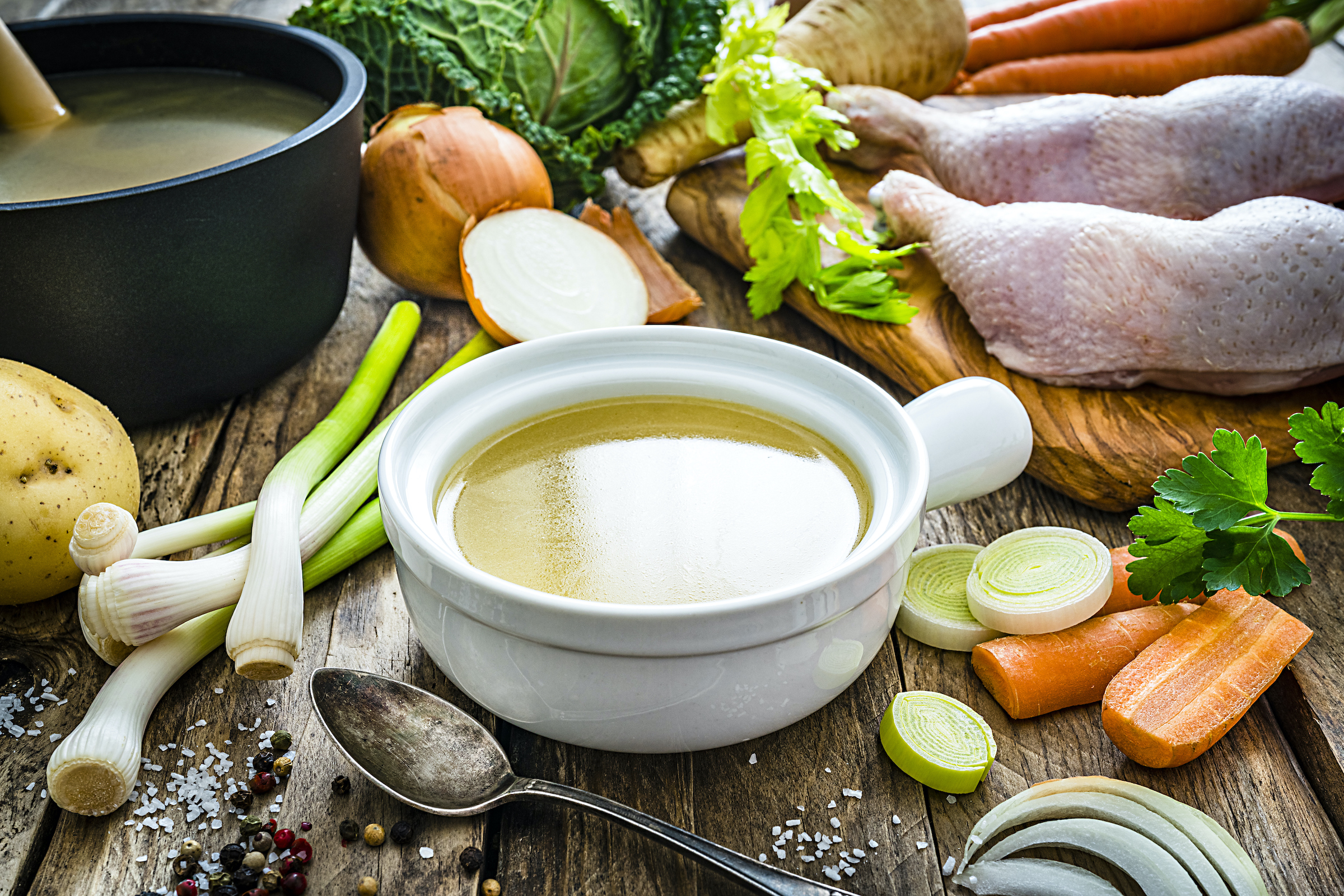
“I generally recommend a full day of liquids for most patients,” he explains. “For those with IBD especially, it’s an effective prep approach because it boosts hydration and lowers the risk of inadequate bowel cleansing.”
One key guideline is to avoid consuming anything red or orange in color, Farhadi notes. For example, if you drink Gatorade, choose yellow or green instead.
This precaution matters because the bowel prep causes rapid elimination, meaning what you drink passes through without full absorption. Colored liquids can remain tinted in the colon, and red shades may be confused with blood during the procedure.
If you’re researching How to make colonoscopy prep taste better, starting with clear liquids you actually enjoy — such as flavored broths or approved electrolyte drinks — can make a noticeable difference. Some patients also explore flavor-improving strategies for specific solutions, such as What can you mix with Gavilyte to make it taste better, while still following medical guidance.
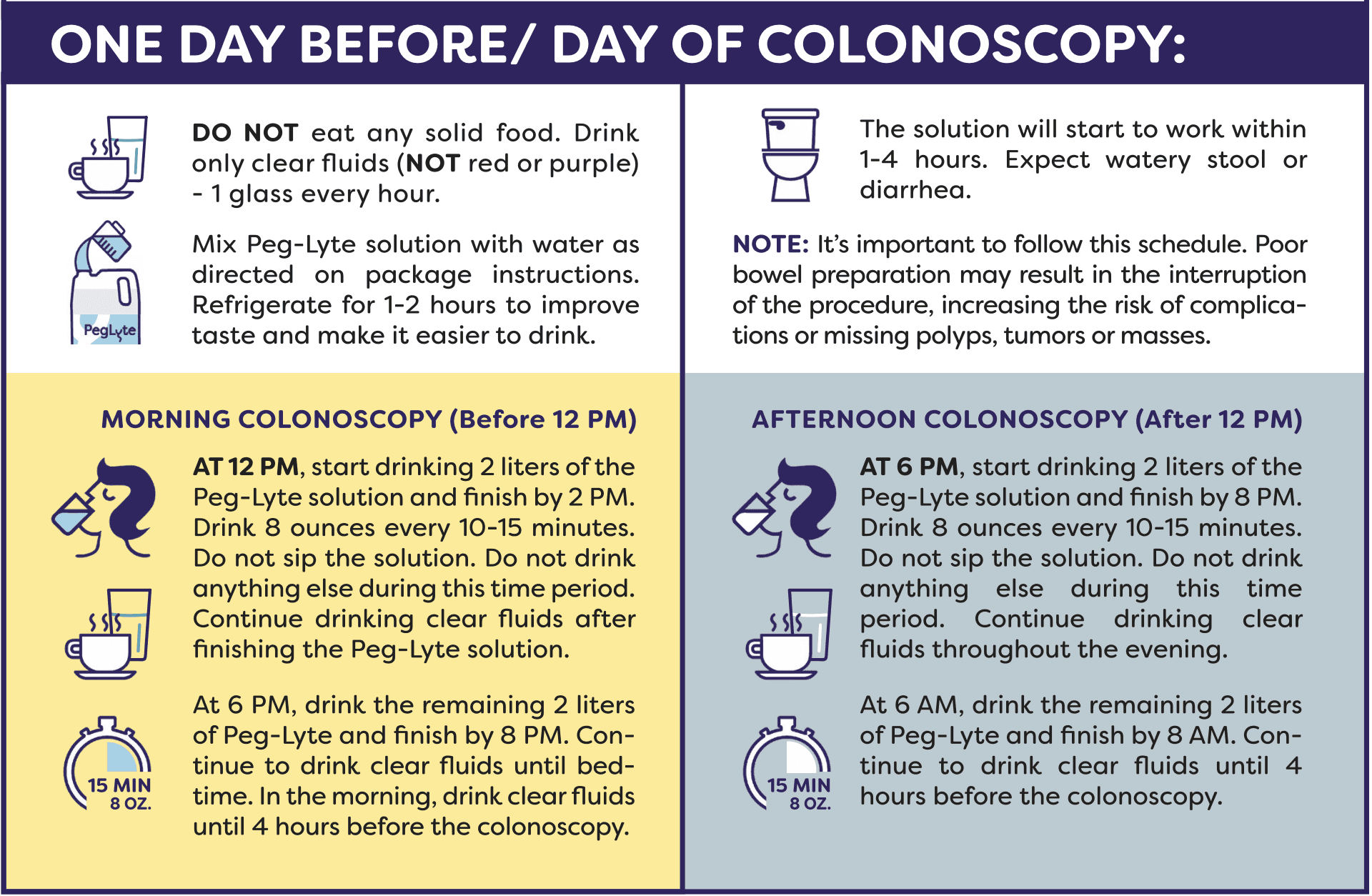
2. Split the prep into 2 days
In the past, colonoscopy prep was typically completed within a short time frame — starting late afternoon or evening and finishing before bedtime.
That condensed schedule often made the experience worse, says Dr. Peter Stanich, a gastroenterologist at The Ohio State University Wexner Medical Center.
“Traditional prep required drinking a large volume of liquid at once, which frequently triggered nausea,” he says. “Now, most gastroenterologists prefer a split prep approach — half the evening before and half the morning of the procedure. It’s significantly better tolerated.”
This split-dose method is effective regardless of the specific bowel prep prescribed, Farhadi adds.
Even if the label instructs you to drink 8 ounces (oz) continuously until finished, you can typically divide the total amount into two sessions, as directed by your healthcare provider, and still achieve optimal cleansing.
3. Drink prep throughout the day
You’re also not required to consume 8 oz all at once. As long as you steadily work through the prescribed amount, taking smaller, more frequent sips over a longer period can be just as effective.
Farhadi recommends beginning earlier in the day before your colonoscopy — perhaps late morning or early afternoon. Store the prep solution in the refrigerator, and sip some each time you’re near the kitchen.
“There’s no strict rule that it must be finished in large amounts at specific intervals,” Farhadi explains. “If you’ve experienced nausea with prep in the past, try smaller portions over an extended period. It will still do its job, and you’re more likely to tolerate it comfortably.”
This gradual method is especially helpful for people looking into How to make colonoscopy prep taste better without compromising the effectiveness of the bowel cleanse.
4. Chill the prep
Although many bowel prep solutions are flavored, the taste can still be unpleasant — and it tends to be worse at room temperature, Stanich says.
Keeping the solution refrigerated for several hours before drinking it can improve palatability. Some people even place it in the freezer briefly to cool it quickly (without allowing it to freeze).
Cold temperatures can dull taste perception slightly, which may help reduce the intensity of the flavor and make the solution easier to swallow.
5. Use a straw
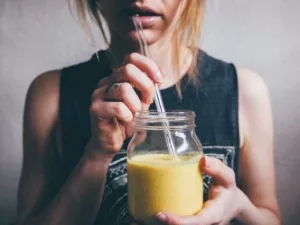
Another practical trick to minimize the flavor is drinking through a straw. Stanich notes that this technique is especially popular among people who undergo colonoscopies regularly, such as those managing IBD.
By positioning the straw toward the back of your mouth and swallowing promptly, you can limit contact with many taste buds. Avoid swishing the liquid around, as that can intensify the taste.
Pairing a straw with chilled prep is a simple but effective approach when figuring out How to make colonoscopy prep taste better in a safe, medically appropriate way.
6. Get some activity, carefully
Light movement during the prep process may help stimulate bowel activity and keep things progressing. Walking around your home or standing while drinking the solution can be beneficial.
However, don’t stray too far from a restroom, Farhadi advises.
“I wouldn’t recommend heading outside to do yard work or anything like that,” he says. “As you near the end of the prep, you’ll need to stay very close to the toilet. Be prepared.”
Wearing comfortable clothing, staying hydrated with approved clear liquids, and keeping bathroom essentials nearby can also make the overall experience less stressful.
Find what works for you
“Colonoscopy prep isn’t something anyone looks forward to,” Stanich says. “But concentrating on ways to make it more manageable can significantly improve your experience.”
This is particularly important if you have IBD. You may require colonoscopies more often to monitor inflammation, assess disease progression, and screen for colorectal cancer or structural changes in the colon, according to the Crohn’s and Colitis Foundation.
If you’ve implemented these suggestions and still struggle with bowel prep, speak with your healthcare professional. There may be alternative prep formulations, adjusted dosing schedules, or additional strategies that better suit your needs while ensuring a successful colonoscopy.









Leave a Reply
You must be logged in to post a comment.