Everything Body Fat Distribution Tells You


- 1. Where your fat is located isn’t totally in your control — especially as you get older
- What determines where fat goes?
- 2. There’s more than one type of body fat to pay attention to
- 3. Subcutaneous, the ‘pinchable’ kind, actually has some important benefits
- 4. Too much visceral fat can be dangerous
- Excess visceral fat can increase your risk of:
- 5. BMI isn’t always the best predictor of healthy body fat levels
- 6. Your lifestyle can affect how much visceral fat builds up
- Tips for a healthier fat distribution
- Just one thing…
It’s widely recognized that carrying excessive body fat can negatively affect your health. While many people concentrate on how much fat they have, an equally important factor is fat distribution — in other words, where that fat is stored in the body.
Interestingly, certain areas of fat accumulation may pose greater health concerns than others. For example, fat stored deep in the abdomen carries different risks compared to fat around the hips and buttocks. This distinction often comes up in conversations about body shape, aesthetics, and even topics like Foods that increase buttocks and hips, but the health implications go far beyond appearance.
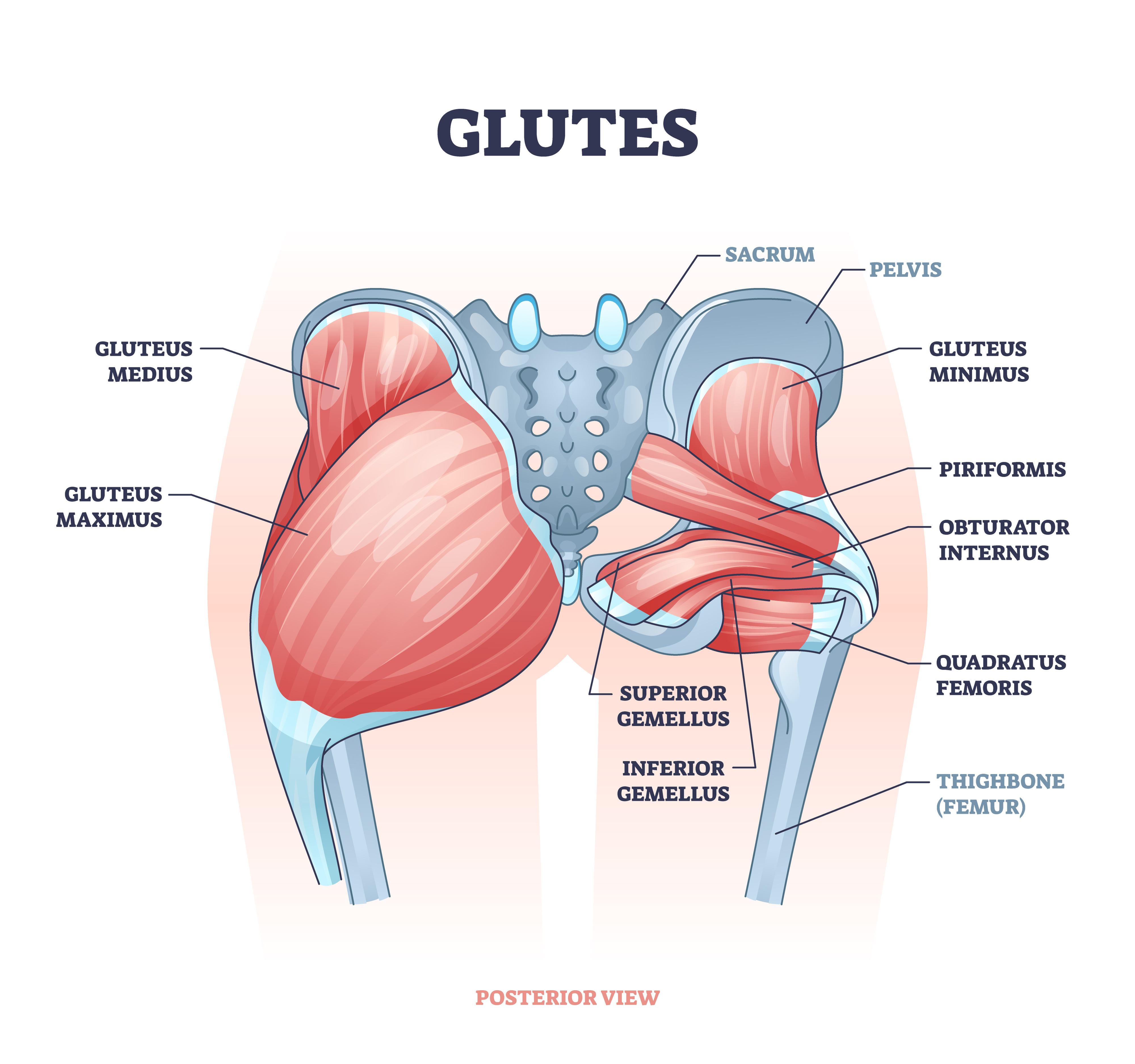
So how can you determine what’s concerning and what’s not?
Let’s explore what fat distribution reveals about your overall health and the practical steps you can take to support a healthier balance.
1. Where your fat is located isn’t totally in your control — especially as you get older
You may have significant control over your total body fat through diet and exercise. However, where that fat settles is often influenced by factors beyond your direct control.
Some individuals naturally store more fat in their abdominal region, while others tend to carry it in their hips and thighs. Genetics, biological sex, age, and hormone levels all influence these patterns. While lifestyle choices can shift the balance somewhat, your body’s blueprint plays a substantial role.
What determines where fat goes?
- Your genes. Fat distribution is influenced in part by your genetics. These inherited traits appear to affect females more strongly than males, shaping whether fat is stored centrally or peripherally.
- Your sex. Healthy body fat levels for males range from 18 to 24 percent, while for females, the healthy range is between 25 and 31 percent. “Men tend to accumulate more fat around the midsection, whereas women typically store it in the hips and buttocks,” explains Keith Ayoob, EdD, RD, associate clinical professor emeritus at Albert Einstein College of Medicine. This pattern is one reason why some people look into Foods that increase buttocks and hips for aesthetic goals, although genetics still plays a major role.
- Your age. As people age, total body fat often increases due to a slower metabolism and gradual loss of muscle mass. Additionally, older adults are more likely to accumulate visceral fat rather than subcutaneous fat.
- Your hormone levels. Weight and hormones are closely connected, particularly during your 40s. This is largely due to the natural decline in hormones such as testosterone (in men) and estrogen (in women), according to Pamela Peeke, MD, a body fat expert and author of “Body for Life for Women.”
2. There’s more than one type of body fat to pay attention to
Many people are surprised to learn that body fat isn’t all the same. There are three distinct types, each with unique roles and locations within the body.
Here’s how they differ:
- Subcutaneous fat lies just beneath the skin, on top of the muscles. It’s the fat you can pinch, commonly found around the hips, thighs, and buttocks. This type accounts for about 90 percent of total body fat.
- Visceral fat is stored deep within the abdominal cavity. It surrounds essential organs such as the liver, intestines, and heart. Unlike subcutaneous fat, it cannot be seen or felt easily, yet it carries more serious health implications.
- Brown fat is a specialized form of fat that helps generate heat by burning calories. Infants have higher amounts of brown fat, while adults retain small quantities, primarily around the shoulders and chest.
3. Subcutaneous, the ‘pinchable’ kind, actually has some important benefits
Subcutaneous fat serves as the body’s stored energy reserve. In moderate amounts, it performs essential physiological functions.
It produces hormones such as leptin, which signals fullness to the brain, helping regulate appetite. It also secretes adiponectin, an anti-inflammatory hormone that supports healthy blood sugar control and metabolic balance.
In short, not all visible fat is harmful. While many people aim to reshape their lower body through targeted nutrition strategies — including researching What food makes your butt bigger — it’s important to recognize that subcutaneous fat in areas like the hips and buttocks can be metabolically protective compared to visceral fat.
4. Too much visceral fat can be dangerous
Visceral fat’s location makes it particularly concerning. Because it surrounds internal organs, it can release fatty acids into the liver, where they are converted into cholesterol. This cholesterol may then circulate in the bloodstream and contribute to plaque buildup in the arteries.
In addition, visceral fat promotes the release of inflammatory substances and is associated with insulin resistance. Over time, these processes can disrupt metabolic health.
Excess visceral fat can increase your risk of:
- heart disease
- high blood pressure
- diabetes
- stroke
- certain cancers , including breast and colon cancer
The most accurate way to assess visceral fat is through imaging tests such as an MRI or CT scan. However, a simple waist measurement can offer useful insight.
Women with a waist circumference greater than 35 inches and men with a waist circumference greater than 40 inches may have elevated visceral fat levels.
5. BMI isn’t always the best predictor of healthy body fat levels
If your body mass index (BMI) falls within the overweight (25 to 29.9) or obese (30 or above) range, you’re statistically more likely to carry excess visceral fat.
However, BMI does not tell the full story, according to Ayoob.
Research shows that 22 percent of men and 8 percent of women classified as normal weight still have excessive visceral fat — placing them at risk for related health conditions.
Conversely, about 22 percent of men and 10 percent of women with obesity have visceral fat levels within the normal range.
The key takeaway: evaluating abdominal fat specifically is just as crucial as monitoring the number on the scale.
6. Your lifestyle can affect how much visceral fat builds up
Although genetics and hormones influence fat storage, daily habits significantly affect how much visceral fat accumulates.
Three common contributors include:
- Eating too much junk food. Highly processed foods are rapidly absorbed, leading to insulin spikes. Insulin functions as a fat-storage hormone, says integrative weight loss specialist Luiza Petre, MD. Diets high in saturated fat may further encourage visceral fat buildup.
- Being sedentary. Extended sitting is associated with increased waist circumference. If you’ve been inactive for long stretches, consider short movement breaks throughout the day.
- Letting stress get out of control. Chronic stress elevates cortisol levels. Peeke notes that visceral fat tissue contains a high concentration of cortisol receptors, which may promote fat storage in the abdominal region.
Tips for a healthier fat distribution
While you can’t completely dictate where your body stores fat, you can adopt habits that reduce the likelihood of harmful visceral fat accumulation and promote overall metabolic health.

- Choose complex carbs and protein over sugary foods. Slower-digesting carbohydrates and adequate protein help stabilize insulin levels, reducing the likelihood of excess belly fat storage, Petre explains.
- Opt for healthier dietary fats. Polyunsaturated fats found in foods like walnuts, salmon, and flax seeds are beneficial — particularly when replacing saturated fats. Research suggests polyunsaturated fats may support calorie-burning muscle tissue, while saturated fats may encourage fat storage.
- Exercise — and increase intensity when appropriate. Strength training builds muscle mass, which helps lower overall body fat. Studies indicate that high intensity interval training may be especially effective at reducing visceral fat compared to moderate aerobic exercise.
- Manage stress levels. Reducing chronic stress can limit continuous cortisol exposure, potentially decreasing visceral fat storage, according to Peeke.
- Prioritize quality sleep. Not getting enough sleep may increase BMI. A lack of sleep is also thought to be related to an increase in abdominal fat in particular. Adequate rest supports hormonal balance and metabolic health.
- Limit alcohol consumption. Consuming excessive alcohol in one sitting can lead to additional calories being stored as visceral fat. Heavy drinkers often have higher levels of belly fat. Aim for no more than one drink per day for women and two per day for men, and avoid binge drinking — defined as four or more drinks within two hours.
Just one thing…
You don’t have to implement every strategy immediately. Small, sustainable changes are more effective than drastic overhauls. Gradually incorporating healthier habits — whether that’s improving your diet, increasing movement, or learning How to make your butt bigger in a week safely through strength training and proper nutrition — can lead to long-term success.
Once one habit feels natural, build upon it. Over time, consistent efforts can support healthier fat distribution and improved overall well-being.
Common FAQs
While no food directly targets fat to these areas, a diet rich in protein, healthy fats, and complex carbs supports muscle growth and overall fat distribution, which can enhance the lower body when combined with strength training.
Subcutaneous fat is the pinchable fat stored under the skin, often around hips and buttocks. Visceral fat is deep abdominal fat surrounding organs and poses greater health risks like heart disease and diabetes.
Yes, genetics significantly influence fat distribution patterns, determining whether you tend to store fat in the abdomen or in peripheral areas like the hips and thighs.
Reduce visceral fat by eating whole foods over processed items, engaging in regular exercise (especially high-intensity interval training), managing stress, and prioritizing quality sleep.
Subcutaneous fat in the hips and buttocks is generally less harmful than visceral fat. It can provide metabolic benefits, such as hormone production for appetite regulation and blood sugar control.




Related Posts

Folic Acid vs. Folate — What’s the Difference?
Aug 17, 2026 • 18 min read
What Is Colloidal Silver, and Is It Safe?
Sep 10, 2026 • 12 min read
Does Tribulus Terrestris Really Work? An Evidence-Based Look
Sep 2, 2026 • 7 min read
What Are Deer Antler Supplements? Health Effects and Safety
Aug 15, 2026 • 20 min read
Health Benefits of Hawthorn Berry
Aug 24, 2026 • 12 min read