Are Itchy Armpits a Cancer Warning Sign?

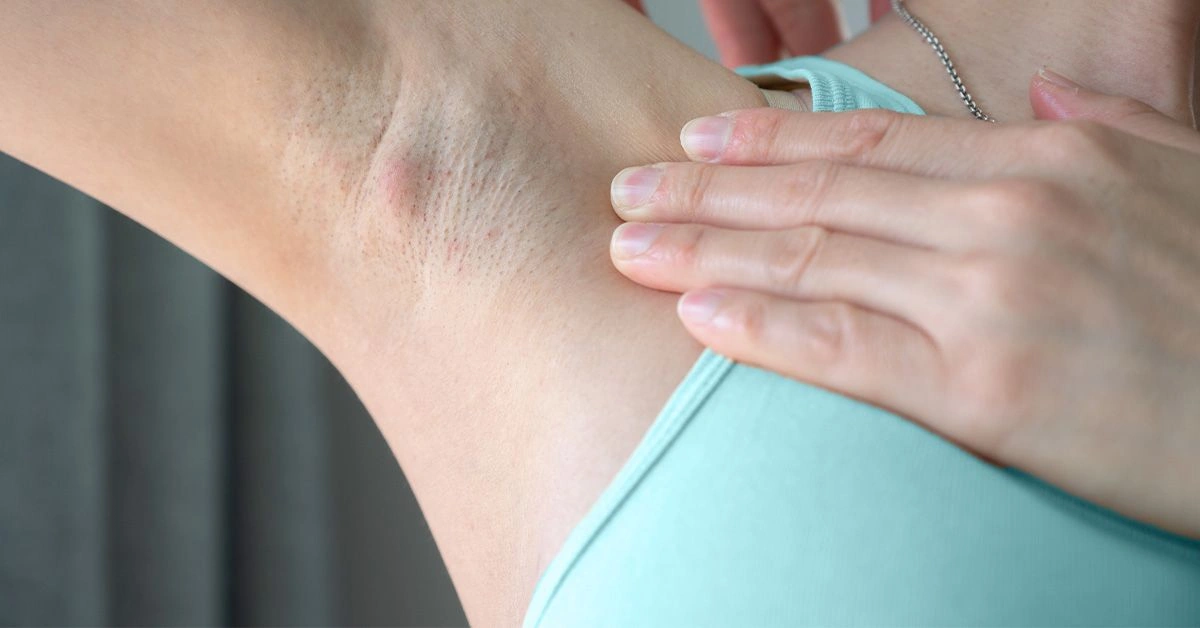
An itchy sensation in the underarm area is usually linked to a skin-related issue. However, certain medical conditions — including specific cancers — may also lead to persistent itching in the armpit along with other symptoms.
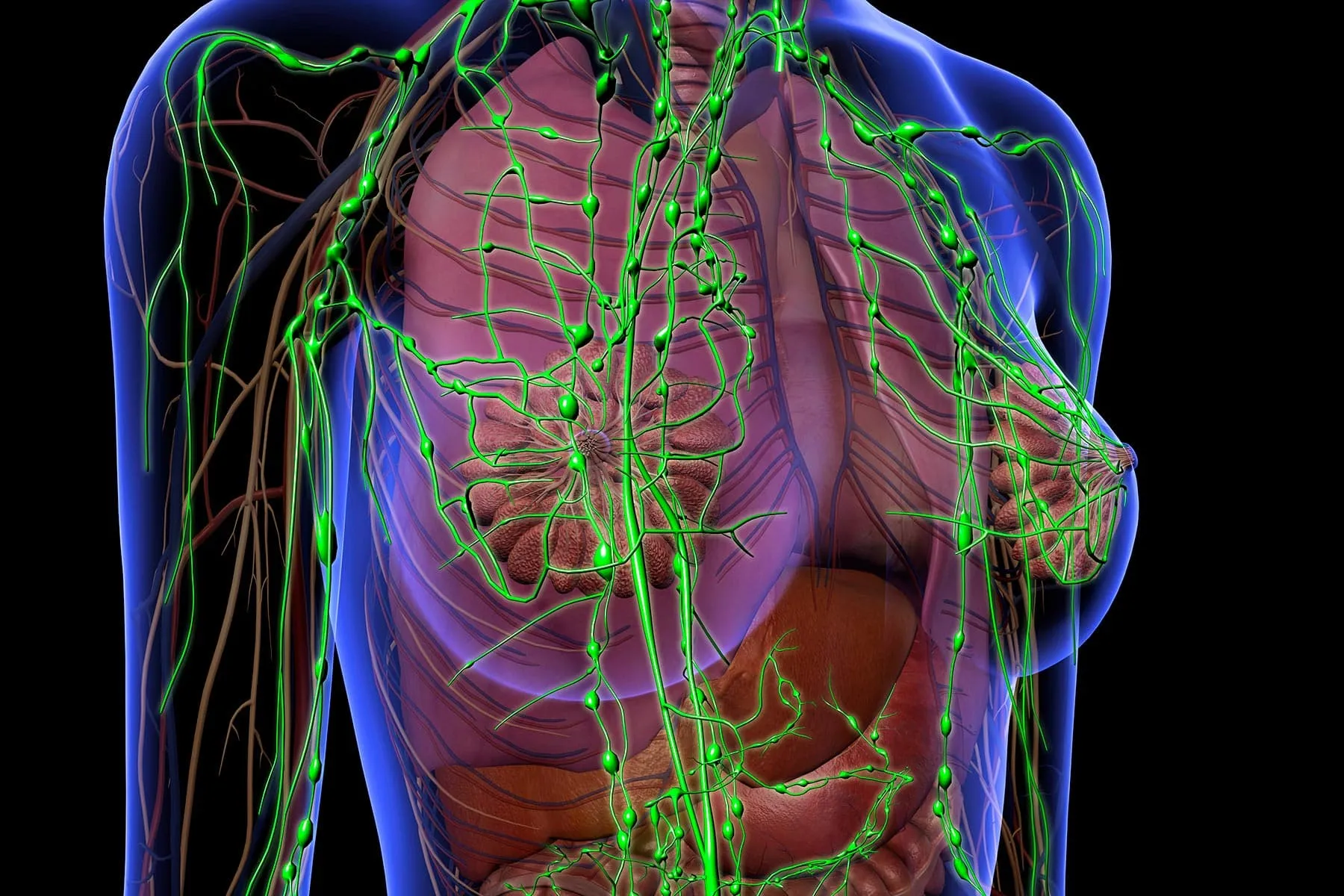
In most cases, itchy underarms stem from noncancerous causes such as poor hygiene or dermatitis. That said, ongoing or unexplained itching can occasionally signal a more serious condition, including lymphoma or inflammatory breast cancer. When Cancerous lymph nodes in armpit are present, itching may appear alongside swelling or other noticeable changes.
Lymphoma and itchy armpits
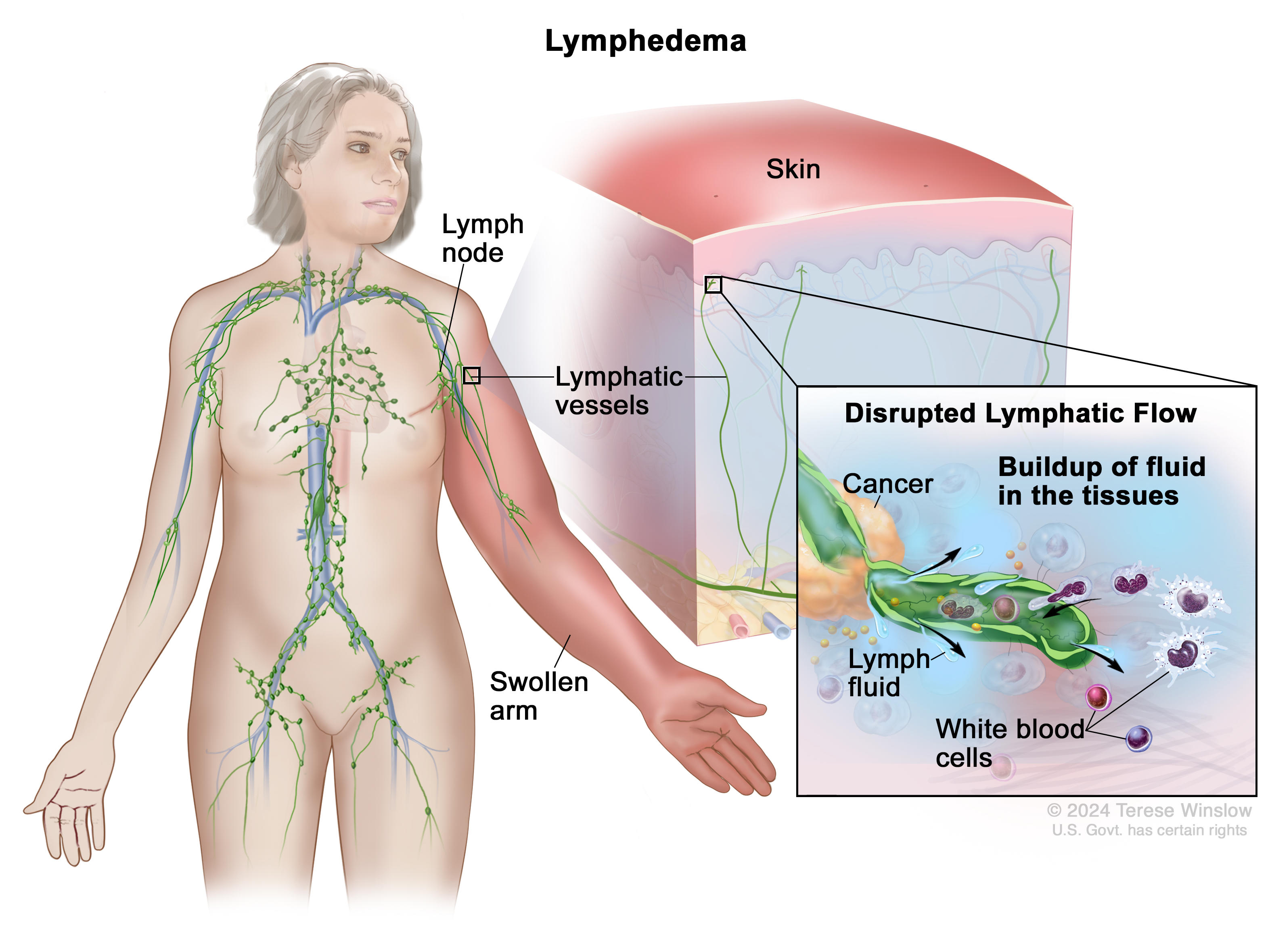
Lymphoma is a cancer that affects the lymphatic system, which plays a central role in immune function. One of its hallmark signs is enlarged lymph nodes, often detected in the underarms, neck, or groin. When these nodes become cancerous, swelling and discomfort may occur, and some individuals report persistent itching in the surrounding area.
Hodgkin’s and non-Hodgkin’s lymphoma
Although there are more than 70 types of lymphomas, they are generally classified into two primary groups: Hodgkin’s lymphoma (HL) and non-Hodgkin’s lymphoma (NHL).
Approximately 30% of people diagnosed with HL and about 15% of those with NHL experience itching . Medical professionals sometimes call this Hodgkin itch or paraneoplastic pruritus.
Notably, Hodgkin itch often occurs without a visible rash. Scratching typically does not relieve the sensation, which can be frustrating and disruptive to daily life.
When lymphoma affects lymph nodes in the underarm, it may lead to Cancerous lymph nodes in armpit, characterized by firm, painless swelling. If itching accompanies enlarged nodes, especially without an obvious skin cause, further medical evaluation may be warranted. You can also explore visual references in this guide on Cancer pictures of swollen lymph nodes in armpit to better understand how abnormal swelling may appear.
T-cell and B-cell skin lymphoma
T-cell and B-cell skin lymphoma may trigger a rash along with itchiness. These skin changes can include:
- Mycosis fungoides: Small, dry, reddish patches that can resemble psoriasis, eczema, or dermatitis.
- Skin thickening and plaque formation: Areas of hardened or thickened skin that may itch and sometimes ulcerate.
- Papules: Raised spots that can enlarge over time, potentially developing into nodules or tumors.
- Erythroderma: Widespread redness of the skin that may be dry, scaly, and intensely itchy.
These symptoms can overlap with benign dermatologic conditions, which makes proper diagnosis essential.
Inflammatory breast cancer and itchy armpits
Breast cancer develops in the cells of the breast. A rare but aggressive subtype known as inflammatory breast cancer may cause symptoms that include itching in the breast or armpit region.
If a breast becomes swollen, tender, red, or itchy, a doctor may initially suspect an infection rather than inflammatory breast cancer. In such cases, antibiotics are commonly prescribed.
If symptoms fail to improve within 7 to 10 days, further evaluation — such as a mammogram or breast ultrasound — may be recommended to rule out cancer.
While itchiness in the armpit can be associated with inflammatory breast cancer, it is usually accompanied by additional noticeable signs, including:
- Changes in skin texture, such as thickening or dimpling that resembles an orange peel
- Swelling that makes one breast appear larger than the other
- A feeling of increased warmth and heaviness in one breast
- Redness or discoloration covering more than one-third of the breast
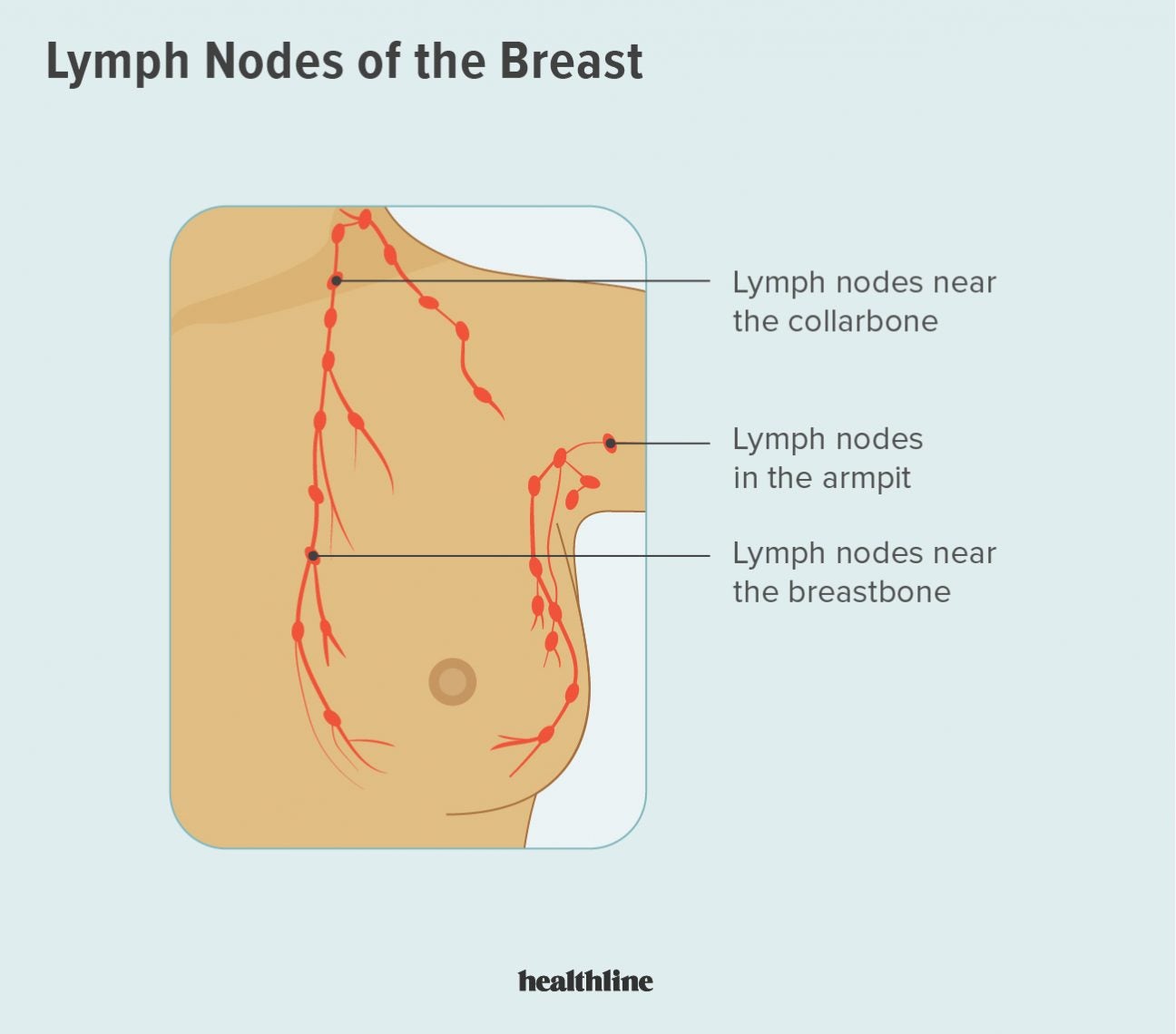
Inflammatory breast cancer can also spread to nearby lymph nodes, potentially leading to Cancerous lymph nodes in armpit. Swelling in this area, especially when combined with breast changes, should prompt medical attention.
How often do itchy armpits suggest cancer?
A 2022 study involving over 300,000 participants found that individuals who reported unexplained itching were more likely to be diagnosed with a blood cancer, such as lymphoma, compared with those without itching.
Even so, the overall risk remained low. Less than 0.4% of participants received a blood cancer diagnosis within 1 year, and fewer than 1% were diagnosed after 10 years. This means that while persistent, unexplained itching can occasionally be a warning sign, it is far more commonly linked to noncancerous conditions.
Common causes of itchy armpits
In the majority of cases, itchy underarms are unrelated to cancer. Frequent causes include:
- Inadequate hygiene: Sweat and bacteria can accumulate in the underarm area. Washing regularly, especially after exercise, can help reduce irritation.
- Dermatitis: Allergic, atopic, or contact dermatitis may develop in the armpits and cause redness and itching.
- Chemical irritants: Soaps, deodorants, antiperspirants, or laundry detergents may trigger a reaction. Switching to fragrance-free or hypoallergenic products can sometimes help.
- Prickly heat: Also called heat rash or miliaria rubra, this red, bumpy rash often appears in hot, humid climates.
- Dull razor: Shaving with a blunt razor or without shaving cream can lead to irritation, dryness, and itching.
- Hyperhidrosis: Excessive sweating due to overactive sweat glands can increase skin irritation.
- Bras: Some individuals experience allergic reactions to materials such as nickel, rubber, or latex in bras.
- Intertrigo: This rash occurs in skin folds and, if untreated, may progress to a bacterial or fungal infection. Risk factors include heat, high humidity, inadequate hygiene, diabetes, and obesity.
If you are unsure about the reason behind swollen lymph nodes or persistent underarm irritation, reviewing information on What causes enlarged lymph nodes under armpit may provide helpful context before consulting a healthcare professional.
When to contact a doctor
If itchy armpits occur alongside other early signs of cancer — such as unexplained swelling, fatigue, night sweats, fever, or unexplained weight loss — it’s important to consult a doctor. A healthcare professional can evaluate your symptoms and order appropriate tests to determine the underlying cause.
The National Cancer Institute advises seeking medical advice if itching affects your entire body, disrupts daily activities, or persists without improvement.
Even if a less serious cause seems likely, such as a skin infection or allergic reaction, a medical evaluation can help confirm the diagnosis and ensure you receive the right treatment.
The takeaway
Most itchy armpits are caused by noncancerous issues like inadequate hygiene, dermatitis, or contact allergies.
However, when cancer is responsible, additional symptoms are typically present. These may include swelling, warmth, skin discoloration, thickening, dimpling, or Cancerous lymph nodes in armpit.
If you are concerned that persistent itching in your underarm could be linked to cancer, speak with a doctor. After identifying the cause, they can recommend appropriate treatment to address both the itching and any underlying medical condition.
Help Center FAQs
Yes, persistent and unexplained itchy armpits can occasionally signal cancers like lymphoma or inflammatory breast cancer, especially when accompanied by swelling, lumps, or skin changes.
Hodgkin itch, or paraneoplastic pruritus, is persistent itching associated with Hodgkin’s lymphoma. It often occurs without a visible rash and is not relieved by scratching.
Inflammatory breast cancer can cause itching in the breast and armpit region due to skin involvement and inflammation. It is typically accompanied by redness, swelling, warmth, and skin texture changes.
Consult a doctor if armpit itching is persistent, unexplained, and accompanied by symptoms like swelling, lumps, night sweats, unexplained weight loss, or fever, or if it disrupts daily life.
Most itchy armpits are caused by noncancerous issues like dermatitis, chemical irritants from soaps or deodorants, poor hygiene, heat rash, shaving irritation, or intertrigo.
Read Next




Related Posts
Is Microblading Your Eyebrows Painful?
Aug 9, 2026 • 33 min read
The Ultimate Skin Care Routine for Combination Skin
Sep 20, 2026 • 11 min read
Everything You Need to Know About Glycerin Soap
Aug 3, 2026 • 36 min read
Does Flaxseed Really Work for Beautiful Hair?
Aug 4, 2026 • 16 min read
How to Treat an Inverted Nipple
Aug 10, 2026 • 12 min read