

What is a toothache?
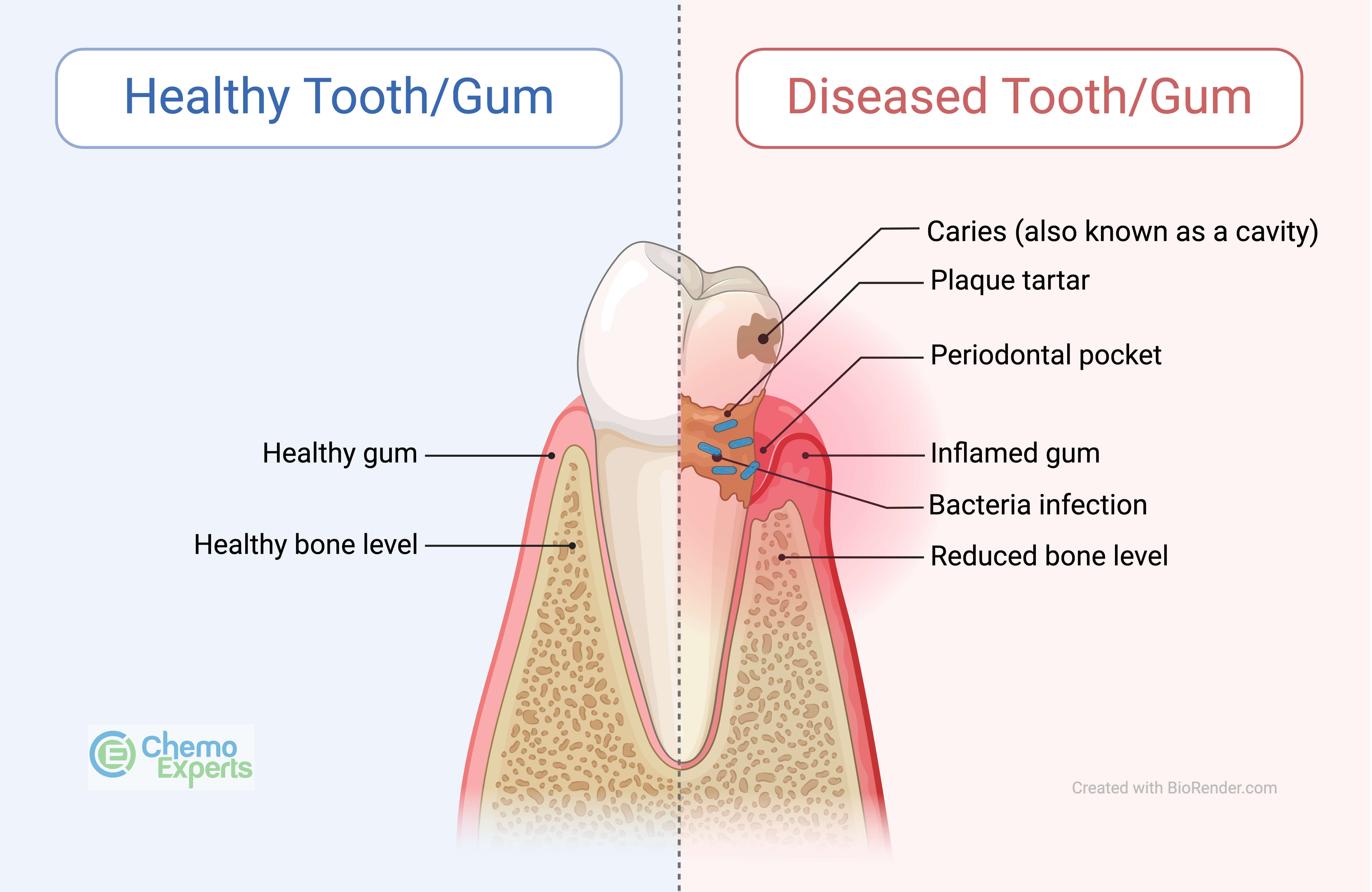
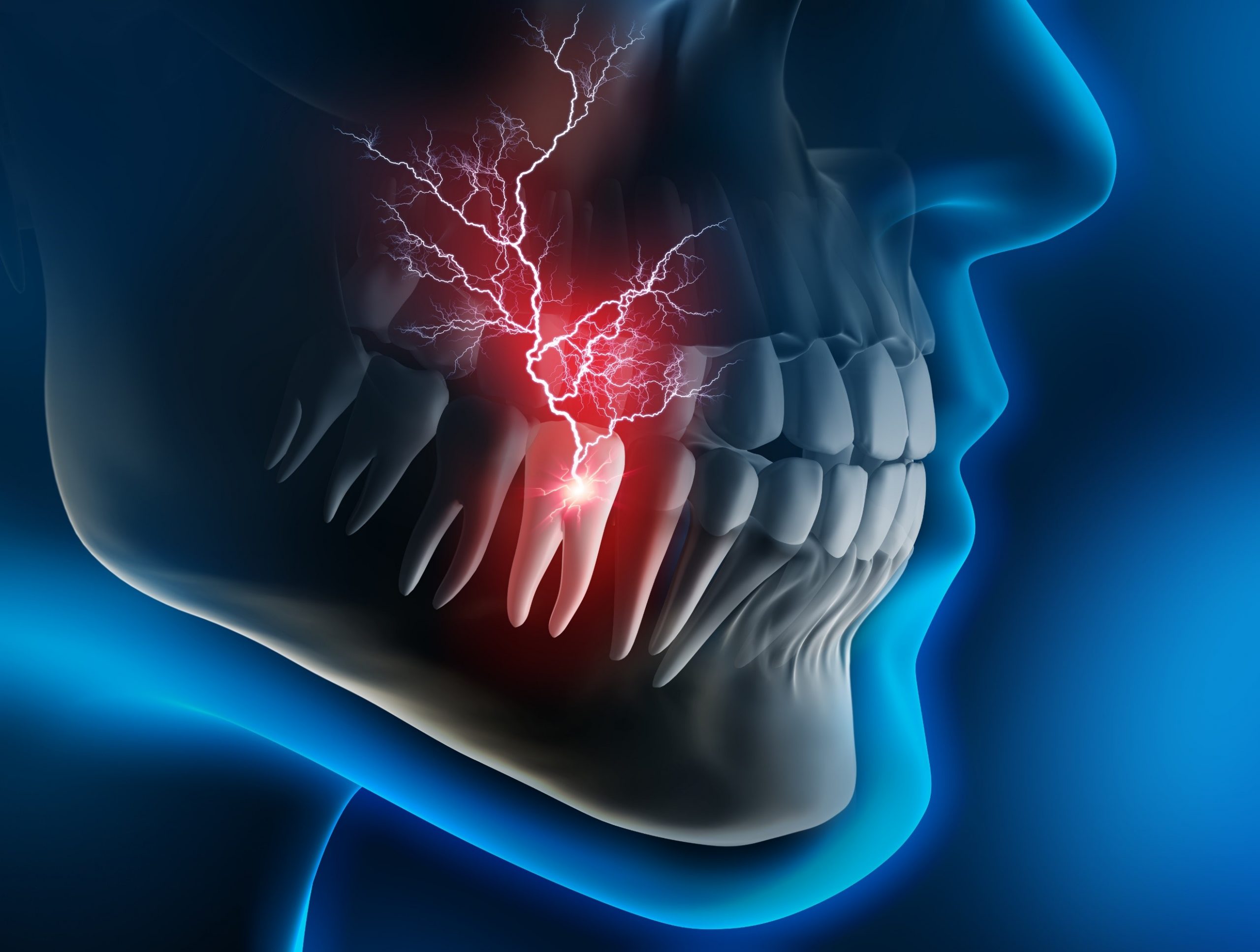
Pulsing tooth pain indicates there may be damage to a tooth. Cavities or dental decay commonly cause toothaches. Intense throbbing can also result from an infection in the tooth or the surrounding gum tissue.
Most toothaches arise from inflammation or infection of the tooth’s inner tissues, a condition known as pulpitis.
The soft pink pulp inside a tooth keeps it alive and healthy. Tooth pulp includes connective tissue, nerves, and blood vessels.
A cavity or fracture in the tooth allows air and bacteria to enter. That exposure can irritate and infect the sensitive pulp nerves, producing tooth pain.
Other symptoms
Besides throbbing pain, a toothache may come with:
- a constant, dull ache
- sharp pain when biting
- discomfort when eating sweet foods
- teeth that feel sensitive or tingly
- tenderness in the mouth
- jaw pain or aching
- swelling of the mouth or gums
- redness
- a bad taste in the mouth
- an unpleasant odor from the mouth
- pus or a white discharge
- fever
Both adults and kids can develop a toothache. See a dentist as soon as possible if you notice any of these signs. A dental exam and an X-ray are often needed to determine the cause of the pain.
Below are eight possible sources of throbbing tooth pain.
1. Tooth decay
Tooth decay, or a cavity, is the leading cause of tooth pain. It occurs when bacteria erode the hard enamel outer layer of a tooth.
Bacteria are normal in the mouth, but excess sugar and food residue can encourage harmful bacteria to overgrow.
Bacterial plaque clings to teeth. Certain bacteria produce acid that creates holes or cavities. Decay may appear as small white, brown, or black spots on the tooth surface.
Treatment
Your dentist can fix a cavity or strengthen a weakened area to alleviate throbbing pain. Treatments may include:
- professional dental cleaning to remove plaque
- a filling to restore the cavity
- antibiotics if an infection is present
2. Tooth abscess
An abscessed tooth happens when part or all of the internal pulp dies, forming a pocket of bacteria and pus known as an abscess. Infection or persistent inflammation can lead to an abscess.
If a damaged tooth is not treated, bacteria can infiltrate through a hole or crack and cause an abscess.
Treatment
Treating a tooth abscess may involve:
- antibiotics to eliminate the bacterial infection
- draining and cleaning the abscess
- gum treatment if gum disease caused the abscess
- a root canal if decay or a cracked tooth is responsible
- a dental implant if the tooth must be removed and replaced
3. Tooth fracture
A tooth fracture is a crack or split in the tooth structure. It can result from chewing hard items like ice, a fall, or a direct blow to the face or jaw. Sometimes fractures develop gradually over time.
A fractured tooth can produce throbbing pain because the break allows substances to reach and irritate or infect the pulp and nerves.
These substances may include:
- bacteria
- food particles
- liquids
- air
Treatment
Dentists can repair a cracked tooth using bonding material, a veneer, or a filling. You might need a crown, or in some cases a root canal may be recommended.
4. Damaged filling
Fillings can become damaged from normal chewing, biting hard objects, or from teeth grinding and clenching. A filling may:
- chip
- crumbly
- crack
- wear down
- come loose
Treatment
Your dentist can repair or replace a worn or broken filling. If the tooth is too compromised for a new filling, a crown may be necessary.
5. Infected gums
A gum infection, also called gingivitis, can progress to gum disease or periodontitis. Gum disease is a leading cause of adult tooth loss.
Gum infections can be caused by:
- poor oral hygiene
- an unhealthy diet
- smoking
- hormonal shifts
- certain medications
- medical conditions like diabetes
- cancer and its treatments
- heredity
Bacteria from infected gums can accumulate around the tooth roots, causing gum tissue infection and resulting in tooth pain.
Gum disease may cause gums to recede from teeth and destroy the supporting bone, which can loosen teeth and promote cavities.
Treatment
Gum infections are usually managed with antibiotics. Regular professional cleanings are often needed to remove plaque. A medicated mouth rinse can ease gum and tooth discomfort.
If gum disease is present, multiple treatments may be required to preserve the teeth. This can include a deep cleaning procedure called scaling and root planing. In advanced cases, surgical treatment may be necessary.
6. Grinding or clenching
Tooth grinding, known as bruxism, commonly occurs during sleep. Clenching is holding the teeth tightly together. Stress, genetics, and overactive jaw muscles can contribute to grinding and clenching.
These behaviors can cause pain in the teeth, gums, and jaw and may wear down tooth surfaces, increasing the risk of cavities, sensitivity, and fractures.
Signs of tooth wear include:
- tiny cracks or rough edges on teeth
- thinning of tooth edges (slightly transparent biting surfaces)
- heightened sensitivity to hot, cold, or sweet foods and drinks
- rounded tooth shapes
- chipped or indented teeth and fillings
- yellowing of teeth
Treatment
Addressing the causes of grinding and clenching helps reduce tooth pain. Wearing a night guard can protect teeth during sleep for both adults and children. Stress-relief practices or counseling may also be beneficial.
Optum Now is operated by RVO Health. By clicking on this link, we may receive a commission. Learn more.
7. Loose crown
A crown or cap covers a tooth, usually extending down to the gumline. Crowns are used for cracked or broken teeth or when cavities are too large for fillings.
The crown keeps the tooth intact and can be made from metal, ceramic, or porcelain. Dental cement secures the crown in place.
Over time, a crown can loosen due to wear, chip or crack like natural teeth, or lose cement. Clenching, grinding, or biting hard objects can also damage a crown.
A loose crown can cause throbbing pain because bacteria can enter beneath it, leading to infection or nerve irritation.
Treatment
If a crown is loose or the underlying tooth is decayed or damaged, your dentist may remove the crown, treat the tooth, and fit a new crown. Loose or broken crowns can often be repaired or replaced.
8. Eruption of a tooth
Teething and the growth of new teeth can produce discomfort in the gums, jaw, and neighboring teeth. This applies to babies, children replacing baby teeth, and adults developing wisdom teeth.
A tooth can become impacted if it cannot emerge properly through the gums or if it grows at an angle, such as sideways. Causes include:
- crowding (insufficient space)
- a retained baby tooth
- a cyst in the mouth
- genetic factors
An impacted tooth may harm a nearby tooth’s roots. Both erupting and impacted teeth can push against other teeth, causing movement, loosening, and pain.
Treatment
Topical oral anesthetics or over-the-counter pain relievers can reduce soreness from an emerging tooth. Impacted teeth often require minor dental surgery to create space, which may involve removing obstructing teeth or other blockages.
Other causes
Additional sources of throbbing tooth pain include:
- food or debris trapped between teeth
- a sinus infection (often felt in the upper back teeth)
- cardiac conditions such as angina (pain around the jaw and teeth)
When to see a dentist
A tooth infection can spread to the jawbone and other areas of the face, throat, and head. Contact your dentist right away if a toothache is accompanied by:
- pain lasting more than a day
- pain when biting or chewing
- fever
- swelling
- red or inflamed gums
- a foul taste or odor
- difficulty swallowing
If a tooth is broken or has been knocked out, seek immediate care at a dental office or emergency room.
Self-care tips
If you cannot see a dentist immediately, try these measures to ease throbbing tooth pain:
- Rinse the mouth with warm salt water.
- Carefully floss to dislodge food or plaque between teeth.
- Apply a cold pack to the cheek or jaw.
- Take over-the-counter pain relievers such as acetaminophen.
- Use home remedies like clove oil to numb sore gums.

The bottom line
See a dentist or physician if you have throbbing tooth pain, as it may signal an infection. Early care helps protect your teeth and overall health.
Regular dental checkups can prevent many serious problems before they cause pain. Verify with your health plan to learn if you have coverage for routine exams and cleanings.
If dental care is unaffordable, contact nearby dental schools — they often provide lower-cost or free cleanings and minor treatments like fillings.



















Leave a Reply
You must be logged in to post a comment.