
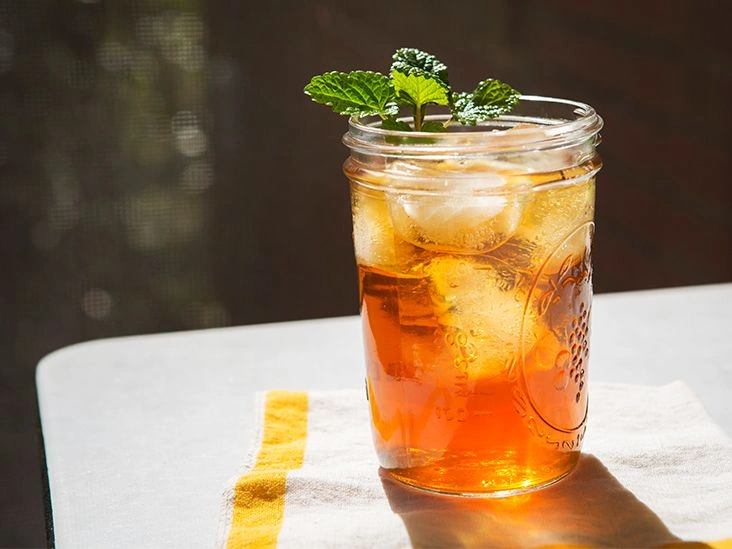
When summer rolls around, many of us look for ways to stay comfortable while enjoying the sunshine. A blazing afternoon might make you crave ice cream or cold beverages, but those treats usually offer only short-lived relief.
Want to cool down from the inside out? Enter herbs.
You might not have thought of medicinal herbs as a cooling tool on a hot day, yet numerous botanical allies can help you manage heat naturally.
Keep in mind that herbs are not FDA-regulated, so it’s essential to investigate sources and ensure the herbs you purchase are pure and of good quality.
Some herbs may interact with prescription drugs or trigger allergic responses. Check for possible interactions and sensitivities with your physician and a qualified herbalist.
Always consult a healthcare provider before starting any herbal regimen, particularly if you are pregnant, nursing, have existing health conditions, or are considering herbs for children.
Understanding “cooling” herbs
Most herbal systems categorize plants as heating, cooling, or neutral. If you’re feeling overheated, opt for herbs traditionally regarded as cooling.
Benjamin Zappin, LAc, herbalist and co-founder of Five Flavors Herbs, explains that cooling herbs generally fall into two overlapping groups: refrigerants and diaphoretics.
Refrigerants reduce body temperature and cool tissues. Examples include:
- lemongrass
- chrysanthemum
- lemon balm
- lavender
- spearmint
- peppermint
- chamomile
Diaphoretics promote sweating. Examples include:
- peppermint
- lemon balm
- catnip
- elderflower
- chamomile
It may seem odd to use something that encourages perspiration, but Zappin points out that many hot-climate cultures use spicy foods to induce sweating — an effective natural cooling mechanism.
Don’t worry about excessive sweating; diaphoretic effects are generally mild and subtle.
Ayurvedic physician Yashashree (Yash) Mannur, BAMS, director of Shubham Ayurveda Clinic, notes that Ayurveda classifies tastes into six categories:
- sweet
- sour
- salty
- bitter
- astringent
- pungent
Traditional Chinese medicine uses a five-taste system:
- sweet
- sour
- salty
- acrid
- bitter
The taste of a plant influences its effect on the body. Mannur says sweet, bitter, and astringent flavors tend to produce cooling effects.
“Salty is most heating, then sour, then pungent,” she explains.
Chilies, for instance, are considered pungent and astringent in Ayurveda; they feel hot but can still impart some cooling actions.
While sweet flavors are cooling, choose mildly sweet foods like melon, blanched almonds, or digestible milk to avoid negating cooling benefits with excess sugar.
The “action” of herbs
Mannur stresses the difference between something that merely feels cool to the touch or taste and something that genuinely lowers bodily heat.
The latter describes the herb’s action on the body, called “vīrya” in Ayurveda.
“We’re often misled by superficial cooling attempts,” Mannur says. “Cooling by temperature is temporary. Once it interacts with body heat and digestion, that sensation fades.”
The chill of cold foods, like ice cream, provides momentary comfort but doesn’t actually lower core body temperature.
“The cool feeling stays only while it’s in the mouth. The body doesn’t receive true cooling, yet it keeps craving more,” Mannur says. “So no amount of ice cream will cool the body down.”
By contrast, cooling herbs influence bodily tissues rather than just taste receptors.
The subtle effects of heat
Herbal systems view heat as more than external weather. Zappin notes heat can show up physically, mentally, and emotionally.
Signs might include:
- pain
- redness
- swelling
- restlessness
- irritability
- anger
- impulsiveness
- racing thoughts
- worry
“Contemporary life — the pressure to perform, fast thinking, and constant tech stimulation — tends to push people into a heated state of awareness,” Zappin says.
Some people thrive with heat while others find it oppressive.
“Individuals’ metabolic responses vary. For some, heat invigorates; for others, it feels burdensome,” Zappin explains.
Because traditions like Ayurveda and TCM treat the whole person, the cooling herbs below can help address heat-related imbalances that go beyond a single hot day.
Cooling herbs: Benefits and uses
Consider the herbs below to help lower internal temperature.
Coriander (cilantro)
Coriander, known as cilantro in many cuisines, is regarded as a cooling herb. A 2017 study suggested coriander may have antioxidant, anticancer, and neuroprotective activities. Research in rats (2018) found positive effects on blood sugar, though human studies are needed.
How to use it: Add coriander to soups, sauces, and salads. It’s a classic ingredient in guacamole.
Mint
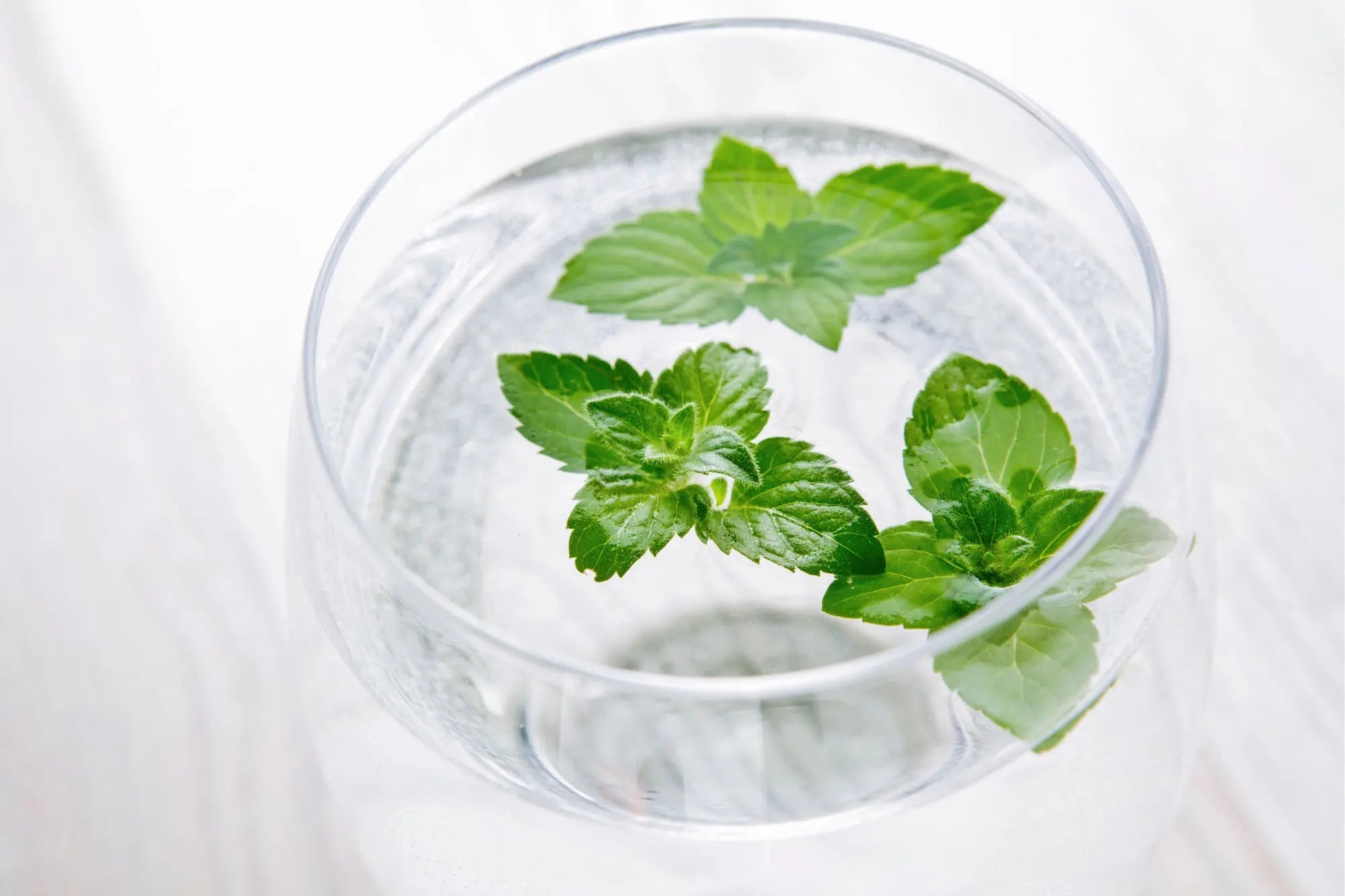 2018 review found peppermint oil may help relax abdominal muscles. A small 2020 study reported that enteric-coated peppermint oil reduced abdominal pain and IBS severity when released in the small intestine.
It also offers antimicrobial, anti-inflammatory, and calming effects on nerves.
How to use it: Sip as a tea, take capsules, or make a cooling spritzer to mist on your skin (recipe below).
Rose
Although not technically an herb, rose is valued in herbal traditions for its anti-inflammatory traits.
A 2017 review suggested rose may:
- alleviate pain
- soothe burns
- reduce depressive symptoms
- ease anxiety
- improve sexual dysfunction
Most research is animal-based, and larger human trials are required.
How to use it: Use rose in aromatherapy, rose water, or as a fragrant tea.
Lavender
 2013 research) indicate lavender may help with:
- anxiety
- depression
- insomnia
- migraine
How to use it: Diffuse it, apply diluted oil topically, or add to baths and beverages.
Dill
Dill is a culinary herb traditionally credited with antioxidant, antiparasitic, antibacterial, and anticancer properties. A 2016 study suggested dill may soothe stomach upset and support diabetes management.
How to use it: Use dill in soups, stews, dressings, dips, and as a garnish for potatoes and omelets. It’s also a classic flavoring for pickles.
Pro tip: Because pickles are fermented and sour, they’re usually considered warming — so they may not be ideal when seeking cooling foods.
Chamomile
 2017 review listed potential uses for chamomile, including treatment of:
- wounds, skin irritations, eczema, bruises, burns, and rashes
- nerve pain like neuralgia and sciatica
- rheumatic pain and gout
- ulcers, canker sores, and hemorrhoids
- headache and migraine
- mastitis and cracked nipples
- eye infections and blocked tear ducts
More human research is necessary to confirm these findings.
How to use it: Drink as tea or apply chamomile oil topically to ease skin and joint discomfort.
Lemon verbena
Lemon verbena (Aloysia citrodora) has several reported properties, according to 2018 research:
- antioxidant
- anxiolytic
- neuroprotective
- anticancer
- anesthetic
- antimicrobial
- sedative
Traditionally used for diarrhea, gas, insomnia, and rheumatism, lemon verbena still needs more thorough human safety and efficacy assessment.
How to use it: Its lemony flavor works well in jellies, sauces, pestos, and teas.
Chickweed
A 2020 review noted chickweed’s traditional uses for:
- obesity
- diabetes
- skin infections
- inflammation
- gastric ulcers
- stomach cramps
- pain
- anxiety
Many studies are animal-based; more human research is required.
How to use it: Apply chickweed topically, infuse it in oil, brew it as a tea, or eat it raw or cooked.
Cardamom
Cardamom is a fragrant spice central to Indian cuisine.
A 2020 review found cardamom consumption significantly reduced triglycerides in humans, suggesting a potential role in metabolic health.
How to use it: Use cardamom in cooking, baking, curries, or chai tea and in sweet recipes like gingerbread.
Elderberry
Elderberries are rich in vitamin C, fiber, and antioxidants.
2017 research suggests elderberries have antiviral and antimicrobial qualities that may help against illnesses like the flu.
Both the flowers and berries carry beneficial compounds.
How to use it: Elderberry is popular in syrups and gummies for immune support, and can be used in jams, wines, and mocktails.
Hibiscus
Hibiscus flowers are attractive and versatile for remedies.
A 2020 study indicated hibiscus tea’s phytonutrients may benefit:
- cardiovascular health
- inflammation
- oxidative stress
- insulin resistance
Longer, larger human trials are still needed.
How to use it: Brew hibiscus into a vivid red tea or add flowers to relishes, jams, and salads.
Lemongrass
Lemongrass is another cooling herb with a citrus scent. A 2017 study found lemongrass helped reduce skin inflammation in human trials.
How to use it: Common in Thai and Southeast Asian dishes, lemongrass is great in soups, curries, aromatherapy, or brewed as tea.
Goldenseal
Goldenseal has traditionally been used for infections and inflammation due to its cooling and antibacterial properties. Indigenous peoples have used it for:
- wounds
- digestive problems
- ulcers
- skin and eye conditions
- cancer
How to use it: Goldenseal appears in lotions, drops, sprays, eyewashes, and feminine hygiene products. It’s available as tea, tincture, extract, or powder — consult a qualified herbalist for dosing guidance.
Oregon grape
Oregon grape is used in TCM for heat-related conditions such as:
How to use it: Many take Oregon grape as a tincture due to its bitterness. You can also consume the tart berries or prepare a tea.
Catnip
Catnip isn’t just for felines. It has been used traditionally to calm nervousness, ease rheumatic pain, and lower blood pressure; it’s sometimes used for infant colic.
How to use it: Take catnip as a tincture or brew it as a tea. Though it can be smoked, that’s not an ideal method. And yes, you can share some with your cat for fun!
Aloe
Aloe is widely known for cooling and soothing sunburns.
A 2018 review noted aloe’s potential benefits when ingested as well, including:
- immune modulation
- blood sugar lowering
- anticancer
- gastroprotective
- antifungal
- anti-inflammatory
How to use it: Use aloe topically or add the gel to foods, smoothies, and drinks.
Not all parts of the aloe vera plant are edible. The gel inside the leaf and the skin are generally safe to eat after thoroughly rinsing to remove traces of latex, which can be harmful to pregnant people, those with digestive issues, and those on certain medications.
Recipes
Try adding cooling herbs to your diet or skincare routine with the recipes below.
Edible herbal recipes
Mint cilantro chutney
This cooling, sweet-savory chutney from Saveur highlights cilantro. For a stronger cooling effect, omit garlic and reduce chilies.
Lavender lemonade
Lavender lemonade is a refreshing drink that appeals to many. This honey-sweetened recipe from The Small Footprint Family is an easy way to enjoy fresh or dried lavender.
Agua de Jamaica
Agua de Jamaica (hibiscus iced tea) is a beloved Mexican refreshment. Zappin recommends this tart-sweet beverage for hot days. Try the concentrate recipe from The Mexican Food Journal.
Coconut rose beverage
Mannur favors a simple mix of organic rose syrup with coconut water for a floral, refreshing drink. Pomegranate syrup can also be used. Find a homemade rose syrup recipe at Lins Food.
Lemon dill cucumber noodles
These cucumber noodles combine dill’s cooling quality with cucumber’s hydrating crunch. Recipe from The Kitchn.
Strawberry mint water
Strawberry mint water is one of Zappin’s go-to drinks. Try this simple recipe from 2 Cookin Mamas. Muddle the strawberries for more flavor, he suggests.
Skin and body care recipes
Use these herbal preparations to cool off externally. Don’t ingest them unless specified.
Herbal sunburn cubes
Sunburn cubes combine aloe’s cooling power with plantain, violet, and witch hazel. See the recipe at Learning Herbs.
Peppermint rosemary body spray
Zappin likes a peppermint-rosemary body spray, though he points out rosemary is technically warming.
“Rosemary supports circulation,” he says. “Along with turmeric and ginger, it’s warming and moving, aiding inflammation and rejuvenation — there’s a paradox here.”
Try the basic formula at Key Ingredient, and experiment with lemon verbena, lavender, rose, or cucumber for cooling notes.
Buying herbs
Not sure where to find quality herbs? Look for reputable suppliers. Start with these trusted sources:
- Mountain Rose Herbs — a reliable online vendor for Western herbs.
- Banyan Botanicals — a go-to for Ayurvedic herbs and products.
- Five Flavors Herbs — co-founded by Benjamin Zappin and Ingrid Bauer, MD, MS.
More tips to cool off
Zappin and Mannur recommend a few dietary tweaks to help you stay cool:
- Choose vegetables with high water content, such as cucumber, cabbage, and lettuces.
- Eat lighter meals.
- Favor liquid-based dishes like soups and stews.
- Enjoy fruit, especially melons.
- Try adzuki or mung beans, which are considered refrigerant.
- Limit ice, which can blunt digestion.
- Prioritize sweet, astringent, and bitter foods.
Mannur reiterates that in Ayurveda, sweet taste is cooling, so lightly sweet drinks can be pleasant on hot days — but avoid excessive added sugar.
Takeaway
When temperatures climb, herbs offer a natural way to find relief.
Whether enjoyed as teas, salads, sauces, or sprays, these adaptable botanicals can help cool both body and mind while delivering additional health benefits.



















Leave a Reply
You must be logged in to post a comment.