

The duration of recovery following wisdom tooth removal varies based on factors like your age and whether the teeth were impacted. Most people recover in roughly 3 days to 2 weeks.
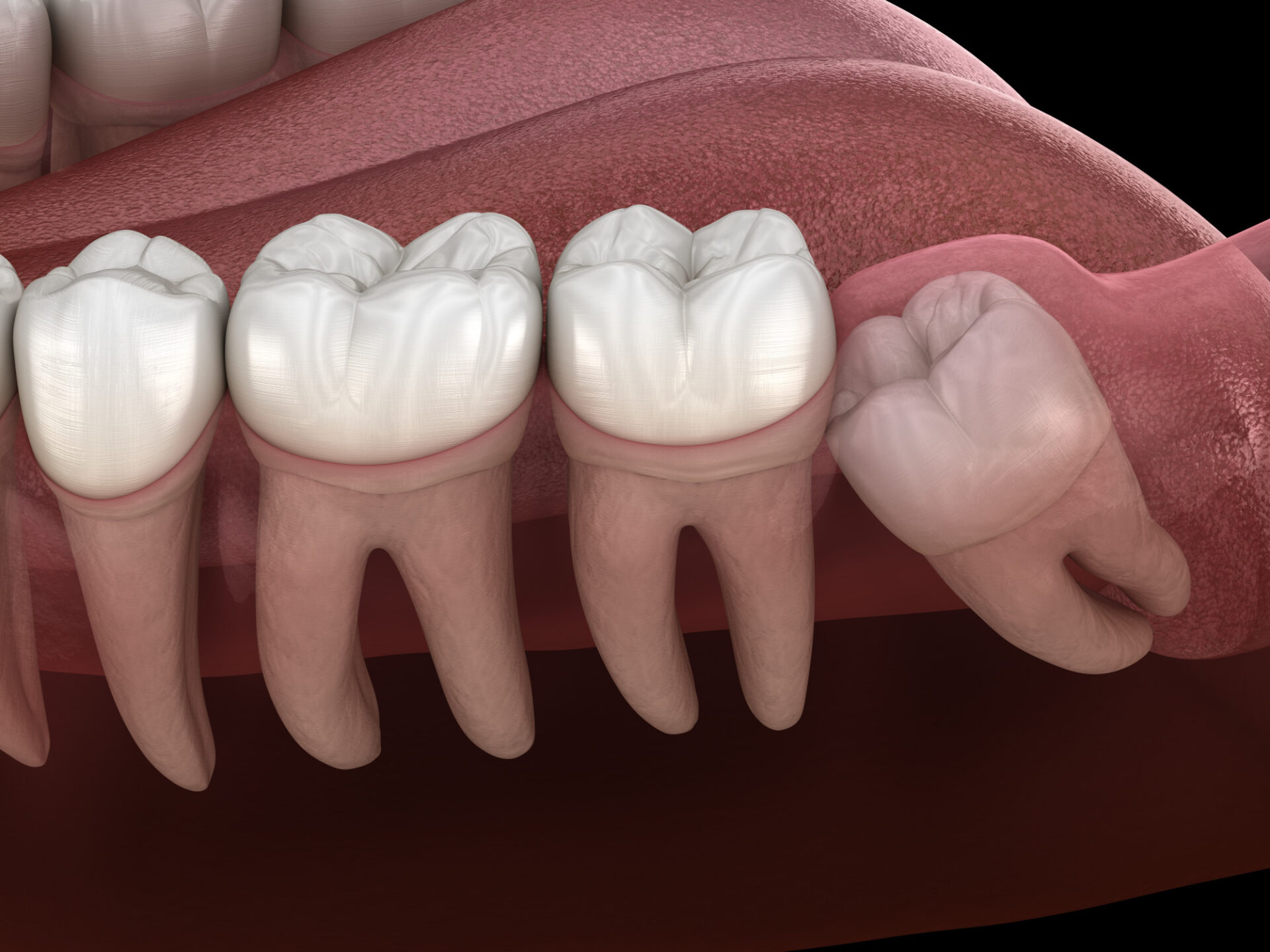
Wisdom teeth, also called third molars, are the last adult teeth to appear in the mouth. They erupt on the upper and lower jaws on both sides, typically between the ages of 17 and 25.
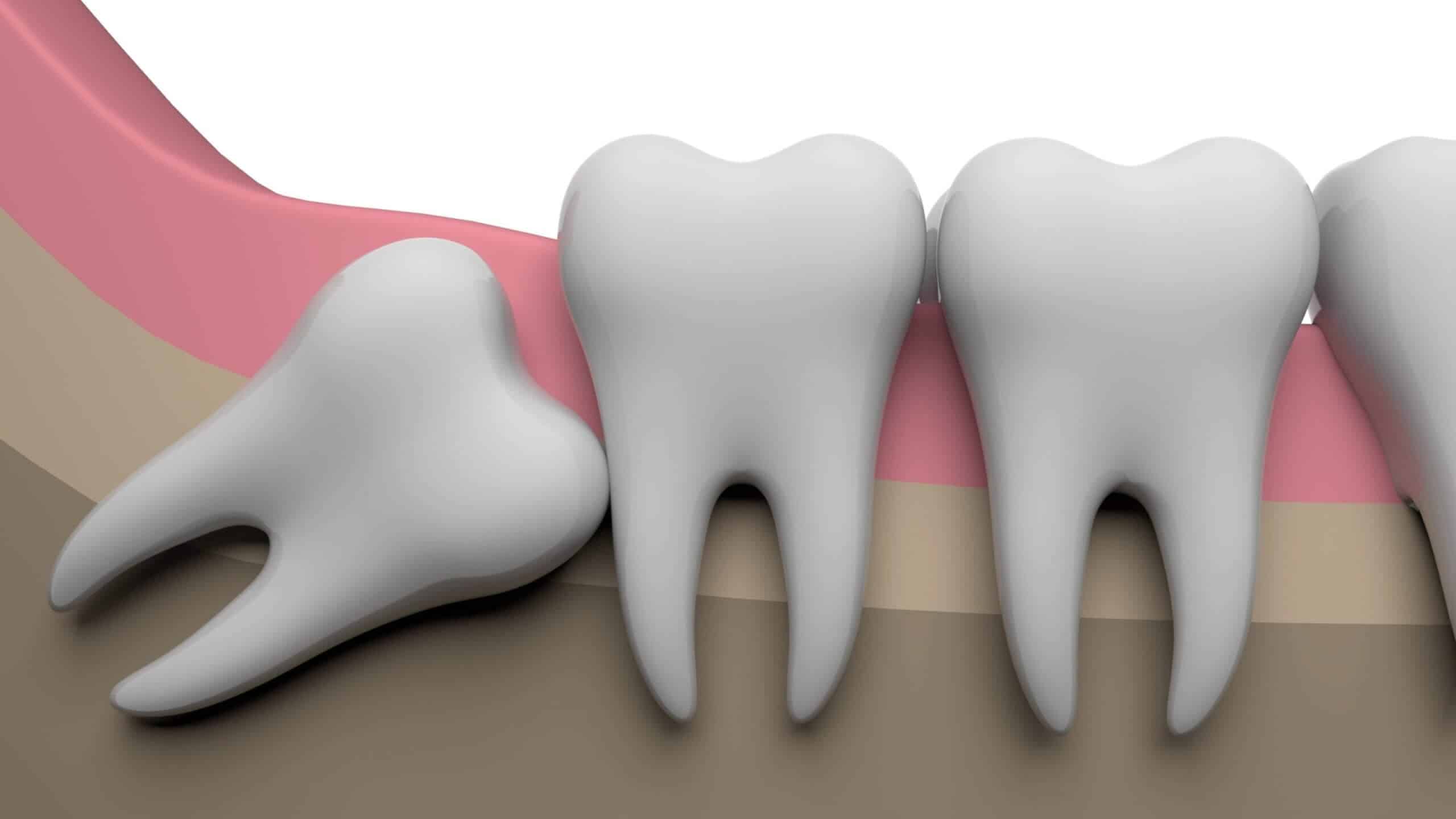
Almost 5 million wisdom tooth removals are performed each year in the United States. About half of these procedures extract all four wisdom teeth.
Although the surgery is frequent, the recovery timeline depends on:
- the number of teeth removed
- your age
- whether any tooth was impacted (meaning it remained below the gum line or wasn’t visible)
- whether complications arose during the operation
Keep reading to find out what to expect during the two weeks after wisdom tooth surgery.
What is the recovery timeline after wisdom tooth surgery?
Day 1
Wisdom tooth removal is an outpatient procedure that generally lasts about an hour.
Your oral surgeon will numb the area with a local anesthetic; if you’re anxious, general anesthesia or sedation (nitrous oxide or IV sedation) may be offered. After the operation, sensation will return slowly as the anesthetic dissipates.
Typical symptoms right after surgery include:
- bleeding, pain, and swelling in the mouth
- mild bruising and swelling of the cheeks
- trismus (reduced jaw opening or “lockjaw”)
- a strange taste in the mouth
- numbness, tingling, or diminished feeling in the mouth, cheeks, or face
If you receive sedation, arrange for someone to drive you home after the procedure.
Contact your oral surgeon or seek immediate care if you have severe pain or heavy bleeding.
Days 2–4
Swelling, pain, and cheek bruising may get worse in the first few days. It’s wise to take at least 1–2 days off from work or school to rest.
Symptoms should level off and gradually improve. When they become manageable, you can return to work or class.
If pain, bleeding, or oozing from the extraction site significantly worsens, contact your oral surgeon or another healthcare provider right away.
Days 5–14
By about day seven, most people are close to finishing their recovery. This often looks like:
- very little swelling, bruising, or pain in the mouth and cheeks
- almost normal jaw movement
- no lingering tingling, bleeding, or unpleasant taste
- a gradual resumption of physical activities
If your third molars were impacted, emerged at an awkward angle, or if complications occurred during surgery, full recovery may take up to 2 weeks.
| Days after surgery | Symptoms to expect |
|---|---|
| 0–1 | • swelling, pain, and bleeding in the mouth• mild cheek swelling and bruising• stiff, sore jaw• odd taste in the mouth• numbness, tingling, or reduced sensation in the mouth, cheeks, or face |
| 2–4 | • increased cheek swelling and bruising• stiff, sore jaw• diminished bleeding in the mouth• gradual return to daily routines and work |
| 5–14 | • reduced swelling, bruising, and pain in mouth and cheeks• near-normal jaw function• no more tingling, bleeding, or bad taste• progressive return to physical activity |
Optum Now is operated by RVO Health. By clicking on this link, we may receive a commission. Learn more.
What complications can happen after wisdom tooth extraction?
Dry socket can develop 3–5 days post-op. This occurs when the blood clot protecting the extraction site is dislodged or removed before healing, exposing bone or nerve endings.
Injury to the inferior alveolar or lingual nerves that run along the lower jaw is possible but less common.
Seek medical attention if you notice any of the following:
- difficulty swallowing or breathing
- fever
- pain that is not controlled by your medication
- worsening swelling, tingling, or numbness
- blood or pus draining from your nose
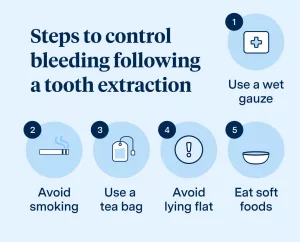
- bleeding at the extraction site that does not stop when gauze is applied with pressure
What home care can help recovery after wisdom tooth removal?
Activity
Avoid disturbing the blood clot that forms in the socket or irritating stitches. Like any scab, the clot shields and heals the wound.
During the first 24 hours, do not:
- consume alcohol, caffeine, or hot beverages
- chew on food
- use a straw
- smoke
- use tobacco products or vape
- rinse your mouth or spit
After the initial 24 hours, you can resume normal activities but continue to avoid anything that could displace stitches or the clot, including:
- heavy lifting or intense exercise
- smoking
- swishing or spitting
- drinking through a straw
- chewing hard or sticky foods
When pain and swelling subside, you can slowly reintroduce exercise. If you participate in contact sports or high-intensity activities, consult your oral surgeon about the right time to resume.
Oral hygiene
Good mouth care lowers the risk of infection and other complications.
Immediately after surgery, you’ll have gauze in place. Your oral surgeon will give you specific guidance on caring for your mouth during recovery. This may include avoiding brushing, rinsing, or flossing for a full day.
Once the first 24 hours have passed, common cleaning steps include:
- Gently rinse with salt water or an antiseptic mouthwash. Don’t vigorously swish or spit. Instead, tilt your head from side to side, then let the liquid fall out into the sink.
- Carefully brush and floss the other teeth.
- Lightly blot the wound with gauze to absorb excess blood.
How is pain managed after wisdom tooth extraction?
The main strategies to control pain and reduce swelling are applying ice and taking pain medications.
Your oral surgeon may prescribe analgesics or antibiotics to help with pain, inflammation, and infection prevention. Follow their directions closely and finish any prescribed antibiotics.
They may also suggest over-the-counter options such as ibuprofen or acetaminophen.
Home measures, like applying ice to the area or using an extra pillow while sleeping, can also ease discomfort.
What foods and drinks are safe after wisdom tooth removal?
Proper hydration and nutrition support healing. Ask your oral surgeon what you can safely eat starting the day after surgery.
Aim to avoid disturbing the clot or stitches. Begin with very soft foods such as:
- cottage cheese
- applesauce
- pudding
- soup
- mashed potatoes
- smoothies
Avoid:
- extremely hot or cold items
- nuts or seeds that could lodge in the socket
- drinking through a straw or slurping forcefully
- hard, crunchy, or spicy foods
After a few days, as you tolerate firmer foods, chew on the opposite side of your mouth. Always remember to gently rinse after eating.
Frequently asked questions
How many days should I take off for wisdom teeth recovery?
It’s advised to take at least 2 days off from work or school, including the day of surgery. If your job involves physical labor, consider taking 3–4 days.
Return to work and daily routines gradually.
Is 3 days enough to recover from wisdom teeth removal?
Some people feel largely recovered after 3 days. However, full recovery can take up to 2 weeks for others, especially if there were surgical complications.
What day is wisdom tooth pain the worst?
Pain tends to peak on days two and three after extraction, once the anesthetic has worn off.
If you notice a sharp rise in pain, bleeding, or drainage between days three and five, contact your oral surgeon—this could indicate dry socket, which is painful and may require treatment.
Takeaway
Removing wisdom teeth is a common procedure to address or prevent issues with the last molars. Recovery often takes about a week but can extend to 2 weeks for some individuals.
Following post-operative instructions closely helps lower the risk of infection and other complications.

















Leave a Reply
You must be logged in to post a comment.