

Transparent or translucent teeth are typically a sign that tooth enamel has worn away. This can happen because of frequent consumption of acidic foods and drinks, gastroesophageal reflux, or repeated vomiting.
A protective layer of enamel shields your teeth, but certain medical issues and dietary habits can cause this layer to deteriorate over time.
As enamel diminishes, teeth can take on a clear or see-through appearance.
When left untreated, enamel erosion can spread across affected teeth, making them appear thin and more translucent. Once the protective enamel is gone, teeth become vulnerable to structural damage.
Because enamel loss is irreversible, treatment focuses on stopping further erosion. That’s why seeing your dentist as soon as you notice tooth transparency is essential.
Keep reading to learn about the signs and contributors to transparent teeth, and when you should seek professional dental care.

Causes
Transparent teeth are one indication of enamel erosion, which can result from:
- Acidic foods and beverages. Regular intake of highly acidic items can accelerate enamel wear, leading to translucent teeth. Examples include citrus fruits, coffee, sodas, and candy.
- Acid reflux. Recurrent exposure to stomach acid can erode enamel. If untreated, reflux can develop into gastroesophageal reflux disease (GERD), which may increase acid exposure and worsen enamel loss.
- Frequent vomiting. Chronic vomiting from conditions such as bulimia and alcoholism, as well as acute causes like pregnancy-related morning sickness, can expose teeth to stomach acid repeatedly.
- Enamel hypoplasia. This hereditary disorder results in inadequate mineralization, an essential process for forming strong enamel. People with this condition may have very thin enamel and translucent teeth.
- Celiac disease. This autoimmune disorder causes intestinal injury after consuming gluten. While gastrointestinal symptoms like bloating and diarrhea are common, many individuals with celiac disease also exhibit transparent teeth.
- Dry mouth. Reduced saliva can contribute to enamel erosion and translucent teeth. Dry mouth may occur due to medical disorders such as Sjögren’s syndrome or diabetes, from certain medications, or with aging.
Optum Now is operated by RVO Health. By clicking on this link, we may receive a commission. Learn more.
Treatments
When teeth are very thin and translucent, dental interventions may be needed to prevent further issues like fractures or extensive wear.
Treatment depends on how much enamel has been lost. Your dentist may suggest one of the following options.
Bonding
For this procedure, a tooth-colored composite resin is applied to the affected teeth.
Bonding addresses cosmetic concerns from translucent teeth and creates a hardened, natural-looking protective layer that helps guard against further enamel loss.
Bonding is appropriate for teeth with mild to moderate discoloration or damage.
Crowns
If teeth are extremely thin, fragile, or chipping near the edges, crowns may be recommended. Dental crowns cover the tooth, restoring strength and protection.
Depending on your insurance and budget, porcelain crowns may be an option for a more natural aesthetic.
Veneers
Veneers act like shells placed over teeth and can address mild to moderate discoloration and damage.
Because veneers replace the protective surface of natural enamel, they can also help prevent additional enamel erosion.

Home remedies
If enamel loss is mild, your dentist might advise home-based approaches aimed at halting further erosion and preventing increased tooth transparency.
It’s important to remember that once enamel is gone, no home remedy or natural therapy can truly restore it.
However, you can adopt habits that encourage remineralization — the process of depositing minerals back into enamel to support its strength.
Discuss these steps with your dentist:
- drinking lactose-free milk to increase calcium intake and neutralize acidity
- adding probiotic-rich yogurt to your meals
- taking calcium or vitamin D supplements if dietary intake is insufficient
- increasing daily water intake
- switching to a toothpaste that contains fluoride and promotes remineralization
- using prescription-strength fluoride or receiving fluoride treatments in the dental office
Prevention
Maintaining good oral care can help reduce your risk of developing translucent teeth, though effectiveness depends on the underlying reason for enamel loss.
Conditions like celiac disease and enamel hypoplasia can make it difficult to fully prevent transparent teeth.
Nevertheless, you may be able to prevent enamel thinning from acid exposure by:
- drinking more water to increase saliva thickness
- chewing sugar-free gum between meals to stimulate saliva
- using a straw when drinking acidic beverages, when feasible
- cutting back on acidic drinks such as coffee, soda, and lemonade
- rinsing your mouth with water after eating or drinking acidic items
- waiting at least 1 hour before brushing your teeth after consuming acidic foods or drinks
- avoiding acidic foods and beverages if you have acid reflux
- reducing sugary foods that contribute to tooth decay
Support overall dental health by brushing twice daily and flossing once a day. Also schedule routine dental exams and cleanings every six months.
When to contact a dentist
Contact your dentist as soon as you notice tooth color changes, including transparency. If ignored, discoloration can progress to more serious problems like indentations or fractures.
Reach out to your dentist if you experience any changes in oral health. These symptoms can be early indicators of enamel erosion:
- canker sores
- dry mouth
- tooth discoloration
- tooth pain
- tooth sensitivity
If enamel erosion is suspected, your dentist will review treatment options based on how extensive the damage is and whether the underlying teeth have additional problems.
The bottom line
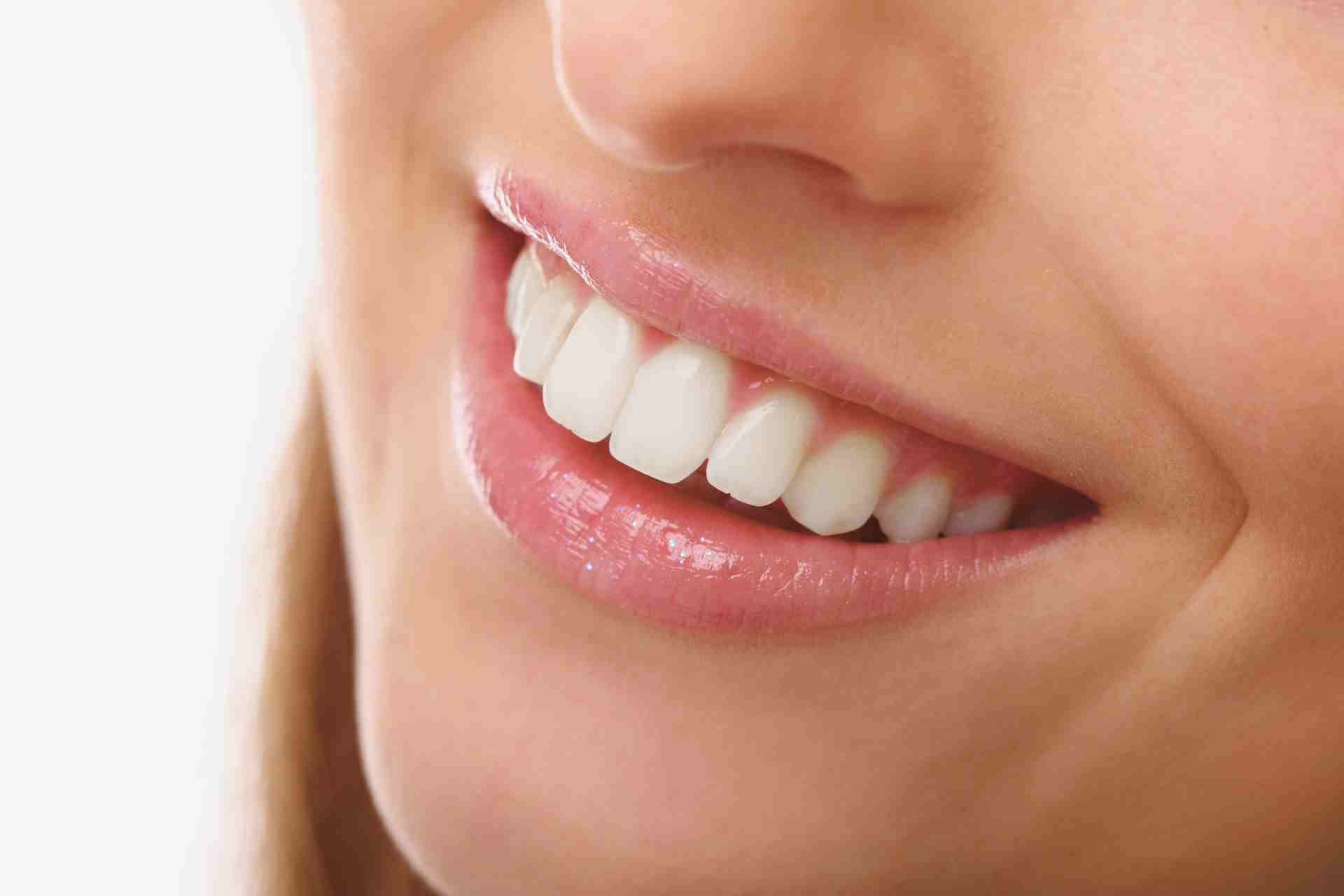
Teeth that look transparent often point to early enamel erosion.
Addressing this issue promptly is important because enamel loss cannot be reversed. Contact your dentist to prevent further complications.
Ideally, your dentist can spot early signs of enamel erosion during regular six-month checkups.
Meanwhile, monitor any changes to your teeth at home between visits and make an appointment right away if you notice anything unusual.





















Leave a Reply
You must be logged in to post a comment.