What Do Swollen Lymph Nodes in the Armpit Look Like?


- Pictures of swollen lymph nodes in the armpit
- How to check for a swollen lymph node in the armpit
- What does having swollen lymph nodes mean?
- Viral infection
- Bacterial infection
- Immune system disorder
- Cancer
- Medications
- How long do swollen lymph nodes last?
- When to connect with a doctor
- Home remedies for swollen lymph nodes
- Frequently asked questions
- What does a cancerous lymph node in the armpit look like?
- How to tell the difference between a swollen lymph node and a lump?
- Can deodorant cause swollen lymph nodes?
- The bottom line
Swollen lymph nodes beneath the armpit can signal an infection, minor injury, or an underlying medical condition that may need professional evaluation. In most situations, however, this swelling is not related to cancer.
If you’re wondering What causes enlarged lymph nodes under armpit, it helps to understand how the lymphatic system works. Lymph nodes are essential components of your immune system. They filter harmful substances and house white blood cells known as lymphocytes, which help the body defend itself against infections and disease.
There are hundreds of small, bean-shaped lymph nodes distributed throughout the body, including in the:
- neck
- armpit
- chest
- abdomen
- groin
Lymph nodes are generally 1 to 2 centimeters (cm) in size and sit deeper under the skin, which makes them difficult to feel. You may notice them more easily if you’re very lean or if they become swollen due to inflammation or infection.
Below, you’ll learn how swollen lymph nodes in the armpit may look and feel, how to examine them, and when to seek medical advice.
Pictures of swollen lymph nodes in the armpit
A mildly enlarged lymph node in the armpit may not be visible, though you might detect it by touch. More significant infections or medical issues can cause one or more nodes to enlarge enough to form a noticeable lump under the skin. If you’re unsure what this looks like, reviewing Cancer pictures of swollen lymph nodes in armpit may provide visual context.
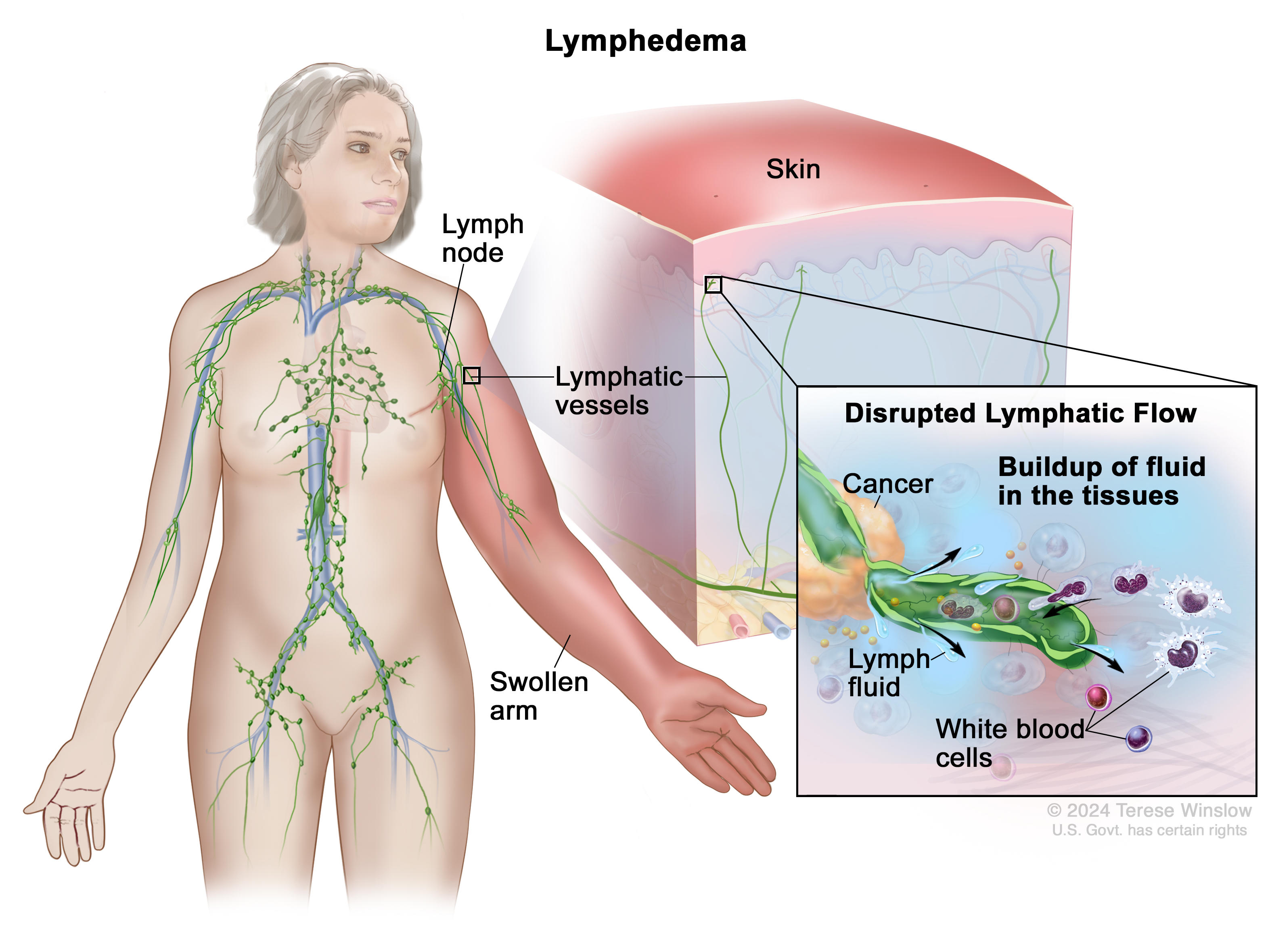
It’s important to remember that the armpit contains many nodes . Swelling can occur toward the front, middle, or back of the armpit, and even extend along the upper arm near the axilla.
Besides enlargement, an affected lymph node may feel tender or painful when touched. Redness or warmth over the area can also occur, especially if infection is present.
How to check for a swollen lymph node in the armpit
To examine for swelling, slightly raise your arm and gently place your fingers high into your armpit.
Press your fingertips into the center of the armpit and move them slowly toward the front and back, following along the chest wall. Repeat the same steps on the opposite side to compare.
Lymph nodes exist in pairs , meaning there is typically one node on each side of the body. Often, only one node in a pair becomes enlarged. Comparing both sides can make it easier to identify subtle differences.
When swollen lymph nodes appear in multiple regions of the body, the condition is called generalized lymphadenopathy , which can indicate a systemic illness. Swelling limited to one area, such as the armpit, is known as localized lymphadenopathy.
The United Kingdom’s National Health Service (NHS) advises checking your lymph nodes once per month , particularly if you have concerns about persistent swelling.
What does having swollen lymph nodes mean?
The location of swollen lymph nodes often provides clues about the underlying cause. For example, enlargement in the neck commonly points to an upper respiratory infection.
When considering What causes enlarged lymph nodes under armpit, the following possibilities are among the most common:
Viral infection
Many viral illnesses can cause one or more lymph nodes in the armpit to swell, including :
- flu
- common cold
- mononucleosis
- herpes
- rubella
- HIV
These infections may also enlarge lymph nodes in the neck or other areas. In most viral cases, supportive care—such as rest, hydration, and allowing time for recovery—is sufficient while the immune system clears the infection. For chronic viral infections like HIV, antiviral medications are typically required.
Bacterial infection
Common bacterial infections on the arm or nearby chest wall, particularly those involving Staphylococcus or Streptococcus, can result in swollen lymph nodes in the armpit.
Antibiotics, along with adequate rest, are generally effective in resolving bacterial infections and reducing lymph node enlargement. Prompt treatment may also prevent complications such as abscess formation.
Immune system disorder
Autoimmune diseases such as lupus, sarcoidosis, and rheumatoid arthritis can trigger temporary swelling of lymph nodes during flare-ups.
Treatment depends on the specific condition but may involve anti-inflammatory medications, pain relievers, or, in more severe cases, immunosuppressant drugs to control immune system activity.
Cancer
Some cancers directly affect the lymphatic system. For example, lymphoma originates in the lymph glands, while leukemia can lead to lymph node inflammation and swelling.
Cancers that begin in other tissues may spread to the lymphatic system, a process known as metastatic cancer. Breast cancer, for instance, may cause enlarged lymph nodes in the armpit. In such cases, doctors may evaluate for Cancerous lymph nodes in armpit using imaging studies or biopsy.

Lymph nodes that are hard, fixed in place, and progressively enlarging may raise suspicion for malignancy. Treatment options vary and can include chemotherapy, radiation therapy, surgery, targeted therapy, or a combination of approaches.
Medications
Although uncommon, certain medications could cause lymph node swelling. These include:
- angiotensin converting enzyme (ACE) inhibitors, beta-blockers, and vasodilators to treat high blood pressure
- anticonvulsant drugs, including phenytoin and primidone
- anti-malarial drugs, including quinidine
- uric acid reducers, like allopurinol
Adjusting the dose or switching to an alternative medication under medical supervision may help alleviate this side effect.
How long do swollen lymph nodes last?
The length of time lymph nodes remain enlarged depends largely on the root cause.
Swelling linked to a viral illness such as the common cold may take 1 to 2 weeks to subside.
With most bacterial infections, improvement typically begins within a few days of starting antibiotics. Some viral infections, however, can cause prolonged swelling.
If other symptoms improve but the lymph nodes remain enlarged, consult a healthcare professional. They may monitor the nodes for 3 to 4 weeks to determine whether they resolve on their own.
Lymph nodes that are swollen for less than 2 weeks or remain unchanged for more than 1 year are generally considered benign (noncancerous). Diagnostic testing may still be performed to confirm this assessment.
When to connect with a doctor
Speak with a healthcare professional if you notice any of the following :
- One or more lymph nodes are swollen without a clear reason.
- The swelling persists or worsens over 1 or more weeks.
- The node feels hard and immovable when pressed.
- The swollen lymph nodes are not painful.
- You have enlarged nodes in multiple areas, such as the armpit and groin.
- You experience additional symptoms, such as discoloration or fluid oozing around the node, fever, cough, night sweats, unexplained weight loss, or pain elsewhere in the body.
These signs may indicate a need for further medical evaluation, imaging, or laboratory testing.
Home remedies for swollen lymph nodes
Swollen lymph nodes often improve once the underlying cause is addressed.
To help your immune system function optimally, prioritize rest, stay well-hydrated, and follow all prescribed treatment instructions. Supporting overall wellness through balanced nutrition and adequate sleep can also aid recovery.
If the area feels sore, applying a warm compress may reduce discomfort. Over-the-counter (OTC) pain relievers such as acetaminophen (Tylenol) can also help manage mild pain.
If swelling or pain intensifies or fails to improve, seek medical advice for further assessment.
Frequently asked questions
What does a cancerous lymph node in the armpit look like?
A cancerous lymph node in the armpit may feel firm or hard to the touch and is often immovable. In contrast, a noncancerous lymph node is usually softer, more rubbery, and slightly mobile.
A cancerous lymph node in the armpit may feel firm or hard to the touch and is often immovable. In contrast, a noncancerous lymph node is usually softer, more rubbery, and slightly mobile.
How to tell the difference between a swollen lymph node and a lump?
Only a healthcare professional can accurately distinguish between a swollen lymph node and a lump or tumor using diagnostic tools such as ultrasound and biopsy.
Only a healthcare professional can accurately distinguish between a swollen lymph node and a lump or tumor using diagnostic tools such as ultrasound and biopsy.
Can deodorant cause swollen lymph nodes?
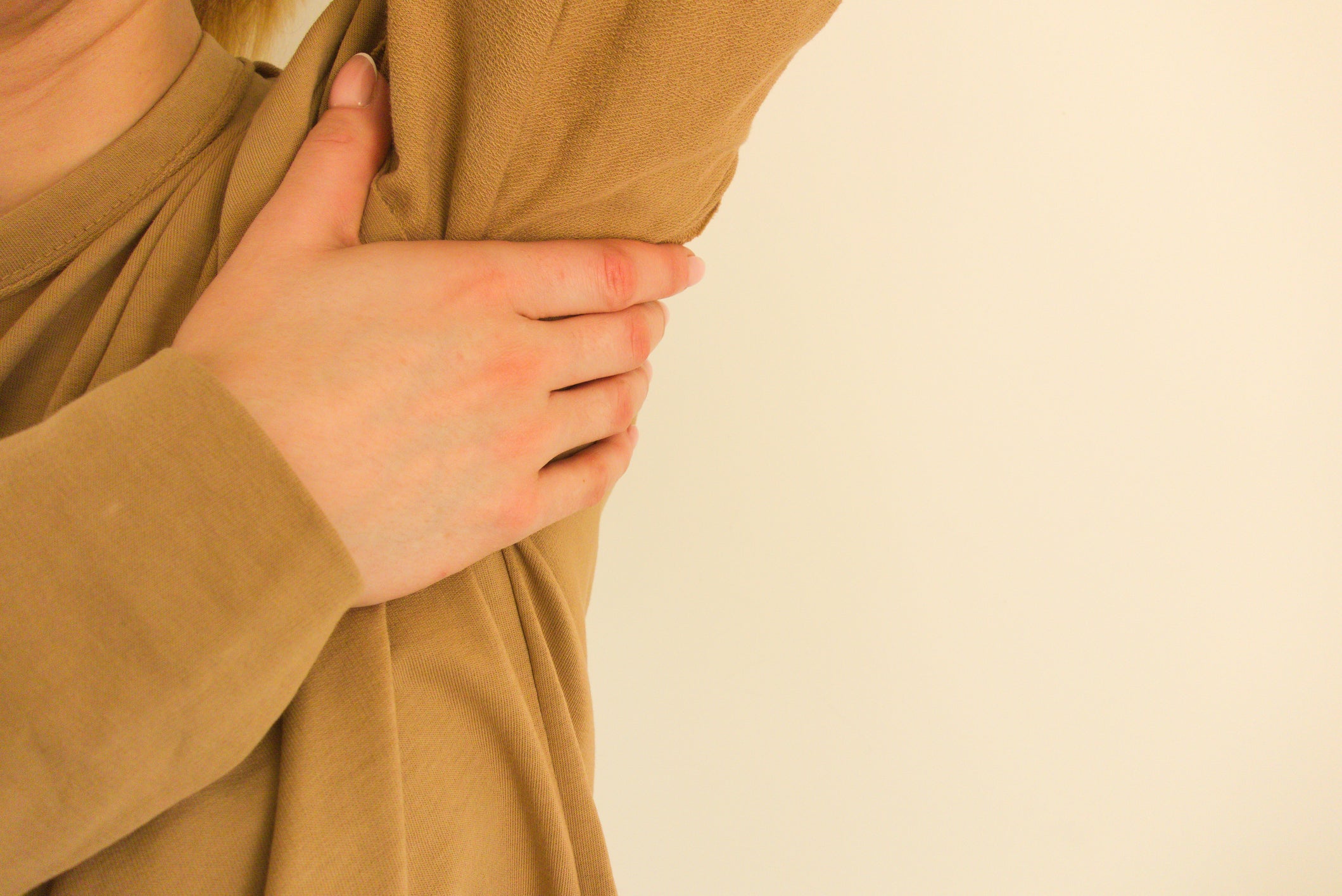
Yes, deodorant can lead to swollen armpit lymph nodes if you are allergic to one of its ingredients or if it is applied over broken skin that subsequently becomes infected.
Yes, deodorant can lead to swollen armpit lymph nodes if you are allergic to one of its ingredients or if it is applied over broken skin that subsequently becomes infected.
The bottom line
In most cases, enlarged lymph nodes are a sign that your immune system is actively responding to infection or another health concern. Understanding What causes enlarged lymph nodes under armpit can help you determine whether simple monitoring is appropriate or if medical care is needed.
If you’re recovering from a mild illness like a cold and notice slight swelling under your armpit, observe the area for a few days. The swelling often decreases as your symptoms improve.
However, unexplained, persistent, or worsening enlargement—especially when accompanied by other concerning symptoms—should prompt a visit to a healthcare professional. A thorough evaluation can identify the cause and guide appropriate treatment.
General Questions
The most common causes include viral infections (like flu or cold), bacterial infections (from skin or nearby areas), immune system disorders (such as lupus), certain medications, and, less commonly, cancers like lymphoma or metastatic breast cancer.
Gently raise your arm and place your fingers high into the armpit. Press your fingertips into the center and move them slowly toward the front and back along the chest wall. Compare the feel with the opposite side to detect any enlargement or tenderness.
Consult a healthcare professional if swelling persists or worsens over a week, if nodes feel hard and immovable, if swelling occurs without a clear reason, or if accompanied by fever, night sweats, unexplained weight loss, or nodes in multiple body areas.
Swelling from a common viral infection often subsides within 1 to 2 weeks. Bacterial infection-related swelling usually improves within days of starting antibiotics. Persistent enlargement beyond 3-4 weeks should be evaluated by a doctor.
Yes, deodorant can cause swelling if you have an allergic reaction to an ingredient or if it is applied over broken skin, leading to a localized infection that triggers the lymph nodes.




Related Posts

Are There Benefits to Using Almond Oil on Your Face?
Jul 30, 2026 • 18 min read
Does Flaxseed Really Work for Beautiful Hair?
Aug 4, 2026 • 22 min read
About Prickly Pear Seed Oil
Aug 17, 2026 • 19 min read
Thinking About a Septum Piercing? Here’s What to Expect
Aug 19, 2026 • 16 min read
Proper Dosage for Botox Treatment on the Forehead, Eyes, and Glabella
Aug 20, 2026 • 25 min read