
Overview
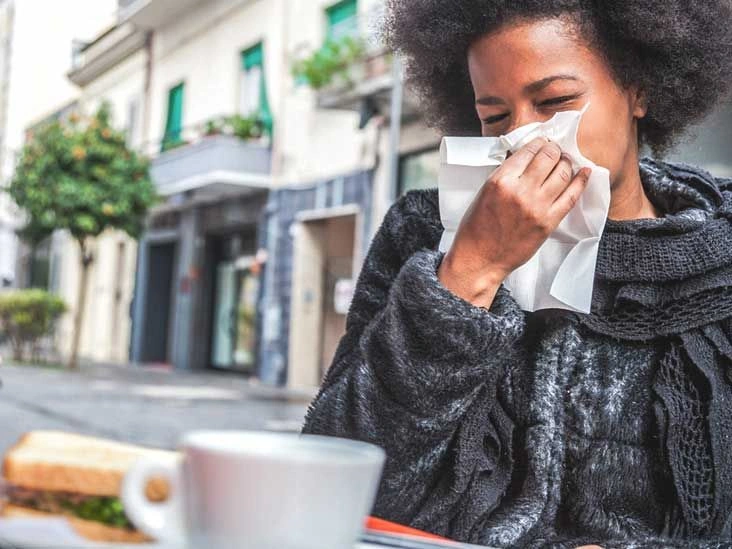
Sneezing is a natural reflex that occurs when your upper respiratory tract—particularly the nasal passages—becomes irritated. If you frequently notice sneezing after meals, you may wonder how something you eat could trigger a reaction in your nose. In many cases, specific foods or consuming very large portions can stimulate nasal irritation and lead to symptoms.
If you’ve been searching for information about Allergy to spicy food symptoms, it’s important to understand that not all post-meal sneezing is caused by a true food allergy. In fact, several nonallergic conditions can mimic allergy-like reactions. Below, you’ll learn why sneezing can happen after eating and what steps you can take to reduce or prevent these episodes in the future.
Gustatory rhinitis
When you’re allergic to a substance such as pollen, your immune system mounts a defensive response. This reaction can result in allergic rhinitis.
Rhinitis is the medical term used to describe inflammation of the mucous membranes inside the nose. This inflammation can cause sneezing, nasal congestion, and a runny nose. Rhinitis is generally classified as allergic or nonallergic, depending on whether the symptoms are triggered by an immune system response.
Gustatory rhinitis falls under nonallergic rhinitis and occurs after eating certain foods—most commonly spicy or hot dishes. Alcohol consumption may also provoke a flare-up of gustatory rhinitis symptoms.
Common triggers of gustatory rhinitis include:
- hot soups
- wasabi
- hot peppers
- curry
- salsa
- horseradish
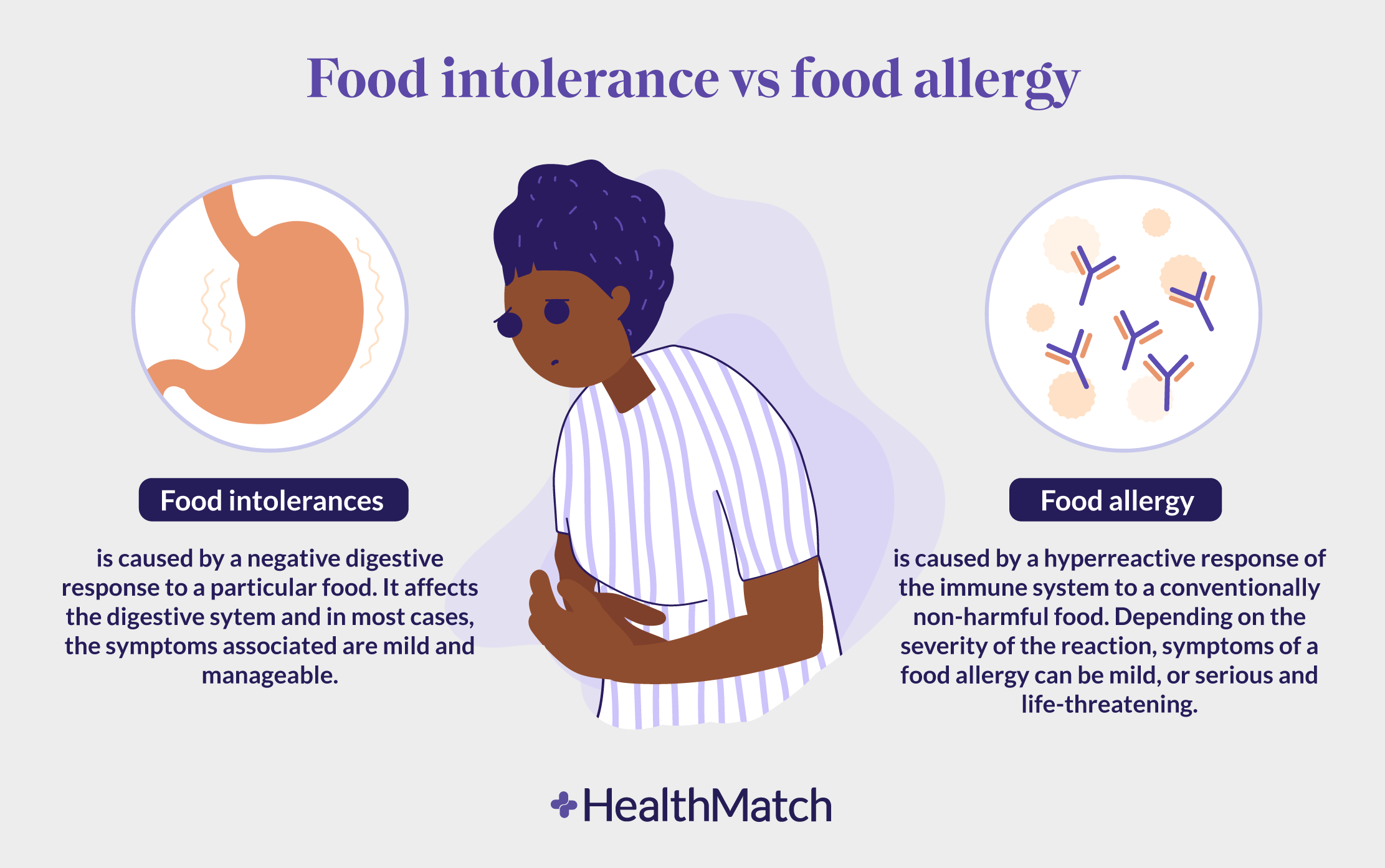
Although gustatory rhinitis is most frequently linked to spicy or heated foods, other food items may provoke symptoms in some individuals. People who experience burning sensations around the mouth or Lip irritation from spicy food may also notice accompanying nasal symptoms, which can sometimes be confused with Allergy to spicy food symptoms. However, unlike a true food allergy, gustatory rhinitis does not involve an immune-mediated reaction.

There’s currently no cure for gustatory rhinitis. Fortunately, it rarely causes serious health concerns. If sneezing becomes bothersome, consider keeping a detailed food journal to identify patterns between certain meals and your symptoms. Avoiding known trigger foods can significantly reduce episodes of post-meal sneezing.
Over-the-counter decongestants, such as pseudoephedrine (Sudafed), may also help relieve nasal congestion and control associated symptoms in some cases. Always follow dosing recommendations and consult a healthcare professional if symptoms persist.
Snatiation
Snatiation is a term formed from the words “sneeze” and “satiation,” meaning fullness after eating. It describes a relatively common yet not fully understood phenomenon in which individuals sneeze uncontrollably after consuming a large meal.
The condition was first described in a letter published in the Journal of Medical Genetics in 1989. Researchers detailed the case of a 32-year-old man who sneezed three to four times after every meal. He reported that multiple family members—including his father, grandfather, three brothers, one sister, an uncle, and a cousin—experienced similar symptoms, suggesting a possible hereditary component.
Additional cases of snatiation have since been documented, although research remains limited. Evidence suggests that the condition is more closely related to stomach fullness than to specific food types. In other words, the volume of food consumed appears to be a more significant factor than whether the meal is spicy, sweet, or bland.
Snatiation is believed to have a genetic basis and does not typically result in health complications. If you observe that sneezing tends to follow especially large meals, consider eating smaller portions or pacing your meals more slowly to avoid becoming overly full.
Can I prevent sneezing after eating?
Neither gustatory rhinitis nor snatiation has a definitive cure. However, practical lifestyle adjustments can help minimize nasal irritation and reduce the frequency of sneezing after meals. Addressing underlying nasal inflammation and excess mucus production may offer meaningful relief.
To decrease mucus buildup in your nasal passages, try:
- drinking plenty of water to stay well hydrated
- using a saline nasal spray
- occasionally performing nasal irrigation with a neti pot
- running a humidifier in your home to maintain optimal indoor moisture levels
Depending on your specific triggers, you might also benefit from:
- eating several smaller meals throughout the day instead of a few large ones
- avoiding spicy foods if they consistently provoke symptoms
- limiting your alcohol intake
If you’re concerned that your symptoms may reflect a true food allergy rather than nonallergic rhinitis, watch for additional signs such as hives, swelling, difficulty breathing, or gastrointestinal distress. These symptoms are more consistent with a genuine allergic reaction and require medical evaluation. Distinguishing between Allergy to spicy food symptoms and nonallergic triggers is essential for appropriate management and peace of mind.
The bottom line
Sneezing after eating is a fairly common experience, though healthcare professionals do not yet fully understand all of its underlying causes. Gustatory rhinitis and snatiation are two recognized explanations, but both conditions require further research.
To better understand your personal triggers, keep a detailed record of what and how much you eat, along with the timing of your symptoms. Identifying patterns can help clarify whether spicy foods, alcohol, or large meals are contributing factors. Share this information with your doctor, who can help you determine whether you’re experiencing nonallergic rhinitis, snatiation, or possible Allergy to spicy food symptoms, and develop a tailored plan to manage your sneezing effectively.


















Leave a Reply
You must be logged in to post a comment.