
Wait—Why Change Your Thyroid Meds?
Let’s be real: nobody expects to wake up in the hospital, IV hooked up, a nurse saying you can’t have water, let alone your morning thyroid pill. But life happens. Surgery, flu, gut issues—suddenly, you’re “NPO” (nothing by mouth), and that little white tablet you rely on for steady energy is no longer an option.
I’ve watched a cousin go through this. Picture it: Monday, she’s sprinting for the bus; Tuesday, emergency appendix surgery—now, stuck in a hospital gown, wondering why she feels jittery or completely zapped. If you’ve ever felt that sense of “Wait, do they even remember my thyroid?!”—you’re not alone.
So, let’s talk about levothyroxine po to iv conversion. Because when your world gets flipped, and swallowing isn’t an option, it’s suddenly very, very important.
What’s The Big Difference Between PO And IV?
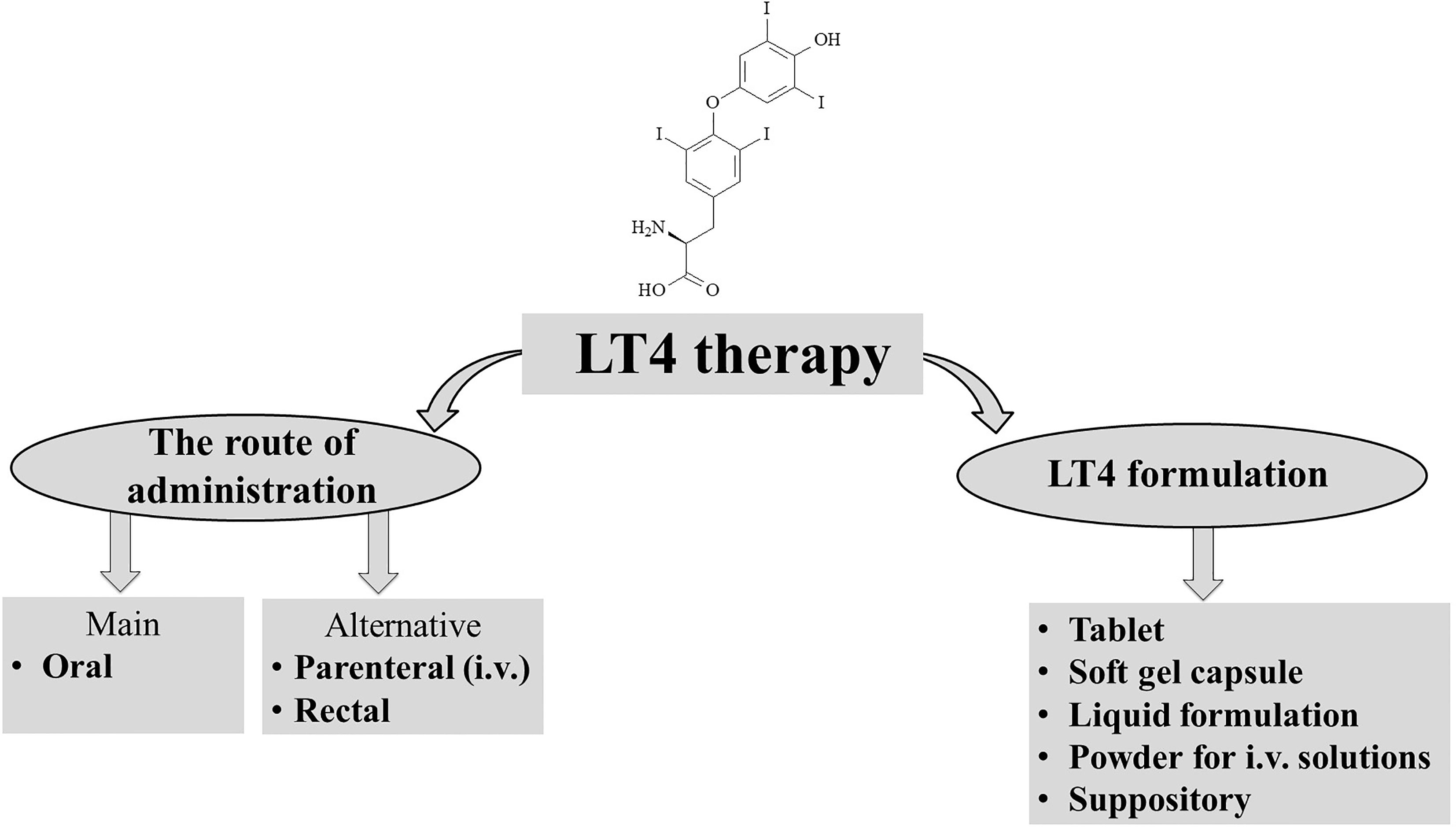
First—PO just means “by mouth.” IV is “intravenous”—straight into your bloodstream. Now, you might think: dose is a dose, right? Nope. Not with levothyroxine.
Here’s the kicker: your body actually soaks up much more of the hormone when it’s delivered by IV. Oral meds have to fight their way through your GI tract, dodge coffee and calcium, and only part of that dose gets where it needs to go. But IV? It’s like a VIP pass—100% bioavailability.
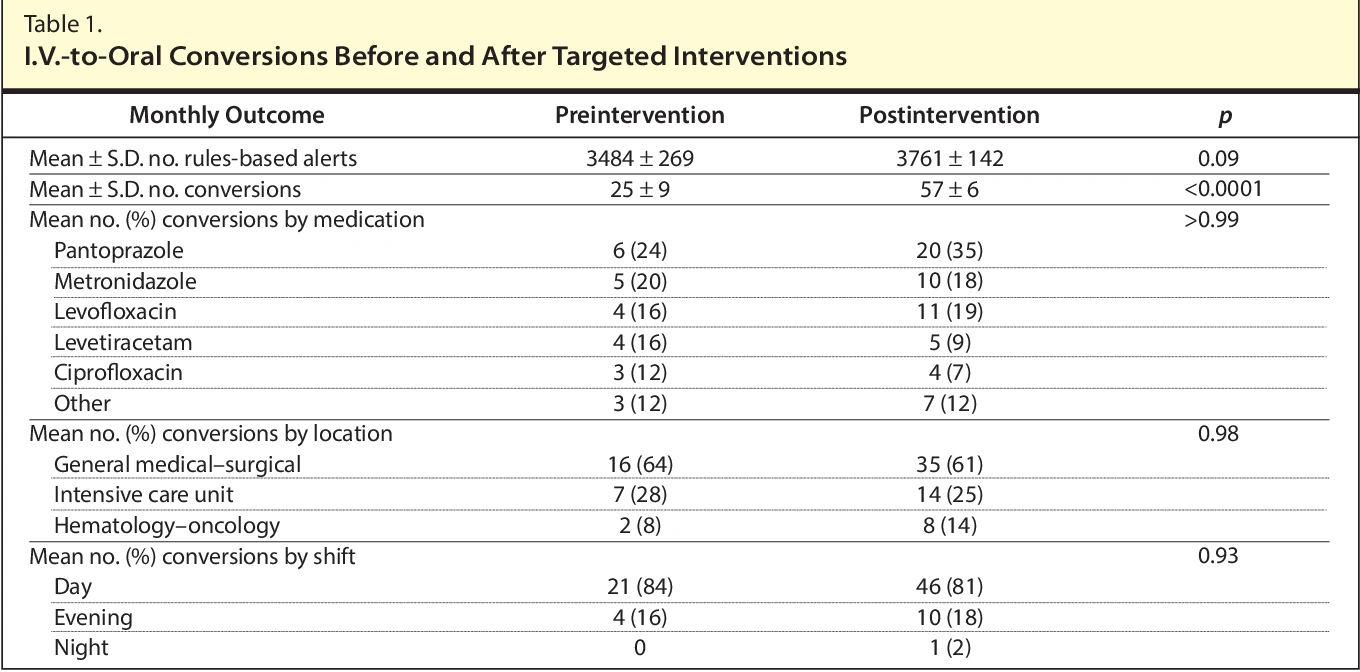
This means doctors have to give you less medicine when using IV. Like, 25% less in a lot of cases (explained here). Makes sense, right?
So How Do They Figure Out The Right Dose?
Here’s what’s wild: there’s a formula for this stuff. Most doctors (and all the best guidelines) say your IV dose should be about 70–75% of your regular oral doselevothyroxine po to iv conversion. (Remember: not every hospital does this the exact same way, but this is the sweet spot the experts agree on.)
For example, if you take 100 micrograms a day by mouth, your IV dose should be… math alert… about 70–75 micrograms.
| Oral Dose (PO) | IV Dose (70%) | IV Dose (75%) | Notes |
|---|---|---|---|
| 50 mcg | 35 mcg | 37.5 mcg | Often rounded for ease |
| 100 mcg | 70 mcg | 75 mcg | Standard switch |
| 150 mcg | 105 mcg | 112.5 mcg | Sometimes individualized |
Story break: Why does this matter? My best friend got her IV dose wrong once (nobody checked the math), and she ended up anxious and flustered for a week. Please, double check it! This is the kind of everyday detail nobody warns you about… but it makes a real difference.
Okay, But Does Timing Matter?
Absolutely, yes. IV levothyroxine is given as a slow push (nobody’s racing here—you want calm, gentle absorption). Docs usually run it in over 2–3 minutes. Same time each day? That’s even better. Your body loves routine. Familiar, right?
Also—kids, older adults, anyone with heart issues: the docs may go even lower than 70%. Why? Safety first. Remember those hyperthyroid symptoms—heart racing, jitters, sweating? Better to start low and gently creep up.
When Do You Need To Worry About This Switch?
Take a sec… think about your own health journey or someone you care about. Ever been out cold for surgery? Trying to beat a bad stomach bug? Or yes, worst-case: stuck in the ICU, breathing through tubes, hospital lights always on? That’s the world of “NPO”… and that’s when this conversion suddenly matters.
Guidelines say: If you’re nil by mouth for more than 5 days, levothyroxine po to iv conversion is on the table (pun intended). Sometimes even earlier, depending on your thyroid numbers and how sick you are.
Let’s Compare—Mild vs. Critical Cases
Some folks are stable, just fasting for a quick surgery. Others might be battling serious hypothyroidism (think “myxedema coma”—as scary as it sounds).
| Situation | Why IV Might Be Needed | Conversion Ratio | Notes |
|---|---|---|---|
| Simple Post-op (routine surgery) | Can’t swallow pills, NPO | 0.7–0.75x oral dose | Often resumes oral in days |
| Severe Crisis (myxedema coma) | ICU, cannot use gut | Often use loading dose, then 0.7–0.75x maintenance | May need closer monitoring, special doctor orders |
Storytime again: My aunt, during chemo, had to stay NPO for over a week. Her doctors used this table exactly—her dose changed, but she felt more stable just knowing someone was paying attention to the numbers.
The Nitty Gritty: What Actually Happens in the Hospital?
Got a minute? If you ever have to do this switch, here’s the play-by-play:
- Doctor orders the right ratio (usually 70–75%).
- Pharmacist double checks. (Or should. Always ask!)
- Nurse reconstitutes the IV solution… usually mixing powder with saline. It’s all precise—safety first.
- They give it through your IV line, slow and steady.
- After a few days, they’ll check your labs—TSH and free T4. Some docs peek after 5–7 days, then adjust if needed.
Kind of a dance, right? Lots of players checking, double checking, hopefully all on the same team…
How Do You Know It’s Working?
Here’s where it gets emotional—because nobody wants a thyroid crash (or a sky-high thyroid surge) while stuck in a hospital bed.
Look out for these signs that your dose might be off:
- Suddenly anxious, sweaty, or heart racing? Could be too much.
- Super tired, cold all the time, brain fog? Maybe too little.
- TSH and free T4 labs out of your usual range.
Don’t be shy—ask your team if the dose got adjusted based on your levothyroxine po to iv conversion. Sometimes, you have to be your own advocate, even when bleary-eyed at 3 AM.
Oops—Common Slip-Ups (And How You Can Avoid Them!)
If this whole “conversion” thing feels intimidating, trust me—you’re not alone. Hospitals are busy, human, and sometimes, mistakes sneak in. Here’s what can go wrong (and what you can do):
- No dose cut: Doc forgot to lower the IV dose—leads to hyperthyroid symptoms (hello, jitters and sweats).
- Poor math: Nurse or pharmacist rounds up, not down—suddenly you’re a science experiment.
- No TSH check: Team forgets to re-test after the switch, so adjustments don’t happen promptly.
- Special populations: In elderly, heart patients—or with really sick folks—docs need to go even more conservative. Remind them if you fit any special group!
- Pill form resumed late: Sometimes, you can swallow again, but nobody puts you back on oral… so the “reduced” IV dose can under-treat you if kept too long!
Money Talk: Is IV More Expensive?
Short answer—yes, IV is pricier, both for the hospital and sometimes for the patient. There’s mixing, special handling, and way more nurse time. Some hospitals even put a “therapeutic hold” on IV use for stable patients to save on costs (economic evaluation). So if you’re just NPO briefly, don’t be surprised if your doctor delays the switch or looks for creative options (like using a feeding tube).
What’s This Mean For Your Fitness Or Wellness Routine?
If you’re here because you’re a runner, a yoga fan, or just like to feel at home in your skin, you know a wild thyroid means wild energy… or zero energy. Getting the levothyroxine po to iv conversion right keeps your metabolism steady, so you can return to your morning walks, gym sessions, or just “normal” home life sooner.
If you ever go in for surgery, have a baby, or land in the hospital for any reason—take a second to jot down your home thyroid dose. Let a buddy or loved one know, so if you’re too out of it, there’s someone to speak up for you. Doctors appreciate an informed patient (and you’ll feel less like a number on a chart).
Reflect, Share, Prepare—This Is Your Health!
So… have you or someone you know ever gone through a med switch during a hospital stay? Was it smooth sailing? Or did it feel like a bad plot twist? What would you do differently next time?
If you take away one thing from all this: be curious, ask questions, and remember the “math” if you ever need to switch from PO to IV. This is your body, your wellness, your life.
Wrapping It Up: You Deserve Steady Energy
Switching from oral tablets to IV levothyroxine isn’t something most of us plan for. But it happens. Know that the right conversion is always less (70–75% of your oral dose)—and both your energy levels and heart will thank you for it. Watch for symptoms, speak up if things don’t feel right, and trust your instincts. Small adjustments (and a little patient advocacy) can make your recovery smoother, your brain clearer, and get you back to your best self just a bit quicker.
Your journey matters. Keep moving, keep questioning… and keep your health allies close. If you ever need more details, revisit this article, send it to a friend, or dive deeper with the pros at levothyroxine po to iv conversion. Let’s keep each other informed—and cheering each other on.






















Leave a Reply
You must be logged in to post a comment.