Hyperthyroidism
Hyperthyroidism, an overactive thyroid condition, causes symptoms such as weight loss, anxiety, rapid heartbeat, and fatigue due to an excess of thyroid hormones.

Can Hyperthyroidism Be Cured?
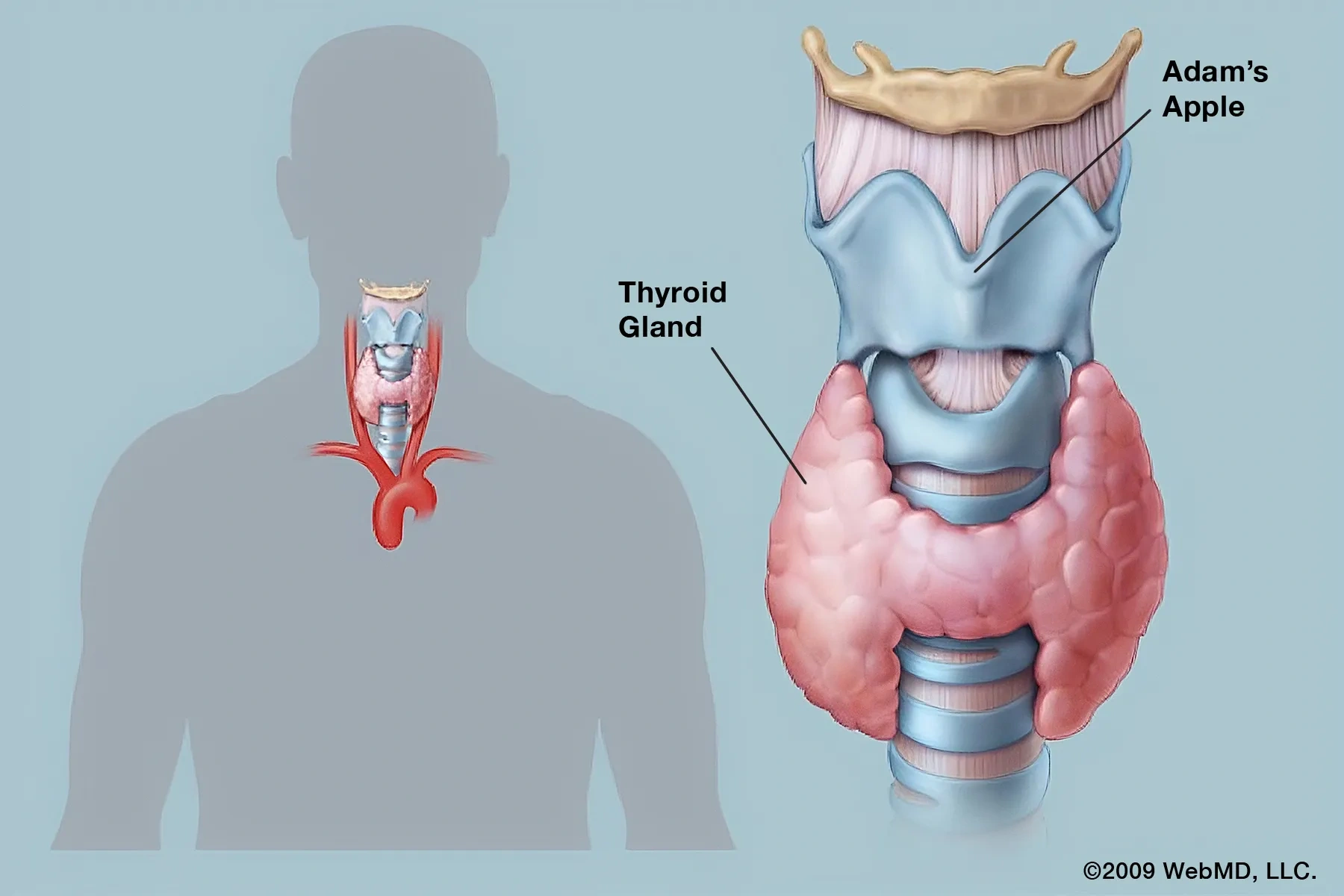
Treatments for hyperthyroidism are designed to reduce or halt the excessive production of thyroid hormones. If you’re wondering, Can Graves’ disease be cured, the answer depends on how “cure” is defined. While therapies can effectively control symptoms and regulate hormone levels, most people will require ongoing management or lifelong medication to maintain healthy thyroid function. (img by WebMD) Hyperthyroidism, also known as an overactive thyroid, can be addressed through several…
7 Complications of Graves’ Disease
Key takeaways Graves’ disease is an autoimmune condition that causes hyperthyroidism, or excess thyroid hormone production. Persistently elevated thyroid hormone levels can gradually damage the heart, bones, skin, and eyes. Frequent complications include thyroid eye disease, osteoporosis, goiter, and cardiovascular issues such as arrhythmias. Treatment depends on the specific complication and may involve anti-thyroid drugs, beta-blockers, steroids, radiation, or surgery. Thyroid storm is a rare but life-threatening emergency marked by…
What Foods to Eat and Limit If You Have Graves’ Disease
Key takeaways Foods high in calcium, magnesium, and selenium may help promote bone strength and overall well-being with Graves’ disease, in addition to standard medical care. Excess iodine may aggravate hyperthyroidism symptoms in Graves’ disease, so it may be helpful to monitor iodized salt, seafood, seaweed, and iodine-containing supplements with your clinician. If you also have celiac disease, eliminating gluten may reduce autoimmune reactions, and using a food diary can…
What Is the Outlook for Graves’ Disease? And More FAQ
Key takeaways Graves’ disease is an autoimmune disorder that results in hyperthyroidism and may impact the heart, eyes, muscles, and bones. It affects about 1.2% of people in the United States. Life expectancy is closely tied to how effectively thyroid function is regulated, typically monitored using thyroid-stimulating hormone (TSH) levels. Persistently low TSH is associated with an increased risk of death and more cardiovascular events. Graves’ disease can relapse even…
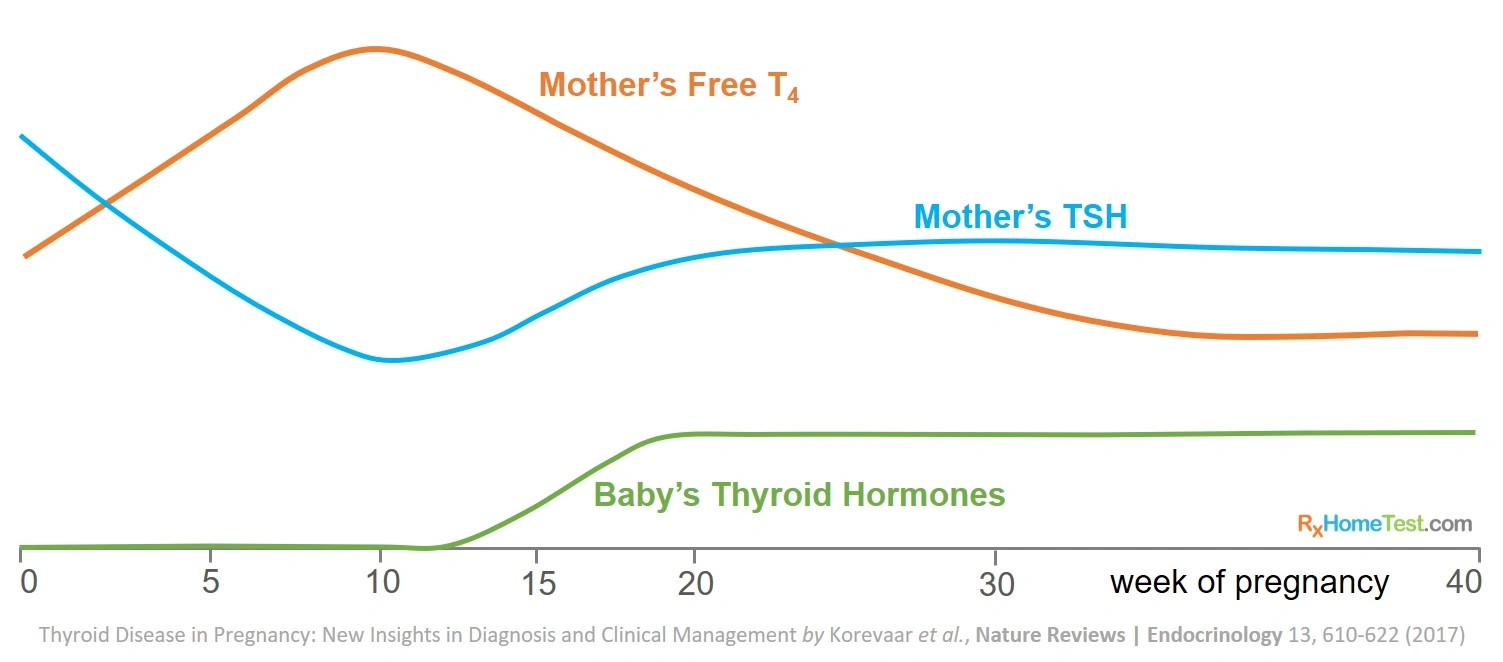
T4 Test in Pregnancy: What It Measures, Results, and TSH Reflex
What’s a T4 test? Your thyroid gland makes a hormone known as thyroxine, commonly referred to as T4. This hormone is essential for regulating multiple bodily processes, particularly growth, energy production, and metabolism. A portion of T4 in your bloodstream circulates as free T4, meaning it is not attached to proteins. This unbound form is biologically active and readily available for your body’s cells and tissues. However, the majority of…
Subclinical Hyperthyroidism
Subclinical hyperthyroidism is identified when thyroid-stimulating hormone (TSH) levels are low or undetectable, while circulating thyroid hormones remain within the normal laboratory range. In many cases, individuals have no noticeable symptoms, and treatment may not be immediately necessary. Hyperthyroidism develops when the thyroid gland produces excessive amounts of the hormones T3 and T4. In response, the pituitary gland senses this increase and decreases TSH production in an effort to lower…
Can Ayurvedic Medicine Effectively Treat Thyroid Disorders?
According to the American Thyroid Association, roughly 20 million Americans live with a thyroid condition. These disorders result from either excessive or insufficient production of thyroid hormones. Conventional care for thyroid conditions typically centers on medications to restore hormonal balance. However, many people are curious about whether complementary approaches can assist in managing these conditions. Ayurvedic therapies may be used alongside conventional treatments to support management of thyroid problems, but…

TSH w/Reflex to FT4 Pregnancy: The Thyroid Check No One Told You About
Purple Circles Under Your Eyes? Let’s paint a picture. You’re pregnant (woo-hoo or yikes, or maybe both). You’ve got that glow, some new cravings… and, oh yeah, you feel a bit more tired than usual. But hey—doesn’t everyone say that’s just “normal” pregnancy? It might be. But, sometimes, that foggy-brain, sluggish feeling, or those palpitations aren’t just from a growing baby. They could be whispers from your thyroid. Yep, that…

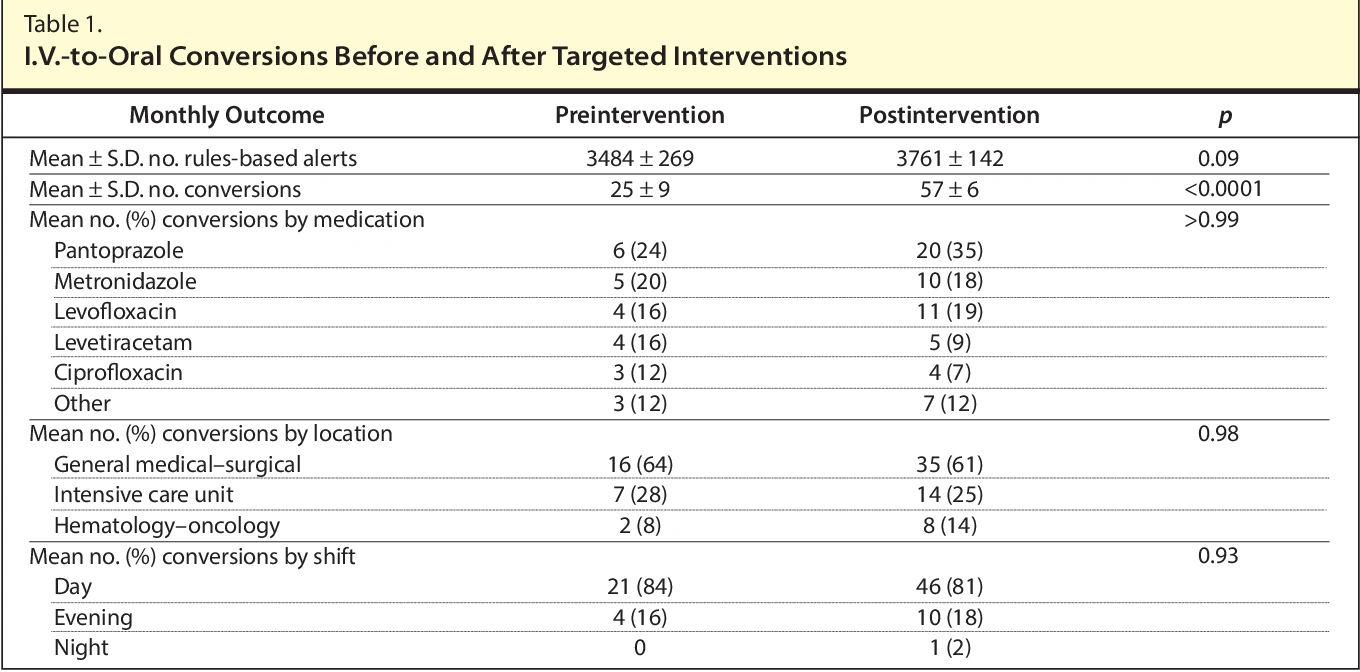
Levothyroxine PO to IV Conversion: What Every Patient Should Know
Wait—Why Change Your Thyroid Meds? Let’s be real: nobody expects to wake up in the hospital, IV hooked up, a nurse saying you can’t have water, let alone your morning thyroid pill. But life happens. Surgery, flu, gut issues—suddenly, you’re “NPO” (nothing by mouth), and that little white tablet you rely on for steady energy is no longer an option. I’ve watched a cousin go through this. Picture it: Monday,…

Can Graves’ Disease Kill You? The Real Risks No One Talks About
(img by Southlake General Surgery) Let’s Bust a Health Myth I keep hearing people shrug off Graves’ disease. “Oh, it’s just thyroid stuff. Annoying, but not dangerous, right?” If I had a dollar for every time someone said that… Look, I get it—thyroid talk sounds super boring and remote, like something old aunts complain about. But here’s the wild truth: untreated Graves’ disease can flip from “annoyance” to “life-altering” way…