
Purple Circles Under Your Eyes?
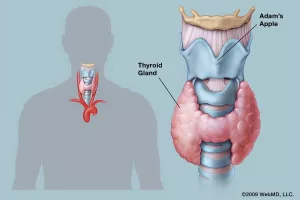
Let’s paint a picture. You’re pregnant (woo-hoo or yikes, or maybe both). You’ve got that glow, some new cravings… and, oh yeah, you feel a bit more tired than usual. But hey—doesn’t everyone say that’s just “normal” pregnancy? It might be. But, sometimes, that foggy-brain, sluggish feeling, or those palpitations aren’t just from a growing baby. They could be whispers from your thyroid. Yep, that tiny butterfly-shaped gland in your neck that quietly runs half the show.
What if, beneath all the “it’s just hormones, you’re fine!” talk, there’s something a simple blood test could catch… before it turns into a bigger deal? That’s the story of tsh w/reflex to ft4 pregnancy. It sounds medical and intimidating, but stick with me—this little test is the unsung hero for moms-to-be everywhere.
The Pregnancy-Thyroid Plot Twist
Here’s something wild: pregnancy doesn’t just mean you’re growing a human—it means your whole body goes into superhero mode. Your heart, gut, and especially your thyroid. See, the hormones pregnancy pumps out (hello, hCG!) do more than make you pee on a stick—they nudge your thyroid to work overtime.
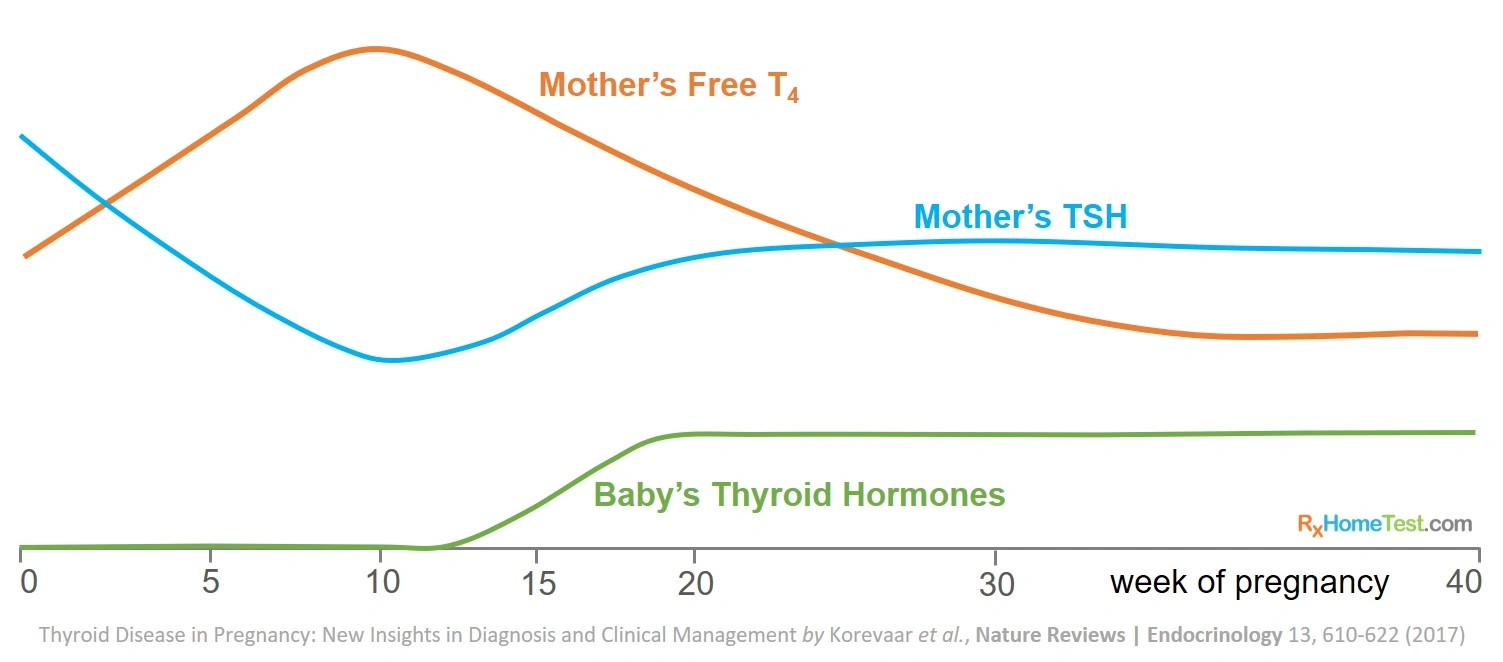
But, okay… how? In the first trimester, your body’s hCG hormone is crazy high. That actually nudges your thyroid to produce more hormone—sometimes making TSH (thyroid-stimulating hormone, the main “on-switch” for your thyroid) fall lower than usual. And then, just to keep things interesting, estrogen levels rise, messing with the way your blood carries those hormones around. (I know, thanks, Mother Nature.)
So picture this: you get your routine labs back and, suddenly, your doctor flags a low TSH. Is it a red flag or just the usual pregnancy circus? Here’s where reflex testing comes in—right on cue.
Trimester by Trimester: What’s “Normal” Changes
Did you know your thyroid test “normal” range changes with each trimester? True story! For TSH, you might see reference ranges like 0.1–2.5 mIU/L in the first trimester (it nudges up a bit in later ones). In fact, according to the American Thyroid Association, most labs should use these TSH W reflex to FT4 pregnancy reference range numbers if they don’t have their own pregnancy-specific data. It’s a moving target, but super-important for getting the right read.
| Trimester | TSH Range (mIU/L) |
|---|---|
| First | 0.1–2.5 |
| Second | 0.2–3.0 |
| Third | 0.3–3.0 |
Quick story: My friend Sam was shocked to see her TSH was “crazy low” at her 8-week check. She got sent for a tsh w/reflex to ft4 pregnancy test; turns out, her FT4 (free thyroxine) was right on target and her body was just doing that normal pregnancy thing. But another friend had a low TSH and high FT4, which meant her thyroid was in hyperdrive and needed attention. That’s why both numbers matter!
When “Normal” Isn’t Quite “Normal”
Here’s the plot twist: a low TSH during your first trimester? That’s pretty typical—your body’s literally building a baby, after all. But if your TSH is way off (like super low or high), or your FT4 doesn’t match up with what’s expected, that’s when it can be a clue to something bigger. Hyperthyroidism, for example. It’s rare, but it matters because untreated, it can bump your risk for complications like high blood pressure or preterm birth. And go figure—lots of the classic “hyper” symptoms blend right in with regular pregnancy chaos: racing heartbeat, feeling jittery, or dropping weight when you expected to gain.
So… what should you do when your labs come back weird? That’s exactly why the reflex-to-FT4 is so genius. It saves you from a million repeat blood tests, and it gets you fast answers while your mind is still busy picking out baby names.
The Test That Does Double Duty
Alright, let’s break it down. The tsh w/reflex to ft4 pregnancy test isn’t some wildly complicated new gadget. It’s just your regular TSH blood test—plus (and here’s the magic), if your TSH is out of the “normal for pregnancy” range, the lab automatically checks your FT4 level without your doc needing to order a second test. (I wish they did this for, like, all my health mysteries. But I digress.)
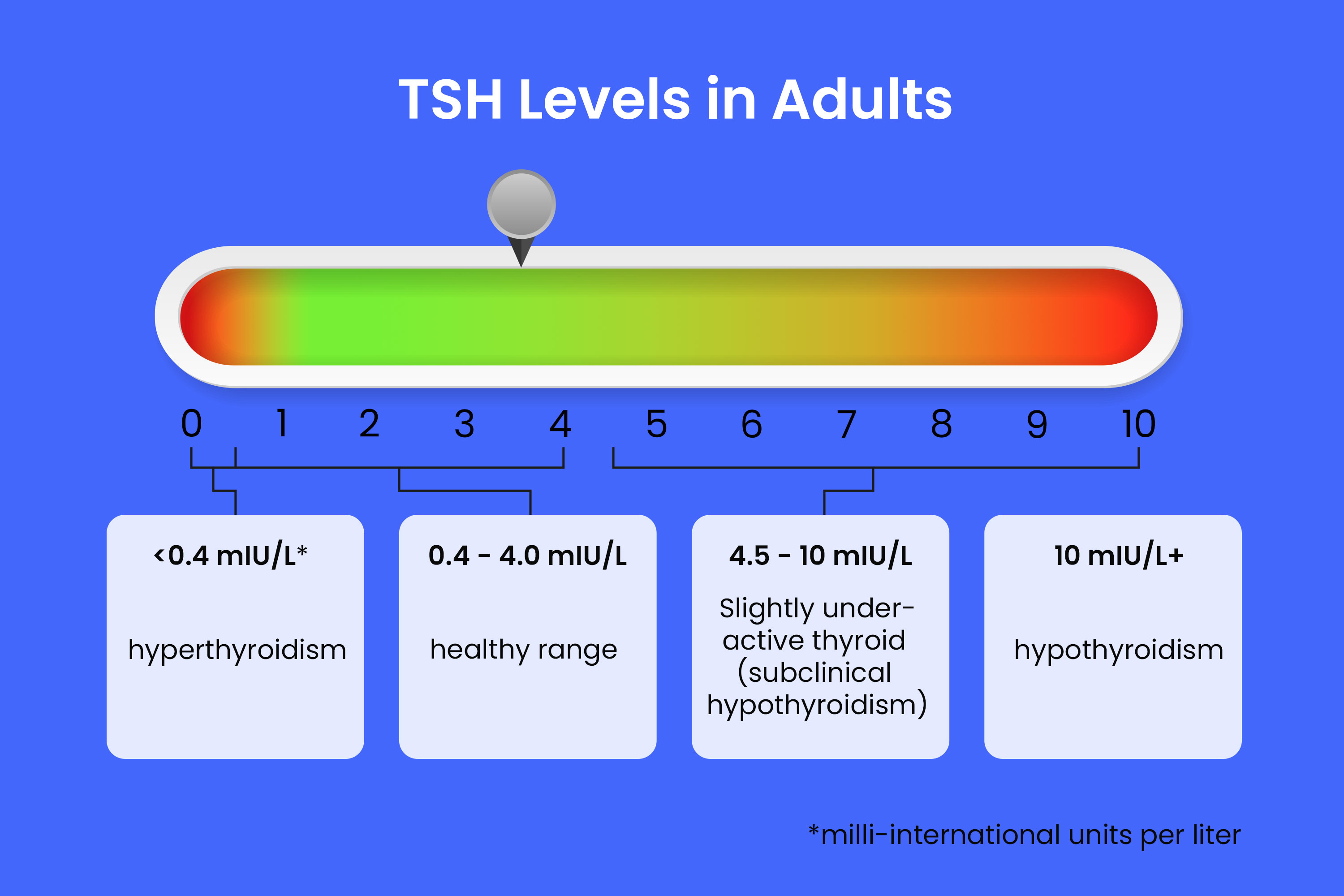
Let’s geek out for a sec: TSH is like a thermostat, telling your thyroid when to kick out hormones. If your TSH is low, your body could have high thyroid hormone (hyperthyroidism). If TSH is high, maybe your thyroid isn’t keeping up (hypothyroidism). FT4 is the “active ingredient” version—free to do its job, not stuck to proteins.
Why FT4 Makes All the Difference
Total T4 gets thrown off by all those extra pregnancy proteins floating around. FT4? It’s like checking the real value on the price tag, not just what’s written in big letters. Most doctors want your FT4 in the ballpark of 12.1–15.7 pmol/L during pregnancy (give or take, because ranges can vary; see the TSH W reflex to FT4 pregnancy reference range for the nitty gritty).
Anecdote moment: Lisa, a neighbor of mine, went in for a basic check-up—she thought she’d just get a “nice job” sticker. Instead, low TSH led to a reflex test, which showed high FT4. Long story short, quick treatment got things sorted, and she tells everyone that single test probably saved her peace of mind (and her naps) for the next nine months.
Quick Table: What Your Labs Might Mean
| Scenario | TSH | FT4 | What it Might Mean |
|---|---|---|---|
| Typical early pregnancy | Low | Normal | Just hormones doing their thing |
| Mild hyperthyroid | Low | High | May need monitoring/treatment |
| Mild hypothyroid | High | Low/Normal | Might need levothyroxine |
If you want to geek out further (or just want ammo for your next OB visit), check out the step-by-step process in the TSH w reflex to ft4 pregnancy test guide.
Why Bother? Because Baby’s Brain Needs It
Here’s the part that always tugs at my heart. Your thyroid doesn’t just affect your mood or your sleep—it’s crucial for building your baby’s brain. And in those first twelve weeks? Your little one is basically “borrowing” all their thyroid hormone from you, until their own gland kicks in.
So, keeping your levels in line isn’t about perfection or panic. It’s about giving your growing human the best foundation possible. And honestly, making things easier for yourself, too. (Who wants to deal with restless legs, anxiety, or all-day tiredness and baby brain? Not me.)
The American Thyroid Association and others are clear: thyroid disorders in pregnancy are treatable, and early, accurate checking—like with tsh w/reflex to ft4 pregnancy—gives you and your doc all the info you need to stay ahead of the curve.
Everyday Signs: Not Always What You Think
Okay, real talk. How often have you brushed off weird pregnancy symptoms? Shaky hands? Must be too much coffee. Racing heart at bedtime? Probably nerves. Weight dropping when you thought you’d gain? “Maybe it’s just a fluke.” But these can be thyroid flares masquerading as pregnancy quirks.
And (tiny confession) I once told my OB my insomnia must be from “reading too many baby blogs at night.” Turns out, both my TSH and FT4 had wandered off course. A switch in my dose and magic—decent sleep, for the first time in weeks.
Have you ever chalked up a weird symptom just to “new mom stress”? You’re not alone—and it never hurts to ask your doc about a tsh w/reflex to ft4 pregnancy test if something feels off.
So, What Should You Do?
First: Don’t panic. You’ve got this. Checking your thyroid is routine for most pregnancies (especially if you’ve got a history, or nagging symptoms), and nearly all labs offer the TSH reflex style test these days. If you’re curious how the process really feels, or you like to know what each step means, the TSH w reflex to ft4 pregnancy test post walks you through it in plain language.
Timing matters: a lot of docs will check TSH at confirmation of pregnancy, and again every trimester—or more if there’s something to watch. It’s a quick blood draw, and if your TSH is out of range, the FT4 test kicks in automatically. No extra appointments. No new needles.
Tiny Tweaks, Big Impact: Lifestyle Counts Too
Let’s be real—most of us aren’t nutrition perfectionists, especially in pregnancy. But toss in a little more iodine (think dairy, eggs, seaweed, but don’t overdo supplements unless your doctor says so!), and make sure you’re eating regularly to keep your energy stable. I learned the hard way—skipped breakfast = brain fog and bad moods. Better fuel = smoother days, for real.
And if you’re feeling extra, a bit of gentle yoga or a daily walk can work wonders while your body (and your test results) settle into a rhythm.
Key point: test early, test again as needed, use those trimester-specific numbers (grab the TSH W reflex to FT4 pregnancy reference range for easy reference), and bring any “odd” symptoms up. You know your body best.
Let’s Bring It Home
So, here’s the heart of it: tsh w/reflex to ft4 pregnancy isn’t some high-drama lab test—it’s your early-warning, peace-of-mind tool. Catch an overactive or underactive thyroid before it throws off your pregnancy rhythm (and your mood, and your sleep, and so much more). The test does its work quietly and quickly, giving you and your doctor a full thyroid snapshot without hassle or confusion.
Remember how my friends Sam and Lisa both dodged potential thyroid drama with one reflex test? That’s what I want for you too: calm, clarity, confidence—so you spend more time loving this wild, weird adventure and less time second-guessing every twinge.
If you’ve felt “off”—ask about it. If you love being armed with knowledge (or just want to impress your OB with smart questions), check out the TSH w reflex to ft4 pregnancy test and keep the TSH W reflex to FT4 pregnancy reference range handy.
You’re doing something incredible—treat your thyroid like the supporting cast it is. Friend to friend: you’ve got this. And so does your thyroid… with just a little help.


















Leave a Reply
You must be logged in to post a comment.