

Tongue scraping can help clear away debris, bacteria, and dead cells and may offer additional advantages, such as enhancing your sense of taste. While some online discussions link Tongue scraping weight loss to broader wellness routines, the primary, evidence-based benefits relate to improved oral hygiene and fresher breath.
Tongue scraping is a quick and simple method for removing excess particles — including those responsible for bad breath — from the surface of your tongue. It involves using a small, slightly curved tool made of plastic or metal.

Although scraping can’t replace thorough toothbrushing and flossing, its reported advantages have encouraged many people to include this extra step in their morning and evening dental care habits. When combined with a comprehensive oral hygiene routine, it may contribute to better breath, improved taste perception, and a cleaner-looking tongue.
Continue reading to explore how tongue scraping supports oral health, common myths to be aware of, and how to begin safely and effectively.
How is tongue scraping beneficial?
Over time, debris, bacteria, and dead cells can accumulate on the surface of your tongue. This buildup may contribute to bad breath and can negatively affect overall oral health.

Using a tongue scraper can assist in removing this accumulation, and may:
- Enhance your sense of taste. Older research indicates that using a tongue scraper twice daily may sharpen your sense of taste. By reducing coating on the tongue, you may better distinguish bitter, sweet, salty, and sour flavors.
- Improve the appearance of your tongue. A layer of excess debris can give your tongue a white or coated look. Daily scraping can help eliminate this coating and reduce the likelihood of it returning.
- Reduce bacteria. In one 2005 study, researchers found that using a tongue scraper twice daily for seven days lowered the overall presence of Mutans streptococci and Lactobacilli bacteria in the mouth. These bacteria are associated with bad breath and dental decay.
- Support overall oral health. Eliminating bacteria is essential for preventing cavities, gum disease, and other oral conditions. Tongue scraping can help clear these microorganisms from the mouth, improving the tongue’s appearance and overall mouthfeel.
- Minimize bad breath. While scraping doesn’t replace brushing, it may outperform brushing alone in certain areas. In a 2004 study, researchers reported that scraping was more effective than brushing at eliminating odor-causing bacteria.
By decreasing bacterial load and improving oral cleanliness, tongue scraping may indirectly support healthier daily habits. However, claims that Tongue scraping weight loss directly results from scraping alone are not supported by clinical evidence; any potential benefit would likely stem from improved overall wellness routines rather than the act itself.
Is there anything tongue scraping can’t do?
A frequent misconception is that tongue scraping provides long-lasting protection against bad breath. Although it can help reduce odor, consistency is essential.
For instance, scraping your tongue in the morning won’t necessarily stop bad breath from developing later in the day. Bacteria accumulate as you eat and drink, so if halitosis is a concern, you may need to scrape after meals.
At minimum, scrape your tongue whenever you brush your teeth. This helps prevent long-term buildup associated with persistent bad breath and supports a cleaner oral environment.
Another myth is that brushing your tongue with a toothbrush is just as effective as using a tongue scraper. Findings from a 2004 study suggest otherwise. Researchers observed that tongue scrapers removed 30 percent more volatile sulfur compounds from the tongue compared to a soft-bristled toothbrush.
Although cleaning your tongue with a toothbrush is preferable to not cleaning it at all, a dedicated scraper tends to be more efficient.
How to perform a tongue scraping
To get started, you’ll need an appropriate tool — a tongue scraper. A quick search will reveal numerous options, including plastic, copper, and stainless steel varieties.
Most scrapers have a gently rounded shape, similar to an inverted spoon. If necessary, a clean household spoon or even your toothbrush can suffice, though they may not remove as much odor-causing bacteria as a purpose-built scraper.

Follow these steps to scrape your tongue properly:
- Stand in front of a mirror, open your mouth, and extend your tongue.
- Carefully position the rounded edge of the scraper at the back of your tongue.
- If you’re concerned about gagging, begin in the middle of your tongue and gradually move farther back as you become more comfortable.
- Gently press the scraper against your tongue and slowly draw it forward toward the tip. Never push the scraper from the tip backward. Always move from the back toward the tip.
- After each pass, wipe debris from the scraper using a tissue or washcloth.
- Repeat until the entire surface of your tongue has been cleaned. One or two strokes per area are usually sufficient.
- Wash the scraper with warm water and soap, dry it thoroughly, and store it in a clean, dry place.
The entire process typically takes less than two minutes. Repeat as needed throughout the day, especially after meals if you’re focused on maintaining fresh breath.
Are there any side effects or risks to consider?
One of the primary concerns with tongue scraping is triggering the gag reflex, which may cause nausea or vomiting.
To reduce this risk, avoid placing the scraper too far back on your tongue. When you first begin, start in the middle and gradually work your way farther back as you adjust to the sensation.
It’s also possible to accidentally injure the surface of your tongue.
To minimize this risk, ensure your scraper has no sharp or uneven edges. Inspect it before each use to confirm it remains safe and intact. Being aware of potential Tongue scraping side effects can help you practice this technique more safely.
Pay attention to the amount of pressure you apply. Use a gentle touch to avoid damaging your taste buds or breaking the skin, but apply enough pressure to remove excess buildup. If unsure, begin softly and gradually increase pressure as needed.
Products to try
Tongue scrapers are available in plastic and various metals. The best option depends on your personal preference.
Metal scrapers are often considered more durable and may be dishwasher-safe. Plastic versions are typically less expensive but may require more frequent replacement. Most tongue scrapers cost under $10.
Examples of popular and highly rated tongue scrapers on Amazon include:
- Dr. Tung’s tongue cleaner, stainless steel
- Health and Yoga surgical-grade stainless steel tongue scraper
- Health and Yoga copper tongue cleaner
- WowE tongue cleaner, copper
- Sunstar GUM dual action tongue cleaner, plastic
- Pureline Oralcare tongue cleaner, plastic
- The Original TUNG Brush tongue cleaner
Other ways to improve your oral health
Tongue scraping can be helpful, but you’re unlikely to see optimal results without a comprehensive approach to oral hygiene.
To maintain and potentially enhance your overall oral health:
- Use a fluoride-based toothpaste and mouthwash to help prevent cavities.
- Brush your teeth and gums at least twice daily.
- Brush for a minimum of two minutes each time. Consider using a timer or playing a short song to ensure adequate duration.
- Floss at least once per day to remove debris between teeth.
- Drink sufficient water throughout the day to combat dry mouth, a common contributor to bad breath.
- Avoid tobacco products, which can increase buildup on the tongue and negatively impact oral tissues.
Regular dental checkups and professional cleanings are also essential. Most dentists recommend cleanings twice per year, though some individuals may require more frequent visits depending on their dental history and risk factors.
When to see your dentist
Although at-home strategies like tongue scraping can reduce tongue coating, they are not a cure-all.

Consult your dentist promptly if you experience chronic dry mouth or notice a “hairy tongue.” They can evaluate your symptoms and determine whether you need more frequent cleanings, a special mouthwash, or additional treatment options.
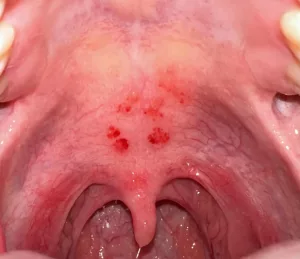
In some cases, tongue scraping may reveal signs that require professional evaluation, such as white patches inside the mouth. These patches are often caused by oral thrush or leukoplakia and should be assessed and managed under your dentist’s supervision.



















Leave a Reply
You must be logged in to post a comment.