
If you’re wondering, Can I take multivitamins with diverticulitis, you’re not alone. Many people diagnosed with this digestive condition want to support their overall nutrition while managing flare-ups and preventing complications. In most cases, multivitamins can be taken safely, but timing, ingredient selection, and your current symptoms all matter. It’s important to review supplements with your healthcare provider, especially during an acute episode.

If you have diverticulitis, a doctor may suggest a temporary liquid diet or low fiber foods to allow your digestive tract to rest. At the same time, certain foods — including aloe and options rich in probiotics and fiber — may play a role in reducing the risk of future flare-ups once symptoms improve.
What is diverticulitis?
Diverticulitis is a disease that affects the digestive tract. Diverticula are small pockets that can form on the lining of your digestive tract. When these pouches develop, the condition is called diverticulosis. They are more commonly seen after the age of 40 and often increase with age.
Many people with diverticulosis experience no symptoms at all. Straining due to constipation may contribute to the formation of these pouches. When one or more of them becomes inflamed or infected, the condition progresses to diverticulitis.
Diverticulitis can cause:
- severe abdominal cramping
- abdominal pain, often on the lower left side
- nausea
- fever and chills
Understanding the difference between diverticulosis and diverticulitis is important when deciding on diet changes, supplements, and whether you can safely take multivitamins.
Home remedies for diverticulitis
Some individuals recover without extensive treatment, although many require antibiotics. If your symptoms are mild, your doctor may advise specific dietary adjustments to reduce irritation and inflammation. In addition to prescribed care, certain home strategies may help relieve discomfort and support digestive health.
Liquid diet
During an acute episode of diverticulitis, your physician may recommend a liquid diet. In some situations, you may need to follow a clear liquid diet for a few days before gradually transitioning to a low-fiber eating plan. This approach helps rest the digestive system and may ease symptoms.
Clear liquid diet
- broth
- ice popsicles without fruit pieces or pulp
- gelatin
- pulp-free juice, such as apple
- water
- coffee or tea without milk or cream
Always follow your doctor’s guidance and avoid remaining on a liquid diet longer than advised. As your symptoms begin to settle, you can slowly introduce low-fiber foods back into your meals.
Low-fiber foods
- cooked or canned fruits without skin or seeds
- cooked or canned vegetables without skin
- pulp-free fruit and vegetable juice
- eggs and poultry
- fish
- milk, yogurt, and cheese
- white pasta and rice
- refined white bread
When reintroducing nutrients, some people ask, Can I take multivitamins with diverticulitis during recovery? If you’re not meeting your nutritional needs because of restricted food choices, a basic multivitamin may help fill gaps. However, you should avoid formulations that contain high doses of certain ingredients that could irritate your digestive tract. For more guidance, review Vitamins to avoid with diverticulitis and speak with your healthcare provider before starting any supplement.
Over-the-counter medications
Over-the-counter (OTC) medications, such as acetaminophen (Tylenol), may help ease some discomfort. Nonsteroidal anti-inflammatory drugs, such as ibuprofen (Advil, Motrin) aren’t recommended because they increase the risk of bleeding and other complications.
A fiber supplement, such as psyllium (Metamucil) or methylcellulose (Citrucel), may assist with constipation and diarrhea. These supplements add bulk to stool and make bowel movements easier to pass. It’s common to experience gas or bloating when first starting a fiber supplement. Talk to your doctor before incorporating one into your routine, especially if you are also taking a multivitamin.
Probiotics
Some studies suggest that probiotics may help lessen symptoms of diverticulitis, although additional research is necessary to confirm their effectiveness.
Probiotics are considered “good” bacteria similar to those naturally found in your digestive tract. They are available OTC in capsule, tablet, and powder forms and are also present in foods like yogurt and fermented vegetables.
There are multiple types of probiotics, each containing different strains. Strains of the bacteria, mainly Lactobacillus casei, appear to be the most effective according to research.
High-fiber diet
The American Gastroenterological Association recommends that individuals with a history of acute diverticulitis consume a diet high in fiber or consider adding a fiber supplement. A fiber-rich diet may help relieve or reduce symptoms, although current evidence supporting this benefit is limited in quality.
Because high-fiber foods can initially cause gas and abdominal discomfort, it’s best to increase your fiber intake gradually. The current Dietary Guidelines ofAmericans recommends 14 grams of dietary fiber per 1,000 calories consumed. That equals 28 grams of fiber per day for a 2,000-calorie diet.
High fiber foods
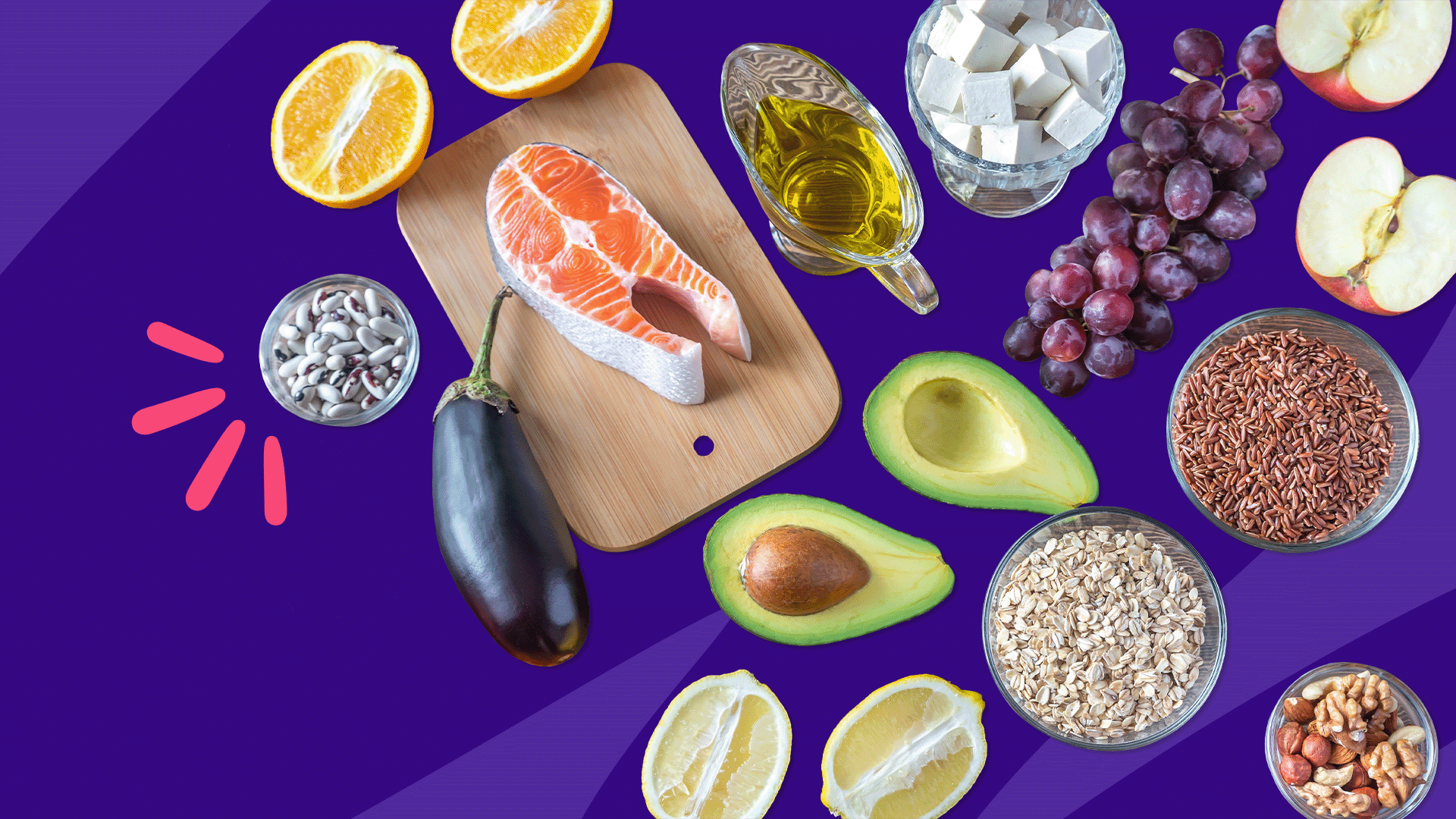
- fruits, such as raspberries, apples, and pears
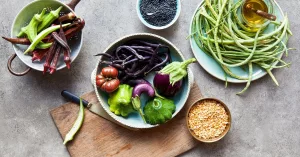
- vegetables, including broccoli, green peas, and artichoke
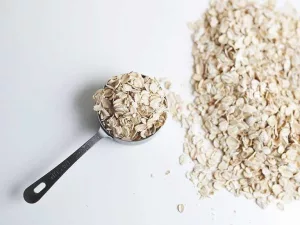
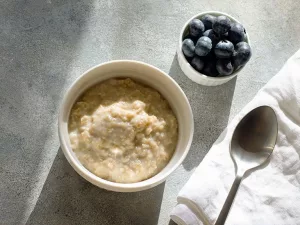
- cereals and grains, such as oatmeal, bran flakes, and barley
- legumes, including lentils, split peas, and black beans
Maintaining adequate vitamin and mineral intake is also essential when increasing fiber. If dietary intake is inconsistent, discussing the question “Can I take multivitamins with diverticulitis?” with your healthcare provider can help ensure you’re supporting overall gut health without worsening symptoms.
Aloe
Aloe vera is thought to offer several health benefits, including relief from constipation. It may also help reduce pain and cramping.
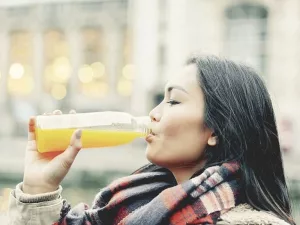
Aloe vera juice is available in many grocery and health food stores. Drinking two ounces daily may help soothe the digestive tract and potentially reduce symptoms.
Digestive enzymes
Digestive enzymes are proteins produced by your stomach, small intestine, salivary glands, and pancreas. They assist in breaking down food and eliminating toxins during digestion. Enzymes found in papayas and pears are believed to help decrease intestinal inflammation and promote healing.
Although there is no scientific evidence specifically confirming benefits for diverticulitis, a 2014 study indicated they may reduce abdominal pain and other common digestive complaints.
Digestive enzymes are sold online and in stores alongside other supplements and are naturally present in foods such as papayas, pears, and pineapples.
Herbs
Certain herbs have demonstrated anti-inflammatory and antimicrobial properties. Some that may provide support in diverticulitis include:
- Garlic. Research has shown that garlic has antimicrobial and antiviral properties that may help prevent infection. There is also evidence suggesting it may improve digestion and relieve constipation.
- Green tea. Green tea is widely recognized for its health-promoting properties. Its anti-inflammatory, antiviral, and antibacterial effects may help decrease inflammation and lower infection risk.
- Ginger. Ginger has been used for centuries as an herbal remedy for various gastrointestinal issues, including nausea, vomiting, and diarrhea.
- Turmeric. Turmeric has a long history as an herbal remedy in China and India. Recent clinical studies indicate it offers multiple digestive benefits. The anti-inflammatory properties of turmeric may help protect the digestive tract, stimulate enzyme secretion, and ease pain.
Acupuncture
Acupuncture is a traditional Chinese medicine technique that involves inserting thin needles into specific points on the body. It is commonly used to manage pain and stress, and some evidence suggests it may also help relieve constipation.
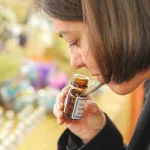
Essential oils
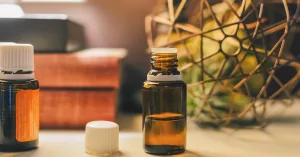
Although online sources may claim essential oils directly treat diverticulitis, there is no evidence supporting this. However, they may encourage relaxation, reduce stress, and improve comfort.
A 2015 study reported that diluted lavender oil applied topically provided pain relief comparable to tramadol, a prescription pain medication. A systematic review published in 2016 found that aromatherapy has a significant positive effect on pain.
Essential oils should not be ingested. Diluted oils may be applied to the skin, added to bathwater, or diffused into the air.
Precautions
Diverticulitis can lead to serious complications that require immediate medical attention, including:
- tear or hole of the intestinal wall
- abscesses
- fistulas
- intestinal obstruction
Your condition may be worsening if you:
- are unable to hold down liquids or food
- have abdominal pain that isn’t relieved by pain medication
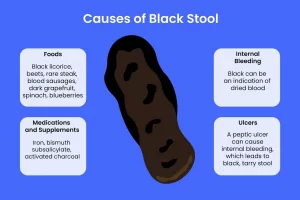
- have blood in your stool or rectal bleeding
- have a high fever and chills
When to see your doctor
Contact your doctor immediately if you experience any of the following:
- excessive vomiting
- fever over 100°F (38°C)
- rectal bleeding, even a small amount
When to go to the ERsudden severe abdominal pain signs of bowel obstruction continuous or excessive rectal bleeding
Complications such as an obstruction, tear, or abscess require urgent surgical treatment.
Takeaway
Mild diverticulitis may resolve on its own in some cases. Supportive home measures, appropriate dietary changes, and carefully selected supplements can help manage symptoms and promote healing.
If you’re asking, Can I take multivitamins with diverticulitis? the answer depends on your individual health status, current symptoms, and the specific formula you choose. Many people can safely use a standard multivitamin, particularly during recovery when dietary intake is limited, but medical guidance is essential.
See your doctor if you have a fever lasting more than a few days or higher than 100°F (38°C). Seek emergency medical care if you experience severe pain, high fever, or rectal bleeding.









Leave a Reply
You must be logged in to post a comment.