
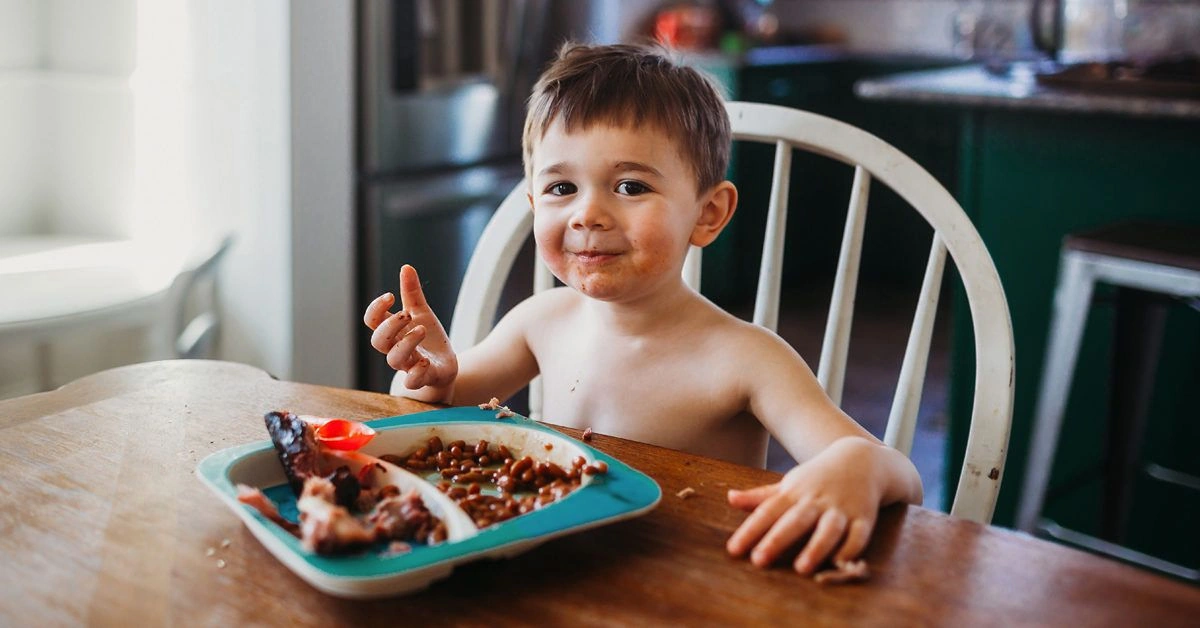
Key takeaways
- Iron enables a toddler’s body to produce hemoglobin, the substance that transports oxygen through the bloodstream. Low iron levels may result in iron-deficiency anemia, which can cause fatigue, pale skin, and irritability.
- Toddlers between ages 1 and 3 generally require 7 milligrams of iron each day. The body absorbs heme iron from animal sources more efficiently than nonheme iron from plant foods, making it more effective for improving iron status.
- Combining iron-rich foods with vitamin C enhances absorption. Good dietary sources include lean meats, fortified cereals, beans, spinach, eggs, and tofu. Supplements should only be used under medical supervision.
Iron is a vital nutrient the body relies on to create hemoglobin, the protein in red blood cells responsible for delivering oxygen to tissues and organs throughout the body. Adequate iron intake during early childhood supports rapid growth, brain development, and immune function.
When parents explore questions like Do hard boiled eggs have iron absorption, they are often trying to understand how different foods influence a child’s iron status. While eggs do contain iron, understanding how well that iron is absorbed — and how to improve absorption — is key to preventing deficiency.
Iron plays an important role in:
- transporting oxygen throughout the body
- muscle metabolism
- supporting connective tissue
- physical growth and development
- neurological development
- cellular function
- the production of certain hormones
Breastfed infants typically receive sufficient iron from breast milk during early months, while formula-fed babies should be given iron-fortified formula to meet their nutritional needs.
Iron-deficiency anemia
As toddlers transition to solid foods and a broader diet, their iron intake can sometimes decline. Fortunately, iron deficiency is relatively uncommon in the United States; only 8 percent of toddlers are affected.
However, inadequate iron can progress to anemia, a condition in which the body does not have enough healthy red blood cells. This limits oxygen delivery to vital organs and tissues.
If your child’s iron levels are low, you might observe that they:
- look pale
- seem more irritable than usual
- have a reduced appetite
Over time, untreated iron deficiency may contribute to:
- slowed growth
- delayed motor development
- increased susceptibility to infections, since iron supports immune health
Early stages may not show obvious signs, but as anemia progresses, symptoms can include:
- fatigue
- pale skin
- irritability
- rapid or irregular heartbeat
- poor appetite
- slow weight gain
- dizziness
- headaches
- lightheadedness
- difficulty concentrating
Some studies suggest that children who regularly drink tea may face a higher risk of iron-deficiency anemia. Tannins in tea can reduce iron absorption, and drinking tea may also decrease appetite, limiting intake of iron-rich foods.
Related: 10 signs and symptoms of iron deficiency
How much iron does my toddler need?
Iron requirements vary by age, especially during periods of rapid growth. Many toddler-friendly foods are fortified to help meet these needs.
- age 0–6 months: 0.27 milligrams (mg) per day
- age 6–12 months: 11 mg per day
- ages 1–3 years: 7 mg per day
- ages 4–8 years: 10 mg per day
Babies born prematurely or at low birth weight may require additional iron compared to full-term infants with healthy birth weights.
Heme vs. nonheme iron
Iron in food exists in two primary forms: heme and nonheme. Plant-based foods provide nonheme iron, while meat and seafood supply both heme and nonheme iron.
The body absorbs heme iron more efficiently than nonheme iron. This distinction is important when considering meal planning, especially for vegetarian toddlers who may need up to twice the recommended iron intake to compensate for lower absorption.
Absorption improves when iron-containing foods are paired with vitamin C. Serving iron-rich meals alongside fruits and vegetables high in vitamin C can significantly enhance how much iron the body uses.
Examples of vitamin C–rich foods include:
- oranges and orange juice
- grapefruit
- kiwifruit
- broccoli
- tomatoes
- strawberries
- bell peppers
- papaya
- cantaloupe
- sweet potatoes
What foods should my toddler eat for iron?
Offering a combination of iron-rich foods and vitamin C sources helps lower the risk of iron deficiency and supports optimal iron absorption in toddlers.
1. Lean meats

Meat and poultry are excellent sources of heme iron, which is readily absorbed. Beef, especially organ meats like liver, is particularly high in iron. A 3-ounce portion of beef liver provides 5 mg of iron.
Dark meat from chicken and turkey also contributes meaningful amounts.
Consider preparing soft stews or casseroles using tender, well-cooked lean meat. Remove visible fat, as iron is concentrated in the lean portions. Dishes like spaghetti with meat and tomato sauce combine iron with vitamin C for improved absorption.
Related: Top lean proteins you should eat
2. Fortified cereals

Iron-fortified cereals and oatmeal are reliable ways to boost daily intake.
Many fortified cereals contain 100 percent of the daily value for iron per serving. Check nutrition labels for specifics. Even dry cereals such as Cheerios are commonly fortified.
One cup of plain, uncooked rolled oats contains about 3.5 mg of iron.
Add berries like strawberries or blueberries to increase vitamin C content. Be mindful that some fortified cereals and juices may contain added sugars.
3. Beans

For vegetarian families or children who prefer plant-based meals, beans are an excellent alternative. Soybeans, lentils, kidney beans, and lima beans provide iron along with fiber and other nutrients.
For example:
- a half cup of white beans contains 4 mg of iron
- a half cup of lentils contains 3 mg of iron
- a half cup of red kidney beans contains 2 mg of iron
Serve mashed lentils, mild chili, or bean soups. Pairing beans with enriched rice creates a complete protein source and enhances nutritional value.
Chickpeas can be blended into hummus for a toddler-friendly snack. If unsure about possible chickpea allergy, consult your doctor before introducing them.
4. Spinach

Dark leafy greens such as spinach, kale, and broccoli are strong plant-based iron sources.
A half cup of cooked, drained spinach offers about 3 mg of iron.
Finely chop and steam spinach or mix it into:
- mac and cheese
- scrambled eggs
- smoothies
Related: Which is better, spinach or kale?
5. Raisins and other dried fruit

Raisins are a convenient snack and contribute iron while helping ease constipation. A quarter cup supplies about 1 mg of iron.
Related: Are dried fruits good or bad?
6. Pumpkin seeds

Pumpkin seeds provide protein, fiber, healthy fats, and minerals, including iron. A quarter cup contains 2.5 mg of iron.
Create a toddler-safe trail mix using finely chopped raisins, dried apricots, pumpkin seeds, and sunflower seeds. Always supervise young children, as seeds can pose choking risks.
Related: Super healthy seeds you should eat
7. Eggs
Eggs offer high-quality protein, vitamins, minerals, and iron. One hard-boiled egg provides 1 mg of iron. Parents frequently ask, Do hard boiled eggs have iron absorption, and whether they meaningfully support iron intake. Eggs do contain iron, and you can learn more about their nutrient profile here: Do hard-boiled eggs have iron. For a broader breakdown of nutrients, see 1 boiled egg calories, and protein.
Although eggs contain cholesterol, current research indicates they do not increase the risk of cardiovascular disease (CVD) in most people.
Serve eggs in various forms:
- soft boiled with toast sticks
- hard boiled, sliced or mashed
- scrambled
- as an omelet
- mixed into rice or noodle dishes
Enhance iron intake by adding chopped spinach or other iron-rich vegetables to omelets and scrambles. Always use fresh, thoroughly cooked eggs.
Related: Top 10 health benefits of eggs
8. Green peas
Green peas supply protein, fiber, iron, and additional nutrients. Many toddlers enjoy their mild taste.
A half cup provides 1 mg of iron.
Serve peas boiled as a side, blended with root vegetables, or stirred into soups and rice dishes. For infants, mashing peas can reduce choking risk.
Related: Why green peas are healthy and nutritious
9. Tuna

Canned light tuna is low in fat and calories while offering iron, protein, and omega-3 fatty acids.
Three ounces of light tuna canned in water contain 1 mg of iron.
Mix shredded tuna with mashed vegetables for added nutrients. Delay introduction if there is a family history of seafood allergy.
Related: Mercury in tuna. How to eat it safely
10. Tofu
Tofu is a versatile plant-based food that delivers complete protein, calcium, iron, and other essential nutrients.
A half cup of tofu contains 3 mg of iron.
Firm tofu works well in stir-fries, baked dishes, or cut into cubes. Silken tofu can be blended into smoothies or mixed with fruit.
Concerns have been raised about isoflavones and hormone balance, but experts consider harm unlikely.
Related: Using tofu and how to prepare it safely
What about supplements?
According to the National Institutes of Health, approximately 12 percent of infants in their first year and about 8 percent of toddlers have low iron levels.
Whenever possible, children should meet their iron needs through food. If a healthcare provider diagnoses iron-deficiency anemia, they may recommend iron supplements.
Follow medical guidance carefully and store supplements safely out of children’s reach. Excess iron intake can cause serious health complications. Never start iron supplementation without consulting a doctor.







Leave a Reply
You must be logged in to post a comment.