What To Know About Skin Infections


- Pictures of skin infections
- What are the types of skin infections?
- 1. Bacterial skin infections
- 2. Viral skin infections
- 3. Fungal skin infections
- 4. Parasitic skin infection
- What are the symptoms of a skin infection?
- Causes and risk factors for a skin infection
- Bacterial skin infection
- Viral skin infection
- Fungal infection
- Parasitic skin infection
- Diagnosis
- When to see a doctor
- Treatment
- Home care and alternative treatments
- Outlook for a skin infection
- Skin infection prevention
- Frequently asked questions
- What are the main types of skin infections?
- What does a bacterial skin infection look like?
- What is the most common bacterial infection of the skin?
- Takeaway
Various pathogens can trigger infections of the skin, including bacteria, viruses, fungi, and parasites. The symptoms you experience, the recommended treatment, and the overall outlook will depend on the underlying cause. If you are reviewing Foot skin diseases pictures to compare symptoms, understanding the source of an infection can help you interpret what you see more accurately.
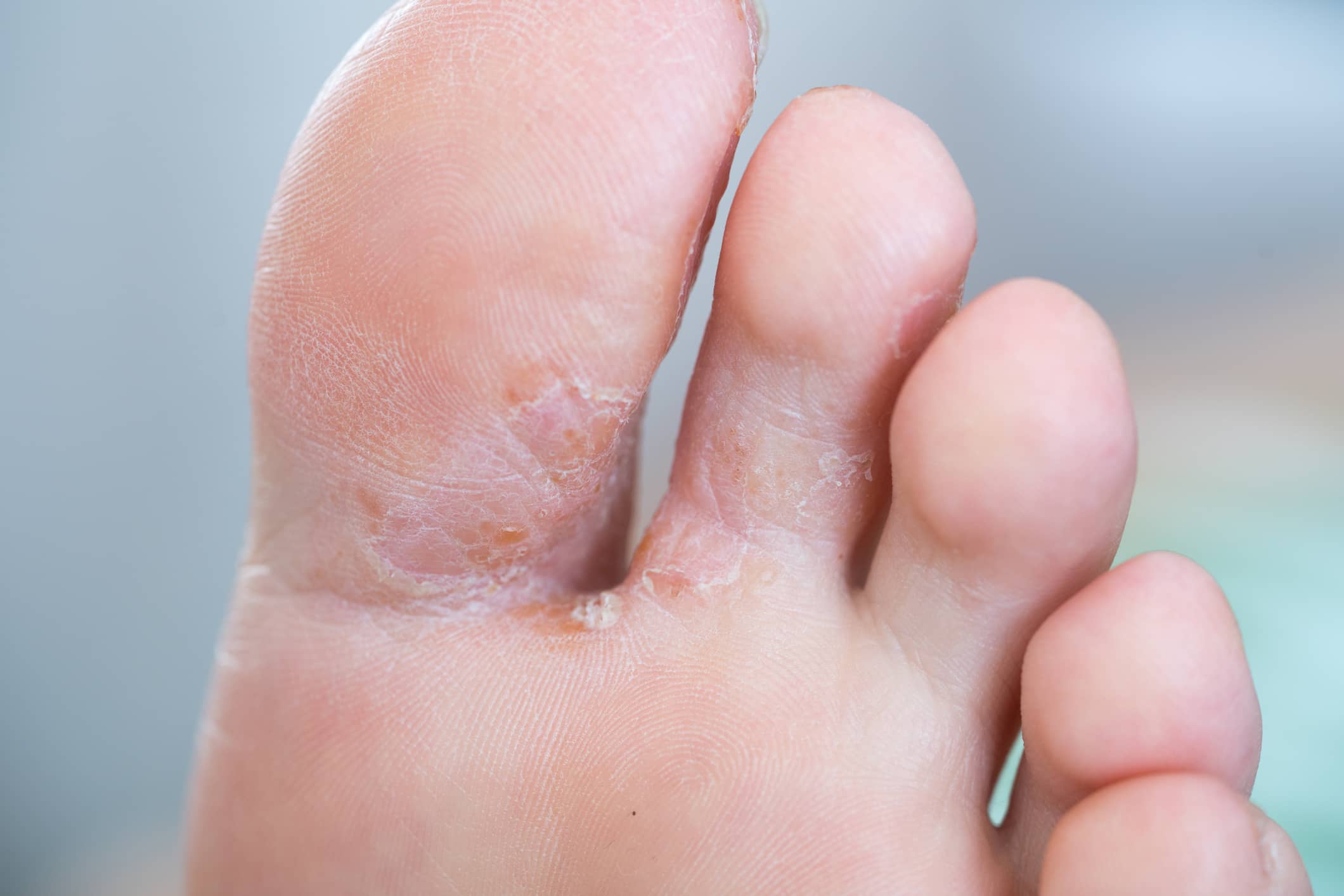
Skin infections range from mild and self-limiting to severe and potentially life-threatening. Most are manageable with appropriate care. However, an infection may become serious if it penetrates deeper layers of the skin or spreads extensively across the body.
Individuals with a weakened immune system have a higher risk of developing skin infections and experiencing complications. This increased vulnerability may result from:
- a medical condition, such as HIV, diabetes, poor circulation, or malnutrition
- side effects of medications, including chemotherapy or biologic drug use
- advanced age or very young age
- skin folds associated with obesity
Over-the-counter remedies and home care can effectively treat many mild infections. Still, certain cases require professional medical evaluation and prescription therapy.
Continue reading to explore the different types of skin infections, what they look like in Foot skin diseases pictures, and what steps to take if you suspect you have one.
Pictures of skin infections
Below are images illustrating common signs and symptoms associated with various skin infections. Comparing these visuals with reliable Foot skin diseases pictures can be helpful, particularly when symptoms involve the toes, soles, or heels.

What are the types of skin infections?
Skin infections are generally classified into four primary categories:
1. Bacterial skin infections
Bacterial skin infections develop when bacteria enter the skin, either from an external source or from organisms already residing on the skin. Entry may occur through a hair follicle, a cut, scrape, or other break in the skin barrier.
Anthrax is one example of bacteria that originates from environmental exposure.
Staphylococcus and Streptococcus commonly inhabit healthy skin and usually cause issues only under specific conditions. Lyme disease is a tick-borne bacterial infection that can produce skin manifestations in addition to systemic symptoms.
Bacterial infections may be systemic or local. Systemic infections affect the entire body and can cause symptoms such as fever. Local infections are confined to a specific region.
Some bacterial skin infections begin in one localized area and then extend to other parts of the body.
Certain infections, including impetigo, can spread through direct skin-to-skin contact, bodily fluids, contaminated food or water, or contact with contaminated surfaces.
Others, such as cellulitis, are not contagious.
Examples of bacterial skin infections include:
- cellulitis
- impetigo
- boils
- Hansen’s disease (leprosy)
Systemic bacterial infections that may produce skin rashes include:
- syphilis
- tuberculosis
- leptospirosis
Some bacterial infections are mild and respond well to topical antibiotics, while others require oral antibiotics or more advanced medical management.
2. Viral skin infections
Viruses are responsible for several infections that produce skin-related symptoms, such as:
- shingles (herpes zoster)
- chickenpox
- Molluscum contagiosum
- warts
- measles
- hand, foot, and mouth disease
- herpes simplex virus
- Mpox
Many viral skin infections are contagious and often involve systemic symptoms in addition to visible rashes or lesions.
3. Fungal skin infections
Fungal infections of the skin are caused by fungi and are most likely to develop in warm, damp areas where skin surfaces touch, such as the feet, armpits, or skin folds.
The feet are particularly prone to fungal overgrowth due to moisture and limited airflow inside shoes. Reviewing Foot fungus pictures can help identify classic signs like scaling, cracking between the toes, and redness on the soles.
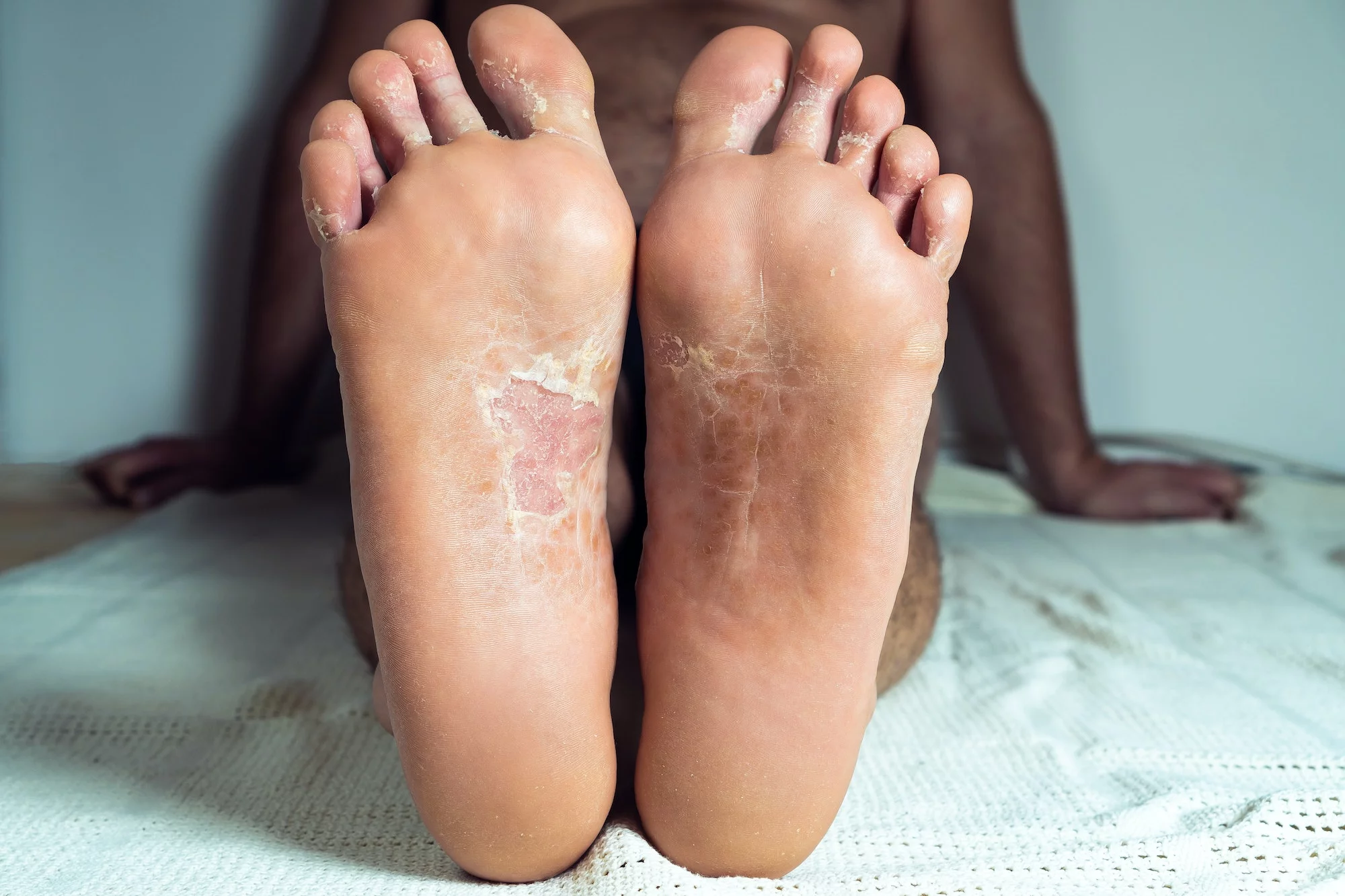
In some instances, an allergic response to a fungal infection can trigger symptoms in areas not directly infected. For example, someone with a fungal infection on the foot may develop a rash on the fingers. This reaction, known as an “id” reaction, is not caused by touching the infected area.
Common fungal infections include:
- athlete’s foot
- yeast infection
- ringworm
- nail fungus
- oral thrush
- diaper rash
Treatment frequently involves antifungal creams. In persistent cases affecting the feet, a topical option such as Foot fungus Cream may be recommended, particularly when symptoms resemble those shown in detailed Foot skin diseases pictures.
4. Parasitic skin infection
Parasitic skin infections result from parasites that live on or beneath the skin. In some situations, these infections can extend beyond the skin into the bloodstream or internal organs. Although typically not life-threatening, they can cause significant discomfort.
Examples include:
- lice
- bedbugs
- scabies
- cutaneous larva migrans
What are the symptoms of a skin infection?
Symptoms vary depending on:
- the type of infection
- the underlying cause
- individual factors, including immune system strength
Common signs of skin infections include:
- redness on pale skin, or purple or darker discoloration on darker skin tones
- lesions that may be flat, raised, bumpy, or wart-like
- itching
- pain or tenderness
- warmth in the affected area
Some individuals may also develop systemic symptoms such as fever.
Indicators of a more severe infection include:
- pus
- blisters
- skin sloughing or breakdown
- darkened areas that may signal necrosis or tissue death
- significant pain and discoloration
- extensive swelling
If you are uncertain whether a rash shown in Foot skin diseases pictures represents an infection or another dermatologic condition, a healthcare professional can provide clarification.
Causes and risk factors for a skin infection
Certain pathogens — especially bacteria and fungi — normally reside on the skin without causing harm. Problems arise when they multiply excessively or enter deeper tissues, overwhelming the immune system.
The specific cause of a skin infection depends on the pathogen involved.
Bacterial skin infection
These infections occur when bacteria enter through a break in the skin, such as a cut, scrape, or puncture wound.
Not every minor injury leads to infection, but the risk increases if you:
- have a weakened immune system
- fail to properly clean and protect the wound
- are exposed to certain bacteria, for instance during outdoor work
Viral skin infection
The most common viruses responsible for skin infections belong to three groups:
- poxviruses, such as : molluscum contagiosum smallpox Mpox
- human papillomavirus (HPV)
- herpes viruses, such as: herpex simplex viruses (HSV) varicella-zoster virus, which causes chickenpox and shingles Epstein-Barr virus (EBV), which can lead to mononucleosis cytomegalovirus (CMV)
Learn more about viral infections of the skin.
Fungal infection
Body chemistry and daily habits can influence the likelihood of developing a fungal infection. Fungi thrive in warm, moist settings, making sweaty feet and tight footwear common contributing factors.
Risk factors include:
- excessively sweaty feet or consistently wearing closed shoes
- remaining in damp or sweaty clothing
- having skin folds due to excess body fat
- swimming or bathing in contaminated water
- sharing personal items with someone who has a fungal infection
Even a small break in the skin can allow fungi or bacteria to penetrate deeper layers.
Parasitic skin infection
Microscopic insects or organisms that burrow beneath the skin and deposit eggs can lead to parasitic infections.
Examples include:
- Scabies: An infestation of mites causing intense itching, small pimples, visible burrow lines, and scaling or crusting.
- Pediculosis: A lice infestation that leads to itching and visible lice or nits (eggs).
- Creeping eruption: Caused by hookworms, producing a winding, snake-like rash.
Diagnosis
Healthcare providers can often determine the type of skin infection based on its appearance and location.
A doctor may:
- ask about your symptoms and medical history
- examine any bumps, rashes, or lesions
- collect a skin sample for laboratory testing if necessary
When to see a doctor
Seek medical attention if you experience:
- pus-filled blisters
- severe or extensive swelling or inflammation
- an infection that does not improve or progressively worsens
- a high fever or other concerning symptoms
- recurrent or frequent rashes
In some cases, skin infections can spread into deeper tissues or the bloodstream, especially in individuals with weakened immune systems.
This progression may result in sepsis, a potentially life-threatening condition requiring urgent treatment.
If you need help finding a dermatologist, then check out our FindCare tool here.
Treatment
Treatment depends on the cause and severity of the infection.
Mild infections may resolve independently or respond to over-the-counter creams and ointments.
For more serious or contagious infections, a doctor may prescribe:
- antibiotics
- antivirals
- antifungals
- antiparasitics
The route of administration — topical, oral, or intravenous — depends on how severe the infection is and the risk of complications. Severe cases may require hospitalization.
Home care and alternative treatments
Home care strategies focus on symptom relief and supporting healing.
Helpful measures include:
- applying cold compresses several times daily to ease itching and inflammation
- taking over-the-counter antihistamines to reduce itching
- using topical creams and ointment to relieve discomfort
Outlook for a skin infection
The prognosis depends on the specific cause, type, and severity of the infection.
Many skin infections respond well to appropriate treatment. However, certain bacteria, such as methicillin-resistant Staphylococcus aureus (MRSA), are resistant to standard antibiotics and can be more challenging to manage.
Skin infection prevention
To lower the risk of developing a skin infection or rash:
- wash regularly and maintain good hygiene
- thoroughly dry the body, especially between toes and skin folds
- avoid sharing personal items such as towels or footwear
- inspect your skin routinely for changes and seek advice promptly if signs of infection appear
- receive recommended vaccinations to prevent illnesses like chickenpox
Frequently asked questions
What are the main types of skin infections?
Skin infections may be:
- bacterial, commonly caused by Streptococcal or Staphylococcal bacteria
- viral, such as chickenpox or warts
- fungal, for example, a yeast infection
- parasitic, such as scabies
What does a bacterial skin infection look like?
Appearance varies by infection, but inflammation — including redness and swelling — is typical.
What is the most common bacterial infection of the skin?
Impetigo is a well-known example. Other common infections include cellulitis and Lyme disease. The most common bacteria linked to skin infections are the Staphylococcus and Streptococcus species.
Takeaway
Skin infections can arise from bacterial, viral, fungal, or parasitic causes. Their effects depend on the specific pathogen involved. Some infections produce localized symptoms only, while others are part of broader systemic illnesses.
Most skin infections are treatable, especially when identified early using reliable clinical guidance and reference materials such as Foot skin diseases pictures. However, severe symptoms and complications are more likely in individuals with weakened immune systems.
Because certain infections — including scabies — are contagious, taking precautions to prevent transmission during treatment is essential.
If you notice signs of a possible skin infection, consult a healthcare professional for evaluation and appropriate care.
Frequently Asked Questions
Common foot skin infections include fungal conditions like athlete’s foot and nail fungus, bacterial infections such as cellulitis, and parasitic infestations like scabies. Viral infections like plantar warts can also affect the feet.
Comparing your symptoms with reliable foot skin diseases pictures can help you recognize characteristic signs like scaling, redness, blisters, or pitted skin, which are indicative of specific infections such as athlete’s foot or pitted keratolysis.
A fungal foot infection often appears as red, itchy, peeling skin between the toes or on the soles. It may include scaling, cracking, small blisters, and in some cases, a rash that spreads, as shown in many foot skin diseases pictures.
Seek medical attention if you experience pus-filled blisters, severe swelling, worsening symptoms, high fever, or if the infection does not improve with over-the-counter treatments. These can indicate a more serious condition requiring prescription medication.
Prevent infections by keeping feet clean and dry, especially between toes, wearing breathable footwear, avoiding sharing personal items like towels or shoes, and inspecting feet regularly for any changes or signs of infection.






Related Posts

8 Exercises to Ease Heel Spur Pain
Sep 27, 2026 • 18 min read
Why Are Blisters Forming Between My Toes and How Do I Treat Them?
Jul 31, 2026 • 3 min read
7 Stretches for Shin Splints
Sep 15, 2026 • 21 min read
8 Ankle Stretches to Try at Home
Sep 15, 2026 • 6 min read
What to Do When Your Shoes Are Too Tight
Aug 12, 2026 • 33 min read