

Key takeaways
- The most common early signs of type 2 diabetes are frequent urination, extreme thirst, and persistent hunger.
- If you have type 2 diabetes, you might experience tingling or numbness in your hands, fingers, feet, and toes. This is a sign of nerve damage, or diabetic neuropathy.
- Early diagnosis and swift treatment can significantly reduce the risk of later complications.
Type 2 diabetes is a widespread metabolic disorder in which your body gradually loses the ability to properly use glucose in the bloodstream, also referred to as blood sugar. As blood glucose levels rise, a variety of symptoms can develop — and many of them appear early in the course of the disease.
Understanding the Woman early signs of diabetic feet and other initial symptoms of type 2 diabetes is essential for timely intervention. The most common early warning signs include frequent urination, extreme thirst, and persistent hunger. However, additional physical and neurological changes may also signal that blood sugar levels are elevated. Although receiving a diagnosis can feel overwhelming, type 2 diabetes is highly manageable — especially when identified early.
Below, you’ll find a detailed overview of symptoms that may indicate type 2 diabetes and guidance on seeking prompt medical care to reduce the risk of long-term complications.
Signs of type 2 diabetes
1. Frequent urination
Frequent or excessive urination — medically known as polyuria — often occurs when blood sugar levels rise high enough that excess glucose “spills” into the urine.
When the kidneys are unable to filter and reabsorb all the circulating glucose, they excrete some of it into the urine. This process pulls additional fluids with it, increasing urine output and causing more frequent trips to the bathroom, including overnight.
2. Extreme thirst
Intense or unrelenting thirst is another hallmark early symptom of diabetes. It is closely linked to elevated blood sugar and worsened by frequent urination, which contributes to dehydration. In many cases, drinking fluids provides only temporary relief.
Severe thirst and dehydration can lead to cognitive dysfunction, affecting concentration, memory, and daily functioning. Persistent dehydration may also worsen fatigue and headaches.
3. Increased hunger
Marked hunger, known as polyphagia, is another early warning sign of diabetes.
Under normal circumstances, your body converts glucose into energy for your cells. When insulin resistance interferes with this process, glucose remains in the bloodstream instead of entering cells. As a result, your body perceives an energy shortage and signals you to eat more, leading to ongoing hunger even after meals.
4. Nerve pain or numbness
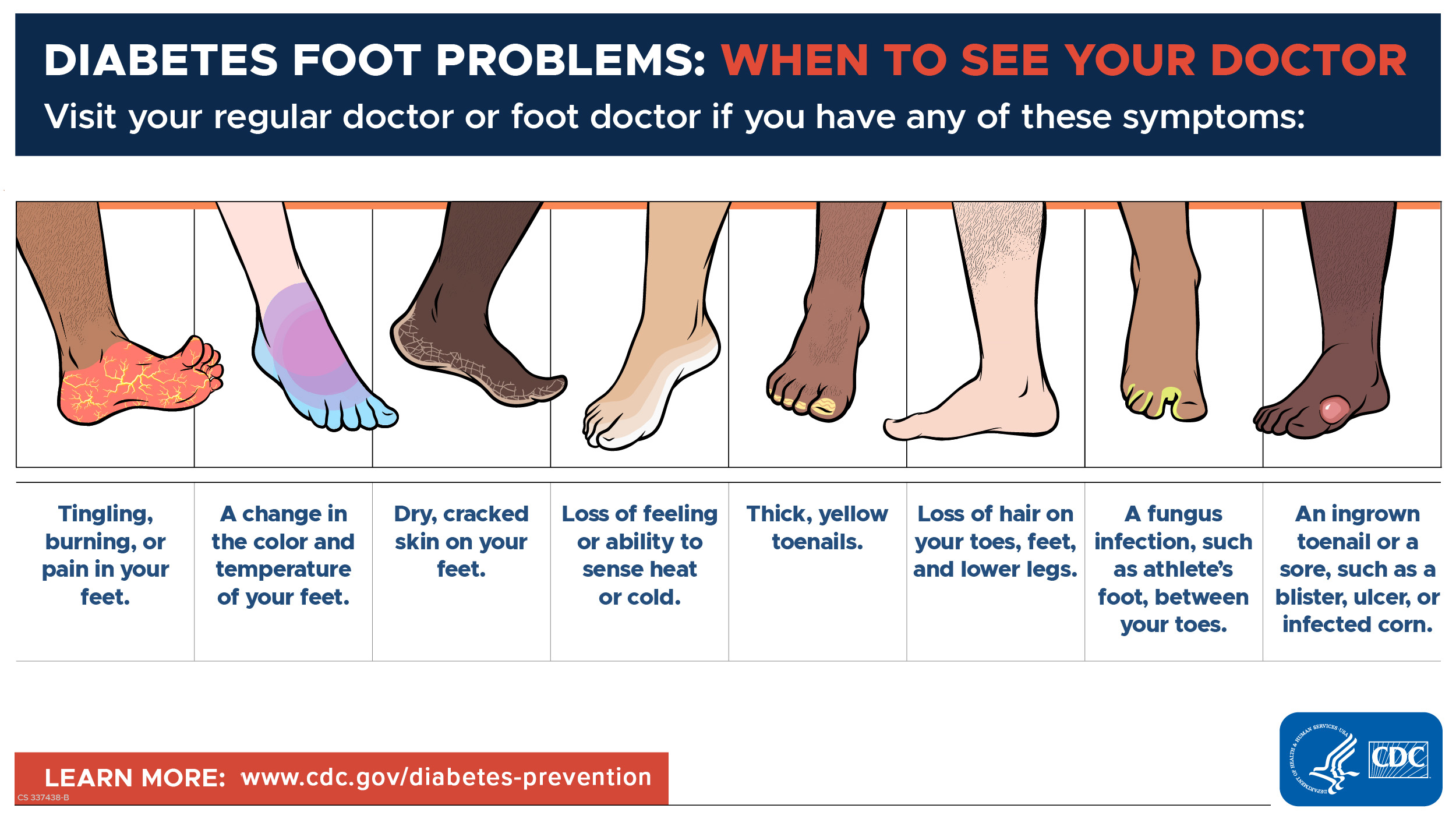
If you have type 2 diabetes, you may notice tingling, burning sensations, or numbness in your hands, fingers, feet, or toes. This is a symptom of nerve damage called diabetic neuropathy.
Diabetic neuropathy typically develops gradually over time due to prolonged high blood sugar levels damaging nerves. For some individuals, nerve-related symptoms — particularly in the feet — may be among the first noticeable changes. Recognizing Woman early signs of diabetic feet, such as altered sensation or mild numbness, is especially important to prevent ulcers and infections.
If you’re concerned about how early nerve changes may appear, reviewing Diabetic feet pictures beginning stages can help you better understand what subtle symptoms may look like.

5. Slow healing wounds
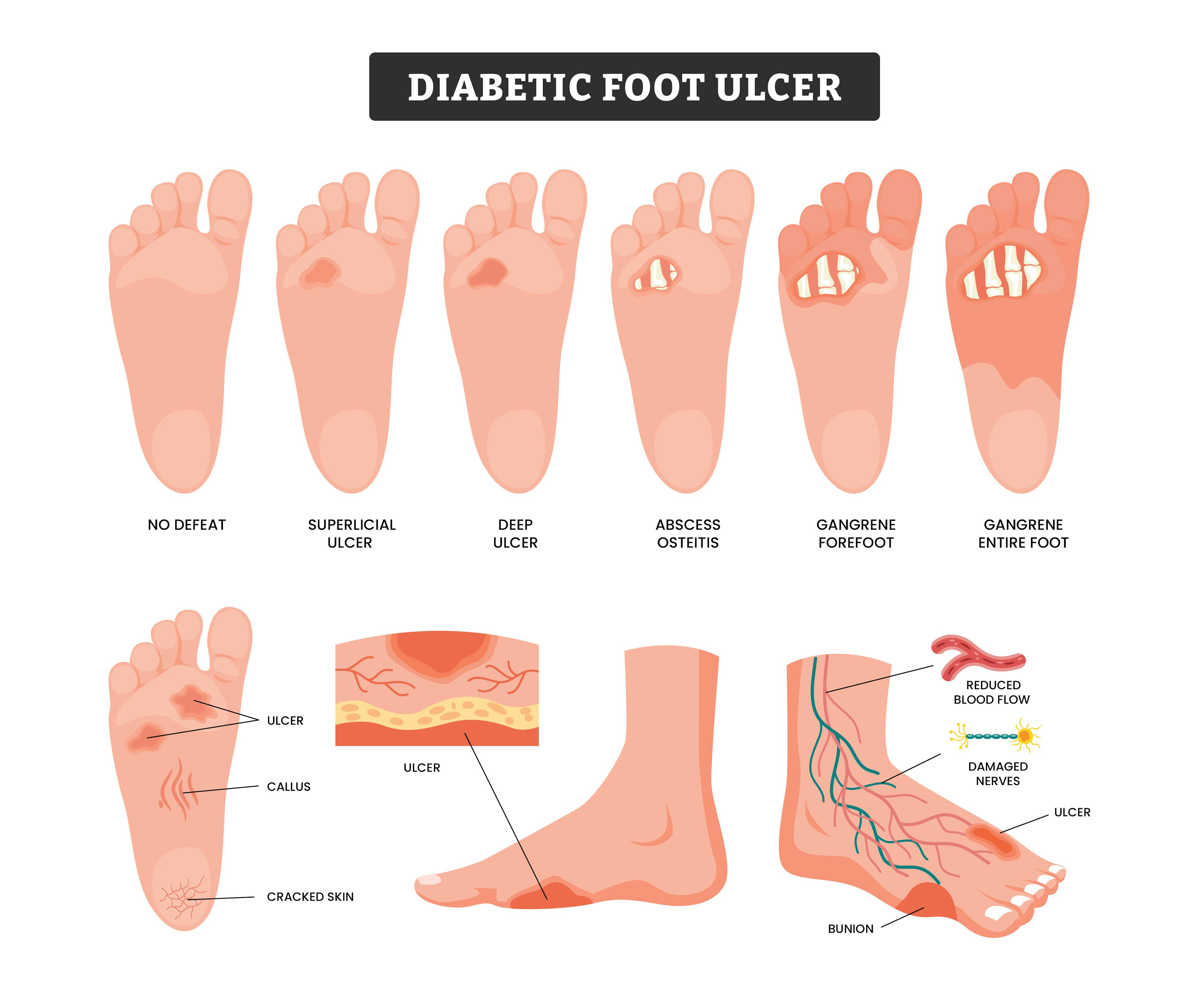
Wounds and cuts tend to heal more slowly in people with diabetes for several reasons. Persistently high blood sugar narrows blood vessels, reducing circulation and limiting the delivery of oxygen and nutrients necessary for tissue repair.
In addition, elevated glucose levels impair immune system function, making it harder for your body to fight infection. This combination significantly increases the risk of foot ulcers — a key concern when discussing Woman early signs of diabetic feet and long-term foot health.
6. Blurred vision
Blurred vision frequently appears in the early stages of unmanaged diabetes. Sudden spikes in blood sugar can affect the small blood vessels in the eyes, causing fluid to leak into the lens and temporarily altering its shape. This leads to visual blurriness, which often improves once blood sugar stabilizes. Nevertheless, prompt evaluation by an eye doctor is essential.
Unmanaged diabetes may lead to the following eye conditions:
- cataracts
- glaucoma
- ocular surface disorders
- recurrent stye
- non-arteritic anterior ischemic optic neuropathy
- diabetic papillopathy
Over time, persistently elevated blood sugar increases the likelihood of diabetic retinopathy, a serious complication that can result in vision loss if left untreated.
7. Dark skin patches
Darkened, velvety skin in body folds — known as acanthosis nigricans — is another early indicator of type 2 diabetes. It most commonly appears in the armpits, neck, and groin. The affected skin may feel thicker or slightly raised.
This skin change is associated with excess insulin in the bloodstream and is commonly seen in individuals with insulin resistance, the primary underlying mechanism of type 2 diabetes.
8. Frequent infections
While anyone can develop bacterial, fungal, or yeast infections, people with type 2 diabetes tend to experience them more often and sometimes more severely.
When blood sugar exceeds what the kidneys can filter, glucose enters the urine, encouraging the growth of bacteria and yeast. This increases the risk of urinary tract infections and yeast infections. Gum disease and skin infections are also more common.
Bacterial infections
Some bacterial infections can be managed at home, but others require antibiotics prescribed by a doctor. Common bacterial infections among people with diabetes include:
- styes (in or near the eyelids)
- boils on the surface of the skin, or carbuncles deeper down
- infections of the hair follicles, called folliculitis
- infections around the nails
Fungal infections
Individuals with diabetes frequently develop fungal infections caused by Candida albicans. This yeast-like fungus produces itchy, red rashes often surrounded by small blisters and scaling.
These infections typically develop in warm, moist areas of the body, such as:
- under the breasts
- around the groin
- in the vagina
- around the nails
- between fingers and toes
9. Itchy skin
Itchy skin can be an early and sometimes overlooked symptom of diabetes. Causes may include:
- yeast or fungal infection
- dry skin
- poor circulation, especially in the lower legs
Circulatory problems affecting the lower extremities may also contribute to changes such as Red soles of feet diabetes, which can accompany other Woman early signs of diabetic feet.
10. Dry mouth
According to the National Institute of Diabetes and Digestive and Kidney Diseases (NIDDKD), dry mouth is among the most frequent oral symptoms of diabetes.
Experts are not entirely certain why xerostomia occurs in diabetes, but it is believed to be related to hyperglycemia. Reduced saliva production can increase the risk of cavities, gum disease, and oral infections.
Symptoms of dry mouth may include:
- persistently dry mouth
- difficulty chewing, swallowing, or speaking
- dry, cracked lips
- mouth sores or infections
- a rough, dry tongue
11. Fatigue
Persistent or extreme fatigue is one of the defining features of diabetes, sometimes referred to as diabetes fatigue syndrome.
Researchers have not fully clarified why diabetes causes fatigue. A commonly accepted explanation is that fluctuating blood glucose levels fail to provide consistent energy for the body’s cells.
Fatigue in diabetes may also be influenced by coexisting conditions and lifestyle factors, including:
- dehydration
- poor sleep quality
- physical inactivity
- obesity
- nutrient deficiencies
- psychological stress
- hormonal imbalances
12. Unintended weight loss
Losing weight without trying can sometimes signal diabetes, although it may also indicate other medical conditions. Medical evaluation is important for proper diagnosis.
In type 2 diabetes, excess glucose in the bloodstream is eliminated through urine rather than used for energy. This calorie loss can lead to weight reduction despite increased food intake.
Researchers have observed that individuals who experience unintended weight loss before a diabetes diagnosis may face a higher risk of complications such as diabetic retinopathy and diabetic nephropathy.
13. Irritability
Mood swings or irritability may be associated with type 2 diabetes, though they can also result from numerous other causes.
When mood changes are related to diabetes, they often occur alongside additional symptoms. Emerging research suggests a link between fluctuating blood sugar levels and emotional well-being.
Both high and low blood sugar levels can contribute to:
- irritability
- anxiety
- worry
14. Prediabetes
Most people develop prediabetes before progressing to type 2 diabetes. In prediabetes, blood sugar levels are elevated but not yet high enough for a diabetes diagnosis. Some individuals experience mild symptoms, while others notice none.
If you suspect prediabetes, these are the typical laboratory ranges:
- an A1C of 5.7% to 6.4%
- fasting blood sugar of 100 to 125 milligrams per deciliter (mg/dl)
- an OGTT 2-hour blood sugar of 140 mg/dl to 199 mg/dl
What to do if you’re experiencing early signs of diabetes
If you believe you’re noticing early signs of type 2 diabetes — including symptoms affecting your feet — schedule an appointment with your doctor as soon as possible.
Diagnosis typically involves a simple blood test, and results are often available quickly. Keep in mind that many early symptoms of diabetes resemble those of other conditions, so professional evaluation is essential.
Type 2 diabetes is a manageable chronic condition, particularly when detected early. Prompt diagnosis and appropriate treatment greatly lower the risk of serious complications, including nerve damage, kidney disease, vision loss, and advanced diabetic foot problems.
Targeted lifestyle adjustments — such as adopting a balanced diet, engaging in regular physical activity, monitoring blood sugar, and practicing daily foot care — can significantly improve outcomes. Some individuals may not require medication initially, while others benefit from starting it early to maintain optimal blood glucose control.





















Leave a Reply
You must be logged in to post a comment.