What Are Tannins in Tea, and Do They Have Benefits?


These plant-derived chemicals are present in tea and many other botanical foods and drinks. Tannins have antioxidant and anti-inflammatory properties, yet they can sometimes cause issues like nausea when consumed on an empty stomach.
It’s easy to see why tea ranks among the world’s most consumed beverages.

Tea is not only tasty, calming, and revitalizing but is also valued for a range of possible health advantages (1 ).
Tannins are a class of compounds found in tea. They’re notable for their characteristic taste and distinctive chemical behavior, and they may also offer health-promoting effects (2 ).
This piece covers what you should know about tannins in tea, including their potential benefits and possible adverse effects.
What are tannins?
Tannins are a variety of plant compound that fall under the broader category known as polyphenols (2 ).
These molecules are generally larger than many other polyphenols and have a distinctive capacity to readily bind with other substances such as proteins and minerals (2 ).
Tannins occur naturally across many edible and non-edible plants — from bark and leaves to spices, nuts, seeds, fruits, and legumes. Plants synthesize them as a defense mechanism against pests. Tannins also contribute to the color and taste of plant-based foods (3 , 4 ).
Common dietary sources rich in tannins include tea, coffee, wine, and chocolate.
The astringent, somewhat bitter sensations typical of these foods and beverages are usually due to their high tannin content (2 , 5 ).
Summary: Tannins are plant-derived compounds found in foods and drinks such as tea, coffee, chocolate, and wine. They’re known for their astringent, bitter taste and their tendency to bind with proteins and minerals.
Tannin levels differ among tea types
While tea is widely regarded as a concentrated source of tannins, several factors influence how much ends up in your cup.
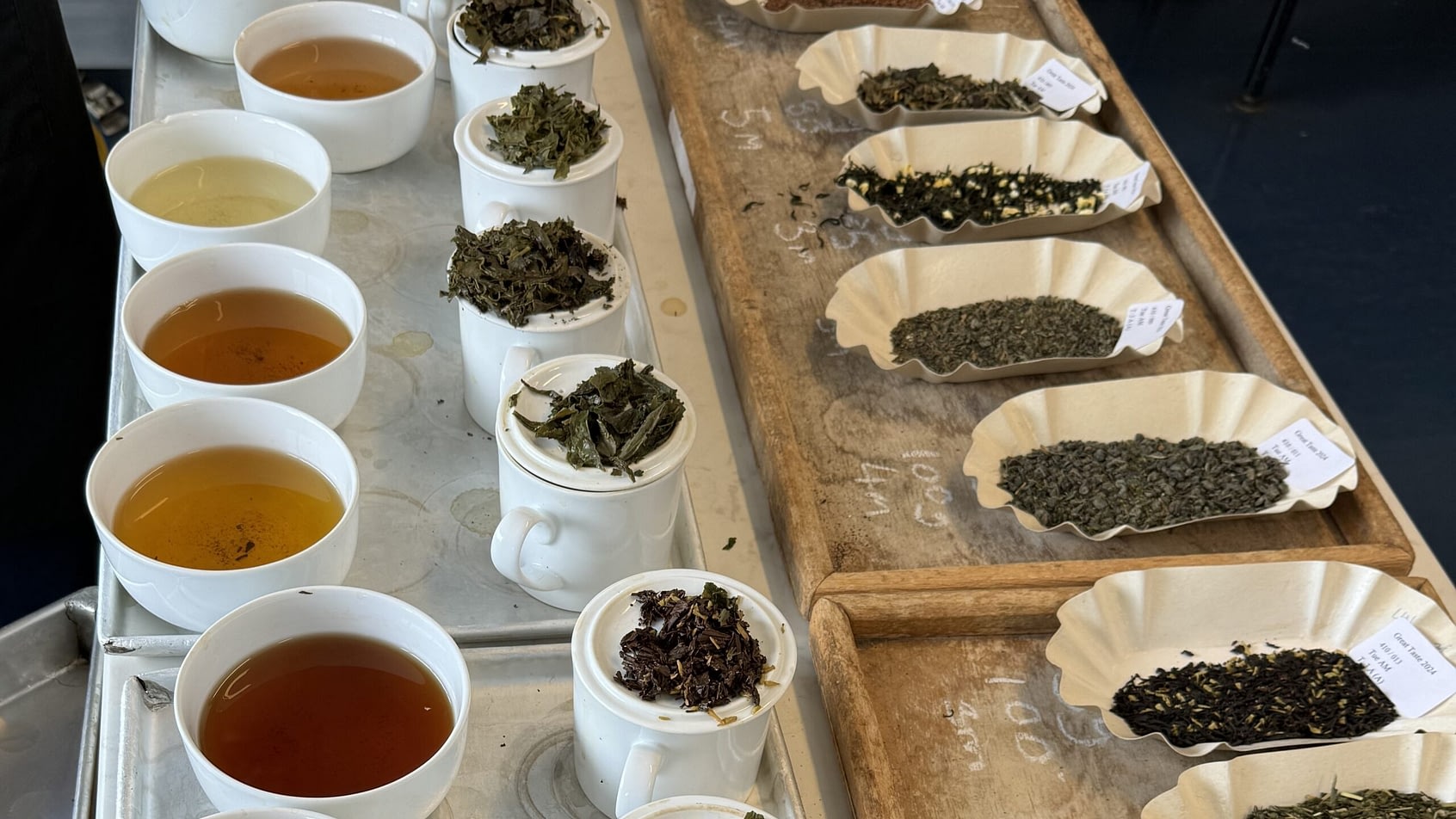
The four primary tea categories are white, black, green, and oolong, all produced from leaves of the Camellia sinensis plant (6 ).
Every tea type contains tannins, but their amounts are heavily influenced by processing methods and steeping duration when preparing the tea.
Some reports indicate black tea typically has the greatest tannin concentration, while green tea often has the least.
White and oolong teas generally fall between those two, though levels can vary widely based on production techniques (7).
In general, lower-grade teas tend to contain more tannins, and the longer you steep tea, the higher the tannin content in the resulting brew.
Summary: All teas contain tannins, but the exact quantity varies substantially according to how the tea is processed and how long it’s steeped.
Possible health benefits
Tea contains multiple types of tannins, and their full effects on humans are still being researched.
However, initial studies suggest some tea tannins act similarly to other polyphenols, potentially helping prevent disease through antioxidant and antimicrobial actions (3 ).
Epigallocatechin gallate
One prominent tannin in green tea is epigallocatechin gallate (EGCG).
EGCG is part of the catechin family and is believed to contribute to several of green tea’s health-related effects.
Animal and laboratory research indicates EGCG may help lower inflammation and shield cells from damage, potentially influencing chronic conditions like heart disease and cancer (8 , 9 ).
More human-focused studies are required to clarify how EGCG might be harnessed to support health.
Theaflavins and thearubigins
Tea is also rich in two tannin groups known as theaflavins and thearubigins. These are especially abundant in black teas and help give black tea its deep color.
Little is currently known about theaflavins and thearubigins, but early evidence suggests they act as powerful antioxidants and may protect cells from free radical damage (10 ).
Most findings related to theaflavins and thearubigins come from lab and animal research; human studies are limited.
Ellagitannin
Tea also contains notable amounts of ellagitannin (11 ).
Preliminary work suggests ellagitannin might support the growth and activity of beneficial gut microbes, though additional research is necessary (11 ).
Ellagitannin is also being studied for its potential role in cancer prevention and therapy.
Similar to other dietary polyphenols, ellagitannin demonstrates notable antioxidant and anti-inflammatory effects. Laboratory studies have shown it may help slow the growth and spread of cancer cells (12 ).
While current findings are encouraging, more research is needed to determine whether ellagitannin has proven anti-cancer benefits and how it might fit into prevention or treatment strategies.
Summary: Certain tannins in tea may offer disease-preventing benefits through antioxidant and anti-inflammatory activity. However, further study is necessary to fully understand their effects on human health.
Possible drawbacks
Although tea tannins can confer health advantages, consuming too much may lead to unfavorable outcomes.
Tannins’ propensity to bind with other compounds gives tea its bitter, drying taste but can also interfere with some digestive functions.
Decreased iron absorption
A primary concern with tannins is their potential to reduce iron uptake.
In the gut, tannins can bind to iron from plant sources, making it less available for absorption (13 ).
Evidence suggests this effect is unlikely to be harmful in people with adequate iron stores but could be problematic for those who are iron-deficient (13 ).
If you have low iron yet still want to enjoy tea, reduce the risk by not drinking tea alongside iron-rich meals.
Try consuming tea between meals instead.
May trigger nausea
High concentrations of tannins in tea can cause nausea if consumed on an empty stomach, particularly in individuals with sensitive digestive systems (6 , 14 ).
You can reduce this risk by drinking your morning tea with food or adding a dash of milk. Proteins and carbs in food can bind some tannins, lessening their irritant effect on the digestive tract (14 ).
Also consider limiting the number of cups you drink at once.
Summary: Tannins can cause nausea and may reduce iron absorption from plant-based foods.
The bottom line
Tannins are plant-derived chemical compounds found in many foods and drinks, including tea.
They largely account for tea’s dry, mildly bitter taste and contribute to the color of some tea varieties.
Early research indicates tea tannins may offer health benefits through antioxidant and anti-inflammatory effects, though more investigation is required.
Tannins can cause nausea when consumed on an empty stomach and may impede iron absorption from certain foods.
To gain the benefits of tannin-rich tea while minimizing downsides, drink tea apart from iron-containing meals and consume it in moderation.
Frequently Asked Questions
Tannins are plant-derived polyphenol compounds found in tea leaves that give tea its astringent, slightly bitter taste and can bind to proteins and minerals.
Yes—some tea tannins, like EGCG and theaflavins, show antioxidant and anti-inflammatory activity in lab and animal studies, which may support health; more human research is needed.
Yes—tannins can bind non-heme iron from plant foods and reduce its absorption, which may be a concern for people with low iron stores; avoid drinking tea with iron-rich meals.
High tannin concentrations, especially on an empty stomach, can irritate the digestive tract and cause nausea; drinking tea with food or adding milk often reduces this effect.
Tannin levels vary by tea type and processing—black teas often contain more tannins, green teas typically less, with white and oolong teas usually falling in between; steeping time and quality also matter.
Read Next

The 20 Best Low Carb Vegetables (Plus 1 Great Low Carb Fruit)
What Is Cupuaçu? Benefits and Uses
Spinach 101: Nutrition Facts and Health Benefits

2025 Noom Diet Review: Follow Our Reviewer’s 12-Month Weight Loss Journey
Is Ovaltine Healthy? All You Need to Know

Arbonne Diet Review: Overview, Effectiveness, and More
Related Posts

How Many Carbs Are in Various Types of Sausage?
Aug 5, 2026 • 30 min read
What Is Free-Range Chicken?
Sep 3, 2026 • 5 min read
Carbohydrates in Brown, White, and Wild Rice: Whole vs. Refined Carbs
Aug 5, 2026 • 11 min read
10 Potential Health Benefits of Bee Pollen
Sep 11, 2026 • 20 min read
How Many Calories Are in an Egg?
Aug 26, 2026 • 20 min read