
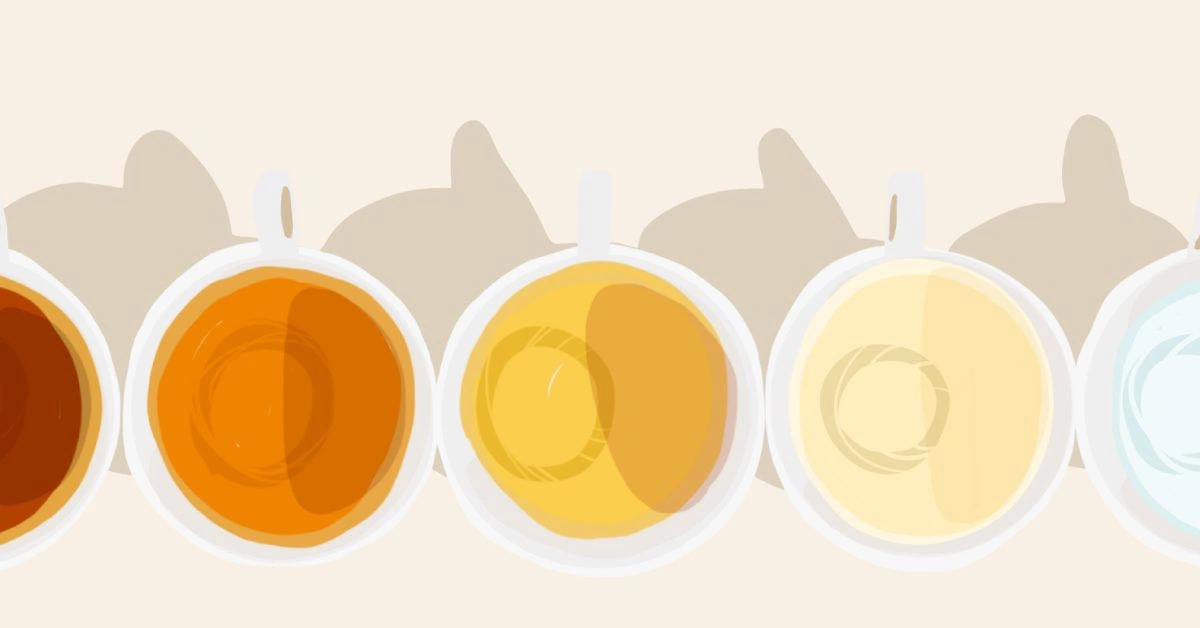
Pee is a pretty handy measurement tool for health
Because hydration influences many bodily processes — from brain function to sexual performance — it’s worth keeping an eye on the shade of your urine.
The good part is you don’t need to collect a sample. You can judge the color simply by glancing into the toilet after you go. (Don’t stress if the color looks slightly diluted by the bowl water — it still provides a useful indication.)
You’ve likely noticed urine hue shifts throughout the day, sometimes even hour-to-hour. So what counts as healthy and what needs attention? We created this pee color guide so you can stop guessing.
Read on to find out why these hues occur.
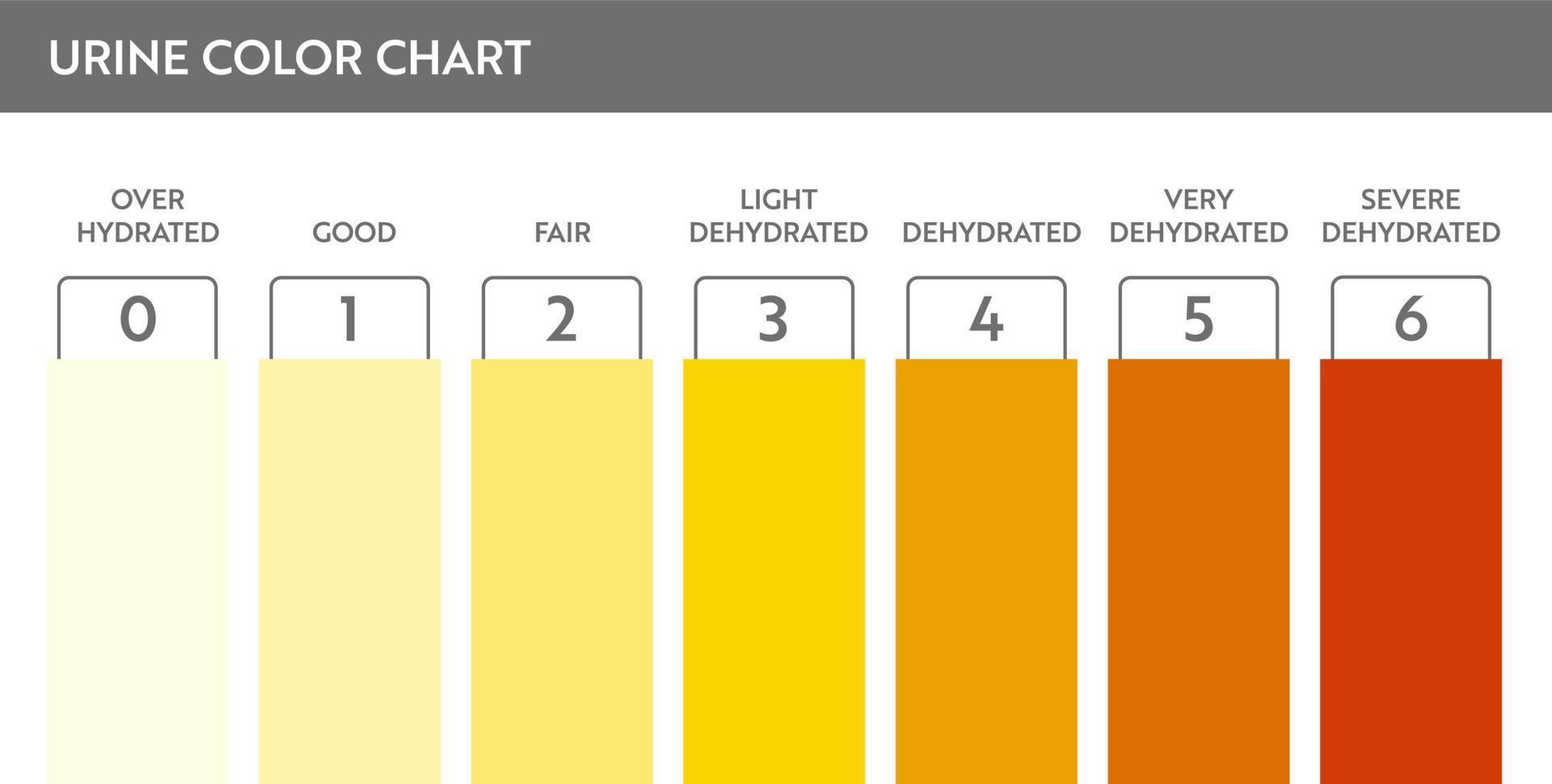
100 percent transparent
Drinking adequate water daily is important, but it’s possible to overdo it. If your urine is completely clear without any yellow tint, you’re probably consuming more water than necessary.
Also, if you’re constantly running to the bathroom, that’s another clue you might be overhydrating. For most adults, urinating 4 to 10 times in 24 hours is considered typical.
Overhydration is something to avoid because too much water can dilute your body’s electrolytes. Although uncommon, this can cause water intoxication.
That said, most people won’t encounter that extreme. If you are overhydrated, try sipping small amounts of water until your urine reclaims a light yellow tint.
Like lemonade to light beer
Urine that ranges from lemonade pale to a brighter light-beer shade indicates you’re well hydrated. We consider this part of the urine spectrum our #peegoals. (Yes, you can feel proud about it!)
Drinking water is the obvious method to maintain hydration. But remember that fruits and vegetables also contribute substantial amounts of water.
Fruits and veggies great for hydration
- tomatoes
- cucumbers
- strawberries
- cabbage
- zucchini
- lettuce
- melons
Concentrated amber to copper
If your urine appears amber or a darker blond, it’s likely time to increase your water intake. While this color range doesn’t usually indicate immediate danger, it can signal you’re moving toward dehydration.
When the body loses more fluid than it takes in, it conserves the water it has. With less fluid to dilute them, natural minerals and chemicals in urine become more concentrated and darker in color.
Light roast coffee to burnt orange
If your urine is any shade of brown or deep orange, pay attention — you may be significantly dehydrated.
Vomiting, diarrhea, and fever can rapidly deplete body fluids and are common triggers for dehydration. Fortunately, many healthy adults can rehydrate by steadily drinking plenty of water and beverages rich in electrolytes.
Keep in mind that while bottled and tap water contain trace electrolytes, you might need drinks with a higher electrolyte concentration — like sports drinks or a homemade rehydration mix — to properly restore balance.
For children experiencing dehydration from vomiting or diarrhea, the Mayo Clinic suggests using an over-the-counter oral rehydration solution such as Pedialyte.
Tips for staying hydrated
- Carry a refillable water bottle.
- Limit caffeine and alcohol.
- Drink plenty of water before exercising.
- Avoid foods that are excessively salty or sugary.
- Add lemon to water to make it more appealing.
Sometimes recent food intake can cause brownish urine. Foods known to darken urine include:
- aloe
- fava beans
- food coloring
- rhubarb
Medical issues linked to brown urine can include:
- kidney disease
- liver disease
- porphyria, a rare inherited blood disorder
What’s causing my rainbow pee?
We expect urine to be some shade of yellow. So when you look and find another hue, it can cause brief alarm.
Before jumping to conclusions about why your toilet looks like a bowl of cereal, pause and consider any new foods or medications you’ve had recently.
| Color | Medication-related cause | Food-related cause | Medical condition-related cause |
| wine red to pink | senna (Ex-Lax), chlorpromazine (Thorazine), thioridazine (Mellaril) | blackberries, beets, and rhubarb | infection of the prostate, bladder, or kidney; tumors or internal injury |
| orange peel to copper | rifampin (Rifadin), warfarin (Coumadin), phenazopyridine (Pyridium) | carrots or carrot juice | dehydration and issues with the liver or bile ducts |
| blue to green and everything in between | amitriptyline, indomethacin (Indocin), cimetidine (Tagamet), and promethazine (Phenergan); also methylene blue and propofol (though these are rarely used outside hospitals) | asparagus and food coloring | UTI caused by Pseudomonas aeruginosa bacteria, blue diaper syndrome, and some dyes used in medical testing |
| lavender to indigo | not applicable | food coloring | UTI due to P. aeruginosa, Hartnup disease, highly alkaline urine (often seen with catheterization) |
| cloudy to opaque | not applicable | anchovies, herring, red meat, excessive milk | dehydration, a sexually transmitted infection (STI), UTI, kidney stones, vaginitis, and prostatitis |
Other symptoms that point to more serious conditions:
- fever
- nausea
- vomiting
- abdominal pain
- frequent urge to urinate
When to see a doctor
If you’re hesitating, unsure, or seeing persistent abnormal colors that can’t be traced to foods or medicines you recently used, it’s sensible to consult a physician.
Moreover, experts advise scheduling an appointment sooner rather than later if your urine is very dark or orange, since liver dysfunction can cause this.
Other reasons to seek medical attention include accompanying odors or symptoms, such as:
- a strong or fishy smell
- abdominal pain
- dizziness or confusion
- fever
A combination of symptoms often indicates a deeper issue in the body.
So, just how much water should I be drinking?
Current guidance suggests about 9 cups per day for women and 13 for men. Keep in mind this is a general recommendation.
Variables like age, pregnancy or breastfeeding status, environmental temperature, and activity level all affect how much fluid is appropriate for you.
Q:
Is drinking when you feel thirsty a dependable way to stay hydrated?
A:
If you wait until you’re thirsty to drink, you might fall short. Keeping a refillable bottle nearby is an easy strategy to help ensure you drink enough. You can prompt yourself to sip between tasks or at set intervals, like commercial breaks or between episodes. In very hot, dry conditions, while breastfeeding, or during intense physical activity, be sure to increase your intake a bit.





















Leave a Reply
You must be logged in to post a comment.