What Are the Cutaneous Stigmata (Skin Symptoms) of Cirrhosis?

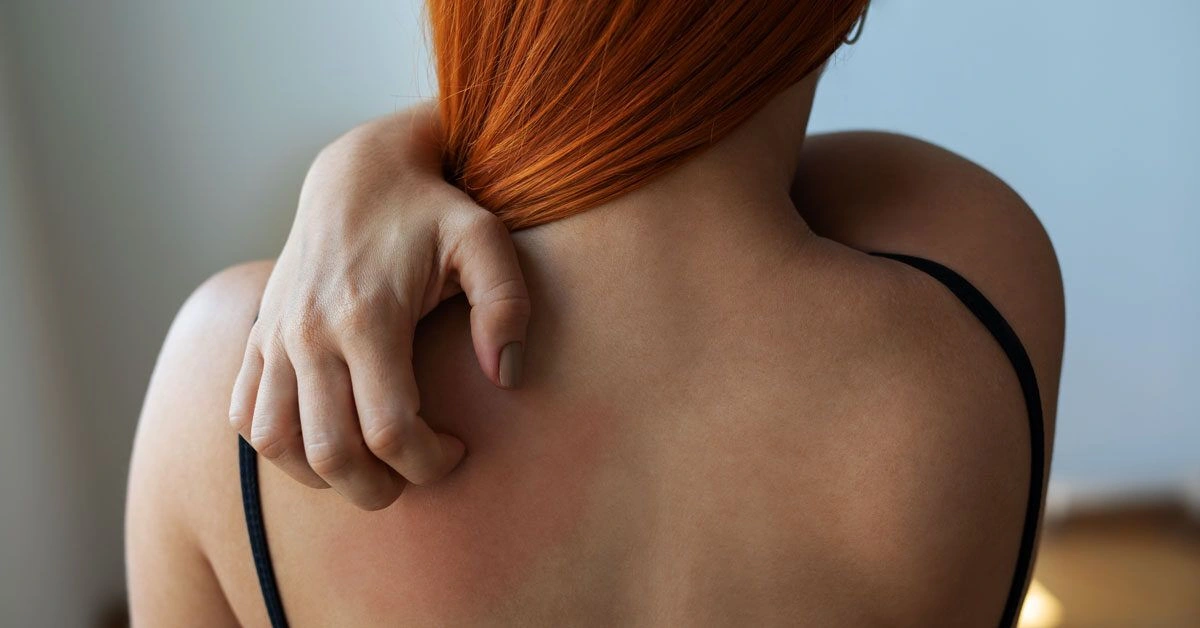
Individuals living with cirrhosis frequently notice changes in their skin, such as rashes, discoloration, or a pattern known as paper money skin. Recognizing these changes early—including visual signs often searched as Cirrhosis liver belly images female—can help with timely medical evaluation. If you begin to observe unusual skin symptoms, it’s important to consult a doctor for proper assessment.
Concerns involving the skin, hair, and nails are common among people with chronic liver diseases like cirrhosis. These outward signs, medically referred to as cutaneous stigmata, may serve as the earliest visible clue of underlying liver dysfunction.
That said, cirrhosis frequently presents with no symptoms during its initial stages. Skin-related and systemic manifestations often appear only after significant liver damage has occurred. Visual references such as Liver belly images female or Pictures of swollen abdomen due to liver disease may help individuals understand how advanced liver disease can appear externally.
Cirrhosis develops when scar tissue gradually replaces healthy liver tissue, impairing the organ’s ability to function. Several conditions can result in progressive liver damage that leads to cirrhosis, including:
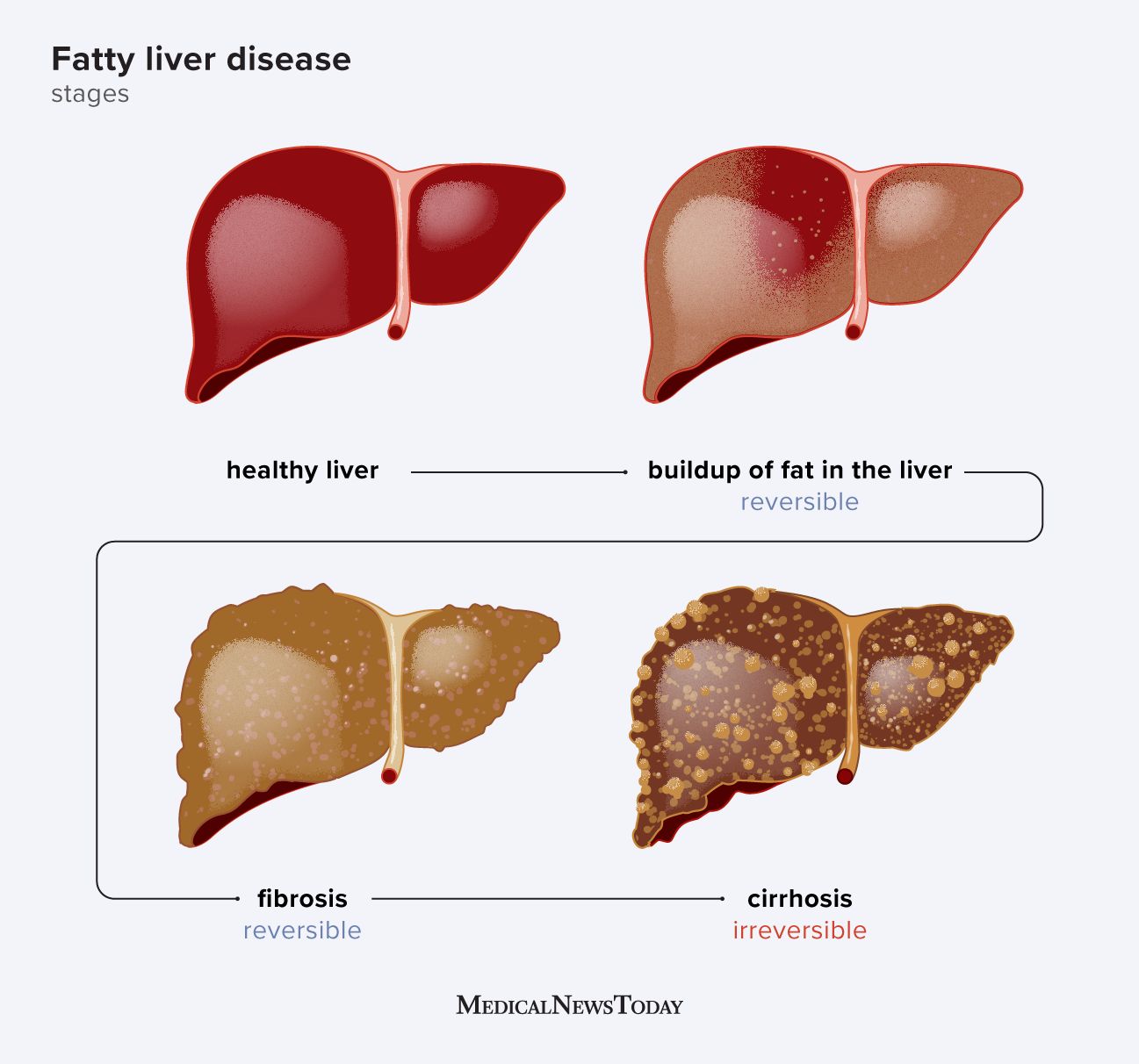
- long-term alcohol use
- nonalcoholic fatty liver disease
- hepatitis
Although scarring caused by cirrhosis is irreversible, medical treatment, early detection, and lifestyle modifications can slow progression and reduce the risk of complications. Monitoring physical changes—including abdominal swelling and dermatologic signs—can be an important part of ongoing care.
Below are common skin-related symptoms associated with cirrhosis and available treatment options.
Pruritus (itching)
Pruritus, or persistent itching, is frequently reported in people with chronic liver disease.
The sensation may be localized to a specific area or may involve the entire body. Affected skin can appear red, inflamed, rough, or marked with small bumps or fissures.
Scratching typically does not resolve the itching and can sometimes worsen skin irritation. Many individuals notice that symptoms intensify at night, which can interfere with sleep and overall quality of life.
Treatment approaches that may help ease itching include:
- placing a cold compress over itchy areas
- taking a lukewarm oatmeal bath
- using over-the-counter (OTC) corticosteroid creams or ointments
- taking OTC antihistamines
- phototherapy (light therapy)
Minimizing scratching is essential to prevent skin damage and infection. Wearing breathable, loose-fitting clothing and avoiding excessive heat exposure may also provide relief. In some cases, doctors may prescribe medications specifically aimed at reducing bile salt–related itching.
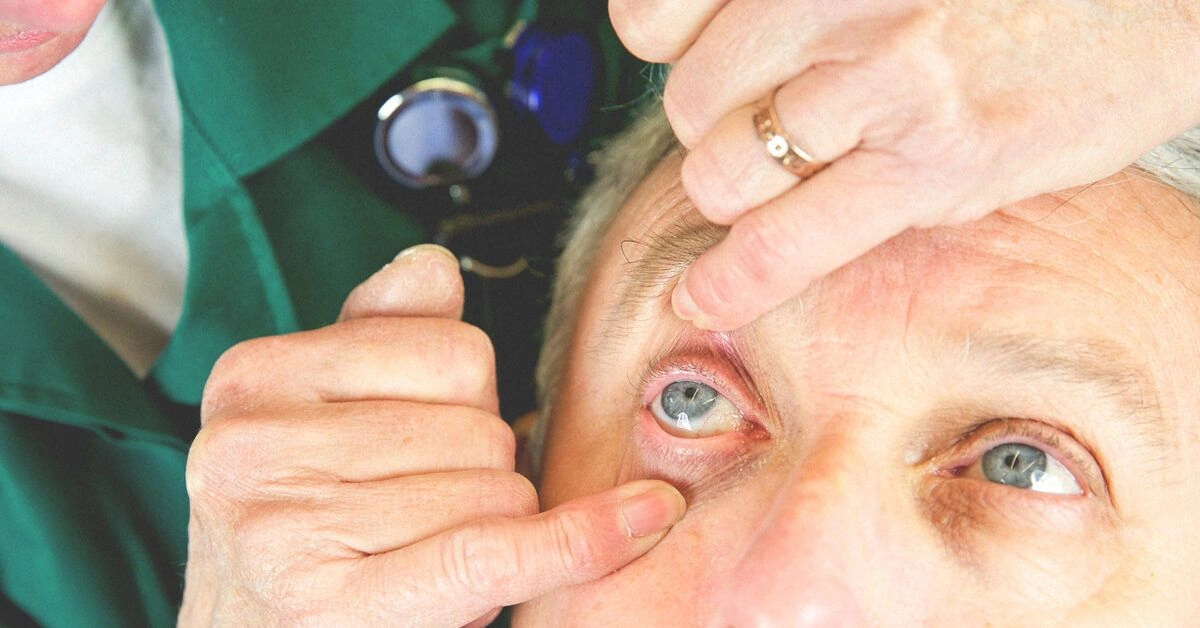
Jaundice
Jaundice is a serious condition characterized by yellowing of the skin and the whites of the eyes. It occurs when excess bilirubin—a yellow pigment—accumulates in the bloodstream.
Bilirubin forms as red blood cells break down and are processed by the liver. Under normal circumstances, bilirubin is excreted through urine. When cirrhosis impairs liver function, bilirubin is not effectively cleared, leading to buildup.
Along with skin discoloration, jaundice may be accompanied by itching, which can be managed using the treatments described above. Because jaundice often signals worsening liver function, prompt medical evaluation is critical.
Xerosis (dry skin)
Severely dry skin, known as xerosis, can occur in people with cirrhosis. One contributing factor may be the liver’s reduced ability to metabolize vitamin A, which plays an essential role in maintaining skin health.
A 2021 study of 125 people with cirrhosis found that 93.5% had a vitamin A deficiency.
In addition to the therapies used for pruritus, the following strategies may help manage xerosis:
- Consume a nutrient-dense diet rich in fruits, vegetables, and lean meat.
- Apply oil-based moisturizers regularly to lock in hydration.
- Limit prolonged exposure to water by taking shorter baths or showers and reducing time spent in pools or hot tubs.
- Stay well hydrated by drinking adequate amounts of water.
- Use a humidifier to add moisture to indoor air.
Supporting overall liver health through medical management and balanced nutrition can indirectly improve skin hydration over time.
Spider angioma
A spider angioma is a small vascular lesion consisting of a central red dot with fine blood vessels radiating outward, resembling a spider.
Approximately 33% of people with cirrhosis develop these painless marks. Multiple lesions may be present at the same time.
Cirrhosis linked to excessive alcohol consumption may contribute to spider angiomas because ethanol promotes new blood vessel formation.
In addition to cirrhosis, spider angioma can be associated with:
- rheumatoid arthritis
- pregnancy
- severe malnutrition
For cosmetic concerns, lesions may be removed using electrocauterization, though recurrence is possible if underlying liver disease persists.
Xanthelasma
Xanthelasma appears as yellowish, fatty deposits beneath the skin, typically around the eyelids. In cirrhosis, elevated cholesterol levels may contribute to its development.
People with diabetes or high blood pressure can also experience xanthelasma. Women and individuals of Asian or Mediterranean descent are more likely to develop it.
Although harmless, xanthelasma may be removed for aesthetic reasons through minor procedures performed by a healthcare professional.
Paper money skin
Paper money skin refers to the appearance of fine, threadlike red and blue capillaries on the upper torso, resembling patterns seen on currency.
This finding is similar to spider angiomas and may result from bleeding into the skin, which can occur in cirrhosis due to clotting abnormalities and vascular changes.
Skin symptoms specific to alcoholic liver cirrhosis
The following dermatologic features are particularly associated with cirrhosis caused by chronic alcohol use:
- spider angioma
- paper money skin
- Dupuytren’s contracture, a condition where the tissue beneath the skin of your palms and base of your fingers thickens and forms nodules that may cause one or more fingers to bend toward your palm
- disseminated superficial porokeratosis, a disease that causes small, brownish dry patches on the skin of your arms and legs
Hair and nail changes
Cirrhosis can also affect hair growth and nail appearance in the following ways:
- thinning hair
- loss of pubic or facial hair in people assigned male at birth, caused by raised levels of estrogen
- clubbing, where your fingernails or toenails change shape due to increased blood flow
- thickened or ridged nails
- Terry’s nails, a condition that changes the color of your fingernails to white, with a brown or red band at the tips
These changes are often linked to hormonal imbalances, nutritional deficiencies, and altered circulation related to liver dysfunction.
Hyperpigmentation
Approximately 47% of individuals with cirrhosis develop hyperpigmentation, which appears as grayish blotches on the shins and tops of the feet.
This darkening of the skin may stem from hormonal imbalances that increase melanin production. Treatment options can include prescription medications such as hydroquinone and topical retinoids, under medical supervision.
Other rashes and lesions
Less common but possible skin manifestations of cirrhosis include:
- palmar erythema, redness in your palms and the lower part of your thumbs and little fingers
- arteriovenous haemangiomas, which are small, bluish nodules on your head and neck
- caput medusae (palm tree sign), swollen veins that extend outward from your navel
- leg ulcers, sores or open wounds on your legs that may be painful
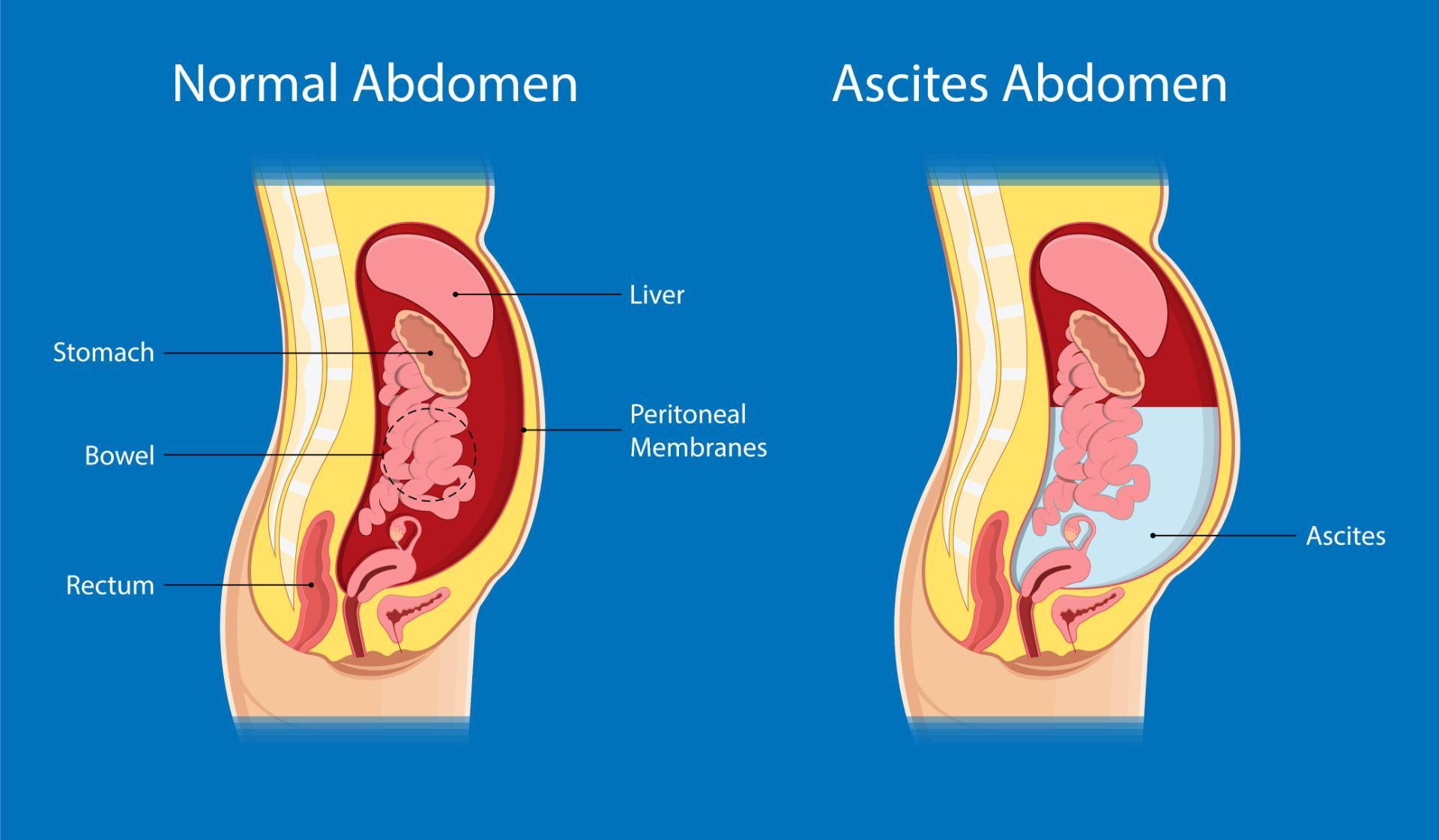
Caput medusae and abdominal distension are sometimes visually referenced in searches for Cirrhosis liver belly images female, as fluid accumulation (ascites) and venous enlargement can significantly change abdominal appearance.
Pictures of skin-related cirrhosis symptoms
When to contact a doctor
If you have cirrhosis and begin noticing new or worsening skin changes, schedule a medical appointment promptly. These symptoms may signal disease progression or complications that require treatment.
When dermatologic issues interfere with daily activities, sleep, or emotional well-being, a healthcare professional can recommend targeted therapies to improve comfort and quality of life.
Takeaway
Skin manifestations are common among people with cirrhosis and other chronic liver diseases. Itching, dry skin, vascular lesions, and pigment changes frequently occur. Certain findings, such as paper money skin, are more strongly linked to alcohol-related cirrhosis.
Although not all symptoms can be reversed, many are manageable with medical treatment and supportive care. Early recognition—including awareness of changes commonly searched as Cirrhosis liver belly images female—can support timely diagnosis and better long-term outcomes. A doctor can evaluate your symptoms and determine the most appropriate treatment plan based on your individual condition.
Common FAQs
The most common cutaneous stigmata include persistent itching (pruritus), jaundice (yellowing of skin and eyes), severe dry skin (xerosis), spider angiomas, and hyperpigmentation. These often appear after significant liver damage has occurred.
Paper money skin appears as fine, threadlike red and blue capillaries on the upper torso, resembling the intricate patterns found on currency. It is associated with vascular changes and clotting abnormalities caused by liver dysfunction.
Abdominal swelling, known as ascites, results from fluid accumulation due to portal hypertension and reduced liver protein production. It is a key visual sign often searched in relation to cirrhosis, indicating advanced disease.
Spider angiomas are typically painless and benign vascular lesions. However, the presence of multiple lesions can be a marker of underlying liver disease, such as cirrhosis, and should be evaluated by a doctor.
Contact a doctor promptly if you have cirrhosis and notice new or worsening skin changes, such as jaundice, intense itching, new vascular lesions, or abdominal distension. These can signal disease progression or complications requiring medical attention.




Related Posts

How Long Does It Really Take to Sober Up?
Aug 23, 2026 • 26 min read
White Specks in Stool
Aug 28, 2026 • 31 min read
Salmonella Food Poisoning
Sep 14, 2026 • 22 min read
Proteolytic Enzymes: How They Work, Benefits and Sources
Sep 13, 2026 • 21 min read
Retroperitoneal Inflammation
Sep 12, 2026 • 16 min read