

Esomeprazole magnesium oral capsule is a generic prescription medication used to treat conditions caused by excessive stomach acid production. Its delayed-release design allows the medicine to be released gradually into your system.
Esomeprazole magnesium treats a range of stomach and digestive issues in adults and some children.
It is part of a class of medicines called proton pump inhibitors. These drugs act by lowering the amount of acid produced in the stomach.
To find out more about the conditions esomeprazole magnesium treats, see the “What is esomeprazole magnesium used for?” section below.
Brand-name equivalent of esomeprazole magnesium
Esomeprazole magnesium is a generic product, meaning it contains the same active ingredient as a brand-name drug. The brand-name product it corresponds to is Nexium.
Generic medications are generally considered to be as safe and effective as their brand-name counterparts and typically cost less. If you’re interested in switching from esomeprazole magnesium to Nexium, discuss this option with your doctor.
What is esomeprazole magnesium used for?
Esomeprazole magnesium is specifically used for:
- short-term healing of erosive esophagitis in adults and children aged 12 years and older
- maintenance therapy to keep erosive esophagitis healed in adults
- short-term relief of heartburn and other symptoms of gastroesophageal reflux disease (GERD) in adults and children aged 12 years and older
- lowering the risk of gastric ulcers linked to nonsteroidal anti-inflammatory drugs (NSAIDs) in selected adults
- eradication of Helicobacter pylori (H. pylori) in adults to decrease the chance of duodenal ulcer recurrence, when used with amoxicillin and clarithromycin
- management of Zollinger-Ellison syndrome and related digestive disorders in adults
What are esomeprazole magnesium’s side effects?
Like other medicines, esomeprazole magnesium can cause side effects ranging from mild to serious. The lists below cover some of the more commonly reported adverse effects but do not include every possible reaction.
Remember that side effects can vary depending on:
- your age
- other medical conditions you have
- other medications you use
Your doctor or pharmacist can provide more details about potential side effects and recommend ways to lessen them.
Mild side effects
Some of the mild side effects reported with esomeprazole magnesium include the following. For a fuller list, consult the drug’s prescribing information.
Mild side effects that have been reported include:
- headache
- diarrhea
- nausea
- gas (flatulence)
- abdominal pain
- constipation
- dry mouth
Mild side effects often resolve within a few days to a couple of weeks. If they persist or become troublesome, speak with your healthcare provider.
Serious side effects
Serious reactions to esomeprazole magnesium can occur but are uncommon. If you experience severe side effects, contact your doctor immediately. If you suspect a medical emergency, call 911 or your local emergency services.
Reported serious side effects include:
- severe diarrhea
- osteoporosis and bone fractures
- atrophic gastritis
- low magnesium levels
- vitamin B12 deficiency
- kidney problems
- cutaneous lupus erythematosus (CLE)
- systemic lupus erythematosus (SLE)
- fundic gland polyps
Allergic reactionSome individuals may experience an allergic reaction to esomeprazole magnesium, though this was not observed in the drug’s clinical studies. Allergic symptoms can range from mild to severe.What may helpIf you notice mild allergic symptoms, such as a small rash, contact your doctor promptly. They can advise on treatments to manage symptoms and determine whether you should continue esomeprazole magnesium.If you have signs of a severe allergic reaction — for example swelling or difficulty breathing — call 911 or your local emergency number right away. These symptoms can be life-threatening and need immediate care.If your clinician confirms a serious allergy to esomeprazole magnesium, they may recommend switching to an alternative therapy.
What is esomeprazole magnesium’s dosage?
Your prescriber will determine the appropriate dose of esomeprazole magnesium for you. The doses below are commonly used, but always follow the dose your doctor prescribes.
Form and strengths
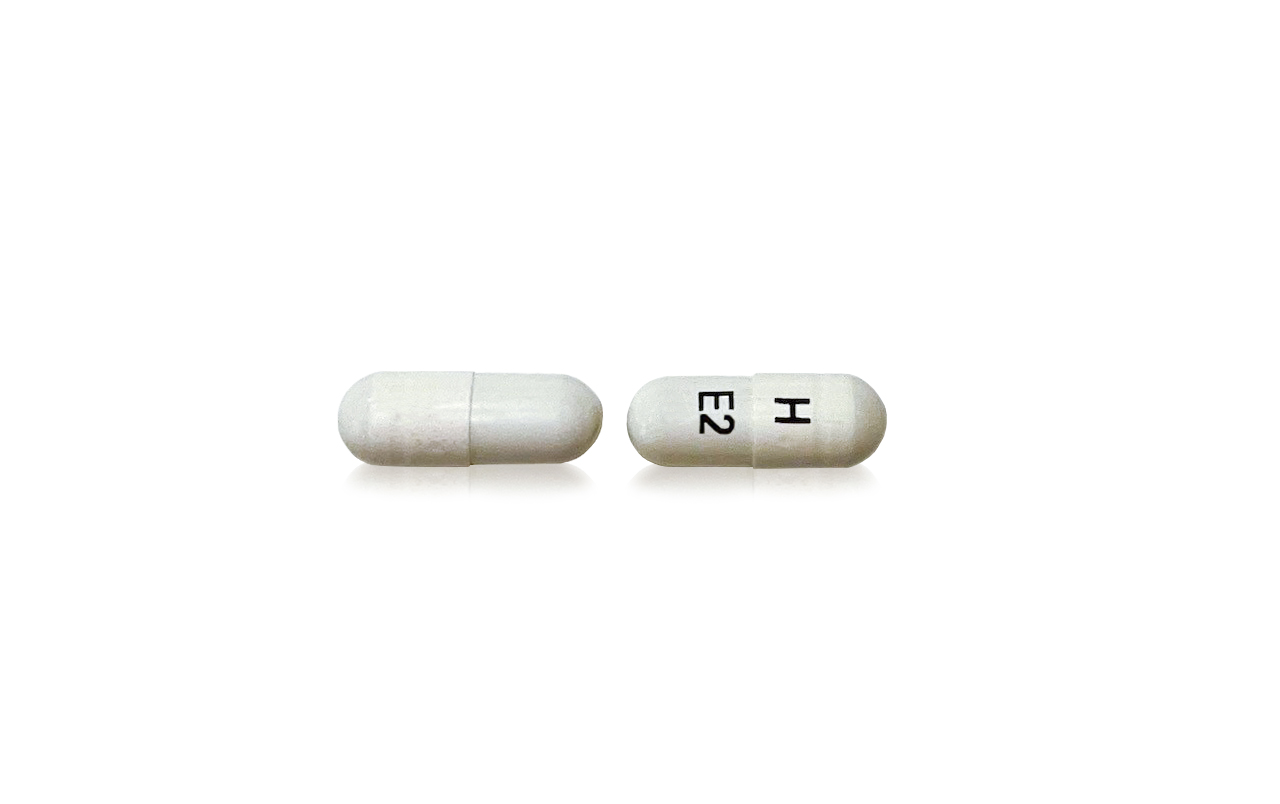
Esomeprazole magnesium is supplied as delayed-release oral capsules in two strengths: 20 milligrams (mg) and 40 mg.
“Delayed release” indicates the medication is released into your body slowly over time.
Recommended dosages
The dose your doctor prescribes will be individualized. The following are typical adult dosing regimens.
| Purpose / Condition | Dosage | Duration |
|---|---|---|
| short-term treatment of erosive esophagitis | 20 mg or 40 mg once daily | 4 to 8 weeks* |
| maintenance of healed erosive esophagitis | 20 mg once daily | as recommended by your doctor |
| treatment of heartburn and other GERD symptoms | 20 mg once daily | 4 weeks |
| reducing risk of gastric ulcer from NSAID use | 20 mg or 40 mg once daily | up to 6 months |
| Helicobacter pylori (H. pylori) infection | 40 mg once daily, with amoxicillin and clarithromycin | 10 days |
| treatment of Zollinger-Ellison syndrome | 40 mg twice daily† | as recommended by your doctor |
* If the initial course is ineffective, therapy may be extended an additional 4 to 8 weeks. † Occasionally doses up to 240 mg per day are required.
How to take
Your healthcare provider will explain how you should take esomeprazole magnesium, including dose and frequency. Follow their directions carefully.
Questions about taking esomeprazole magnesium
Common questions about administration of esomeprazole magnesium are answered below.
Can esomeprazole magnesium be chewed, crushed, or split? No. Do not chew, crush, or split esomeprazole magnesium capsules. Swallow them whole. If you have difficulty swallowing, ask your doctor or pharmacist for tips. Alternatively, you can open the capsule and sprinkle the pellets onto a small amount of applesauce. Swallow the applesauce and pellets without chewing, then drink a glass of water to ensure all pellets are ingested.
Should I take esomeprazole magnesium with food? Take the delayed-release capsules at least 1 hour before meals or as your prescriber advises.
Is there a best time of day to take esomeprazole magnesium? It may be taken at any time, but try to take it at the same time each day to maintain a consistent level of the medicine in your body for optimal effect.
What if I miss a dose? If you miss a dose, take it as soon as you remember. If it’s nearly time for the next dose, skip the missed one and resume your regular schedule. Do not take two doses at once to make up for a missed dose, as this may increase the chance of side effects.
Will I need to use esomeprazole magnesium long term? That depends on the condition being treated and other factors. Discuss the expected duration of therapy with your doctor.
How can I tell if the drug is working? You should experience reduced heartburn and less stomach pain. If you’re taking it to prevent ulcers, your clinician will perform tests to assess effectiveness.
How long does it take to work? Because esomeprazole magnesium is a delayed-release capsule, it releases medication gradually. Your doctor will monitor your response to determine how well it’s working for you.
Special dosage considerations
People with severe liver impairment: Do not exceed 20 mg per day in individuals with severe liver disease.
Dosage warnings
Use this medicine exactly as prescribed. Your prescriber should aim to use the lowest effective dose for the shortest necessary duration to minimize the risk of adverse effects.
Overdose
Do not take more esomeprazole magnesium than prescribed, as overdosing can cause harmful effects.
Symptoms of overdose
Possible symptoms of overdose include:
- confusion
- drowsiness
- blurred vision
- rapid heart rate
- nausea
- sweating
- skin flushing
- headache
- dry mouth
What to do if you take too much esomeprazole magnesium
If you suspect an overdose, contact your doctor. You can also call 800-222-1222 to reach America’s Poison Centers or use its online resource. If severe symptoms occur, call 911 or your local emergency number immediately, or go to the nearest emergency department.
What should be considered before taking esomeprazole magnesium?
Important information to review before starting esomeprazole magnesium is provided below.
Interactions
Certain vaccines, foods, and other substances can alter how medications work; these are called interactions.
Esomeprazole magnesium may interact with a number of other medicines. Before starting this drug, inform your doctor and pharmacist about all prescription, over-the-counter, and other products you use.
Also report any herbs, vitamins, or supplements you take so potential interactions can be avoided.
Drug interactions
Below are some medications that may interact with esomeprazole magnesium. This is not an exhaustive list. If you have concerns about interactions, consult your doctor or pharmacist.
| Drug group or drug name | Drug examples |
|---|---|
| certain antibiotics | clarithromycin, rifampin |
| certain antiretroviral drugs | atazanavir, nelfinavir, rilpivirine, saquinavir |
| clopidogrel | |
| diazepam | |
| digoxin | |
| methotrexate | |
| tacrolimus | |
| voriconazole |
Esomeprazole magnesium and alcohol
Alcohol is not known to have a direct interaction with esomeprazole magnesium. Talk with your doctor to determine whether drinking alcohol is safe for you while on this medication.
Pregnancy and breastfeeding
Pregnancy: There is limited human data on the effect of esomeprazole magnesium on a fetus. If you are pregnant or planning to become pregnant, discuss the risks and benefits with your doctor. This medication should be used during pregnancy only if the potential benefit justifies potential risk.
Breastfeeding: Esomeprazole magnesium may be excreted into breast milk and could cause effects in a breastfed infant. If you are breastfeeding, talk with your doctor to decide whether to stop the medication or stop breastfeeding.
Other warnings
Liver disease: Esomeprazole magnesium is metabolized in the liver. Severe liver impairment can reduce its clearance, potentially leading to accumulation and increased side effects. Your doctor may check liver function tests and prescribe a lower dose if you have severe liver disease.
Low magnesium levels: Using this medicine for 3 months or longer can lower magnesium levels in the blood. If your magnesium is already low, it may decrease further. Your doctor may prescribe magnesium supplements and monitor levels.
Vitamin B12 deficiency: Long-term use (2–3 years) can reduce vitamin B12 absorption and lower blood levels. Your doctor may monitor vitamin B12 and provide injections if needed.
Osteoporosis: Daily long-term use increases the risk of fractures in the hip, wrist, or spine. Your clinician may order tests to evaluate bone health while you take this medication.
Effect on neuroendocrine tumor testing: This drug alters stomach acidity and can produce false-positive results on certain tests for neuroendocrine tumors.
Kidney damage warning: Esomeprazole magnesium may cause kidney injury. Notify your doctor if you develop flank pain or changes in urination while taking the drug, as these may signal kidney problems.
Severe diarrhea warning: This medication can cause diarrhea linked to Clostridium difficile (C. diff). Symptoms can range from mild diarrhea to severe colon inflammation and can be life-threatening. Contact your doctor if you develop diarrhea during treatment.
Long-term use warning: Prolonged use increases the risk of osteoporosis-related fractures, stomach lining inflammation, low blood magnesium, and reduced vitamin B12 absorption. Discuss with your doctor how long it’s safe for you to use this medicine.
CLE and SLE warning: Esomeprazole may trigger cutaneous lupus erythematosus (CLE) and systemic lupus erythematosus (SLE), which are autoimmune conditions. CLE symptoms range from facial rashes to red or scaly lesions on the body. SLE symptoms can include fever, fatigue, weight loss, blood clots, heartburn, and abdominal pain. Contact your doctor if you experience these symptoms.
Fundic gland polyps warning: Long-term use (particularly over 1 year) may lead to fundic gland polyps—growths on the stomach lining that could become cancerous. To reduce this risk, use the medication for the shortest effective duration.
Similar drugs
Other medications are available to treat these conditions; some may be more suitable for you than others. Discuss alternative treatment options with your doctor.
Disclaimer: Every effort has been made to ensure the information here is accurate and current. This article is not a substitute for professional medical advice. Always consult a licensed healthcare provider before starting any medication. Drug information can change and does not cover all uses, directions, precautions, warnings, interactions, allergic reactions, or adverse effects. The absence of specific warnings does not imply a drug is safe or appropriate for every patient or use.






















Leave a Reply
You must be logged in to post a comment.