


A colectomy, also known as a large bowel resection, is a surgical procedure sometimes recommended to treat conditions affecting the large intestine, including ulcerative colitis (UC).
Although surgery for UC is less common today due to advances in medical therapy, it’s still estimated that 7 in 100 individuals with this form of inflammatory bowel disease (IBD) may need surgery within the first 5 years after diagnosis when medications and lifestyle adjustments don’t adequately control symptoms.
Not every surgical case involves removing the entire colon. In some situations, only a segment of the large intestine is taken out through a partial colectomy.
Below, you’ll find a comprehensive overview of the potential advantages and risks of a colectomy, what the procedure involves, and what recovery may look like.
What is a colectomy for ulcerative colitis?
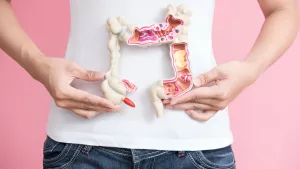
Ulcerative colitis (UC), a type of inflammatory bowel disease (IBD), primarily affects the large intestine, which includes three key structures:
- Colon: The section of the large intestine responsible for absorbing remaining water and nutrients from partially digested food and forming stool.
- Rectum: The portion between the colon and anus that stores stool before elimination.
- Anus: The opening at the end of the digestive tract through which stool exits the body.
A colectomy involves surgically removing part or all of the large intestine. The aim is to eliminate severely inflamed or irreversibly damaged areas of the colon. A partial colectomy refers specifically to removing only a section of the colon.
The choice of surgery may also be influenced by cancer-related risks such as dysplasia.
Your doctor may recommend one of the following types of colectomy:
- Proctocolectomy: Removal of the colon, rectum, and anus.
- Subtotal (partial) colectomy: Removal of either the ascending colon (on the right side, attached to the small intestine) or the descending colon (on the left side, connected to the rectum).
The most appropriate option depends on:
- whether your UC is limited to certain sections or involves the entire colon (pancolitis)
- the severity and extent of inflammation or structural damage in the large intestine
What’s the purpose of an ulcerative colitis colectomy?
The primary objective of a colectomy is to remove diseased portions of the colon to reduce flare-ups, prevent serious complications, and improve overall quality of life.
In most cases, colectomy is considered after other treatments—including biologic therapies, immunosuppressants, and corticosteroids—have failed to adequately control UC symptoms.
A long-term study published in 2018 reported that 4.1% of individuals with UC required colectomy within 5 years, and 14.4% underwent the procedure within 20 years of diagnosis.
An older study from 2011 suggested that males may face a higher risk of developing Crohn’s disease. However, a more recent 2020 review concluded that while gender differences may influence surgical rates, additional research is required.
Reasons for surgery
The most common reasons for surgery for UC include:
- frequent flare-ups with severe abdominal pain, fatigue, weight loss, and mucus-filled or bloody stools that significantly disrupt daily life
- acute symptoms that no longer respond to medications, which may signal toxic megacolon, characterized by rapid colon enlargement, dehydration, fever, and bloody diarrhea
- perforations, tears, or extensive colon damage
- severe or persistent rectal bleeding
- colon cancer associated with UC
- hospitalization due to severe acute illness
Complete removal of the large intestine is the only way to fully eliminate UC.
One advantage of a proctocolectomy is the removal of colon cancer risk. Your doctor will also consider your personal preferences, overall health, and long-term cancer risk when discussing options.
How much does an ulcerative colitis colectomy cost?
One study found that privately insured patients paid more than $4,000 out-of-pocket for a colectomy, accounting for approximately 4.5% of the total cost.
Total expenses vary widely based on insurance coverage, geographic location, and the type of procedure performed. Overall costs may range from $5,000 to $30,000. Open surgeries typically cost more than laparoscopic procedures due to longer operating times and hospital stays.
Most health insurance plans cover medically necessary colectomy for UC. It’s advisable to contact your insurer beforehand to clarify deductibles, copays, and any anticipated out-of-pocket expenses.
Be aware that hospital facility fees and anesthesiology charges are billed separately from the surgeon’s fees.
Are there any risks to an ulcerative colitis colectomy?
For many people, the potential benefits of symptom relief and complication prevention outweigh the surgical risks.
However, possible risks linked to colectomy for UC include:
- infections, especially around a stoma site
- urinary incontinence
- fecal incontinence
- temporary sensation of a “phantom rectum”
- intestinal obstruction
- stoma prolapse or retraction
- changes in sexual function
- temporary painful intercourse
Discuss these risks in detail with your surgeon to understand how they apply to your specific health situation.
How do I prepare for an ulcerative colitis colectomy?
If your colectomy is scheduled in advance, your healthcare team will provide detailed preparation instructions. Recommendations may include:
- Gaining weight beforehand using a liquid diet if you are underweight.
- Stopping smoking to lower surgical and wound-healing risks.
- Discontinuing blood-thinning medications, herbs, or supplements as directed, and providing a complete list of prescriptions and over-the-counter medications.
- Undergoing bowel preparation with a strong laxative or enema the day before surgery.
- Drinking adequate fluids or following a liquid diet if instructed.
- Avoiding food and drinks after midnight before the procedure.
What’s the procedure for an ulcerative colitis colectomy?
Which type will I get?
The surgical approach depends on whether you require a partial colectomy or a total proctocolectomy.
Partial/subtotal colectomy
A subtotal colectomy removes only the affected section of the large intestine. This may be necessary if certain areas are severely inflamed, scarred, or complicated by fistulas.
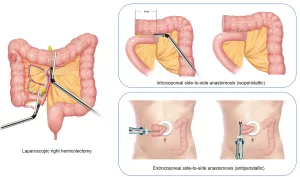
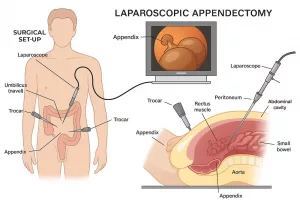
The operation can be performed as open surgery or as a laparoscopic colectomy. In both techniques, the surgeon removes diseased segments and reconnects the healthy portions of the colon.
The main difference lies in incision size. Laparoscopic procedures involve smaller incisions and typically result in shorter recovery times, while open surgery requires a larger incision—sometimes up to 8 inches—to fully access the abdominal cavity.
Proctocolectomy
A proctocolectomy entails removal of the entire colon and rectum. This is often recommended for extensive or severe UC.
This surgery may be combined with an ileostomy, where a stoma is created in the abdomen to allow stool to exit into a removable ostomy pouch.
Alternatively, some patients undergo a procedure that preserves the anus. In this case, the surgeon constructs an internal pouch, known as a J pouch, from the small intestine to facilitate waste elimination without an external bag.
What’s recovery like from an ulcerative colitis colectomy?
Many individuals experience noticeable improvement in UC symptoms after surgery. However, recovery from major abdominal surgery requires time and careful monitoring.
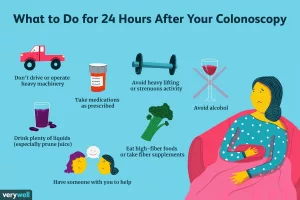
It’s normal to have abdominal discomfort due to surgical incisions. Your doctor may recommend a liquid or soft-food diet for several days and advise avoiding strenuous physical activity for at least 6 weeks. Taking time off work or arranging remote work may also be necessary.
Full recovery following a proctocolectomy can take up to 1 year. During the first several months, frequent bowel movements are common, especially with a J pouch.
Some patients may experience changes in body weight during recovery. While this article focuses on UC surgery, individuals researching Rapid weight loss after bowel resection should know that significant weight changes can occur if nutrient absorption is temporarily affected. Nutritional counseling and gradual dietary progression are essential for stabilizing weight and preventing deficiencies.
For those undergoing related procedures, such as Weight loss after right hemicolectomy, recovery patterns and metabolic adjustments may differ slightly depending on how much bowel was removed.
How will an ulcerative colitis colectomy change my lifestyle?
After healing from a colectomy, most people can return to normal daily routines and recreational activities. In fact, many report improved energy levels due to the absence of chronic UC flare-ups.
If you have an ostomy, it may take time to adjust emotionally and practically. Modern ostomy pouches are discreet and typically fit comfortably under clothing.
Maintaining hydration is crucial, particularly if you have an ileostomy, to reduce the risk of dehydration and loose stools. Consuming foods rich in pectin—such as bananas, applesauce, and carrots—can help thicken stool consistency.
Some patients also notice changes in abdominal shape or fat distribution over time. If this is a concern, you may find additional guidance in resources discussing Belly fat after colon resection, which explore body composition changes following colorectal surgery.
Individuals worried about Rapid weight loss after bowel resection should speak with their healthcare provider promptly, as ongoing weight loss may signal malabsorption, inadequate calorie intake, or postoperative complications that require medical evaluation.
What’s the outlook for an ulcerative colitis colectomy?
If your UC continues to worsen despite optimized medical treatment, a colectomy may offer lasting relief and prevent life-threatening complications such as cancer or severe colon damage.
Research, including older studies, indicates that overall quality of life after colectomy is generally comparable to that of individuals without UC.
Although adjustments in bowel habits, urinary patterns, or sexual function can occur, many patients find that the long-term benefits outweigh these changes.
Have an in-depth discussion with your doctor about how surgery may affect your specific case of UC. Seek immediate medical care if you experience a flare-up that does not respond to your prescribed medications.


















Leave a Reply
You must be logged in to post a comment.