
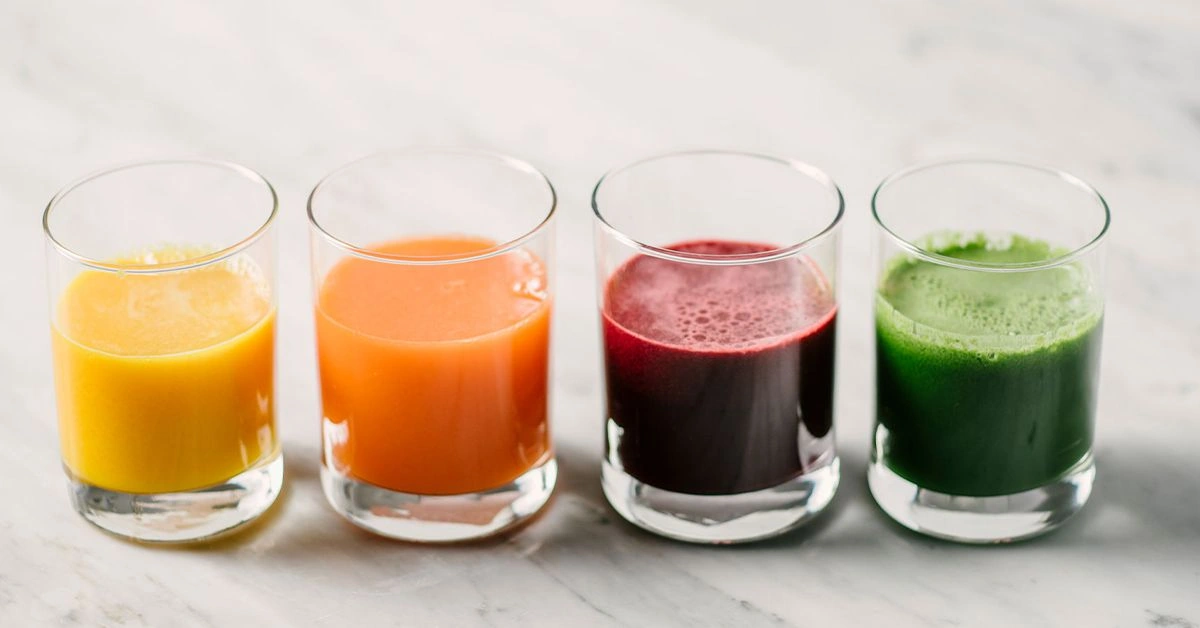
Juice is consumed worldwide, yet it remains one of the most debated beverages in nutrition.
When evaluating its health value, opinions are often split. Some people believe it contains too much sugar, while others highlight its impressive nutrient density and antioxidant profile.
This comprehensive guide explores nine of the healthiest juices and examines whether juice — including options often considered the Best organic vegetable juice — can be a smart addition to a well-rounded diet. For those interested in plant-based blends, you can also explore Organic Vegetable Juice options that prioritize whole-food ingredients and minimal processing.

1. Cranberry
Bright red and pleasantly tart, cranberry juice delivers a range of health-supportive nutrients.
One cup (240 ml) of cranberry juice provides (1):
- Calories: 116
- Protein:1 gram
- Carbs:31 grams
- Fiber: 0.25 grams
- Sugar:31 grams
- Potassium: 4% of the Daily Value (DV)
- Vitamin C:26% of the DV
- Vitamin E:20% of the DV
- Vitamin K: 11% of the DV
Cranberry juice is widely recognized for its potential role in preventing urinary tract infections (UTIs). Although findings have varied, a recent review showed that consuming cranberry juice reduced the risk of developing a UTI by 32.5% (2).
This beverage is also packed with antioxidants such as anthocyanins, flavonols, procyanidins, and vitamins C and E. These compounds may help shield cells from oxidative stress caused by free radicals (3, 4).
SummaryCranberry juice supplies potassium, antioxidants, and vitamins C and E. It may also lower the risk of UTIs, although evidence is mixed.
2. Tomato
Tomato juice is a staple in cocktails like Bloody Marys, but it also stands on its own as a nutrient-dense drink. Many health-conscious consumers consider it among the top contenders for the Best organic vegetable juice due to its low sugar content and rich antioxidant profile.

Although tomatoes are botanically classified as fruits, they’re commonly grouped with vegetables because of their savory flavor and culinary use.
One cup (240 ml) of tomato juice provides (5):
- Calories:41
- Protein:2 grams
- Carbs:9 grams
- Fiber: 1 gram
- Sugar:6 grams
- Folate: 12% of the DV
- Potassium: 11% of the DV
- Vitamin A:6% of the DV
- Vitamin C:189% of the DV
- Vitamin E:5% of the DV
- Vitamin K: 5% of the DV
Tomato juice is exceptionally high in vitamin C, a powerful antioxidant that enhances iron absorption and supports skin and immune function (6, 7, 8).
It’s also rich in lycopene, the carotenoid responsible for tomatoes’ red hue. In fact, 80% of dietary lycopene intake is estimated to come from tomato juice, spaghetti sauce, or pizza sauce (9).
Research suggests that lycopene may reduce the risk of heart disease and stroke. One review associated higher lycopene intake with a 13% lower risk of heart disease (10).
Be mindful that tomato juice can be high in sodium, which may contribute to elevated blood pressure when consumed excessively. Choosing low-sodium varieties is advisable (11).
SummaryTomato juice is abundant in lycopene and vitamin C, both linked to heart health. Opt for low-sodium options when available.
3. Beet
Beet juice has surged in popularity thanks to its documented health advantages and vibrant color.
It’s made by blending beets with water to create a naturally sweet, earthy beverage.
One cup (240 ml) of beet juice provides (12):
- Calories: 70
- Protein:1 gram
- Carbs:18 grams
- Fiber: 1 gram
- Sugar:13 grams
Compared with fruit juices, beet juice is relatively low in sugar, as vegetables naturally contain less sugar than fruits (13).
Beets are rich in betalains, pigments that give them their deep-red color. These compounds act as strong antioxidants and may reduce the risk of heart disease, inflammation, and certain cancers (14, 15).
Additionally, beet juice contains inorganic nitrates, which have been shown to enhance athletic performance and lower blood pressure and heart disease risk (16, 17, 18).
Keep in mind that nitrate levels vary depending on the beet variety, cultivation conditions, and processing methods (17). Since nitrate content isn’t typically listed on labels, it’s difficult to determine exact amounts.
summaryBeet juice delivers betalains and dietary nitrates, both associated with cardiovascular benefits and reduced chronic disease risk.
4. Apple
Apple juice remains one of the most widely consumed juices worldwide (19).
It’s available in two primary forms: cloudy and clear. Cloudy apple juice retains pulp, while clear varieties have the pulp removed (20).
A 1-cup (240-ml) serving provides (21):
- Calories: 114
- Protein:less than 1 gram
- Carbs:28 grams
- Fiber: 0.5 grams
- Sugar:24 grams
- Potassium: 5% of the DV
- Vitamin C:3% of the DV
Apple juice offers a moderate amount of potassium, an electrolyte essential for nerve transmission and heart function (22, 23, 24).
While naturally low in vitamin C, many commercial versions are fortified, sometimes supplying up to 106% of the DV per cup (240 ml) (25).
It also contains antioxidant compounds like flavonoids and chlorogenic acid, which help neutralize free radicals (26, 27, 28).
Among the two types, cloudy apple juice contains 2–5 times more antioxidants than clear apple juice (20).
summaryApple juice is available in clear and cloudy forms, with cloudy varieties offering significantly higher antioxidant levels.
5. Prune
Prunes are dried plums commonly eaten as snacks, but prune juice is another well-known option.
One cup (240 ml) of prune juice provides (29):
- Calories: 182
- Protein:1.5 grams
- Carbs:45 grams
- Fiber: 2.5 grams
- Sugar:42 grams
- Iron: 17% of the DV
- Magnesium:9% of the DV
- Manganese: 17% of the DV
- Potassium: 15% of the DV
- Vitamin B2:14% of the DV
- Vitamin B3:13% of the DV
- Vitamin B6:33% of the DV
- Vitamin C:12% of the DV
- Vitamin K: 8% of the DV
Prune juice is particularly rich in B vitamins, which support metabolism, DNA synthesis, red blood cell production, and skin and eye health (30, 31, 32).
It’s frequently used to relieve constipation, especially in older adults. Its fiber content helps soften stool and acts as a gentle laxative (33, 34).
Because it’s naturally high in sugar, moderation is key.
summaryPrune juice supplies iron, magnesium, potassium, vitamin C, and B vitamins, and it’s commonly used to ease constipation.
The bottom line
Juice can provide valuable nutrients, including antioxidants, vitamins, and minerals.
Although concerns exist regarding sugar content, 100% juice remains a more nutritious choice than sugar-sweetened beverages like soda. If you’re searching for the Best organic vegetable juice, prioritize low-sodium, minimally processed varieties made from whole-food ingredients. Reviewing reputable Organic vegetable juice brands can help you make an informed decision.
For optimal health, limit intake to 1–2 cups (240–480 ml) per day and emphasize whole fruits and vegetables whenever possible. When enjoyed in moderation, juice can be part of a balanced, nutrient-rich diet.




















Leave a Reply
You must be logged in to post a comment.