
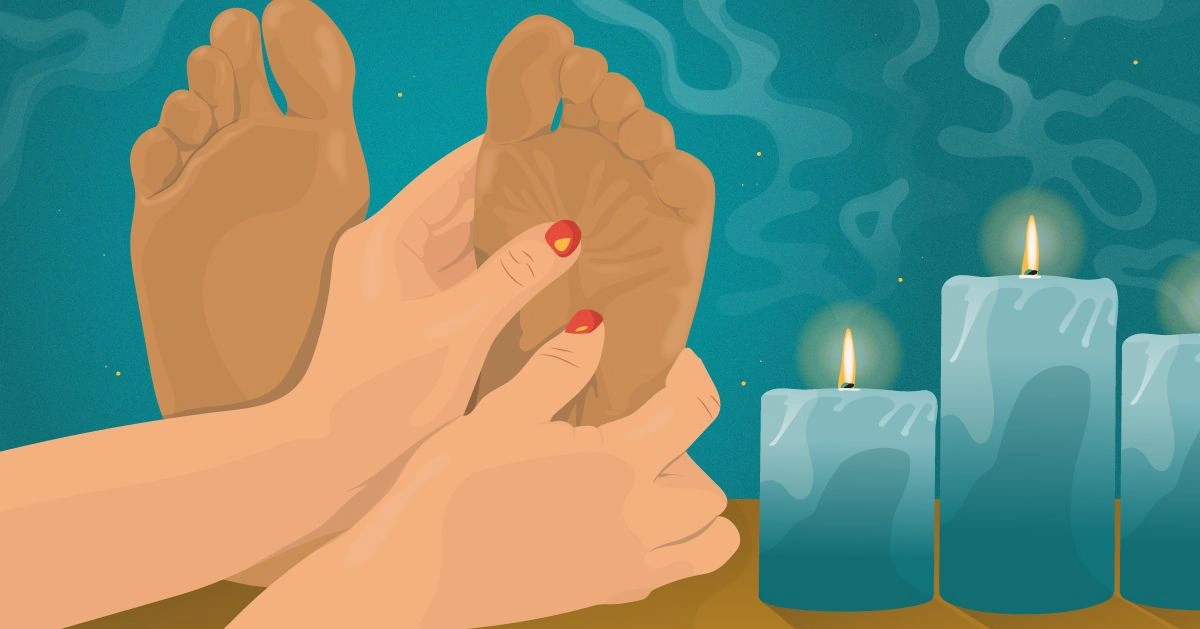
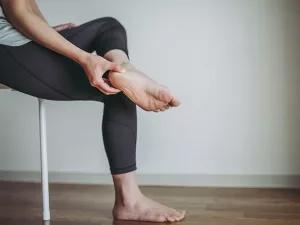
Acupressure applied to the feet may encourage relaxation, ease tension, and support overall well-being. Still, there are possible risks to consider, especially if you live with certain medical conditions.

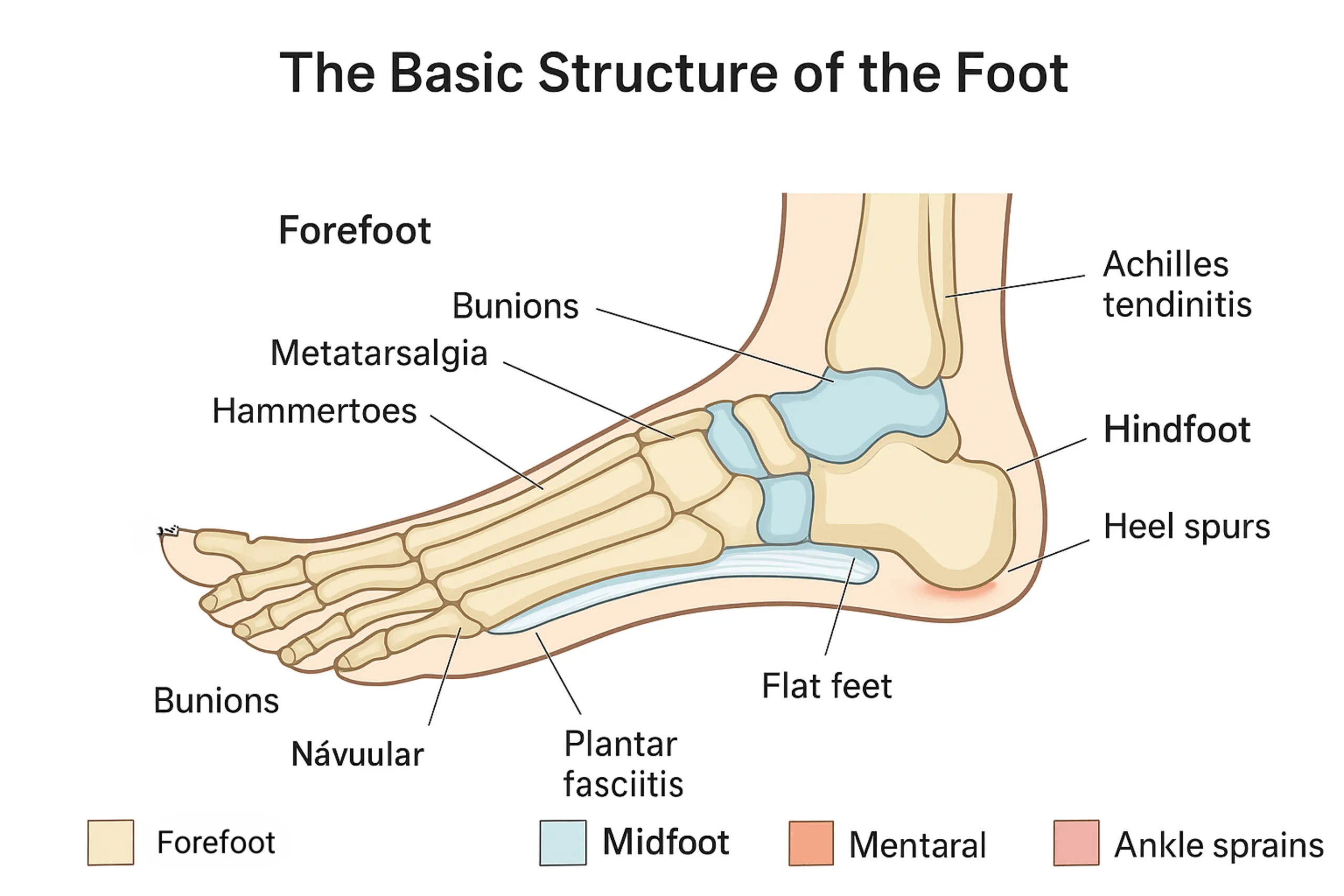
Foot reflexology is a therapeutic technique that has been used for hundreds of years. It focuses on applying targeted pressure to specific areas on the sole of the foot. Understanding the Foot parts name and how these regions correspond to other areas of the body is central to this practice. You can explore a visual guide through this Parts of the foot diagram to better understand how these zones are mapped.
In traditional Chinese medicine (TCM), these reflex points are thought to connect with various organs and systems throughout the body. Stimulating them is believed to offer multiple benefits, such as easing stress, supporting digestion, and encouraging deeper, more restorative sleep.
What is reflexology?
Reflexology is considered a microsystem therapy, meaning the entire body is represented on a smaller surface area—in this case, the bottom of the foot. Knowledge of Foot parts name and their corresponding reflex zones plays an essential role in identifying where pressure should be applied.
According to Dustin Martinez, a Los Angeles–based chiropractic physician, reflexology can improve overall quality of life in several respects.
These improvements may include lowering stress levels and restoring balance within the body, mind, and energy systems.
“Reflexology is ancient medicine — it’s been around forever,” he explains. “It can be traced as far back as 2330 B.C.”
Martinez also notes that reflexology received its modern name in the United States during the early 1900s, although its foundational principles are far older.
For individuals interested in the structural perspective, reviewing the Foot anatomy bottom can help clarify how nerves, connective tissues, and pressure points relate to each other anatomically.
Foot reflexology benefits
Foot reflexology may offer supportive benefits for:
- stress reduction and relaxation
- pain management
- eyestrain
- better sleep quality
Stress and relaxation
One of the most frequently reported advantages of reflexology is its ability to reduce stress and promote a state of deep relaxation. This effect is achieved through steady pressure on designated points along the foot.
“Relaxation is probably the biggest benefit [of foot reflexology],” says Martinez. “Reflexology helps by increasing blood flow through the body, which helps to decrease stress and anxiety and lower blood pressure. When stress and anxiety levels drop, relaxation follows more naturally.”
By stimulating nerve endings found in specific foot regions, reflexology may activate the parasympathetic nervous system, which is associated with rest and recovery. This physiological response can help the body shift away from a fight-or-flight state.
Pain management
Because of its influence on stress and muscle tension, foot reflexology may also contribute to managing both acute and chronic pain.
A 2022 review suggested that reflexology may help decrease various forms of discomfort, including:
- pain from headaches
- back pain
- joint pain
- pain associated with cancer symptoms
Additionally, reflexology may be useful in post-surgical recovery settings. A 2020 study reported that patients who received foot reflexology after kidney transplantation surgery experienced reduced pain compared with a control group.
While these findings are promising, reflexology should be viewed as a complementary therapy rather than a replacement for conventional medical treatment.
Eyestrain
“Reflexology can help reverse some of the stress we put on our eyes just from our daily activities,” Martinez explains. “These pressure points help relax the tight muscles caused by looking at our screens all day.”
Given the increased screen exposure many people experience, targeted foot pressure may indirectly ease tension patterns linked to prolonged device use.
Improved sleep
Since reflexology may decrease stress and promote relaxation, it’s not surprising that some individuals report better sleep following treatment.
“Because reflexology is moving energy and improving overall circulation, it’s easy to have a restful night’s sleep after a treatment,” Martinez says.
In the previously mentioned 2020 study involving kidney transplantation surgery, participants who received reflexology demonstrated significantly improved sleep quality compared to those who did not.
Establishing a calming bedtime routine that includes reflexology, mindfulness, and reduced screen time may further enhance these effects.
Does reflexology work?
Reflexology may provide value as a complementary treatment, meaning it is used alongside standard medical care rather than as a substitute.
It’s important to understand that although reflexology has been practiced globally for thousands of years, strong scientific evidence supporting its clinical effectiveness remains limited.
Claire Barnwell, member of The Association of Reflexologists and owner of Feetology reflexology practice, explains, “There have been some positive research projects carried out with reflexology; however, as yet, there is not a large enough body of evidence for us to make clinical claims of effectiveness.”
She adds that reflexology reliably offers dedicated time for relaxation, attentive care, and supportive touch in an empathetic setting.
Even if definitive medical outcomes are still under investigation, many individuals find reflexology to be a calming, restorative experience that encourages overall well-being.
Reflexology side effects and contraindications
Barnwell notes that most people feel relaxed and experience a sense of well-being after a session. However, side effects can occur, such as:
- lethargy
- nausea
- crying or feeling tearful
- lightheadedness
- strong emotions
“This is usually transitory, and reflexologists believe that it is part of the healing process,” Barnwell explains.
That said, reflexology is not suitable for everyone. Individuals with certain health conditions may face increased risks.
Consult a healthcare professional before beginning reflexology, particularly if you have:
- circulatory issues
- gout
- a history of blood clots
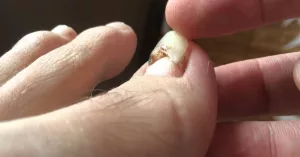
- foot injuries such as sprains, strains, or stress fractures
- painful skin conditions like blisters, severe eczema, or psoriasis
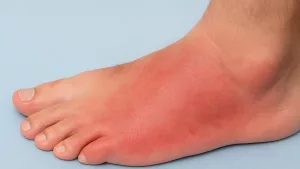
- contagious skin conditions such as scabies, chicken pox, or athlete’s foot
- certain symptoms of diabetes, including non-healing wounds or peripheral neuropathy
If you are pregnant, speak with a doctor before trying reflexology to ensure it is safe for your specific situation.
Massage vs. reflexology: What’s the difference?
Although both massage and foot reflexology are associated with relaxation, their techniques and goals differ.
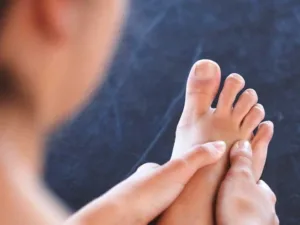
“Foot reflexology is a therapeutic massage with sustained pressure instead of broad strokes, like a classic massage,” Martinez says. “Fine detail and pressure are applied to specific reflex points and held until released.”
Traditional massage often focuses on muscles and soft tissues throughout the body, making it useful for general tension and soreness. Reflexology, on the other hand, concentrates on precise points connected to particular organs or systems, based on the mapped Foot parts name framework.
How long before you start seeing benefits?
Martinez shares that many individuals notice positive effects after their first reflexology appointment.
“Everybody is unique and heals in their own timing,” he says. “In general, reflexology best complements natural healing already taking place.”
While some people experience immediate relaxation or improved sleep, consistent sessions combined with doctor-recommended treatments may offer more sustained benefits.
Takeaway
Although reflexology has not been conclusively proven as a medical treatment for specific diseases, it has been practiced for centuries to address a wide range of concerns.
Foot reflexology may serve as a complementary therapy that promotes relaxation and stress relief. Even without definitive scientific validation, many individuals find it soothing and restorative.
Always consult a doctor before beginning reflexology, especially if you have circulatory issues, gout, a history of blood clots, or diabetes-related complications. Pregnant individuals should also seek medical guidance before scheduling a session.










Leave a Reply
You must be logged in to post a comment.