
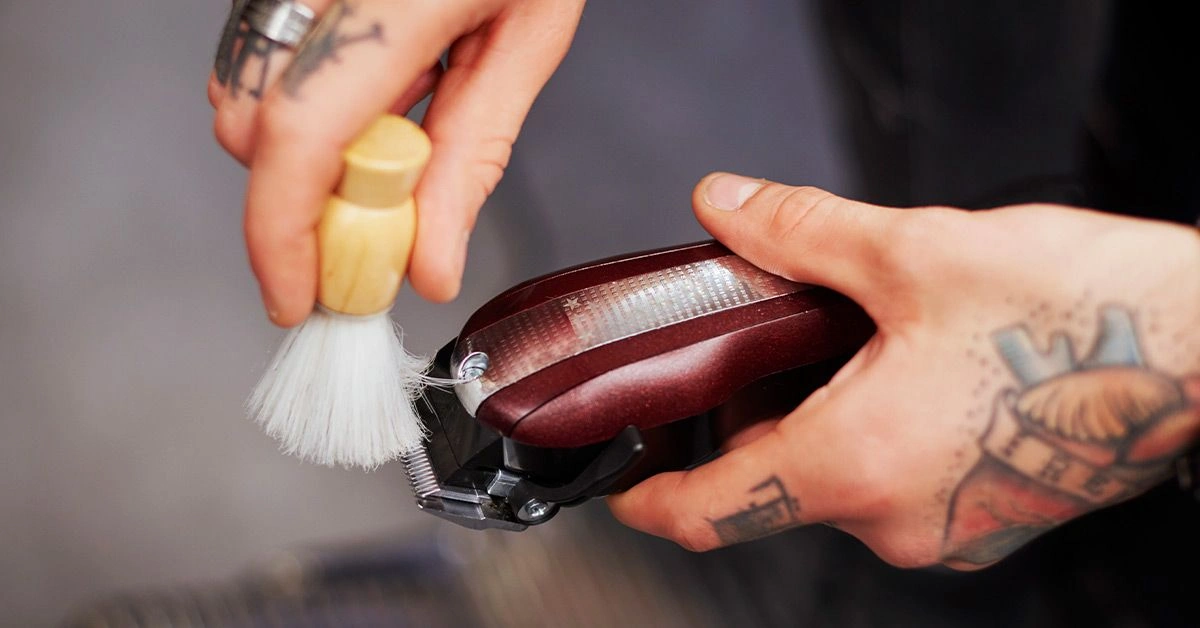
Grooming pubic hair has become increasingly common.
Whether you’re doing it for hygiene, aesthetics, or just because you favor a smoother look, trimming that region isn’t exactly straightforward. The area is soft and hangs, which makes it a tricky place to work.
Shaving your scrotum is achievable but demands attention and technique. The skin there is very thin, so the chance of cuts or irritation is significant.
Indeed, a study reported that most male pubic-hair shaving injuries involve the scrotum.
Let’s get to it — here’s what you’ll need and how to go about shaving your balls.
First, gather the proper gear
The skin in that area is fragile and benefits from appropriate tools. An electric trimmer can cut hair very short without tugging or nicking the skin.
Don’t assume an electric trimmer won’t give a tidy result — scrotal hair is usually much thinner and less dense than the bushier pubic hair above.
For an ultra-smooth finish, a safety razor is preferable — note the “safety.” Consider investing in a quality razor or a kit that includes essentials for a close shave.
Ready to shop? Popular options include:
- Manscaped: The Lawnmower 2.0 waterproof electric trimmer
- Philips Norelco Bodygroom 7000 showerproof dual-sided body trimmer and shaver
- Edwin Jagger double-edged safety razor
Preparing your balls for a shave
Don’t just grab a razor and start. Preparation makes a big difference when shaving pubic hair.
Trim the hair first
Even if you plan to shave everything off, trimming first helps you achieve a closer, cleaner shave.
To trim:
- Stand with one foot propped on a stable surface like a stool or the tub edge.
- Hold the skin gently but firmly to keep it taut (this helps prevent cuts) and use an electric trimmer or scissors to shorten the hair.
- Cut as short as you can without cutting the skin.
Soak in warm water
A warm shower or bath softens remaining stubble and clears out pores, making hair removal easier. It also relaxes the scrotum, so it hangs more freely and is simpler to maneuver while shaving.
Use comfortably warm water — not scalding, which can irritate, and not freezing, which makes the skin contract and complicates shaving.
Apply a gentle shave product
A mild shaving cream or gel with soothing components like aloe vera helps the blade glide and reduces friction.
Clear gels can be handy because they let you see where you’re shaving.
Products specifically for male genital grooming are limited, so a gentle facial shaving cream is usually fine — just choose formulas suited for sensitive skin and avoid “cooling” ingredients such as menthol or eucalyptus that can sting.
Ready to buy? Consider these:
The shaving process
With your scrotum prepped and lathered, proceed carefully:
- Stand near the bathtub or a stool and lift one leg to access the scrotum fully.
- Gently stretch the skin with one hand to keep it smooth.
- Take slow, light strokes, shaving in the direction of hair growth.
- Rinse the area with warm water.
- Pat dry gently.
Aftercare
Assuming you avoided nicks, the next move is calming and protecting the skin to prevent irritation and bumps.
This area needs more tender care than your face. Skip anything stingy and opt for soothing treatments.
Use a gentle balm or oil with calming ingredients like aloe. Avoid products that contain alcohol or menthol, which can cause stinging.
Ready to buy? Try one of these to calm the skin:
- NaturSense aloe vera gel
- Kerah Lane formula for razor bumps and ingrown hairs
- Nivea Men post-shave balm
Common issues and solutions
It’s best to avoid problems, but they do occur when shaving the delicate area below the belt. Folds, wrinkles, and loose skin can create complications like:
- razor burn
- redness
- bumps
- ingrown hairs
- bleeding
- itching
- folliculitis (a shaving-related infection)
Mild irritation
Razor burn and mild redness typically subside within about a week.
To ease irritation:
- Take a warm bath.
- Pat the area dry rather than rubbing.
- Apply aloe vera gel or a mild lotion.
- Avoid shaving again until the irritation resolves.
Itching
The area may itch as it heals or when hair starts growing back. Give it a day or two.
If itching persists or is severe, a pharmacist or clinician can suggest an over-the-counter topical like hydrocortisone.
Bumps or blisters
Painful, red pimples or blisters may be folliculitis — an infection of the hair follicle. Keeping the area clean, dry, and using an OTC antibiotic ointment may be enough.
If you see increased redness, pus, or develop a fever, consult a healthcare provider.
Cuts and nicks
If you cut yourself and it bleeds, try not to panic. These injuries are common with pubic grooming and are seldom severe.
Unless a wound is deep or won’t stop bleeding, basic first aid should suffice. Rinse the spot and press with clean gauze or tissue to control bleeding. Minor scrotal cuts generally heal without complications.
The takeaway
Shaving your scrotum can be intimidating, but with appropriate equipment and care, it’s manageable and safe.

For related grooming and skin-care tips, check out resources on what causes excessive testicular sweating and how can i treat it and best practices for shaving with coconut oil.


















Leave a Reply
You must be logged in to post a comment.