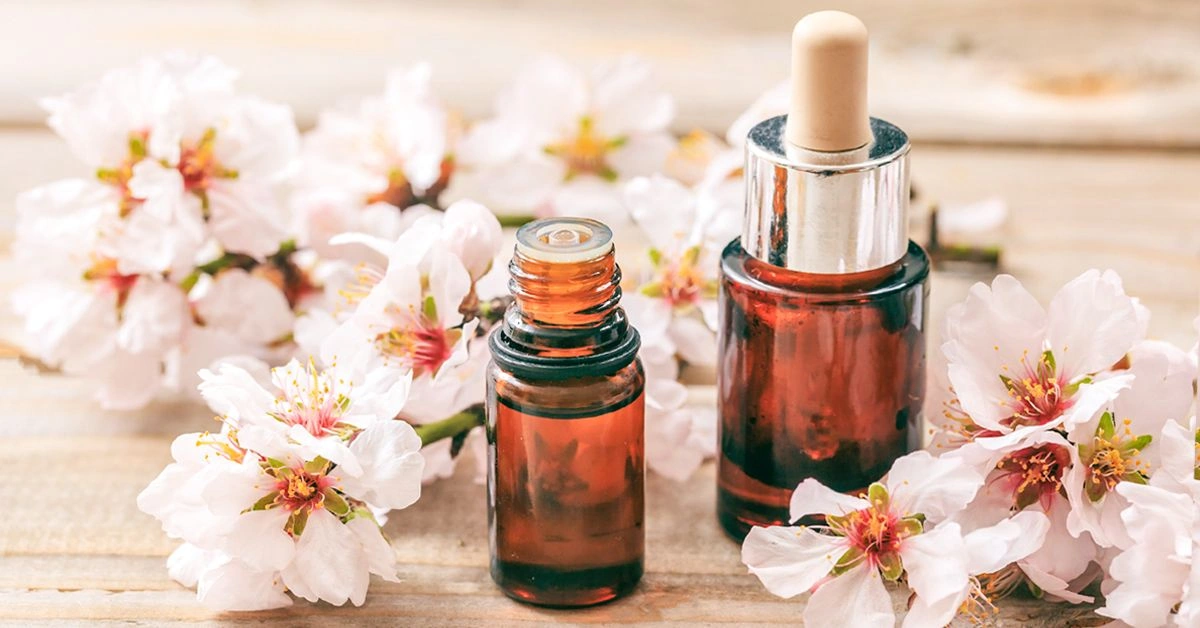
Can You Use Castor Oil on Your Face?


Castor oil is permitted as an ingredient in cosmetic formulations, yet there’s limited evidence regarding the safety of applying it directly to the skin, especially the facial area.
Extracted from the seeds of the Ricinus communis plant, castor oil is a vegetable oil primarily cultivated in regions such as Africa, South America, and India — with India being the largest producer globally. The United States and China are among the top importers of this oil.

Production typically involves cold-pressing the castor seeds followed by heating. Castor oil is not classified as an edible cooking oil and represents only a small portion of global vegetable oil output.
Traditionally, castor oil has been used as a laxative and to help induce labor. In modern times, it’s become a common component in cosmetic products.
What benefits might castor oil offer for your skin?
The dominant constituent of castor oil is ricinoleic acid, a strong fatty acid known for its ability to hydrate and help protect the skin’s barrier.
Studies indicate that castor oil exhibits antimicrobial and anti-inflammatory effects. It may help reduce blemishes, soften the skin, and minimize the look of enlarged pores.
Other possible skin benefits of castor oil include:
- Delaying wrinkles: Castor oil contains antioxidants that neutralize free radicals, which can otherwise speed up aging and cause earlier wrinkle formation.
- Combating acne: With antibacterial activity, castor oil can help reduce bacteria on the face that may block pores and trigger breakouts.
- Decreasing puffiness: Its anti-inflammatory action may lessen swelling and puffiness, potentially shrinking inflamed pimples or under-eye bags.
- Hydration: Proper moisture keeps skin appearing youthful and radiant and helps prevent wrinkle development.
- Alleviating sunburn: The oil’s anti-inflammatory traits might soothe sunburn discomfort, while its moisturizing nature can help limit peeling.
- Treating dry lips: Castor oil is commonly used in lipsticks and glosses. For chapped lips, applying castor oil (possibly blended with a more palatable oil like coconut oil) can be beneficial.
- Supporting skin health: Rich in beneficial fatty acids, castor oil helps maintain overall skin well-being.
How should you apply castor oil to your face?
Because castor oil is quite viscous, it’s best to dilute it with a carrier oil before facial use. Typical carrier oils include:
- coconut oil
- almond oil
- olive oil
You can also blend it with shea butter for added moisturizing benefits.
Apply the mixture to cleansed skin before bed. You may leave the oil on overnight or remove it with a warm cloth after one to five minutes.
Possible adverse effects from using castor oil on your face
Topical castor oil may cause skin irritation in some individuals, particularly those with dermatitis. If you have dermatitis or another skin disorder, speak with your healthcare provider before trying new products.
The conclusion
Castor oil isn’t only used as a remedy for constipation; many people are exploring its potential skin benefits. However, scientific investigation has not yet kept pace with consumer interest.
At present, castor oil is allowed as a cosmetic ingredient, but research on its direct application—particularly to the face—is scarce. There are no definitive studies specifically assessing castor oil’s facial safety.
Numerous plant oils demonstrate beneficial effects for the skin. Prior to selecting an oil for facial application, consider researching alternatives such as coconut oil and avocado oil to determine what may best suit your skin needs.
Frequently Asked Questions
Because castor oil is very viscous and can irritate some skin types, it’s generally recommended to dilute it with a carrier oil (like coconut, almond, or olive oil) before applying to the face.
Castor oil contains ricinoleic acid, which may hydrate the skin, offer anti-inflammatory and antimicrobial effects, reduce puffiness, and help with blemishes and dry lips.
Mix castor oil with a carrier oil in a small ratio, patch-test on a small area first, apply to clean skin, and either leave on overnight or rinse after a few minutes depending on tolerance.
Some people may experience skin irritation or allergic reactions, especially those with dermatitis. Stop use if redness or irritation occurs and consult a healthcare provider if unsure.
Castor oil has antibacterial properties that may help reduce bacteria linked to breakouts, but its thickness can clog pores for some individuals, so dilute and patch-test first.





Related Posts

How to Get Perky Breasts Without Surgery
Sep 9, 2026 • 8 min read
Proper Dosage for Botox Treatment on the Forehead, Eyes, and Glabella
Aug 20, 2026 • 13 min read
What to Expect After Laser Treatment for Spider Veins
Sep 13, 2026 • 32 min read
How to Treat an Inverted Nipple
Aug 10, 2026 • 34 min read
Shea Butter for Your Face: Benefits and Uses
Aug 27, 2026 • 13 min read