

Key Takeaways:
- Sweat smelling like ammonia is commonly linked to your body burning protein for fuel instead of carbohydate.
- It is a hallmark side effect of High-Protein/Low-Carb diets (Keto) and dehydration.
- In rare cases, it can signal that the liver or kidneys are unable to filter waste products efficiently.
There is nothing quite like the post-workout high, until you catch a whiff of yourself and realize something is wrong. It’s not just the usual musk of hard work; it’s a sharp, chemical sting that smells like Windex, bleach, or cat urine. This specific odor is ammonia, and its presence provides a window into your body’s metabolic processes.
While often harmless and temporary, an ammonia smell is a signal that your fuel systems are shifting. In this comprehensive guide, we will dive deep into the physiology of sweat, the metabolic reasons for this smell, and how to fix it.
The Physiology: How Sweat is Produced
To understand the smell, we must first understand the mechanism. Humans have two main types of sweat glands:
- Eccrine Glands: Found all over the body. They produce watery, odorless sweat meant directly for cooling.
- Apocrine Glands: Found in hair follicles (armpits, groin). They produce a thicker, milkier fluid rich in proteins and fats.
Normally, sweat is odorless. The smell comes from bacteria on your skin breaking down the compounds in the sweat. However, if your eccrine sweat contains high levels of ammonia, the smell is not bacterial—it is chemical. It means ammonia is being excreted directly from your blood through your pores.
The Nitrogen Balance: Why Ammonia Exists
Your body’s primary fuel sources are glucose (carbs) and fatty acids (fats). Amino acids (proteins) are the building blocks for muscle, not typically fuel.
When you force your body to burn protein for energy—either because you have depleted your carbs (Keto) or you are starving—you strip the nitrogen molecule off the amino acid. This process, called deamination, creates ammonia (NH3) as a toxic byproduct.
The Urea Cycle
Under healthy conditions, your liver captures this toxic ammonia and converts it into urea via the Urea Cycle. This safe, water-soluble urea travels to your kidneys and is peed out.
The problem arises when the volume of ammonia exceeds the liver’s processing speed. The excess ammonia floats in the blood and looks for an exit. Your sweat glands become the emergency exit.
Primary Causes of Ammonia Sweat
1. The “Keto” Breath and Sweat
The Ketogenic diet is the most common culprit. By slashing carbs, you force your body into ketosis. If you don’t eat enough fat, your body turns to its own muscle or dietary protein for energy (Gluconeogenesis). This floods the system with nitrogen/ammonia. This is temporary and usually resolves as your body becomes “fat-adapted.”
2. Dehydration and Electrolytes
Water is the solvent for urea. If you are dehydrated, your urine becomes concentrated, and your kidneys struggle to flush the urea. The body compensates by pushing more waste through sweat.
Electrolytes (Sodium, Magnesium, Potassium) play a role here. Without them, water doesn’t absorb well into cells. Simply drinking clear water might not be enough; you need cellular hydration.
3. Kidney or Liver Dysfunction
This is the serious side. If your liver is damaged (Hepatitis, Cirrhosis, Fatty Liver), it cannot run the Urea Cycle efficiently. Ammonia builds up. Similarly, if your kidneys are failing, they cannot filter the urea.
The link between kidney health and systemic toxicity is profound. When kidneys fail, uremic toxins circulate in the blood, causing “Uremic Frost” or ammonia breath/sweat. In advanced stages, procedures like Hemodialysis are required to mechanically clean the blood.
Action Plan: How to Fix the Smell
Dietary Adjustments
- Carb Timing: You don’t have to quit Keto. Just add 30-50g of slow-digesting carbs (oats, apple) 1 hour before your workout. This gives your body a “glucose shield” so it doesn’t burn muscle protein.
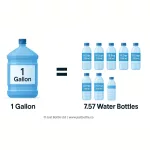
- Hydration +: Aim for 3-4 liters of water. Add electrolytes specifically.
- Supplement Check: Are you taking low-quality Whey protein? Or excessive B-Vitamins? Both can contribute to odd body odors.
Topical Treatments
- Acidification: Ammonia is basic (high pH). Washing with a slightly acidic wash (like Apple Cider Vinegar diluted) can neutralize the smell on the skin.
- Antibacterial Soap: Use Benzoyl Peroxide body wash to kill the bacteria that might be amplifying the smell.
Conclusion
Smelling like ammonia is your body’s check-engine light. It tells you: “I ran out of premium fuel (carbs), so I’m burning spare parts (protein).” For athletes, it’s a cue to eat a banana. For dieters, it’s a cue to drink water. But for everyone, persistent chemical odors warrant a check-up to ensure your liver and kidneys are filtering as they should.
References & Scientific Sources
About the Author: Linda Ava
Health Writer & Sports Nutrition Researcher
Linda Ava specializes in the intersection of metabolic health and athletic performance. With a background in breaking down complex physiological processes for the general public, she helps readers understand what their bodies are trying to tell them.
Disclaimer: This content is for informational purposes. If you suspect kidney or liver issues, seek professional medical testing immediately.



















Leave a Reply
You must be logged in to post a comment.