
Key takeaways
- Eliquis is prescribed to treat or prevent blood clots and to reduce the risk of stroke in certain adults. Its dosage varies based on the condition being treated and other individual factors.
- The standard Eliquis dosage for stroke prevention in adults with atrial fibrillation is 5 milligrams (mg) taken twice daily.
- Get immediate medical care if you suspect an Eliquis overdose, as it may lead to severe bleeding or other serious symptoms.
Eliquis (apixaban) is a brand-name medication prescribed for adults to:
- treat deep vein thrombosis (DVT)
- treat pulmonary embolism (PE)
- help prevent DVT or PE from coming back if you have a history of either condition
- reduce the risk of stroke and blood clots in people with nonvalvular atrial fibrillation
- prevent DVT, which can lead to PE, in people who have undergone knee or hip replacement surgery
Eliquis is available in three oral forms:
- a tablet that you swallow whole
- a tablet that can be mixed with liquid before swallowing
- a capsule containing “sprinkles” that are combined with liquid before swallowing
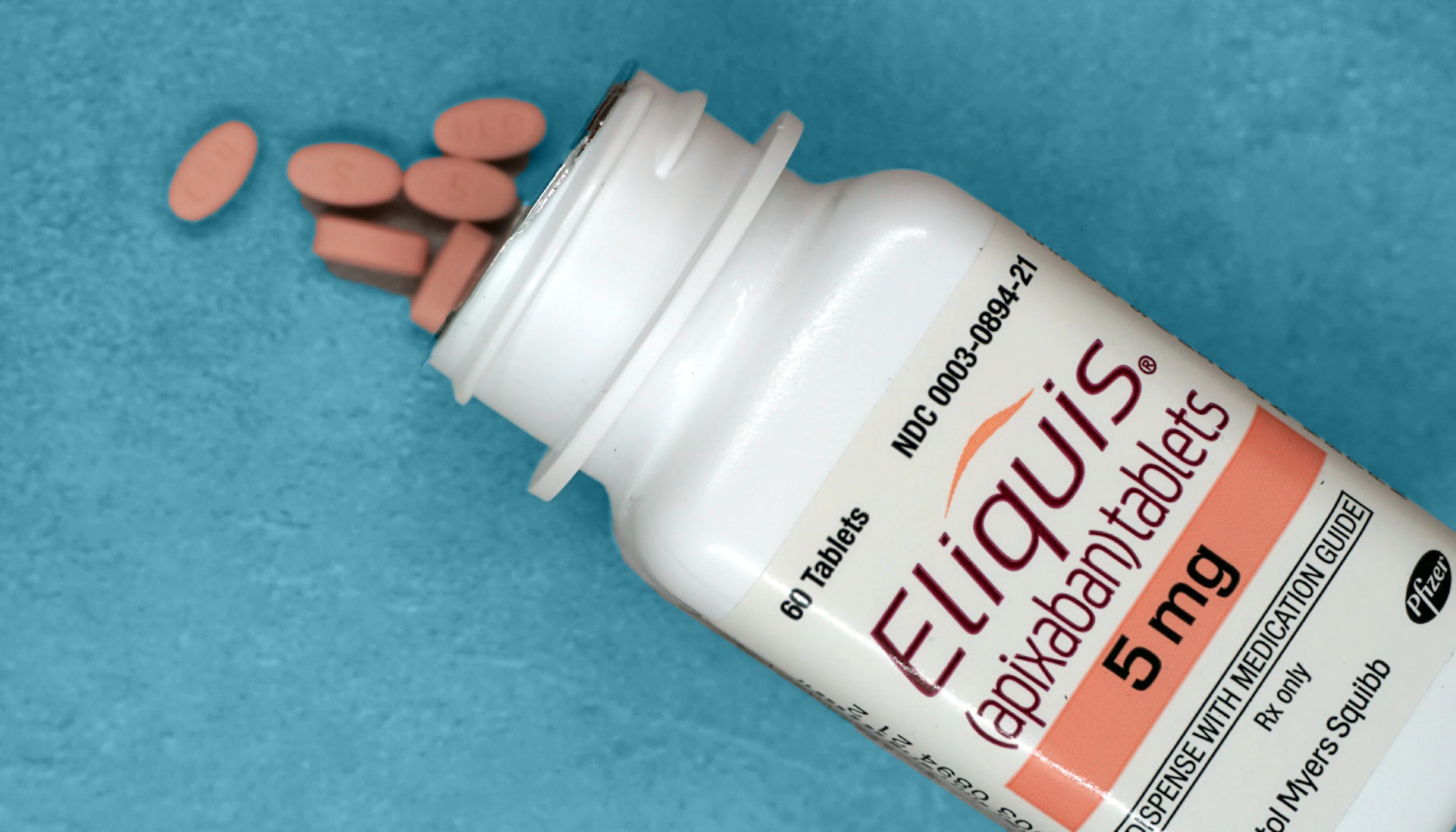
The active ingredient in Eliquis is apixaban. An active ingredient is the component responsible for the medication’s effect. Eliquis belongs to a class of drugs known as anticoagulants, often referred to as blood thinners because they reduce the blood’s ability to clot.
This article focuses on the dosage of the Eliquis oral tablet. If you’re wondering about broader considerations—such as safety in older adults or When to stop Eliquis in elderly patients due to bleeding risks or other health changes—those decisions should always be made with a healthcare professional. For more detailed information about the medication, including safety considerations such as Side effects of Eliquis in the elderly, speak with your doctor or pharmacist. You can also review this Eliquis overview article.
Eliquis dosage overview
Your doctor will typically begin treatment with an appropriate starting dosage of Eliquis and may adjust it gradually to find the amount that works best for you. The goal is to prescribe the lowest effective dose that provides the intended benefit while minimizing the risk of bleeding.
The chart below summarizes common Eliquis dosages. All strengths are listed in milligrams (mg).
Always follow the dosage prescribed by your healthcare provider. They will determine the most suitable dose based on your specific medical needs. In certain situations, your dosage may differ from those shown in the table.
| Indication | Dosage |
|---|---|
| to prevent stroke and blood clots for atrial fibrillation (AFib) | 5 mg twice per day |
| to treat deep vein thrombosis (DVT) and pulmonary embolism (PE) | 10 mg twice per day for 7 days; then 5 mg twice per day for as long as directed by your doctor |
| to prevent DVT and PE | 2.5 mg twice per day |
| to prevent DVT after knee and hip replacement | 2.5 mg twice per day |
Eliquis form
Eliquis is supplied as oral tablets that are swallowed.
Eliquis strengths
Eliquis oral tablets are available in two strengths: 2.5 mg and 5 mg.
Eliquis dosages by condition
Your prescribing physician will determine your starting dose of Eliquis according to the condition being treated. Over time, they may modify your dose to ensure you’re receiving the smallest amount necessary to achieve the desired therapeutic effect.
Your Eliquis dosage may depend on:
- the specific condition being treated
- other medications you’re currently taking
- additional medical conditions you may have
- your response to treatment
- your age
The following details outline commonly recommended dosages. However, always take the exact dose prescribed by your doctor. They will tailor your treatment plan to your individual health profile, especially when evaluating complex issues such as bleeding risk or determining When to stop Eliquis in elderly patients.
Dosage for preventing blood clots and stroke in people with AFib
For most individuals with nonvalvular AFib, the usual dosage is 5 mg taken twice daily.
In certain circumstances, a reduced starting dose may be appropriate.
Your doctor may advise Eliquis 2.5 mg twice per day if at least two of the following criteria apply:
- you’re age 80 years or older
- you weigh 60 kilograms (about 132 pounds) or less
- you have serious kidney problems
These adjustments are designed to lower the risk of bleeding complications while maintaining stroke prevention benefits.
Dosage for treating DVT and PE
The standard Eliquis dosage for treating DVT and PE is 10 mg twice daily for the first 7 days.
After this initial treatment period, your doctor will usually reduce the dose to 5 mg twice per day. You’ll continue this maintenance dose for the duration recommended by your healthcare provider, depending on your risk of recurrent clotting and overall health status.
Dosage for preventing DVT and PE
To help prevent DVT and PE after completing at least 6 months of treatment, the typical dosage is 2.5 mg taken twice daily.
You’ll begin this lower preventive dose after finishing the recommended treatment course described above. Your doctor will determine how long you should remain on this regimen based on your ongoing clot risk and bleeding risk.
Dosage for preventing DVT after hip or knee replacement
Knee and hip replacement surgeries increase the likelihood of developing blood clots during recovery. For this reason, your doctor may prescribe Eliquis to reduce postoperative clot risk.
The standard dosage for both hip and knee replacement surgery is 2.5 mg twice per day. Your first dose should be taken 12 to 24 hours before your scheduled procedure.
- after knee replacement surgery, treatment typically continues for 12 days
- after hip replacement surgery, treatment usually continues for 35 days
Your healthcare provider will give specific instructions about when to start Eliquis before surgery and how long to continue it afterward.
How to take Eliquis
Your doctor or pharmacist will provide detailed guidance on how to use Eliquis safely and effectively.
Eliquis tablets should be swallowed and may be taken with or without food.
The medication is generally taken twice daily. To maintain steady levels of apixaban in your bloodstream, try to take each dose at approximately the same times every day. Consistent timing can improve effectiveness and help reduce the risk of blood clots.
If swallowing tablets is difficult, ask your pharmacist about strategies that may help.
How long do you take Eliquis?
Eliquis is often prescribed as a long-term therapy. If you and your doctor determine that it is safe and effective for your condition, you may continue taking it indefinitely. Decisions about long-term therapy—including considerations about When to stop Eliquis in elderly individuals with changing health conditions—should always be individualized and supervised by a healthcare professional.
What if I miss a dose?
If you forget a dose of Eliquis, take it as soon as you remember. However, do not take two doses at the same time to make up for a missed dose. Doing so can raise your risk of serious side effects, including bleeding.
Taking Eliquis exactly as prescribed is essential to effectively reduce your risk of blood clots and stroke.
If remembering doses is challenging, consider setting a daily alarm or using a medication reminder app.
What to do for Eliquis overdose
Do not take more Eliquis than prescribed by your doctor. Taking too much can result in dangerous effects.
Symptoms of overdose
Signs of an Eliquis overdose may include:
- severe bleeding
- severe headache
- dizziness
- coffee ground vomitus (vomiting blood)
- coughing up blood
What to do in case you take too much Eliquis
Contact your doctor immediately if you believe you’ve taken too much Eliquis. You may also call 800-222-1222 to reach America’s Poison Centers or use its online tool. If you experience severe symptoms, call 911 (or your local emergency number) right away or go to the nearest emergency department.
Frequently asked questions about Eliquis dosage
Below are responses to common questions regarding Eliquis dosing.
Does Eliquis require dosage adjustments for older adults?
Yes, dosage changes may be necessary in some cases. Eliquis is used to reduce the risk of blood clots and stroke in people with nonvalvular atrial fibrillation (AFib). Adults age 80 years or older may require dosage adjustments under certain conditions.
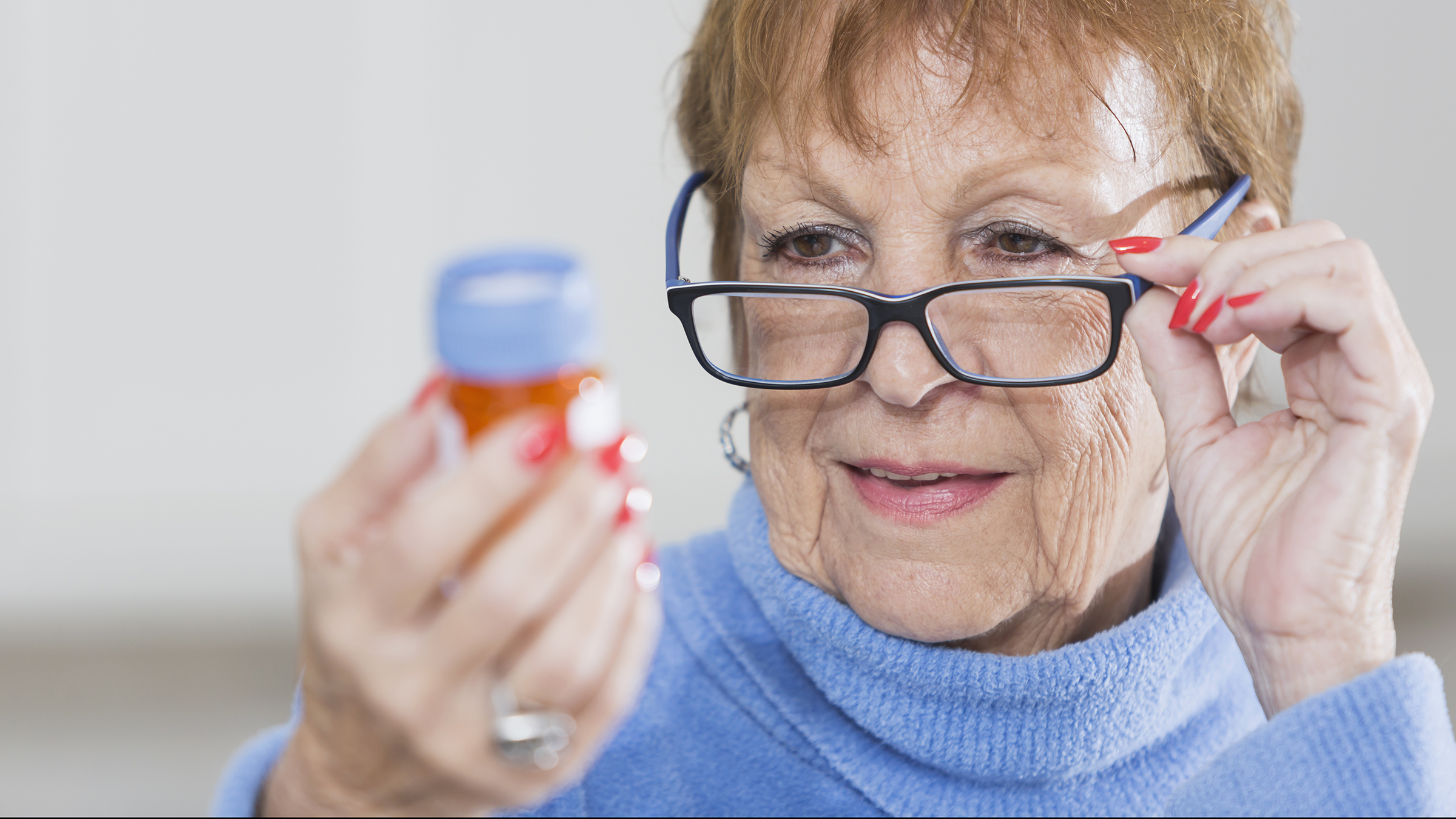
A reduced dosage may be recommended if at least two of the following apply:
- you’re age 80 years or older
- you weigh 60 kilograms (about 132 pounds) or less
- you have severe kidney problems, such as chronic kidney disease
In these situations, your doctor may prescribe 2.5 mg twice daily to decrease the risk of side effects. If you have concerns about your dosing—especially regarding bleeding risk, kidney function, or When to stop Eliquis in elderly patients—consult your healthcare provider for personalized guidance.
Is there a once-per-day dosing for Eliquis?
No, Eliquis is generally prescribed as a twice-daily medication. In the drug’s clinical studies, a twice-daily regimen was shown to be effective for its approved uses.
Do not alter your dose or dosing schedule without medical advice. Changing how you take Eliquis on your own may increase your risk of blood clots or serious bleeding. Speak with your doctor or pharmacist if you have questions about your regimen.
What factors can affect my Eliquis dosage?
Several factors may influence the dose of Eliquis that your doctor prescribes, including:
- the type and severity of the condition being treated
- your age and body weight
- other health conditions you may have
- other medications you’re taking
- your individual response to treatment
Your doctor will monitor your progress during treatment and make any necessary adjustments to ensure optimal safety and effectiveness.
Disclaimer: HealthEH has made every effort to ensure that all information is accurate, complete, and current. However, this content should not replace the expertise of a licensed healthcare professional. Always consult your doctor or another qualified medical provider before starting or changing any medication. Drug information may change and is not intended to cover all possible uses, directions, precautions, warnings, interactions, allergic reactions, or adverse effects. The absence of specific warnings does not indicate that the drug or combination is safe, effective, or appropriate for every individual or condition.


















Leave a Reply
You must be logged in to post a comment.