
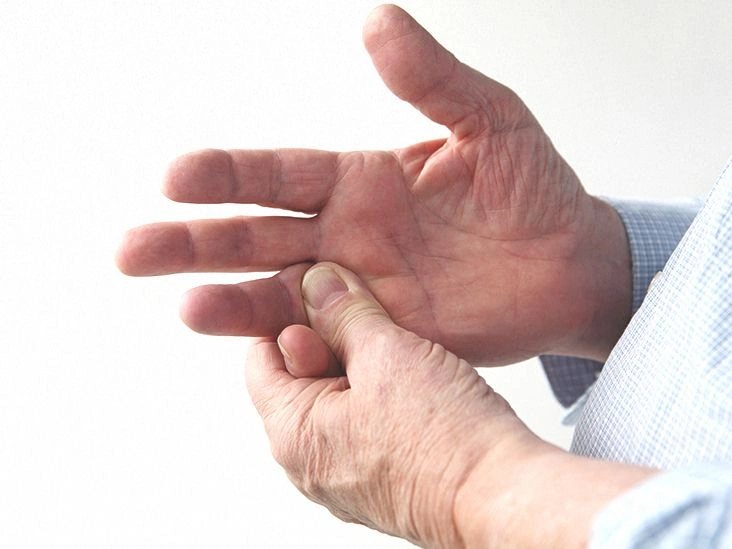
A sprain happens when ligaments are stretched beyond their capacity or torn. Ligaments are the fibrous bands that link bones at a joint.
Sprains are very common. While they frequently affect athletes who play sports that involve catching or handling a ball, anyone can easily sprain a finger.
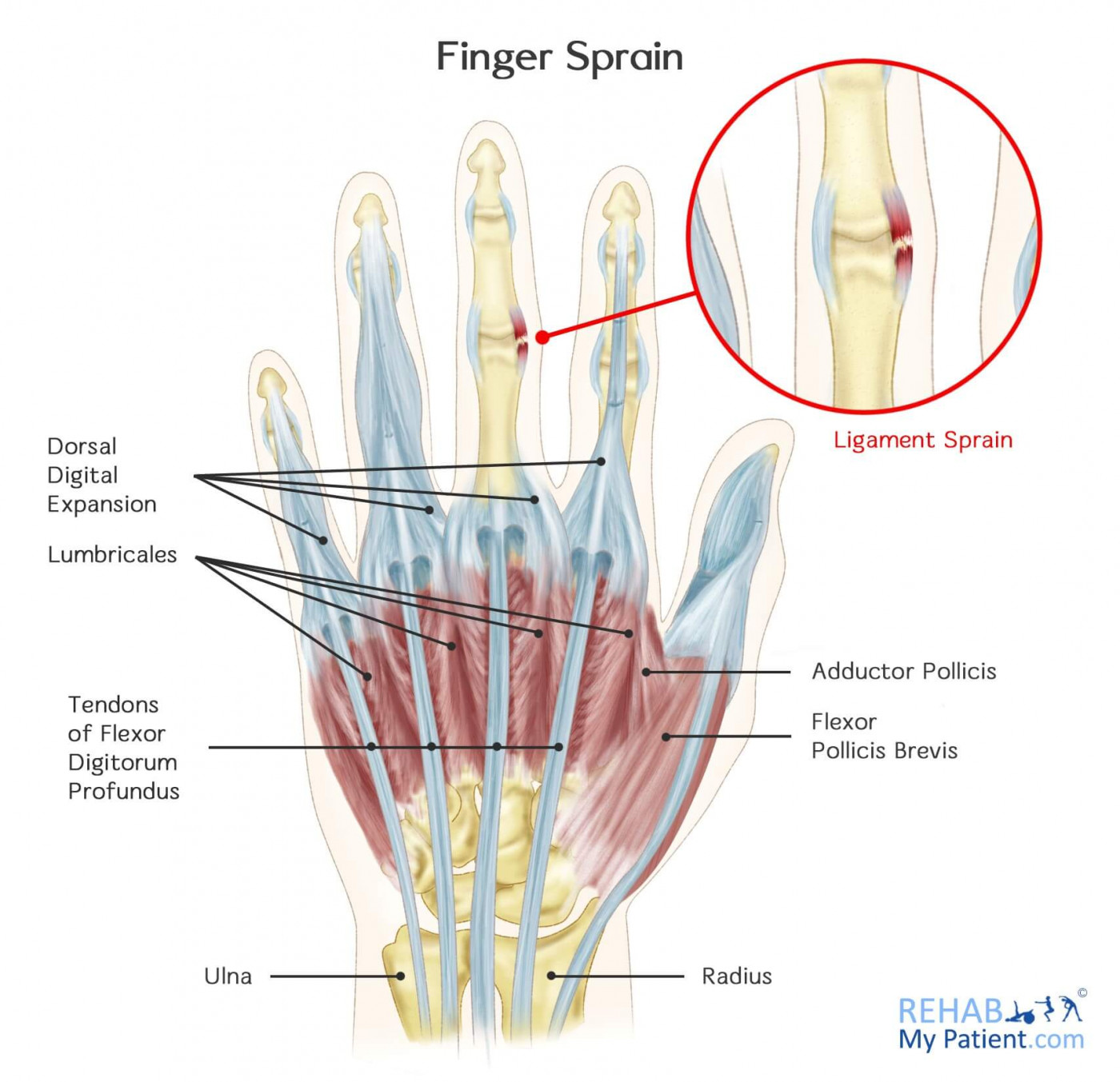
What are the symptoms of a sprain?
Typical signs of a sprain include pain, swelling, reduced movement, and bruising. Sprains are categorized into three grades, each with its own pattern of these symptoms.
First-degree sprain
A first-degree sprain is the least severe. It involves ligaments that are stretched but intact. Symptoms include:
- mild localized pain and swelling near the joint
- some limitation when flexing or straightening the finger
The finger and joint generally retain their strength and stability.
Second-degree sprain
A second-degree sprain is moderate and involves more damage to the ligament. The joint capsule may also be affected, potentially including partial tearing. Symptoms include:
- more pronounced pain
- greater swelling, which can extend along the length of the finger
- restricted range of motion that may involve the whole finger rather than a single joint
- mild joint instability
Third-degree sprain
A third-degree sprain is the most serious, indicating a major tear or complete rupture of the ligament. Symptoms can include:
- partial or complete dislocation of the finger
- intense pain and marked swelling
- instability of the entire finger
- visible discoloration of the finger
What causes a sprained finger?
Sprained fingers generally result from a forceful impact to the finger. Often a blow to the fingertip causes the joint to hyperextend, stretching or tearing the ligaments.
Sports-related incidents are a frequent cause, especially in games like basketball where a fingertip can catch the ball incorrectly. However, ordinary accidents—such as jamming a finger against a countertop or during a fall—can also produce a sprain.
How is a sprained finger diagnosed?
If you suspect a mild sprain, initial home care is usually appropriate. If symptoms don’t improve and mobility hasn’t returned after three to four days, see a healthcare professional.
Moderate and severe sprains often require medical evaluation. A clinician will examine the joint and have you move the finger to assess function and range of motion. An X-ray may be ordered to rule out fractures and to determine the extent of injury.
How are sprained fingers treated?
The first-line home treatment for a sprained finger is RICE: rest, ice, compression, and elevation. Rest the joint, apply ice packs for about 20 minutes at a time (wrap the ice to avoid direct skin contact), or soak the finger in cool water to help reduce swelling and pain.
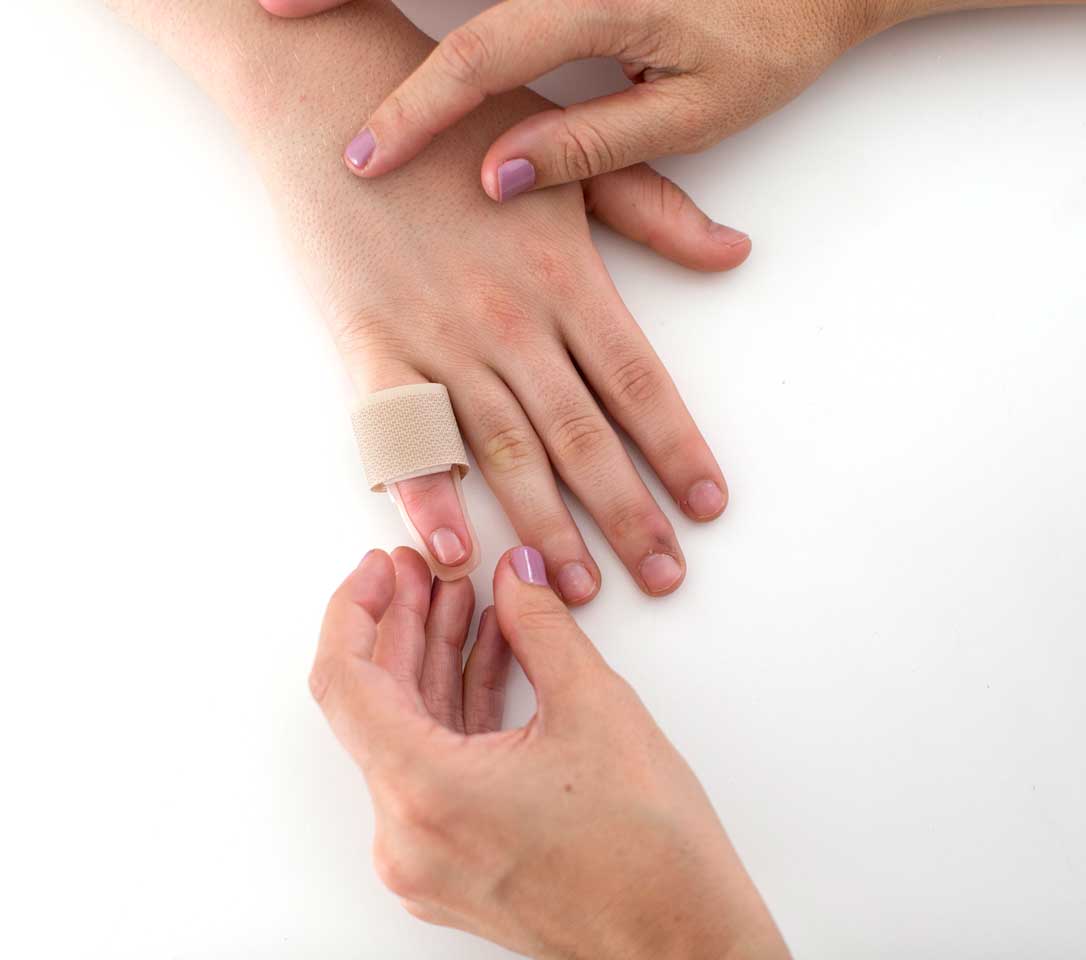
Wrap the joint for compression and keep it elevated to minimize swelling. Elevation is especially helpful during sleep.
Over-the-counter pain relievers such as ibuprofen (Advil) or acetaminophen (Tylenol) can be taken every eight hours as needed.
For more severe sprains, a doctor may immobilize the finger with a splint to promote proper healing. In rare instances involving significant ligament tearing, surgical repair may be necessary.
What is the outlook for a sprained finger?
Following mild or moderate sprains, you can usually begin gentle use of the finger and gradually increase movement. Most minor to moderate sprains fully recover within three to six weeks.
Although sprains can be painful, they are generally treatable and often preventable. Warming up before activity and strengthening the surrounding muscles reduce risk. Also, use appropriate protective equipment for sports or physical activities that warrant it.


















Leave a Reply
You must be logged in to post a comment.