

Many different ailments, such as ear infections and low blood sugar, can leave you feeling both dizzy and worn out. In some cases these sensations are fleeting, while in others they may recur.
Dizziness is a general term for feeling off-balance or as if the world is spinning. To describe your experience more precisely to a clinician, you can use these specific phrases:
- Disequilibrium: A sensation of unsteadiness is called disequilibrium.
- Lightheaded: Feeling faint or woozy is described as lightheadedness.
- Vertigo: A spinning feeling when you are still is known as vertigo.
A variety of medical problems can produce both dizziness and fatigue. If you frequently feel dizzy and tired, a healthcare provider can help identify the cause.
Beyond being uncomfortable, untreated dizziness and tiredness can raise your risk of falls or accidents, such as while driving.
Low blood sugar
Your body relies on glucose (sugar) for energy. When blood glucose falls too low, you may experience dizziness, tremors, and exhaustion.
Hypoglycemia commonly occurs as an adverse effect of insulin and other diabetes medications. These treatments lower blood sugar, but taking too much or mistiming doses can cause levels to dip excessively.
People without diabetes can also develop hypoglycemia, for example after going without food for an extended period or drinking alcohol on an empty stomach.
Signs of low blood sugar include:
- dizziness
- fatigue
- rapid heartbeat
- sweating
- trembling
- hunger
- irritability
- confusion
A quick source of carbohydrates can relieve low blood sugar. Try a glass of fruit juice or a piece of hard candy, then follow with a balanced meal to stabilize levels.
If you have diabetes and recurrent hypoglycemia, discuss medication adjustments with your clinician. Eating smaller, more frequent meals can also help maintain steadier blood sugar.
Low blood pressure
Blood pressure is the force with which blood presses against the walls of your blood vessels as it circulates.
Symptoms of low blood pressure can include:
- dizziness or lightheadedness
- fatigue
- nausea
- increased thirst
- blurred vision
- rapid, shallow breathing
- pale, clammy skin
- difficulty concentrating
Conditions that may lower blood pressure include:
- cardiac problems
- certain drugs for high blood pressure, Parkinson’s disease, or depression
- major injury with blood loss
- dehydration
- pregnancy
- diabetes
Treating the underlying problem can restore normal blood pressure. Other measures to raise low blood pressure include:
- eating a nutritious, well-rounded diet to support overall health
- increasing salt intake, which can elevate blood pressure
- drinking more fluids to prevent dehydration
- wearing compression stockings to help when prolonged inactivity contributes to low pressure
Anemia
Red blood cells transport oxygen to tissues and organs. With anemia, you either lack enough red blood cells or they don’t function optimally. Reduced oxygen delivery can make you feel lightheaded or fatigued.
Anemia symptoms may include:
- dizziness
- tiredness
- shortness of breath
- weakness
- rapid or irregular heartbeat
- headache
- cold hands or feet
- pale skin
- chest discomfort
Potential causes of anemia include:
- blood loss, such as heavy menstrual periods
- nutrient deficiencies like iron shortage
- bone marrow disorders
- some medications, including certain chemotherapy agents
Migraine episodes
Migraine is a neurologic disorder characterized by severe headache episodes.
Migraine attacks are often intense, pulsating headaches lasting from hours to days. Other symptoms during an attack can include:
- visual disturbances like flashing lights or colors
- nausea and vomiting
- sensitivity to light and noise
- lightheadedness
- fatigue
People with vestibular migraine may experience dizziness and vertigo even without a headache. The vertigo can persist for minutes to hours.
Avoiding known migraine triggers — for example alcohol, caffeine, and certain dairy products — may reduce attacks in some people. Treatment options that prevent or ease migraines include:
- preventive medications, such as some antidepressants and anticonvulsants, to reduce attack frequency
- short-term treatments like NSAIDs and triptans to relieve an active migraine
- complementary therapies, including massage and acupuncture, which some find helpful
Medications
Some drugs list dizziness and tiredness as side effects. Examples include:
- antidepressants such as fluoxetine (Prozac) and trazodone
- anticonvulsants like divalproex (Depakote), gabapentin (Neurontin, Active-PAC with gabapentin), and pregabalin (Lyrica)
- cardiac drugs, including ACE inhibitors, beta-blockers, and diuretics
- muscle relaxants such as cyclobenzaprine (Fexmid) and metaxalone
- sleep aids like diphenhydramine (Benadryl, Unisom), temazepam (Restoril), eszopiclone (Lunesta), and zolpidem (Ambien)
If you suspect a medication is making you dizzy or fatigued, consult your clinician. They can advise on tapering safely or switching therapies.
Irregular heart rhythms
Normally your heart follows a steady “lub-dub” pattern. An arrhythmia occurs when the heart beats too slowly, too quickly, or skips beats.
Along with dizziness and tiredness, arrhythmia symptoms may include:
- fainting
- shortness of breath
- chest pain
Providers can manage rhythm problems with medications like anticoagulants or blood pressure drugs. They may advise avoiding stimulants such as caffeine, alcohol (if you drink), and certain cold medicines that can affect heart rhythm.
Chronic fatigue syndrome
Chronic fatigue syndrome (CFS) causes profound tiredness that doesn’t improve with sleep. Dizziness and balance problems are common features.
Symptoms of CFS can include:
- extreme exhaustion
- dizziness or balance difficulties
- sleep disturbances
- memory and concentration problems
- muscle or joint pain
- headache
- heightened sensitivities to foods, medications, or other substances
Treating CFS is often difficult because it varies among individuals. A clinician can tailor treatment to your symptoms, using approaches like medication and counseling.
Vestibular neuronitis
An infection such as a cold or flu can inflame the vestibular nerve in the inner ear. This nerve transmits balance information to the brain. Inflammation can cause dizziness and vertigo, and you may feel extremely fatigued.
Symptoms of vestibular neuronitis include:
- dizziness and vertigo
- fatigue
- nausea and vomiting
- difficulty concentrating
- blurred vision
Vestibular neuritis is usually viral, and symptoms often improve within several days.
Dehydration
Dehydration occurs when your body lacks sufficient fluid. It can develop if you don’t drink enough, especially during hot weather or while exercising.
Signs of dehydration include:
- dizziness
- fatigue
- reduced or absent urine
- confusion
- headache
Treat dehydration by drinking fluids such as water or an electrolyte beverage like Gatorade. Severe dehydration may require hospital care and intravenous fluids.
Seeking help
If you’ve had repeated bouts of dizziness and tiredness, it’s wise to consult a doctor to determine the cause. Seek urgent care or go to the emergency department right away if you develop more serious signs, such as:
- fainting or loss of consciousness
- seizures
- blurred vision or vision loss
- severe vomiting
- palpitations
- chest pain
- confusion
- high fever — over 102.2°F (39°C) for children and 103°F (39.4°C) for adults
- difficulty speaking
Outlook
The prognosis depends on the underlying cause of your dizziness and fatigue.
If an infection is responsible, symptoms often improve within a few days.
Conditions like migraine and CFS are long-term, but symptoms can be managed with medications and other therapies.
Prevention
Some steps that may help prevent dizziness and tiredness include:
- Drink plenty of water throughout the day to avoid dehydration.
- Rise slowly when moving from lying or sitting to standing.
- Limit or avoid alcohol, if relevant.
To reduce the risk of falls or accidents while dizzy, do not drive or use heavy machinery. Remain seated or lie down until the sensation subsides.
Frequently asked questions
Is it normal to feel lightheaded every day?
Low blood sugar, dehydration, and sleep deprivation can all impair balance and coordination. If you’re dizzy more often than not, seek medical evaluation.
Why do I feel lightheaded and tired all day?
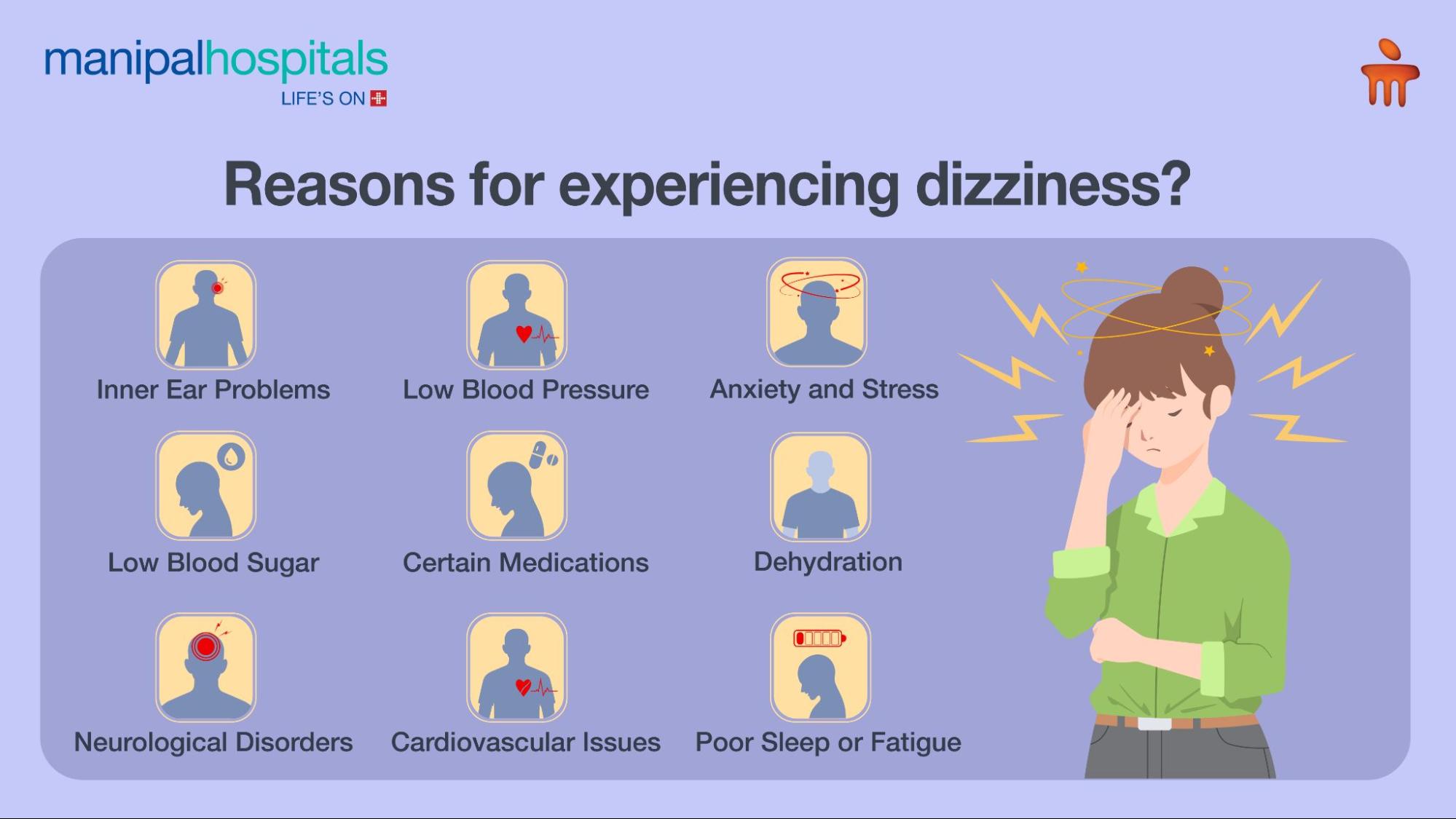
Dizziness and persistent tiredness can arise from many causes, including inner ear disorders, anemia, low blood pressure, dehydration, anxiety, stress, or medication side effects.
When should you worry about dizziness?
Sudden, severe, or ongoing dizziness could signal a heart condition.
Get emergency care if dizziness occurs with chest pain, breathlessness, or confusion, since these may indicate a stroke or other serious issue.
What am I lacking if I keep getting lightheaded?
Lightheadedness can stem from nutrient shortfalls, such as iron deficiency. It may also follow inadequate fluid intake or prolonged fasting. Certain health conditions, including migraine and CFS, can also cause recurrent lightheadedness.























Leave a Reply
You must be logged in to post a comment.