6 Causes of Swollen Lips

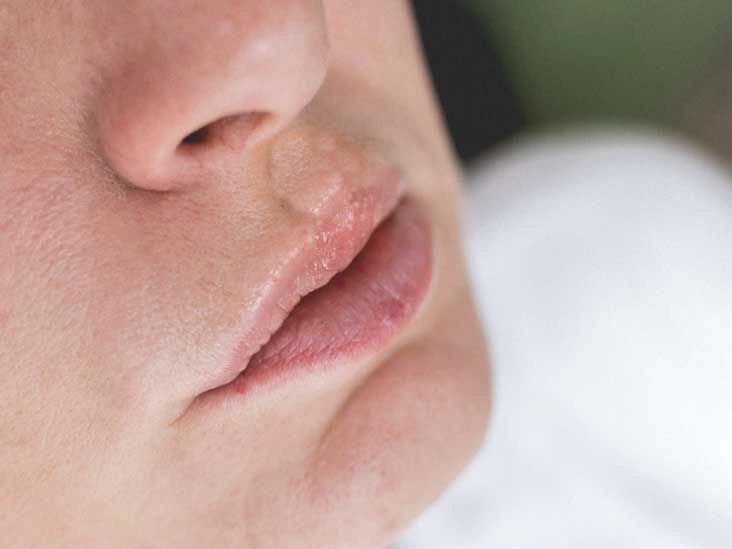
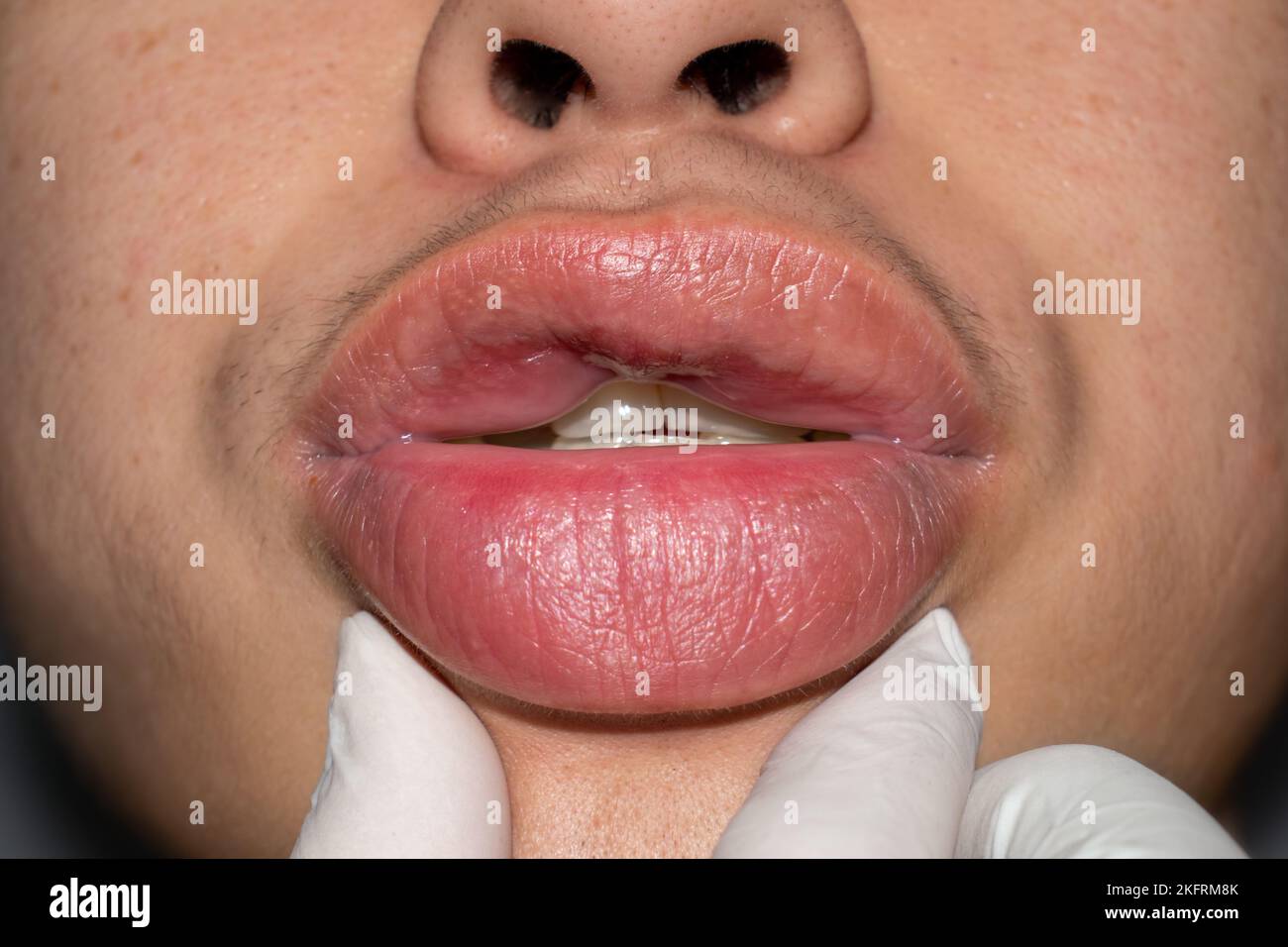
Swollen lips occur when inflammation or fluid accumulates beneath the skin of the lips. A wide range of triggers can produce this swelling, from minor dermatologic issues to life-threatening allergic reactions.
Continue reading to explore possible causes, associated signs, and when to get urgent medical care.

When should I contact a doctor?
Anaphylaxis is a critical allergic reaction that can lead to swollen lips. Any allergen can provoke anaphylaxis, which may begin within minutes or sometimes longer after exposure.
It’s often called anaphylactic shock because the immune system releases a flood of chemicals that can cause shock.
Other signs of anaphylaxis include:
- low blood pressure
- airway constriction
- swelling of the tongue and throat
- loss of consciousness
- fast, weak pulse
Anaphylaxis demands immediate treatment with epinephrine (EpiPen).
If you have known allergies, discuss getting a portable epinephrine auto-injector with your clinician and carry it with you. Teach close contacts — friends, coworkers, and family — how to recognize anaphylaxis and administer epinephrine.
Most other reasons for swollen lips are not emergencies, but you should still follow up with your healthcare provider to ensure there isn’t a more serious underlying issue.
Allergies
An allergy is your body’s immune response to certain substances. When exposed to an allergen, your body releases histamine.
Histamine release produces typical allergy symptoms like sneezing, itchy skin, and inflammation, which can lead to lip swelling. Various types of allergies can cause the lips to enlarge.
Environmental allergies
Allergic reactions to environmental triggers are common. These are often unavoidable and include pollen, mold spores, dust, and pet dander.
Additional symptoms of environmental allergies include:
- swelling in other areas
- wheezing
- hives
- eczema
- sneezing
- nasal congestion
An allergist can help manage environmental allergies. They may run skin or blood tests to identify your triggers. Treatment can include over-the-counter or prescription antihistamines, and for severe cases, allergy immunotherapy (shots).
Food allergies
Food allergies frequently cause swollen lips. According to the Centers for Disease Control and Prevention (CDC) , about 6% of adults and up to 8% of children have food allergies.
Swelling typically begins shortly after eating the offending food. Common culprits include eggs, nuts, dairy, and shellfish.
Food allergies can also produce:
- facial swelling
- tongue swelling
- dizziness
- difficulty swallowing
- nausea
- abdominal pain
- coughing
- wheezing
Avoiding the foods that trigger your symptoms is the only effective treatment. If your lips swell after a meal, keep a food log and note any reactions to help identify the cause.
Other allergies
Insect bites or stings can also lead to lip swelling. If you’re allergic to bee stings, for instance, you may develop widespread swelling after being stung. Rapid-acting antihistamines, like diphenhydramine (Benadryl), can alleviate swelling and itching from insect stings or bites.
Medication allergies may cause swollen lips as well. The ACAAI notes penicillin is a frequent cause of drug allergies, affecting roughly 10% of people.
Other offenders include different antibiotics, nonsteroidal anti-inflammatory drugs (NSAIDs), and anticonvulsants. Some patients react to chemotherapy agents during cancer treatment.
Additional symptoms of drug allergies include:
- skin rash
- hives
- wheezing
- generalized swelling
- vomiting
- dizziness
As with food allergies, avoiding the medication that provokes a reaction is the primary approach to prevention.
Angioedema
Angioedema is a transient condition that produces deep swelling under the skin. It may result from allergic reactions, nonallergic drug responses, or inherited factors. While it can affect any body area, it commonly involves the lips or eyelids.
Other signs of angioedema include:
- itching
- pain
- hives
Symptoms typically last 24 to 48 hours. Treatment options include antihistamines, corticosteroids, or epinephrine injections.
Your clinician will choose the appropriate medication based on the cause and severity. Antihistamines are often effective for allergy-related angioedema. Nonallergic and hereditary forms frequently respond to corticosteroids.
Injuries
Trauma to the face, especially around the mouth or jaw, can produce swollen lips.
Common causes of facial injuries include:
- cuts
- bites
- lacerations
- burns
- blunt-force trauma
You may also notice bruising, abrasions, or bleeding depending on the injury.
Treatment varies with the injury. For minor trauma, applying ice can reduce pain and swelling. Heat may also help once swelling subsides.
If you have a deep wound or persistent bleeding, go to an emergency department or urgent care promptly. Watch for infection signs such as increasing swelling, warmth, redness, or tenderness and report these to your healthcare provider.
Cheilitis glandularis
Cheilitis glandularis is an inflammatory disorder that affects only the lips. The Genetic and Rare Diseases Information Center indicates it’s more common in men. The exact cause is unknown, but it is linked to UV exposure, lip trauma, and tobacco use.
Other lip-related signs include:
- tenderness of the lips
- tiny openings that drain saliva
- uneven lip texture
Cheilitis glandularis often doesn’t require treatment but increases vulnerability to bacterial infections, which typically need antibiotics or corticosteroids.
Melkersson-Rosenthal syndrome
Melkersson-Rosenthal syndrome (MRS) is a rare inflammatory neurological disorder affecting the face. The hallmark is swollen lips. Some individuals may also develop a fissured tongue or facial paralysis, though usually only one or two symptoms appear at a time.
MRS is uncommon and thought to have a genetic component. Treatment commonly involves corticosteroids and NSAIDs to reduce swelling.
Cheilitis granulomatous
Cheilitis granulomatous, also called Miescher cheilitis, is another rare inflammatory condition that can cause lumpy lip swelling. Many clinicians classify it as a variant of MRS.
As with MRS, corticosteroids and NSAIDs are often used to lessen inflammation and swelling.
Bottom line
A variety of factors can make your lips swell, ranging from everyday allergies to uncommon genetic conditions. Work with your healthcare provider to identify the root cause so you can treat it or prevent future episodes.
Meanwhile, over-the-counter NSAIDs, such as ibuprofen (Advil), may help lower swelling.
Frequently Asked Questions
Sudden lip swelling is often due to allergic reactions (food, insect stings, medications) or angioedema. Trauma, infections, or contact irritants can also cause rapid swelling.
Seek emergency care if swelling is accompanied by difficulty breathing, throat tightness, tongue swelling, lightheadedness, or rapid pulse—signs of anaphylaxis requiring immediate treatment.
Treatment commonly includes antihistamines, corticosteroids for more severe inflammation, and epinephrine for anaphylaxis. Avoiding the triggering allergen is essential for prevention.
Yes. Conditions like Melkersson-Rosenthal syndrome, cheilitis glandularis, or chronic cheilitis can cause recurring or persistent lip swelling and may need specialist management.
For minor swelling, apply cold compresses, take over-the-counter NSAIDs for pain and inflammation, avoid known irritants, and seek medical advice if symptoms persist or worsen.





Related Posts

Side Effects of Brixadi: What You Need to Know
Aug 28, 2026 • 14 min readSide Effects of Eligard: What You Need to Know
Aug 14, 2026 • 32 min read
Does Excessive Alcohol Use Cause Rhinophyma?
Sep 2, 2026 • 7 min read
9 of the Best Keto-Friendly Protein Bars You Can Buy
Sep 17, 2026 • 19 min read
Is the Pain in My Tailbone Cancer?
Aug 21, 2026 • 21 min read