
Although muscle spasms are typically brief and not dangerous, they can be quite uncomfortable. If you’re searching for How to stop muscle spasms in chest, it’s important to know that simple measures like gentle stretching often provide fast relief. Additional home strategies such as massage, applying ice or heat, and maintaining proper hydration may also ease symptoms.

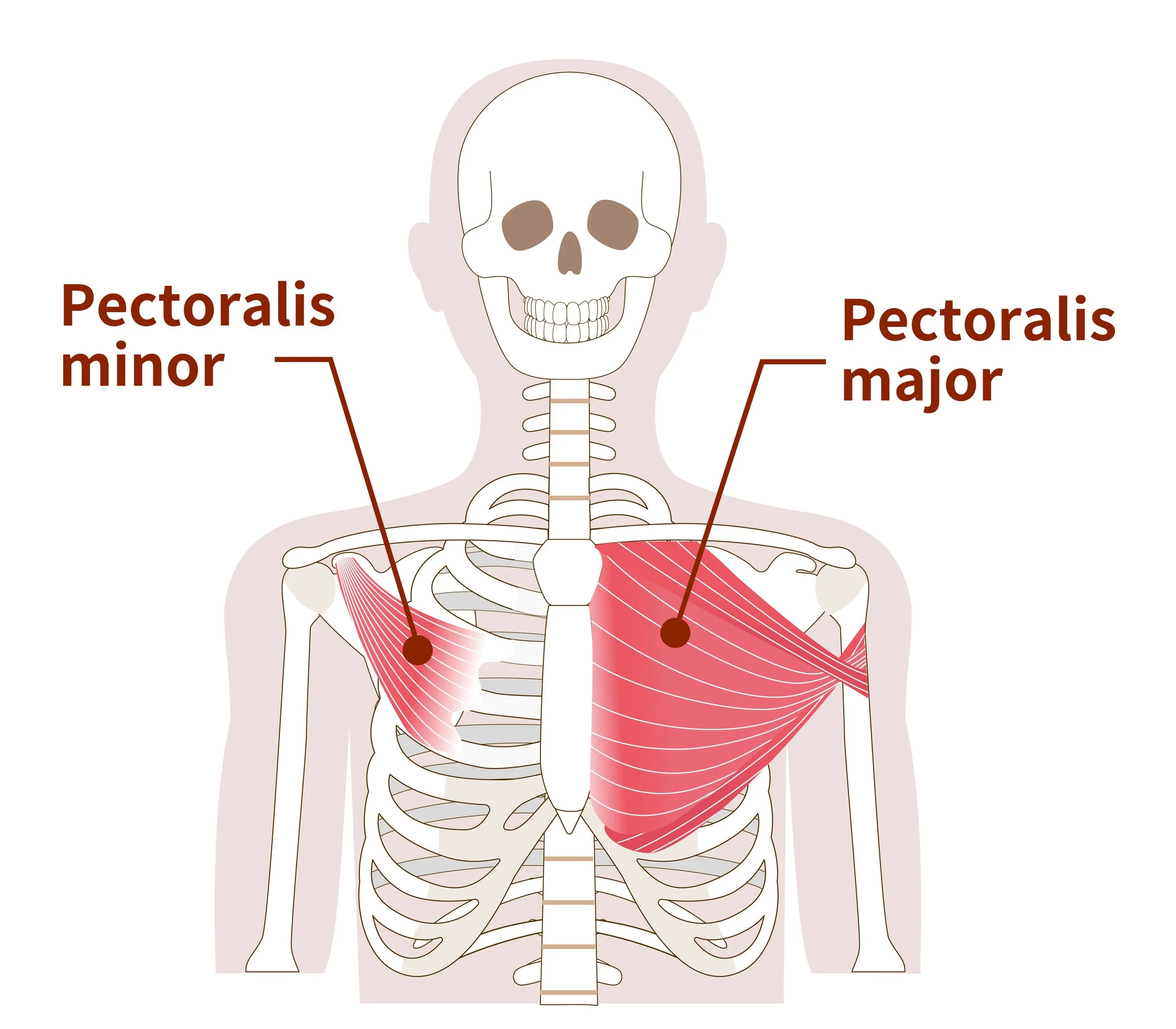
Muscle spasms, also called cramps, are very common and most often affect the leg muscles. However, any skeletal muscle can tighten suddenly, including those in your back, hands, feet, toes, or even the chest wall. When discomfort occurs in the chest area, many people worry about heart-related issues. Learning How to stop muscle spasms in chest can help you respond calmly while also recognizing when medical care is necessary. In some cases, symptoms may feel similar to a Weird muscle spasm near heart or, more rarely, a Coronary artery spasm, so understanding the difference is essential.
Spasms may last just a few seconds or continue for up to 15 minutes. If you deal with repeated or chronic cramping, it’s wise to consult a doctor for evaluation.
How muscle spasms feel
A muscle spasm can present as a visible twitch or a sudden tightening sensation that feels like a hard knot beneath the skin. Once the contraction subsides, the affected muscle may remain sore, tender, or fatigued. Severe cramps can temporarily limit movement and feel debilitating.
Several home remedies are commonly suggested for relieving muscle spasms. While many individuals report improvement, controlled studies have shown limited proof supporting the effectiveness of some approaches.
Below are practical options you can try.
1. Stretching
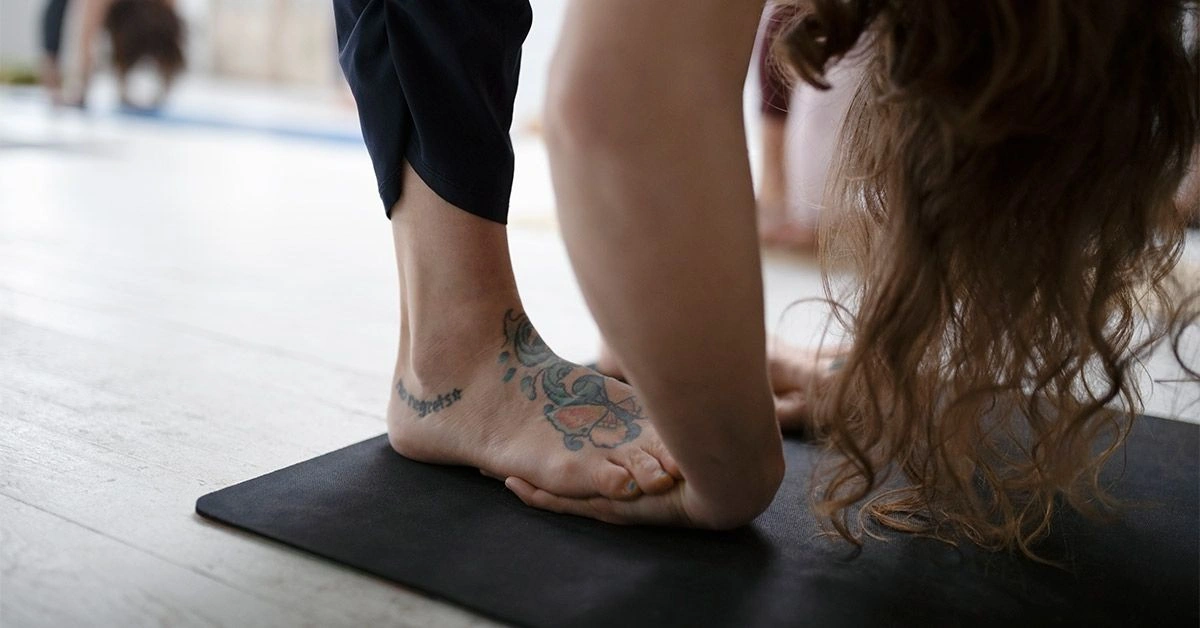
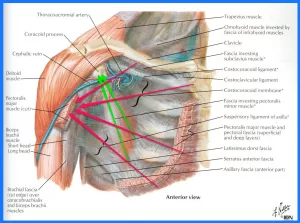
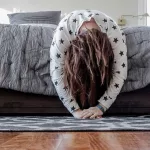
Gently stretching the muscle involved often helps decrease tightness and may stop the spasm. Stretching also improves circulation and flexibility, which may reduce the likelihood of recurrence. If you’re figuring out How to stop muscle spasms in chest, slow chest-opening stretches and shoulder rolls can sometimes relax the intercostal muscles between the ribs.
4 stretches for calf muscle spasms
To do the first stretch:
- Lie down and extend your leg, either pointing your toes away or pulling them toward your head. (Pulling the toes toward you is known as dorsiflexion.)
- Maintain the stretch for several seconds or until the cramp eases.
- You can also loop a strap or belt around your foot and gently draw the top of your foot toward you.
This technique can also relieve a hamstring spasm.
Other stretches to do:
- Stand and shift your weight onto the cramped leg, bending the knee slightly.
- Rise onto your tiptoes for a few seconds.
- Step forward into a lunge with the unaffected leg while keeping the cramped leg straight.

Stretch for thigh spasms
- Stand upright and hold a chair for stability.
- Bend your knee and draw your leg backward from the hip.
- Grasp your ankle and gently pull your foot toward your buttock.
4 stretches for back spasms
The simplest way to ease a back spasm is to walk slowly. A relaxed, steady walk can loosen tight back muscles and decrease discomfort.
Tennis ball stretch:
- Lie on the floor or a bed with a tennis ball (or similar small ball) positioned under the tight area for several minutes.
- Focus on relaxing and breathing normally.
- Shift the ball slightly to an adjacent tender spot and repeat.
Foam roller stretch:
- Lie on the floor with a foam roller placed perpendicular to your spine.
- Roll your back gently over the roller, moving up toward your shoulder blades and down toward your belly button.
- Keep your arms crossed over your chest.
Exercise ball stretch:
- Sit on an exercise ball and carefully lean back so your back, shoulders, and buttocks stretch over the ball while your feet remain flat on the floor. Perform this near a stable surface for support if needed.
- Hold the stretched position for several minutes.
Stretch for neck spasms
- While seated or standing, roll your shoulders forward, up, back, and down in a circular motion. Repeat 10 times.
- Reverse the direction by rolling your shoulders back, up, forward, and down. Complete 10 circles this way.
You can perform shoulder rolls almost anywhere—while driving, sitting at a desk, or waiting in line.
Shop for stretching accessoriesStretching benefits overall muscle health, and tools such as resistance bands or foam rollers may enhance relief from muscle spasms.resistance strap for calf stretch foam roller for back stretch exercise ball for back stretch
2. Massage
Massage therapy can be highly effective for easing muscle tension and discomfort.
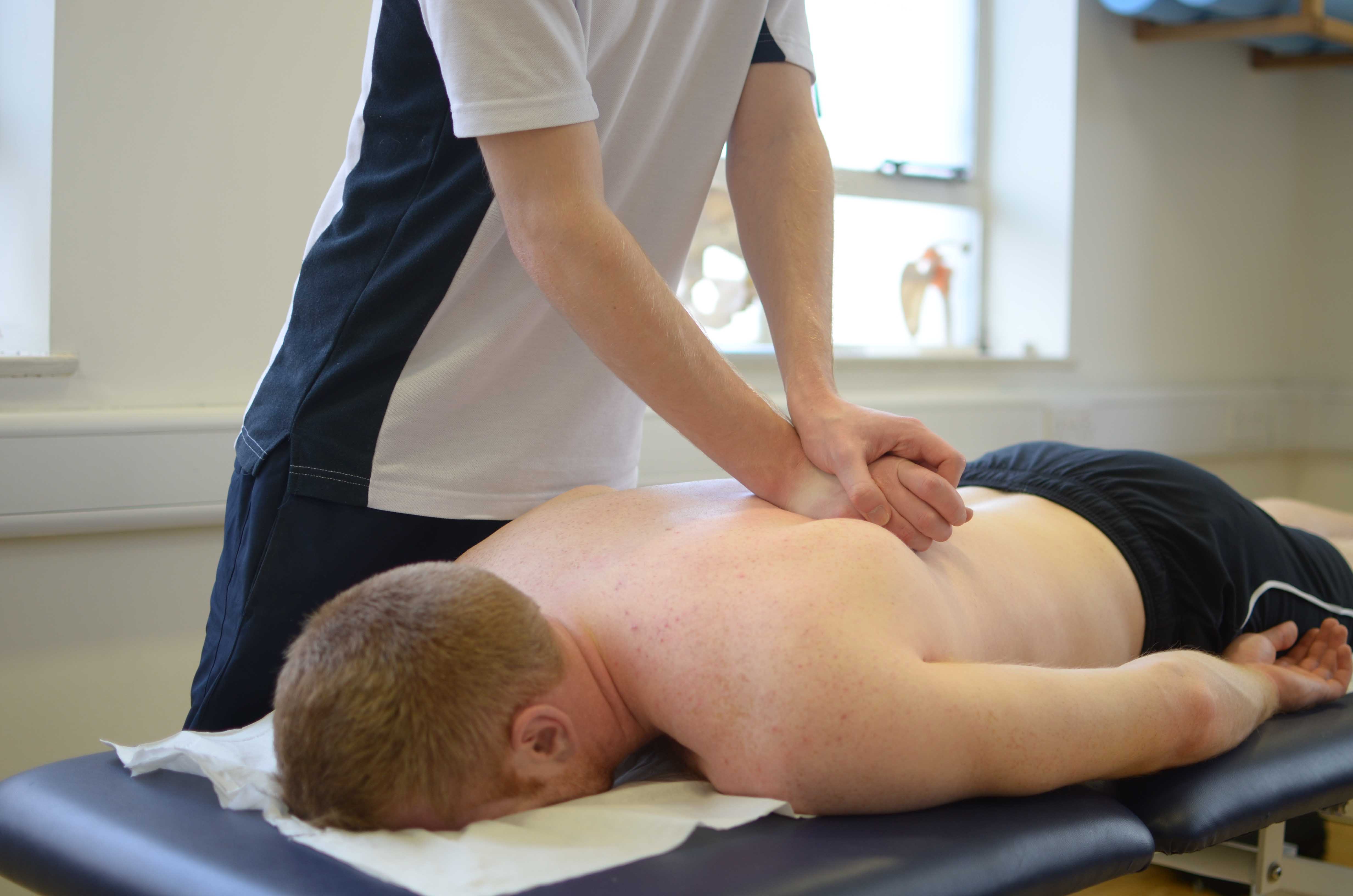
- Gently knead or rub the muscle that is cramping.
- For a stubborn back spasm, try firmly pinching the surrounding area and holding for several seconds. You may need assistance if the area is hard to reach.
For chest wall cramps, light circular massage over the intercostal muscles combined with slow breathing may help relax the area.
3. Ice or heat
Using either heat or cold can significantly reduce pain and muscle tightness.
For ongoing spasms, place an ice pack on the muscle for 15 to 20 minutes at a time, several times daily. Always wrap the ice in a thin towel to protect your skin.
A heating pad applied for 15 to 20 minutes can also soothe tight muscles, but consider following heat with ice. While warmth feels comforting, it can increase inflammation; cold therapy helps reduce it.
Other warming methods include a hot shower, warm bath, or time in a hot tub, all of which may promote muscle relaxation.
4. Hydration
If you experience a spasm, try drinking water.
To lower your risk of cramps—including chest muscle tightness during exercise—stay well hydrated, particularly in hot weather or during physical activity.
Hydration needs vary based on body size, activity level, climate, and overall health. General daily intake recommendations include:
Adequate amounts of water and equivalent measurements
| Women | 2.7 liters | 91 ounces | 11 glasses |
|---|---|---|---|
| During pregnancy | 3 liters | 101 ounces | 12 glasses |
| During lactation | 3.8 liters | 128 ounces | 16 glasses |
| Men | 3.7 liters | 125 ounces | 15 1/2 glasses |
The Food and Nutrition Board released a report in 2004 outlining general recommendations for total water intake, including fluids from foods and beverages.
Approximately 80 percent of daily water intake typically comes from beverages, including plain water, while the remaining 20 percent is derived from food.
5. Mild exercise
Some individuals prevent nighttime leg cramps—which may occur in up to 60 percent of adults—by engaging in light physical activity before bed.
Examples of gentle exercise include:
- jogging in place
- walking up and down stairs
- riding a stationary bike briefly
- using a rowing machine for a few minutes
- light bouncing on a trampoline
Keep exercise mild, as vigorous activity late in the evening may disrupt sleep.
6. Nonprescription remedies
Several oral options may help reduce muscle spasms:
- NSAIDs. Over-the-counter nonsteroidal anti-inflammatory drugs (NSAIDs) often relieve discomfort by decreasing inflammation and pain.
- Pickle juice. Consuming a small amount of pickle juice has reportedly reduced cramping within 30 to 35 seconds, possibly by restoring electrolyte balance.
- Supplements. Some people use salt tablets, vitamin B-12, or magnesium to prevent cramps, though there is limited evidence supporting their effectiveness.
- Natural muscle relaxers. Options include chamomile tea, adding capsaicin to meals, and improving sleep quality.
7. Topical creams that are anti-inflammatory and pain relieving
Over-the-counter topical creams may ease muscle pain. Look for products containing lidocaine, camphor, or menthol (such as Tiger Balm or Biofreeze).
An Emollient gel formulated with curcuma longa (turmeric) and celery seed may help decrease inflammation and discomfort associated with muscle spasms.
Buy topical pain relieving creams here.
8. Hyperventilation
A 2016 review article discussed an observational study in which three participants resolved exercise-associated cramps by hyperventilating at 20 to 30 breaths per minute.
Hyperventilation involves breathing more rapidly and deeply than usual. If you have anxiety, this method may not be suitable, as it can trigger panic sensations.
9. Prescription medication
For persistent or severe muscle spasms, a doctor may prescribe a muscle relaxant or pain medication.
Muscle relaxants used for spasms are known as centrally acting skeletal muscle relaxants (SMRs) and are typically prescribed for short periods of 2 to 3 weeks.
Seeing a doctor
If muscle spasms occur frequently, last a long time, or interfere with daily activities, consult a healthcare professional. This is especially important if chest pain is intense, recurrent, or associated with shortness of breath, dizziness, or other concerning symptoms.
During your visit, your doctor may:
- review your medical history
- ask about your symptoms
- discuss your diet and current medications or supplements
- conduct a physical examination
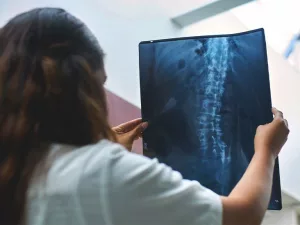
They may recommend imaging tests to rule out structural issues such as fractures or order blood tests to evaluate for underlying conditions.
You might be referred to physical therapy to strengthen specific muscles and improve flexibility through guided stretching routines.
If needed, prescription-strength treatments may be provided.
Other possibilities
If spasms affect your back, visiting a chiropractor may be helpful for targeted adjustments and therapeutic exercises.
A licensed massage therapist may also provide relief.
Muscle spasm causes
The exact cause of muscle spasms isn’t certain. Common contributing factors include:
- muscle fatigue from physical activity
- dehydration or electrolyte depletion
- low levels of calcium, magnesium, potassium, and sodium
- certain medications, including statins
- medical conditions such as diabetes, Parkinson’s disease, cardiovascular disease, and cirrhosis
- pregnancy
- nerve damage
- previous injury
In many instances, muscle spasms are classified as idiopathic, meaning no clear cause is identified.
Preventing muscle spasms
Research findings are mixed regarding strategies to prevent muscle spasms.
If you are generally healthy and experience occasional cramps, experts suggest:
- maintaining adequate hydration
- stretching lightly before and after exercise
- following a balanced, nutrient-rich diet
According to a small study of runners, kinesio tape or compression stockings may help prevent leg muscle spasms.
Tracking when spasms occur can help identify patterns or triggers. Modifying related activities may reduce recurrence.
For instance:
- Do you develop back spasms after reading in bed?
- Do your legs cramp after prolonged sitting or standing?
- Do tight shoes or high heels trigger toe cramps?
- What sleeping position do you typically use?
Answering these questions may clarify what contributes to your muscle cramps.
The takeaway
Muscle spasms are generally brief and harmless, though they can be painful. In most cases, self-care—especially stretching—provides relief.
If spasms are frequent, severe, or unexplained, seek medical advice to determine the underlying cause and receive appropriate treatment.











Leave a Reply
You must be logged in to post a comment.