

While dandruff isn’t a serious or contagious illness, it can be stubborn and bothersome. One approach to managing dandruff is the application of essential oils.
A 2015 review of the literature identified several essential oils that may assist in controlling dandruff, including:
- bergamot (Citrus bergamia)
- garlic (Allium sativum L.)
- tea tree (Melaleuca alternifolia)
- thyme (Thymus vulgaris L.)
A 2015 study found that an anti-dandruff hair tonic containing lemongrass (Cymbopogon flexuosus) oil produced a meaningful reduction in dandruff.
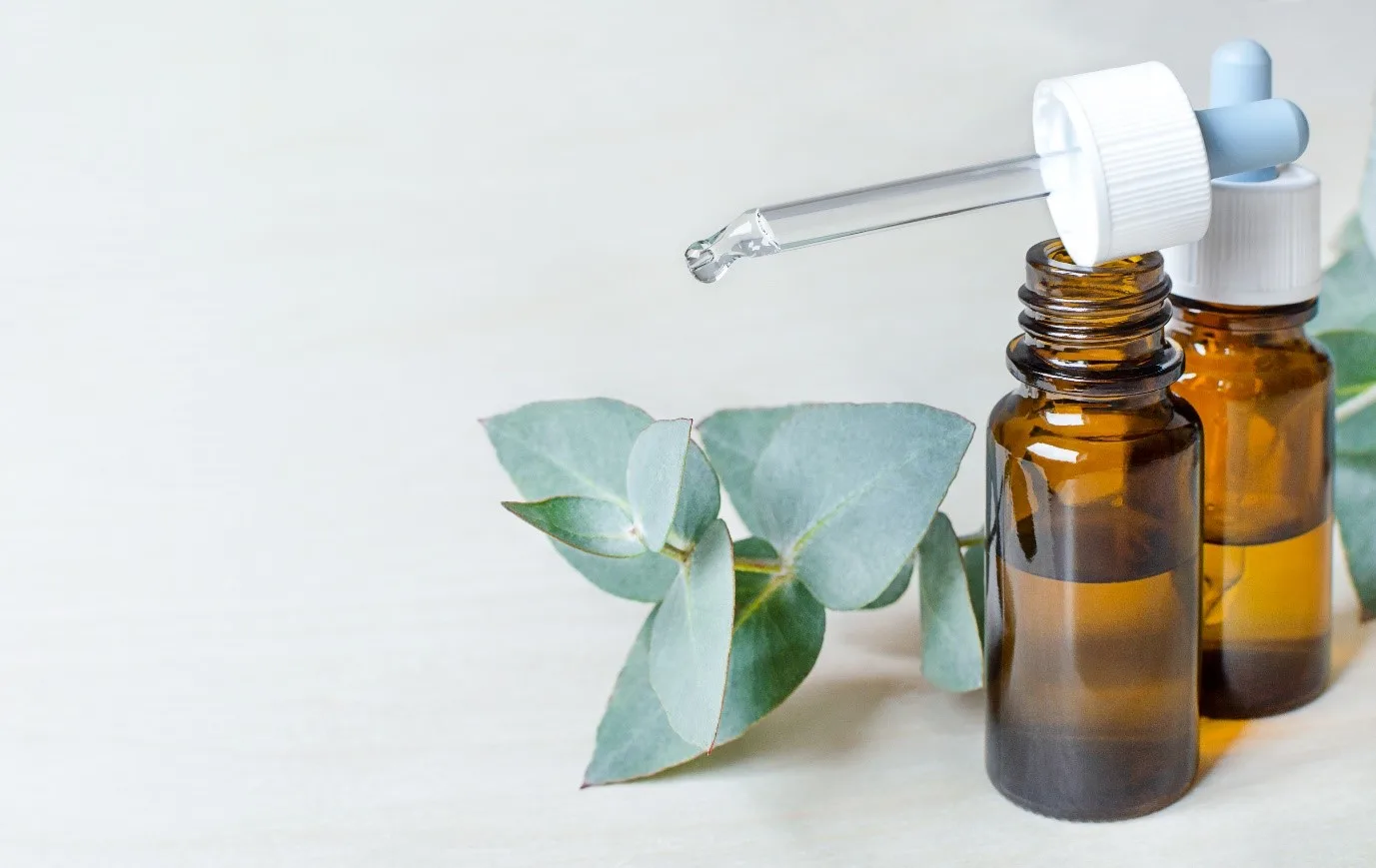
According to a 2009 review, peppermint (Mentha x piperita) oil not only offers a cooling sensation on the scalp but may also aid in removing dandruff.
What is dandruff?
Dandruff is a chronic, noninflammatory scalp condition marked by flaky skin on the scalp.
Symptoms
Common signs of dandruff include:
- flaky, scaling skin on the scalp
- visible dead-skin flakes in the hair and on clothing
- an itchy scalp
Causes
Dandruff can arise from several factors, such as:
- dry skin
- overgrowth of Malassezia fungus
- seborrheic dermatitis (irritated, oily skin)
- contact dermatitis (sensitivity to hair-care products)
- inadequate hygiene
How to use essential oils for dandruff
There are multiple ways to apply essential oils for dandruff control, including:
- Many commercial dandruff shampoos incorporate essential oils. Check the ingredient list to see if the oil you want is included.
- Add a few drops of your chosen essential oil to the shampoo you already use.
- Make a homemade shampoo by combining your preferred essential oil with compatible ingredients, such as liquid Castile soap.
Do not apply undiluted essential oils directly to the skin; always mix them with a carrier oil. Keep essential oils out of reach of children.
Conventional treatments
There are numerous over-the-counter dandruff shampoos available. You might experiment with the following to determine which is most effective for you:
- pyrithione zinc shampoos, such as Head & Shoulders
- tar-based shampoos, such as Neutrogena T/Gel
- selenium sulfide shampoos, such as Selsun Blue
- shampoos containing salicylic acid, such as Neutrogena T/Sal
- ketoconazole shampoos, such as Nizoral
If you don’t notice improvement after a few weeks, consider switching to a different formulation.
As with any remedy, there is a risk of allergic reaction to ingredients in these shampoos. If you notice stinging, increased itching, or redness, discontinue use.
If you experience a severe allergic response, such as hives or trouble breathing, seek immediate medical care.
Talk with your doctor
Before using essential oils for dandruff, consult your physician or a dermatologist to confirm the safety of specific oils for your situation. Important factors to review include:
- current medications and supplements
- existing health conditions
- your age
Other points to discuss with your clinician include:
- the purity and chemical makeup of the oil brand you plan to use
- the application method you intend to follow
- the proposed dosage
- how long you plan to use the oil
- a plan for responding to any side effects
Takeaway
Studies indicate certain essential oils — such as bergamot, lemongrass, tea tree, and thyme — may help control dandruff.
Even established medical organizations like the Mayo Clinic recognize that while more research is required, essential oils — particularly tea tree oil — can be considered as complementary therapy for dandruff.
Before using an essential oil to treat dandruff, talk with your healthcare provider about your chosen method and the appropriate dosage.
Your doctor can also advise you on steps to take if you experience adverse effects — such as an allergic reaction — from using essential oils.





















Leave a Reply
You must be logged in to post a comment.