The Best Essential Oils to Add to Your Bath

Putting oils into your bath can be beneficial. Eucalyptus, lavender, and lemon oils are three commonly chosen options. Be mindful of any medical conditions or medications that might make using oils risky.
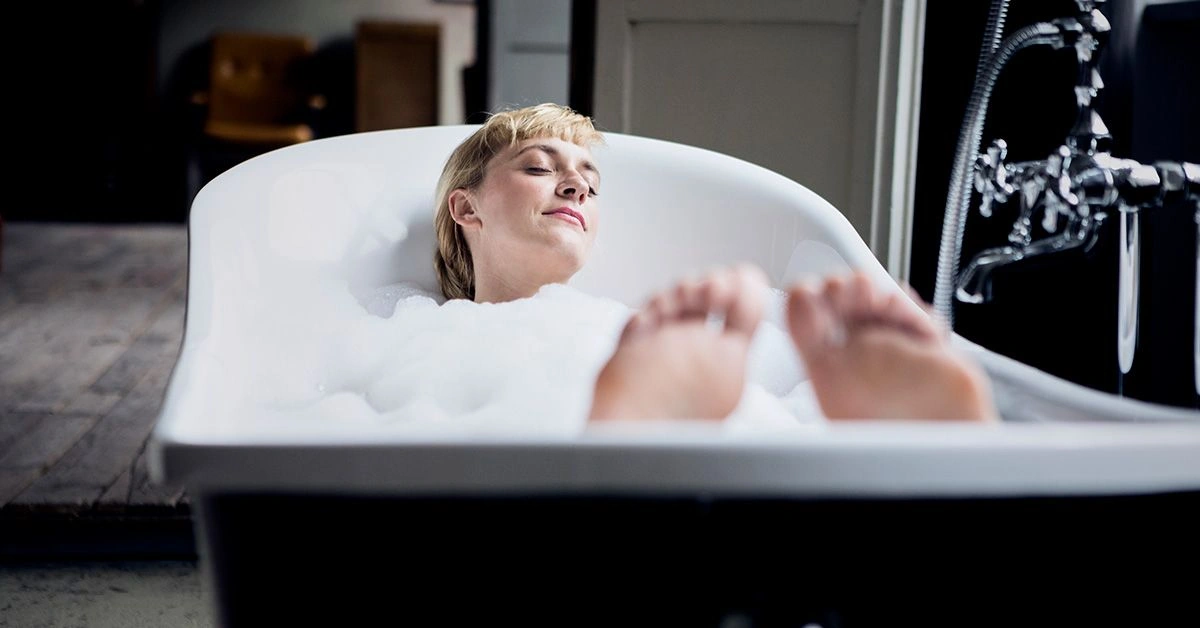
Sinking into a warm bath soothes on multiple levels. Hot baths can ease achy muscles and joints.
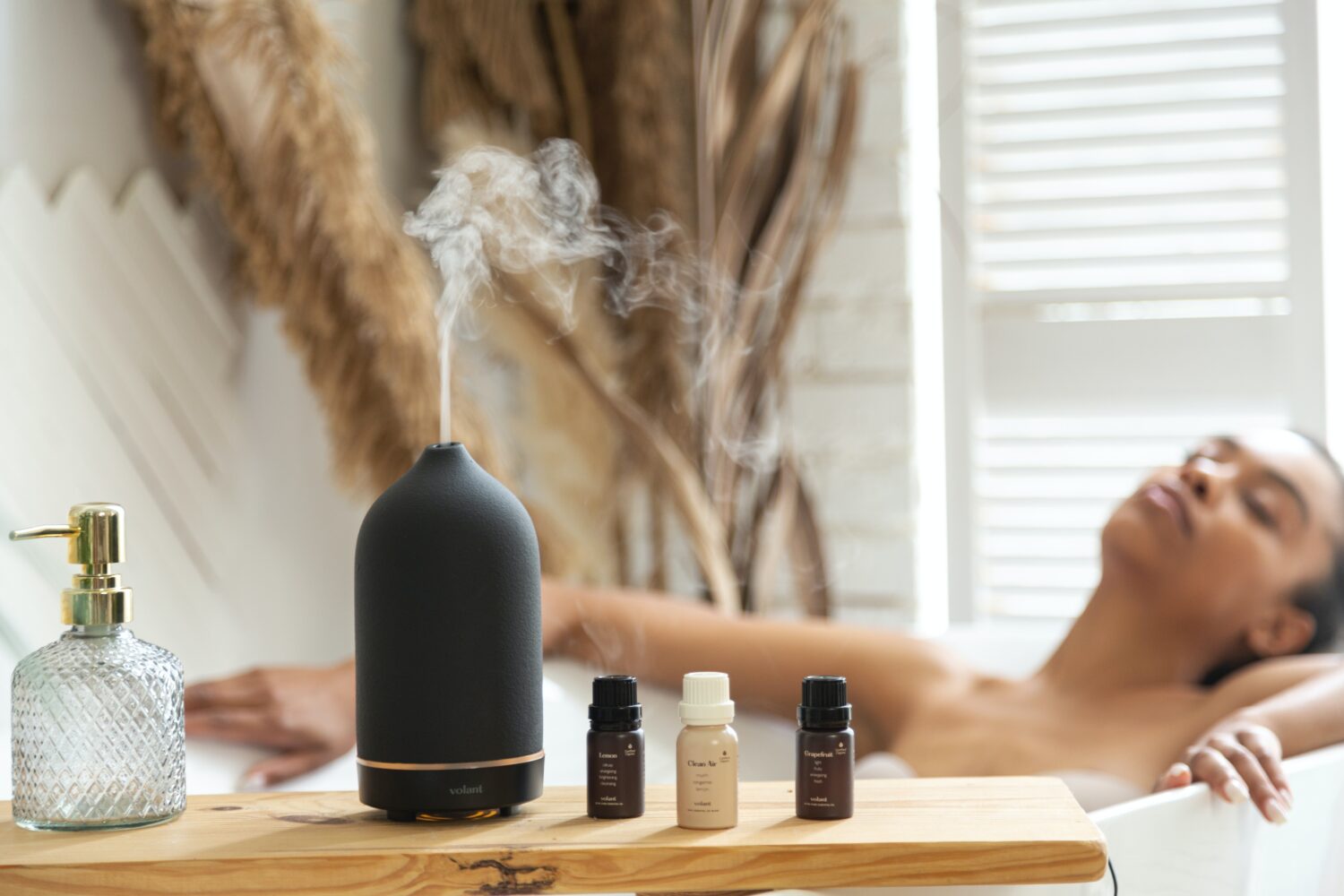
Adding essential oils to your soak can elevate the experience. They bring extra perks, including turning your bath into a more indulgent ritual.
Read on to discover how to use essential oils in the tub and which oils might be suited for your soak.
Do’s and don’ts of adding essential oils to your bath
Choose a trustworthy brand that sells authentic essential oils rather than synthetic substitutes or low-quality extracts. Many aromatherapy professionals recommend particular brands on manufacturers’ sites.
Keep these key guidelines in mind when using essential oils:
- Skip them if you have cuts or compromised skin.Avoid applying essential oils to broken, inflamed, or irritated skin.
- Use caution with sunlight after applying citrus oils. Certain citrus essential oils can lead to photosensitivity. Keep out of direct sun exposure after using citrus oils.
- Perform a patch test before first-time use. Because they’re concentrated, essential oils can trigger allergic responses or skin irritation. When trying an oil for the first time, apply a small amount to the inner forearm and wait 24 hours to check for any reaction.
- Always dilute essential oils. These oils are potent and should be mixed with a carrier oil before applying to the skin.
Who should avoid essential oils?
Consult your physician or a certified aromatherapist if you have medical concerns or take drugs that could interact with hot baths or essential oils.
Refrain from using essential oils if you are:
- pregnant
- nursing
- bathing an infant under 1 year
For kids under 12, use essential oils cautiously. Be mindful of children who are present while oils are being diffused.
Essential oils and pets
Remember that essential oils can irritate and even be toxic to animals, especially cats. If oils are diffused into the air, pets will also inhale them.
Essential oils to add to your bath
Lavender
Lavender’s widespread appeal stems from its mild aroma and calming influence on mood. It’s often used to encourage relaxation and a more restful night’s sleep.
Its stress-soothing qualities can lift mood for many people.
Lavender is reported to help relieve:
- pain
- inflammation
- headaches
- migraines
Lemon oil
Lemon and other citrus essential oils have demonstrated benefits when used in aromatherapy.
A 2008 study observed consistently positive impacts from the scent of lemon.
A 2015 review noted that lemon oil has antiseptic, antifungal, antimicrobial, astringent, and detoxifying qualities that support immune function.
Be aware that lemon and other citrus oils increase skin sensitivity to sunlight. Avoid sun exposure with these oils on your skin.
Eucalyptus
Eucalyptus has a sharper, more invigorating scent than many other oils. You might prefer using a smaller amount or combining it with another oil like:
- sweet orange
- geranium
- sandalwood
Many people find eucalyptus refreshing and uplifting.
Inhaling its vapors can clear nasal passages in a way similar to menthol or camphor (think Vicks). As with those agents, modest amounts are best—excess eucalyptus can cause irritation.
Eucalyptus is also used to soothe muscle and joint discomfort and is a common aromatherapy choice for massage.
Note that eucalyptus can trigger allergies in some people. Use it carefully, and consider the presence of children, pregnant individuals, and pets.
Other well-liked essential oils for baths include:
- chamomile
- frankincense
- ylang ylang
- additional citrus oils, like grapefruit and bergamot
Make your own mix
A helpful guideline for DIY essential oil blends is to begin with a single essential oil and always combine it with a carrier oil before adding it to bathwater.
Why? Oils float on water and adhere to surfaces such as skin, so undiluted essential oil is more likely to irritate skin if not mixed with a carrier oil.
Here’s how to create your own bath blend.
The Tisserand Institute suggests a dilution of 1 to 4 percent for essential oils intended for baths and recommends vegetable oils as carriers.
The following table shows the proportion of essential oil to use with 10 milliliters (2 teaspoons of carrier oil):
| 1 drop | 0.5 percent |
| 3 drops | 1 percent |
| 6 drops | 2 percent |
| 9 drops | 3 percent |
| 12 drops | 4 percent |
For a bath, mix 5 to 20 drops of essential oil into a tablespoon of carrier oil.
Carrier oil choices include:
- grapeseed
- jojoba
- almond
- argan
Add your blended oils just before you step into the tub. Doing so helps prevent the oils from evaporating prematurely.
You can massage the diluted oil onto your skin while you soak, or apply the blend to your skin before entering the bath so the oils can be absorbed for best effect.
In a bubble bath
Use castile soap or a body wash if you want bubbles.
First dilute the essential oil in a carrier oil. Put the diluted mixture into a small amount of liquid in a small bottle, shake well, then add it to the running water. Again, add the mix right before you get in.
Bath products
If you prefer convenience, there are ready-made bath products already infused with essential oils, such as:
- bath bombs
- bath oils
- body washes
- soap bars
- liquid soap
- shampoos and conditioners
You can also find DIY bath bomb recipes here.
Massage oils
Massage oil blends designed for topical use are another option to apply while bathing.
You can combine these with self-massage or acupressure techniques.
In the shower
You don’t need a tub to enjoy essential oil aromatherapy.
To use oils in the shower, place three to five drops of essential oil on the wall or edge of the shower. The steam will disperse the scent.
Making your bath (and good effects) last
Take time to learn about and experiment with different essential oils for bathing. Over time you’ll refine blends that suit your moods and preferences.
If possible, make a dedicated evening or day of your bathing ritual. Enjoy a hot cup of chamomile, lavender, or peppermint tea with honey. Linger as long as you like.
Create a blend of your favorite oils.
Make a spray or rollerball of these scents to carry with you. Use it when you need a reminder to relax. Take a deep breath, inhale, and unwind.
Frequently Asked Questions
No. Essential oils are highly concentrated and should be diluted in a carrier oil (like jojoba or grapeseed) before adding to bathwater to avoid skin irritation.
For a bath, a common guideline is 5–20 drops of essential oil blended into about a tablespoon of carrier oil, following recommended dilution ratios (typically 1–4% for bath use).
Lavender, chamomile, and frankincense are widely used for relaxation. Lemon and eucalyptus are popular too, but citrus oils can increase sun sensitivity and eucalyptus may irritate some people.
People who are pregnant, nursing, bathing infants under 1 year, or those with certain medical conditions or medications should consult a doctor or aromatherapist before using essential oils.
Be cautious: many essential oils can irritate or be toxic to animals, especially cats. Keep pets away from baths or diffused oils and consult a veterinarian if concerned.



Related Posts

Does Flaxseed Really Work for Beautiful Hair?
Aug 4, 2026 • 18 min read
Derma Roller for Hair Growth: Here’s What You Need to Know
Sep 26, 2026 • 6 min read
The 8 Best Cooling Pillow Cases
Oct 8, 2026 • 16 min read
Can You Use Face Mapping to Improve Your Skin’s Health?
Sep 20, 2026 • 5 min read
What to Expect After Laser Treatment for Spider Veins
Sep 13, 2026 • 26 min read