
Athelia is a congenital condition where a person is born without one or both nipples. While athelia is uncommon overall, it occurs more frequently in children born with disorders such as Poland syndrome and ectodermal dysplasia.
Read on to discover how this condition appears, what leads to it, and other key facts.
What does this condition look like?
The appearance of athelia varies according to the underlying disorder. Generally, people with athelia lack both the nipple and the areola — the pigmented area encircling the nipple. The absence may be unilateral or bilateral.
In Poland syndrome, an individual might be born missing an entire breast, including the nipple and areola, on one side. The complete absence of one or both breasts is termed amastia.

What causes this condition?
At>Athelia is a congenital condition where a person is born without one or both nipples. While athelia is uncommon overall, it occurs more frequently in children born with disorders such as Poland syndrome and ectodermal dysplasia.
Read on to discover how this condition appears, what leads to it, and other key facts.
What does this condition look like?
The appearance of athelia varies according to the underlying disorder. Generally, people with athelia lack both the nipple and the areola — the pigmented area encircling the nipple. The absence may be unilateral or bilateral.
In Poland syndrome, an individual might be born missing an entire breast, including the nipple and areola, on one side. The complete absence of one or both breasts is termed amastia.
What causes this condition?
Athelia arises from disorders such as Poland syndrome and ectodermal dysplasias.
Poland syndrome
Poland syndrome is estimated to occur in about 1 in 20,000 newborns. It’s named after British surgeon Alfred Poland, who first reported the condition in the 19th century.
The exact cause isn’t fully understood. One hypothesis is that disrupted blood flow during the sixth week of fetal development affects formation of the chest.
Poland syndrome may involve reduced blood supply to arteries that nourish the developing chest, and this diminished circulation is thought to impair normal chest development.
On rare occasions, Poland syndrome results from an inherited genetic mutation.
Children with this condition typically have absent or underdeveloped muscles on one side of the body, most commonly a deficiency of the pectoralis major muscle.
Other features of Poland syndrome can include:
- absent or underdeveloped ribs on one side
- absent or underdeveloped breast and nipple on one side
- webbed fingers (syndactyly) on one hand
- shortened forearm bones
- sparse underarm hair
Ectodermal dysplasias
Ectodermal dysplasias comprise more than 180 distinct genetic syndromes. These disorders affect the development of the skin, teeth, hair, nails, sweat glands, and other structures.
They occur when the embryonic ectodermal layer — which forms skin, hair, teeth, and related organs — does not develop properly.
People with ectodermal dysplasia may present with signs such as:
- fine or sparse hair
- missing or abnormally shaped teeth
- reduced ability to sweat (hypohidrosis)
- visual or auditory impairments
- absent or underdeveloped fingers or toes
- cleft lip or palate
- atypical skin pigmentation
- thin, fragile, cracked, or otherwise compromised nails
- inadequate breast development
- breathing difficulties
Genetic alterations underlie ectodermal dysplasia. These gene changes may be inherited from parents or occur as new mutations at conception.
Other causes
Other conditions that can cause athelia include:
- Progeria syndrome. A disorder that causes accelerated aging.
- Yunis Varon syndrome. This rare inherited disorder affects the face, chest, and additional body regions.
- Scalp-ear-nipple syndrome. This syndrome produces a hairless scalp patch, underdeveloped ears, and absent nipples or breasts bilaterally.
- Al-Awadi-Rass-Rothschild syndrome. A rare inherited genetic disorder marked by poorly formed bones.
Who’s at risk for this condition?
A child’s risk of being born with athelia increases if a parent carries a condition that causes it. Poland syndrome is reported to be more frequent in boys, whereas ectodermal dysplasia affects males and females alike.
Does this condition increase your risk for others?
Athelia differs from amastia, which is the total absence of a breast. Nonetheless, the two conditions can coexist.
In uncommon instances, females with Poland syndrome may have amastia, meaning the entire breast and nipple on the affected side are missing.
Are other complications possible?
The absence of nipples itself generally does not produce medical complications. However, some disorders that lead to athelia can cause broader health concerns. For example, severe Poland syndrome can involve the lungs, kidneys, and other organs.
Being without a nipple means you won’t be able to breastfeed from that side.
Is treatment or management necessary?
Treatment for athelia is optional and often pursued only if the missing nipple’s appearance is troubling to the person.
If the entire breast is absent, reconstructive surgery can use tissue taken from the abdomen, buttocks, or back. The nipple and areola can then be formed during a subsequent operation.
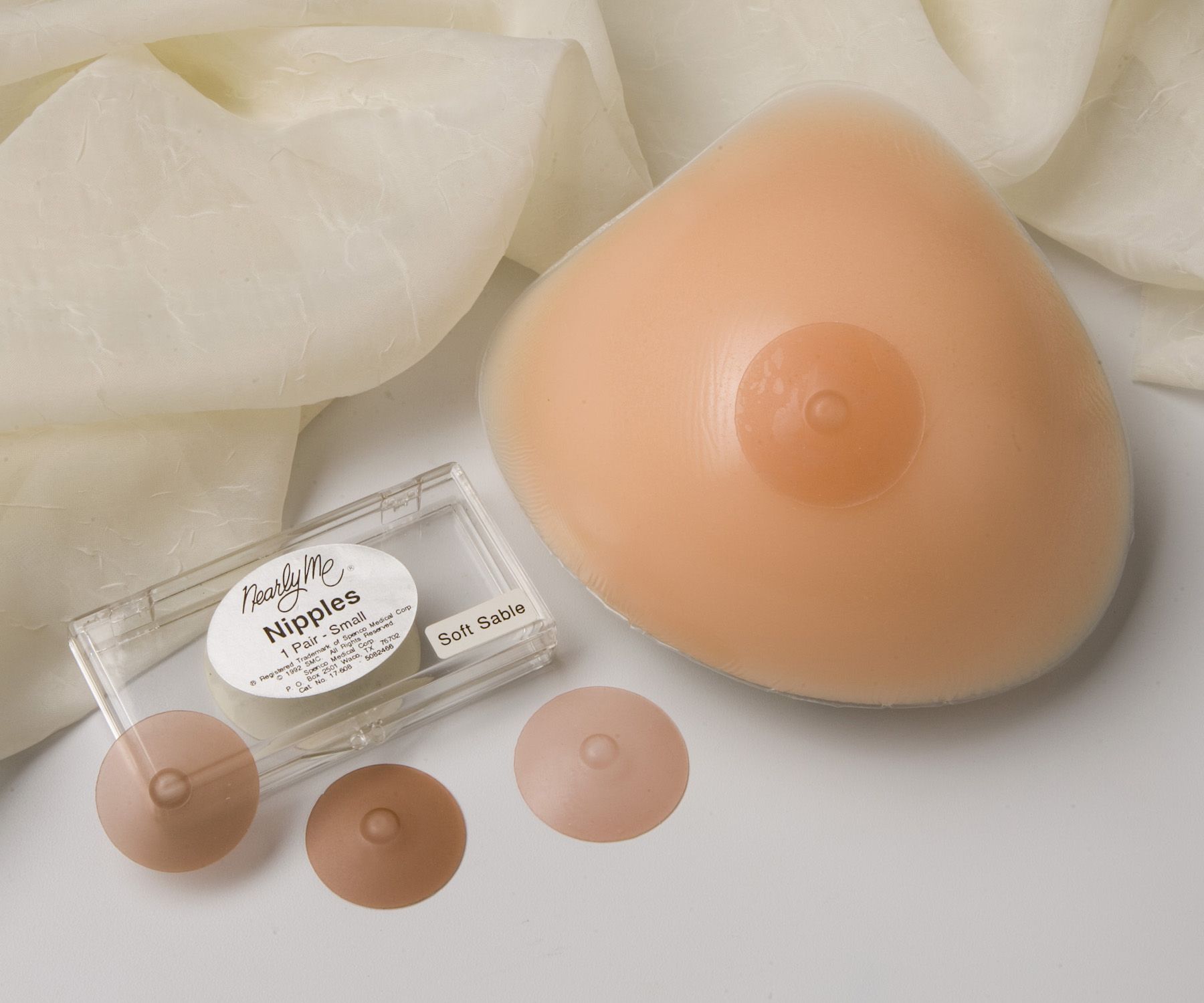
To reconstruct a nipple, a surgeon sculpts a tissue flap into the desired shape.
If preferred, an areola can be created with tattooing. Modern 3-D tattoo techniques use vibrating needles loaded with pigment to produce a more lifelike, three-dimensional appearance.
What’s the outlook?
Prognosis depends on the underlying cause of athelia. Mild Poland syndrome may be asymptomatic or cause minimal issues. More pronounced forms can affect organs such as the lungs or kidneys and lead to complications.
If you or your child has athelia, your clinician is the best source of guidance about overall health and possible complications.
How to cope
Athelia and its associated conditions can affect self-image. If you’re having difficulty adjusting to changes in your body, consider talking with a psychologist, counselor, or other mental health professional.
Joining a support network for people with similar conditions may also help. Ask your healthcare provider for recommendations on local or online support groups.
For related resources on breast and nipple concerns, you may also find helpful information about home remedies for mastitis and cosmetic options like no prep veneers when exploring aesthetic or care questions.









Leave a Reply
You must be logged in to post a comment.