
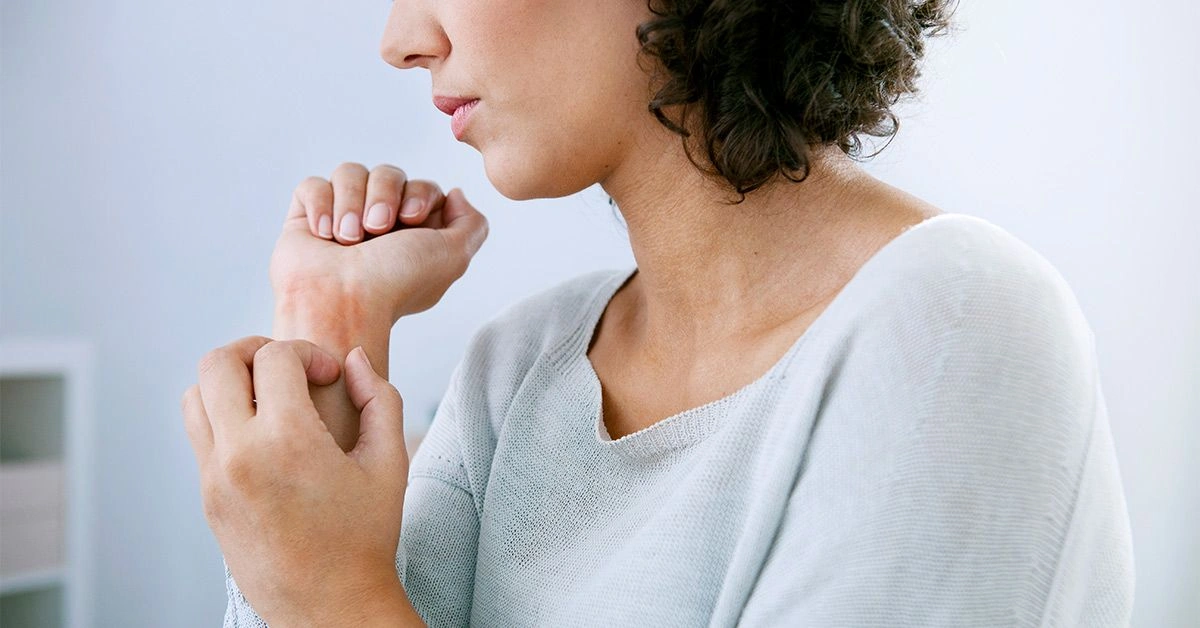
Dust mites are part of the arthropod family. They are closely related to ticks and look somewhat like insects, although they do not have wings or eyes. Reactions linked to dust mites are generally harmless, but in people who are sensitive, they may trigger swelling, itching, or symptoms similar to hay fever and asthma.
These microscopic organisms are extremely small and difficult to see without magnification. Because of this, many individuals don’t realize they’ve been exposed to mites until they notice small, irritated areas on the skin that resemble bites.

If you’re searching for Chiggers pictures on humans or trying to compare different types of mite-related skin reactions, this guide explains how to recognize common signs, distinguish between species, and explore appropriate treatments. We’ll also review visual clues that can help you determine which mite may be responsible.
Can dust mites bite?
When people suspect a mite problem, they often think of dust mites first. However, dust mites don’t bite humans. They also do not live on the human body, though they may occasionally settle on clothing or fabrics.
That said, dust mites can provoke allergic reactions that closely resemble insect bites. Because of this, many people mistakenly refer to these reactions as “mite bites.”
Household dust is partly composed of dust mite feces and decomposing dust mite bodies. Individuals who believe they are allergic to dust may actually be reacting to the protein-rich particles left behind by these mites, which often triggers asthma symptoms and hay fever.
What are the symptoms of mite bites?
Mite bites can be challenging to identify. In many cases, you may not notice anything at the moment of contact. Instead, symptoms develop after exposure, which can make it difficult to pinpoint the cause.
Although symptoms differ depending on the specific mite involved, several general features can help distinguish a mite bite from other insect bites, such as those from spiders or mosquitoes.
Common signs of a mite bite include:
- discolored rash-like marks on your skin
- small bumps that can become hard or inflamed
- irritation, itching, and pain near the mark, rash, or bump
- swollen or blistered skin near the bite
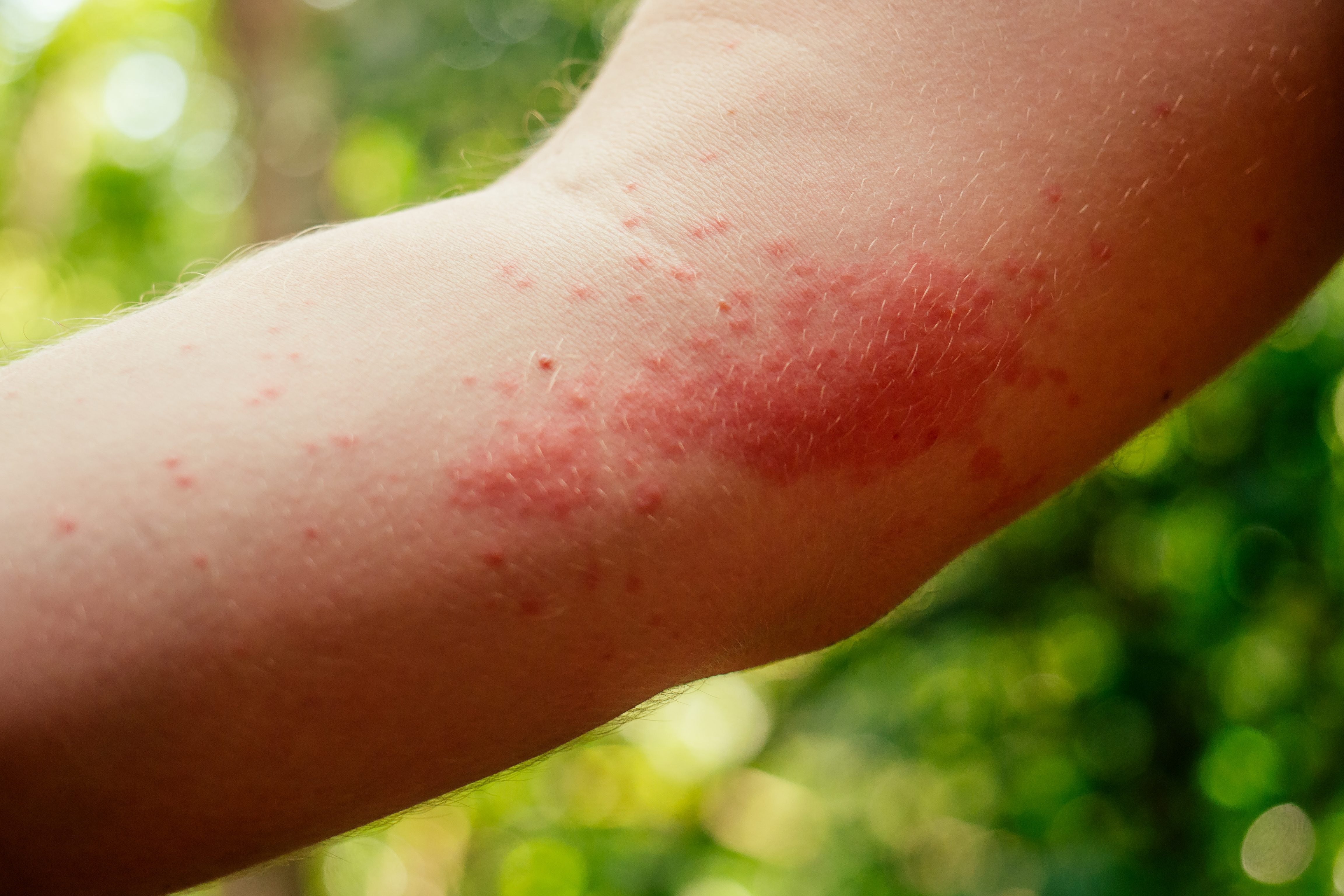
What do mite bites look like?
If you’re uncertain about what caused your skin irritation, reviewing visual examples can be helpful. Many people search for Chiggers pictures on humans to compare symptoms, especially when bites appear in clusters or along tight clothing lines. You may also find detailed visual references in these guides to Chiggers bites pictures and Close up pictures of chigger bites to better evaluate the size, color, and pattern of the bumps.
How do I know what bit me?
If you want to identify the exact cause of your bites, adhesive traps or clear tape may sometimes help capture the organism. Additionally, examining the location of the bites, the timing of symptoms, and the appearance of the rash can offer important clues about the specific mite involved.
Chiggers
Chiggers typically inhabit outdoor areas, especially in damp rural environments with tall grass, weeds, or dense vegetation.

Only chigger larvae bite humans. They attach by injecting saliva that breaks down skin cells and then consume the liquefied tissue. If not removed, they may remain attached for several days.
Chigger bites are frequently found on the:
- waist
- armpits
- ankles
Within about 24 hours, the bites often form raised welts that can harden and become inflamed. These bites are notoriously itchy. Although it can be difficult, avoid scratching, as excessive scratching may increase the risk of infection and fever. Reviewing Chiggers pictures on humans can help you recognize the typical clustered, intensely itchy welts associated with these bites.

Scabies
Scabies mites require a human or animal host to survive. They burrow beneath the skin’s surface and lay eggs. Scabies spreads easily through close physical contact.
Symptoms may not appear for several weeks after infestation. Eventually, rash-like bumps and blisters develop, especially in skin folds such as:
- between your fingers
- in the bend of your knees and elbows
- around your waist, breasts, or buttocks
- around male genitals
- on the bottom of your feet, especially in children
Scabies-related itching is typically intense and can become even worse at night. Because scabies requires prescription treatment, it’s essential to consult a healthcare professional if you suspect this condition.
Demodex
Demodex mites naturally live on human skin. There are 2 types:
- Demodex folliculorum, also known as the hair follicle mite, usually resides in facial hair follicles.
- Demodex brevis more commonly inhabits the neck or chest area.
These mites are invisible without a microscope and often do not cause symptoms. In some individuals, however, they may lead to:
- itchy or scaly skin
- discoloration
- increased skin sensitivity
- burning sensation
- skin that feels rough like sandpaper
If you have a weakened immune system, you may be more likely to develop noticeable skin concerns related to this mite.
Bird and rodent mites
Bird and rodent mites typically live in nests and feed on their animal hosts. If the host dies or abandons the nest, these mites may also bite humans.
You might feel a mild stinging sensation at the time of the bite, followed by:
- pain
- extreme itching
- a rash
- swelling
- skin irritation
Oak mites
Oak mites generally feed on small flies that inhabit oak leaves, but they can fall from trees and bite humans. This most commonly occurs in late summer. Leaves with brown, crusted edges may signal the presence of oak mites. If you notice this, avoid sitting or working beneath those trees.
Oak mite bites often produce welts on the face, neck, or arms and are frequently mistaken for chigger bites. Within about 12 hours, the welts may turn into pimple-like bumps that are intensely itchy. Multiple bumps can cluster into a painful rash lasting up to 2 weeks.

Straw itch mites
Straw itch mites live in stored grain, hay, seeds, and sometimes in trees and leaves. While they primarily feed on insects, they may also bite humans. They do not stay attached after biting.
Exposure often happens when sitting or walking beneath infested trees or lying in leaf piles. They commonly bite the shoulders and neck, causing itchy marks that can resemble a rash.
How are mite bites treated?
If you notice visible bites or suspect exposure to mites, consider taking the following steps:
- take a shower using plenty of soap
- wash your clothes and any affected bedding in warm, soapy water
- carefully apply a topical permethrin cream (scabicide) to eliminate any remaining mites on your body
In most cases, treatment focuses on relieving itching and soothing irritated skin.
Antihistamine creams or anti-itch products containing hydrocortisone can help minimize inflammation and itching. Oral antihistamines may be useful for more severe itching. If the bites are painful, anesthetic creams can provide temporary relief.
Because scratching can break the skin and lead to infection, it’s important to manage itching with medication, cool compresses, or ice rather than scratching.
Do I need to see a doctor?
You should consult a healthcare professional if you suspect scabies, as prescription treatment is necessary. For most other mite bites, symptoms often resolve on their own.
Still, seek medical advice if:
- over-the-counter creams don’t relieve pain and itching
- the bites don’t improve after a week or two
- you have any signs of infection, including fever, swelling, warmth, or leaking fluid at the bite location
If you develop hives, feel lightheaded, or experience difficulty breathing after a bite, seek emergency medical care immediately, as these may indicate an allergic reaction.
Before using sprays or repellents in your home, it’s wise to confirm the type of mite involved. Different mites respond to different control measures, and not all products are universally effective.
Optum Now is operated by RVO Health. By clicking on this link, we may receive a commission. Learn more.
The bottom line
Mite bites can be highly uncomfortable, leading to itching, pain, and skin irritation that may last up to two weeks.
Most mite-related bites resolve without medical treatment. Over-the-counter pain relievers and anti-itch creams can ease discomfort and support healing.
If you continue to experience unexplained bites, consulting a healthcare professional can help identify the cause. Determining which mite is responsible is key to preventing further exposure and managing potential infestations effectively.



















Leave a Reply
You must be logged in to post a comment.