
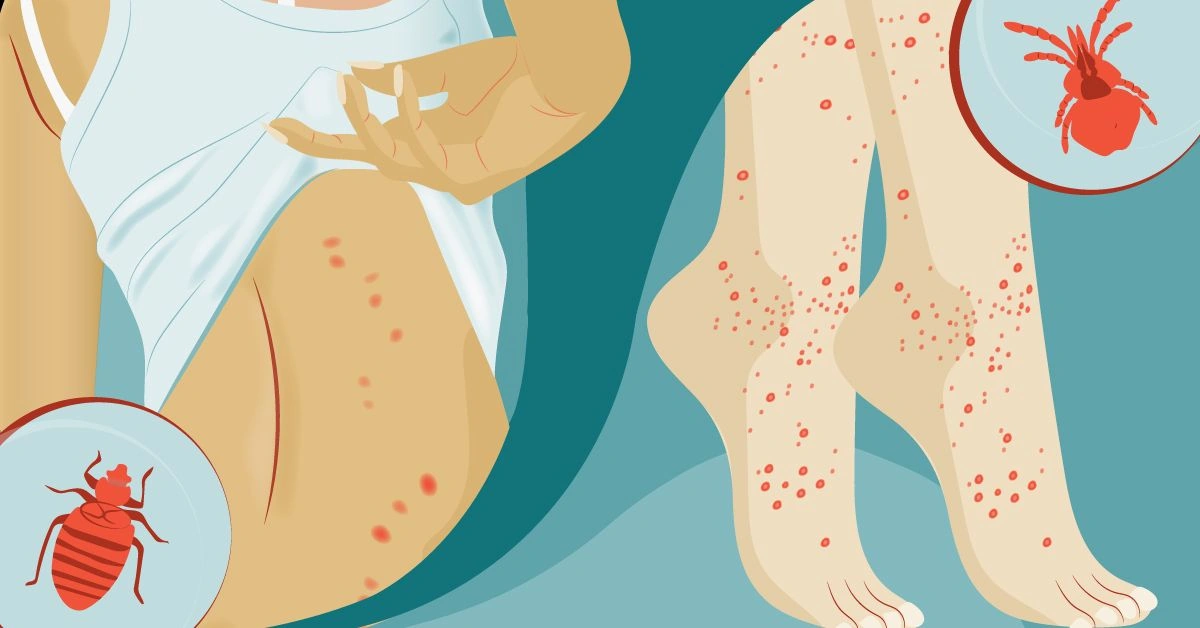
Small, raised bumps on the skin can develop for a variety of reasons. Among the most frequent causes are bed bugs and chiggers, both of which are parasites that survive by feeding on the blood of humans or animals.
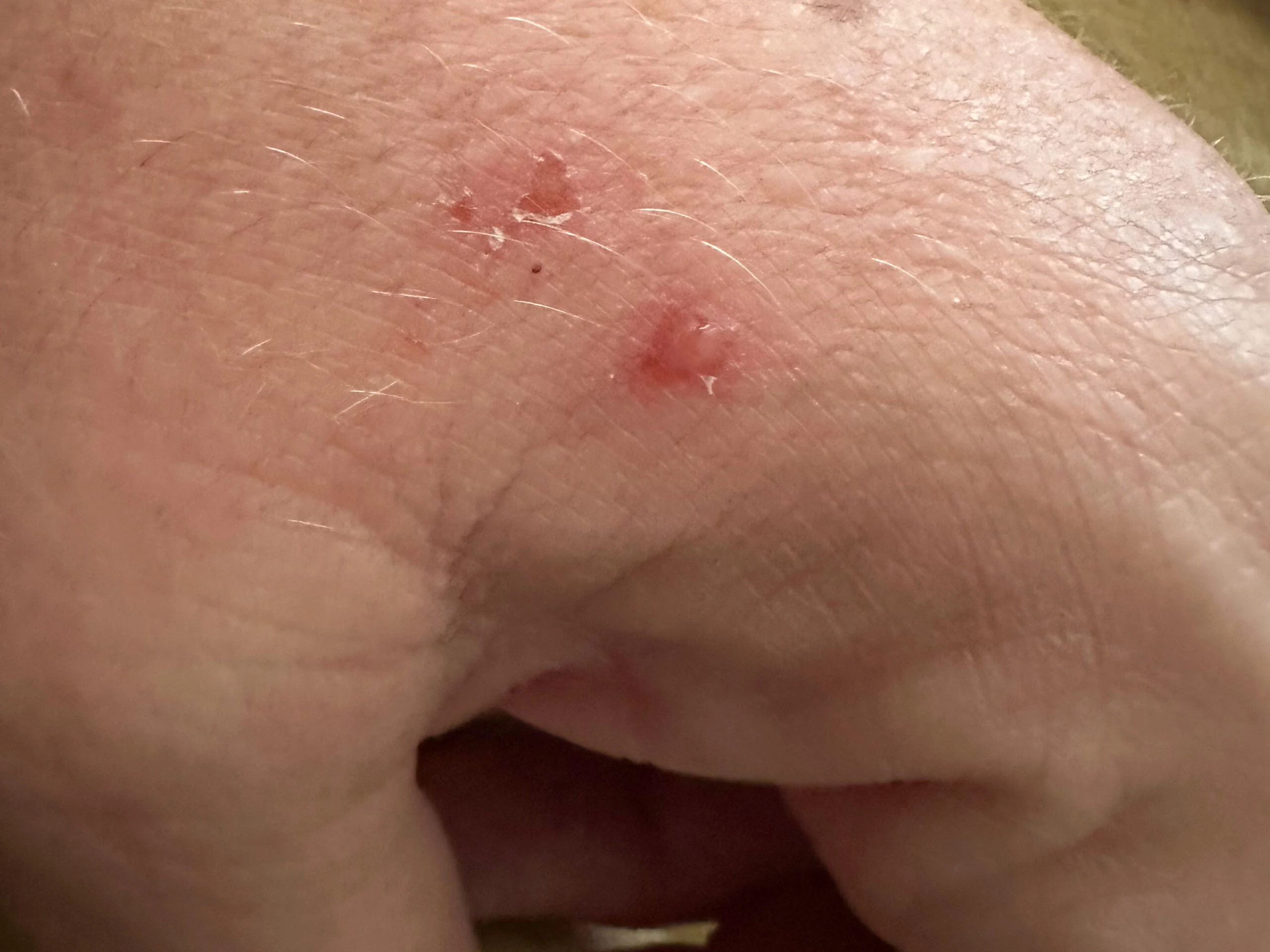
Although their bites may appear alike at first glance, bed bugs and chiggers inhabit very different environments. Reviewing Close up pictures of chigger bites alongside images of bedbug bites can help you notice subtle differences in appearance and pattern. Even so, identifying the source based on skin changes alone can be challenging.
In most cases, bedbug and chigger bites are irritating and uncomfortable but do not pose a serious threat to your overall health.
Bed bugs tend to hide near sleeping areas. Signs of an infestation may include brown or reddish stains on bed sheets. Some people also detect a slightly sweet, musty odor when bed bugs are present.
Chiggers, on the other hand, live outdoors in grassy or wooded areas and often cluster together. Once attached to the skin, they may feed for several hours or even days if not removed by washing or scratching. Because they are microscopic, you may feel the irritation without ever seeing the insect itself. Comparing symptoms with resources like Chiggers bites pictures can offer helpful visual guidance.
Bedbug bite symptoms
Common physical signs of bedbug bites include:
- raised, inflamed welts
- itchy red bumps
- bites arranged in clusters or a zigzag pattern
Bedbug bites usually develop on areas of skin exposed during sleep, such as the arms, neck, or face. They may resemble mosquito or flea bites. Noticeable bumps can appear within a few days or sometimes up to two weeks after being bitten.
In addition to visible skin reactions, bedbug bites may lead to:
- trouble sleeping
- feelings of anxiety or irritability
- persistent skin discomfort
Reactions vary from person to person. Some individuals are more sensitive and may experience more pronounced swelling or itching than others.
Chigger bite symptoms
Typical features of chigger bites include:
- small, raised pimple-like bumps
- skin changes such as redness or darker discoloration around the bite
- intense itching that worsens over time
- clusters of bites in areas where clothing fits tightly, such as along the underwear elastic or sock line
As chigger bites heal, their appearance may change. If scratched, the center of the lesion can develop a capped area that may ooze fluid.
Examining Chiggers pictures on humans may help you recognize how these bites tend to group in areas compressed by clothing, which is a distinguishing characteristic.

Reaction time of bedbug vs. chigger bites
Insect bites are not always noticeable immediately. Visible symptoms may take time to develop.
Bed bugs
You might not realize you have been bitten by bed bugs unless you discover evidence of them in your sleeping area.
Bed bugs release a substance that numbs the skin and prevents blood from flowing freely at the bite site. Because of this, you typically do not feel the bite as it happens.
After several days, small itchy bumps may begin to appear.
Chiggers
If chiggers remain on your skin only briefly, symptoms may be mild and resolve within a few days. However, you are more likely to notice the sensation as they bite or shortly afterward.
When chiggers stay attached for longer periods, such as overnight, the reaction can be more intense and persist longer. In these cases, the skin changes are often more obvious and uncomfortable.
Bedbug bites vs chigger bites pictures
Both bedbug and chigger bites show up as raised, inflamed spots on the skin. In darker skin tones, inflammation may appear as discoloration or areas that differ from your natural skin tone rather than bright redness.
Bedbug bites are commonly found on exposed skin and may form lines or scattered clusters. Chigger bites are typically grouped in regions where tight clothing presses against the body.
Looking at Close up pictures of chigger bites can provide a clearer understanding of their size, distribution, and how they compare visually to bedbug bites.
Bite treatment
Both types of bites usually improve without medical intervention. However, if itching becomes severe or there is concern about infection, treatment may help relieve discomfort and support healing.
Home remedies
The primary step in managing bedbug and chigger bites is to avoid scratching, which can worsen irritation and increase the risk of infection.
If you suspect chigger bites, wash the affected skin thoroughly with warm, soapy water to remove any remaining chiggers.
Applying a cool compress with a clean towel or washcloth can also ease itching and reduce inflammation.
Medical treatment
Several over-the-counter options are available to relieve symptoms from both bedbug and chigger bites.
Topical creams, ointments, or lotions designed to calm itching may be helpful. Products containing steroids, such as hydrocortisone, can reduce inflammation.
An oral antihistamine may also assist in controlling itching or swelling.
If the bite becomes increasingly red, painful, or begins to ooze pus, it could indicate infection. In such cases, antibiotics may be necessary, but only a healthcare professional can confirm the diagnosis and recommend appropriate treatment.
Optum Now is operated by RVO Health. By clicking on this link, we may receive a commission. Learn more.
When to see a doctor about bedbug and chigger bites
Seek medical care if you:
- have symptoms that worsen or fail to improve after a few weeks
- experience additional symptoms such as fever, body aches, or chills
- observe signs of infection, including pus, increasing pain, or bleeding
- develop difficulty breathing or swelling, especially in the throat, which may indicate an allergic reaction
Medical emergencyExtreme allergic reactions may cause anaphylactic shock . Call 911 and go to the nearest emergency room if you have these symptoms:hives , flushed skin , or paleness a lump in your throat or difficulty swallowing nausea , vomiting , or diarrhea abdominal pain a weak and rapid pulse swollen tongue , eyes, or lips difficulty breathing
Avoiding bed bugs and chiggers
The most effective way to prevent bites is to minimize exposure to these insects.
Bed bugs
Eliminating bed bugs often requires professional fumigation. If you suspect an infestation in your home, contact a pest control specialist. Bed bugs are resilient and can survive for months between feedings.
Maintain cleanliness in areas where bed bugs may hide, including mattresses, bedding, and closets. Routine cleaning makes it easier to detect early warning signs.
When traveling, consider wearing clothing that covers most of your skin while sleeping if you are concerned about bed bugs. Using an insect repellent may provide additional protection.
Chiggers
Reduce your risk of chigger exposure by avoiding direct contact with tall grasses and weeds. Do not sit directly on lawns, and keep your yard well maintained, as overgrown vegetation can harbor more chiggers.
When spending time outdoors, apply bug spray and wear protective clothing that covers your arms and legs. Tucking pants into socks and wearing gloves with long sleeves can help limit access to the skin.
Takeaway
Bed bugs and chiggers are tiny parasites capable of causing itchy, pimple-like bumps on the skin. While these bites may be uncomfortable for several days, they are generally not dangerous over the long term. Differentiating between them can be difficult without considering exposure history and reviewing Close up pictures of chigger bites for comparison.
To lower the risk of complications, avoid scratching, keep the area clean, and use appropriate home remedies or over-the-counter treatments to relieve itching and inflammation.






















Leave a Reply
You must be logged in to post a comment.