
Bedbugs are small parasitic insects that feed on the blood of people or animals. Over-the-counter remedies can help ease itching and reduce inflammation.
These pests can hide in mattresses, furniture, carpets, clothing, and other personal items, and they are most active at night.
Bedbugs often enter a home after an overnight stay — they hitch a ride in suitcases or on clothing. They can also come in on used furniture that’s infested, or move between neighboring units in an apartment building or hotel with an active infestation.
Read on to find out more about bedbug bites, what they look like, and how to manage and avoid them.
What do bedbugs and bedbug bites look like?
What do bedbug bites look like?
Bedbugs release a mild anesthetic before they feed, so you may not feel the bite when it happens. Symptoms can take a few days to appear.
According to Pest Control Technology, roughly 30 to 60% of people never show a reaction to a bedbug bite. When a reaction does occur, the bites may be:
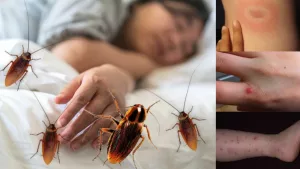
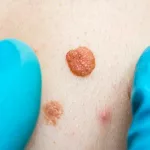
- red and swollen with a darker spot in the center (they may resemble hives or welts)
- grouped in lines or clusters, with multiple bites close together
- itchy
- burning
- filled with clear fluid
- you may also notice bloodstains on bedding from scratching
Scratching bites can cause bleeding or lead to infection.
Learn more about signs of an infected insect bite.
Where on the body do bedbug bites occur?
Bedbugs can bite any area of skin, but they usually target exposed areas while you sleep. Common sites include your:
- face
- neck
- arms
- hands
If you sleep in pajamas, bites may line up along the edges of clothing.
Do bedbugs bite every night?
Bedbugs don’t necessarily feed nightly and can survive several weeks without a meal, which can delay detection. It might take weeks to notice a pattern of bites. That’s concerning because bedbugs reproduce rapidly — a female may lay one to three eggs each day.
What’s the best way to treat bedbug bites?
Most bedbug bites improve without treatment. To ease symptoms, try the following:
- Use an over-the-counter or prescription steroid cream to reduce swelling and itching.
- Take an oral antihistamine to ease itching and burning sensations.
- Use OTC pain relievers for swelling and discomfort.
- Take an antihistamine like diphenhydramine before bed to help with itching, or ask a doctor about a stronger option.
Home remedies may also help. Consider applying:
- a cold compress or ice wrapped in a towel
- a thin paste of baking soda and water
In most cases, bedbug bites don’t require medical care.
»MORE:Get care for insect bites and stings in as little as 15 minutes with Optum Now Online Care.Optum Now is operated by RVO Health. By clicking on this link, we may receive a commission. Learn more.
How should you treat bedbug bites on a baby?
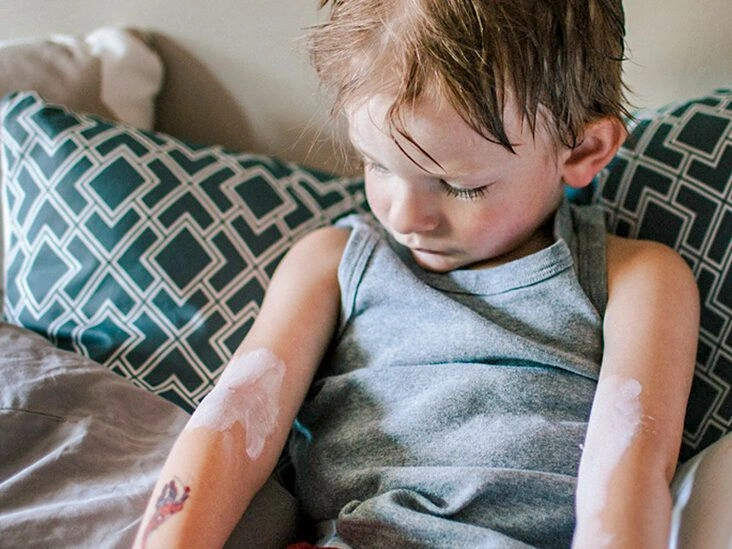
For infants and young children, washing the bites with soap and water is the first step. Additional relief can come from a cool compress, mild anti-itch creams, or low-potency steroid ointments. Keep the child’s nails trimmed short to prevent scratching.
If the child understands instructions, encourage them not to scratch. Covering bites with a bandage may also reduce scratching.
Consult a pediatrician or pharmacist before using topical steroids or giving oral antihistamines, as some treatments aren’t appropriate for babies or very young children.
How can you tell if you have bedbugs in your home?
If you suspect an infestation, inspect sleeping areas and nearby hiding spots. Bedbugs typically hide during the day in:
- cracks and crevices
- walls
- luggage
- bedding
- mattresses
- box springs
- bed frames
- gaps under baseboards
- loose or peeling wallpaper
- electrical outlet covers
- cable conduits
- sofas (especially if someone sleeps on them)
Bedbugs tend to stay close to where people sleep because they’re attracted to body heat and carbon dioxide. They usually don’t wander into rooms where no one sleeps. Bedbugs feed from around midnight until dawn, then return to hiding places during daylight hours.
You might not see the insects, but you could find tiny blood spots or small black fecal dots on bedding. If you discover bedbugs, contact your landlord or a pest control service.
Detecting bedbugs is challenging unless you’re trained. Many pest control companies will inspect for free and offer treatment options if they find an infestation.
Until the infestation is resolved, avoid staying at other people’s homes or hotels, as you could spread the pests to those locations.
How to get rid of bedbugs in your home
To control and eliminate bedbugs, take these steps:
- Vacuum and steam-clean carpets, mattresses, furniture, and appliances.
- Wash linens, curtains, and clothing in the hottest settings your fabrics can tolerate, then dry on high heat.
- Seal items that can’t be washed in plastic bags and keep them at 0°F (-17°C) for several days or leave them sealed for months at warmer temperatures.
- Heat-treat items that tolerate high temperatures to at least 115°F (46°C).
- Seal cracks around baseboards and in furniture with caulk.
Eradicating bedbugs without professional help is extremely difficult. Many exterminators now use nonchemical methods like very high heat or ultra-cold liquid nitrogen. These approaches are often most effective because bedbugs have developed resistance to many pesticides.
Find additional advice on managing bedbug infestations and when to call a pro.
How to prevent bedbug bites
Bedbugs move by hiding in items like furniture, clothing, bedding, and luggage.
You can reduce the risk of bringing them home by:
- Decontaminating luggage and belongings after travel using brushing, vacuuming, heating, washing, or freezing.
- Using luggage racks when staying in hotels to keep belongings off the floor and away from furniture.
- Keeping your suitcase away from the bed on return, and running clothes through a dryer cycle before storing them.
- Storing clothing in vacuum-sealed bags while traveling.
- Sealing items that can’t be washed in plastic bags for several weeks after returning home.
- Using a suitcase-heating device if you travel frequently to kill any hidden bedbugs.
- Inspecting used furniture, linens, or clothing for signs of infestation before bringing them indoors.
- If you use communal laundry facilities, transport clothes in plastic bags and avoid folding them until you’re home.
Bedbug bites vs. other insect bites
Bedbug bites can resemble bites from other insects.
Bedbug bites vs. fleas
Both bedbug and flea bites can produce red, itchy bumps, though flea bites are usually smaller. Both can be uncomfortable.
Flea bites most often appear on the lower part of the body or in warm, moist areas near joints, such as:
- feet
- ankles or legs
- armpits
- the inside of elbows or knees
Bedbugs more often bite the upper body.
Bedbug bites generally occur at night and may resemble hives at first, then shrink and look more like pimples later in the day.
Check your home for signs: fleas tend to live on pets and in carpets or upholstered furniture, while bedbugs typically hide near beds.
A dermatologist can inspect bites and help identify the cause.
Learn more about how flea bites differ from bedbug bites.
Bedbug bites vs. mosquito bites
Both bedbug and mosquito bites can be red, swollen, and itchy. A line or cluster of bites in a localized area suggests bedbugs, while randomly scattered bites are more typical of mosquitoes.
Both types usually resolve on their own within one to two weeks.
Read more about how to tell these bites apart.

Bedbug bites vs. hives
Hives are red, itchy bumps caused by allergic reactions or other triggers and can be mistaken for bedbug bites.
Bedbug bites may initially resemble hives with a small central punctum. However, hives usually do not remain in the same spot for more than 24 hours.
If red bumps enlarge, change shape, or quickly spread across the body, they’re more likely hives.
A small cluster or line of bumps that stays in one location without changing is more consistent with bedbug bites.
If you develop hives accompanied by breathing trouble, swelling of the mouth or throat, wheezing, a rapid heartbeat, or confusion, seek emergency medical care. Learn more about anaphylaxis and other causes of hives.

Bedbug bites vs. spider bites
Spider bites can look red and itchy like bedbug bites, but spiders rarely bite multiple times. A single isolated bite is less likely to be from bedbugs.
Spider bites often heal more slowly than other insect bites, and some can cause significant skin damage, particularly if infected. Wash any bite with soap and water to lower infection risk.
If you suspect a venomous spider bite, seek immediate medical attention.

Takeaway
Bedbugs are small blood-feeding insects. Although you may not notice the initial bite, it can leave behind itchy red bumps that often appear in a line or cluster.
Most bites resolve within about a week without treatment. You can soothe them with soap and water and topical calming lotions. Some bites can become infected and require medical care.
Once bedbugs are established in a home, eradication is hard and usually requires professional pest control assistance.
If you’re unsure what’s causing a rash or bites, see a doctor or dermatologist for diagnosis and treatment advice.


















Leave a Reply
You must be logged in to post a comment.