


When you’re outdoors during the warmer seasons, returning home with an itchy bump or two often feels inevitable. For most people, these symptoms fade within a few days. However, sometimes mosquito bites leave a longer-lasting mark: tiny, pinhole-like scars.
This article explains scarring from mosquito bites — what causes it, ways to avoid it, and how to treat those marks once they begin to appear.
Why do mosquito bites sometimes scar?
Mosquitoes are responsible for more insect bites than any other insect worldwide. In most cases, these bites clear up within a week.
Symptoms usually peak in the hours immediately after being bitten and commonly include:
- itchiness
- swelling
- redness
If discoloration or blemishes remain afterward, the three primary reasons are:
- inflammation
- infection
- allergic reactions
Post-inflammatory hyperpigmentation
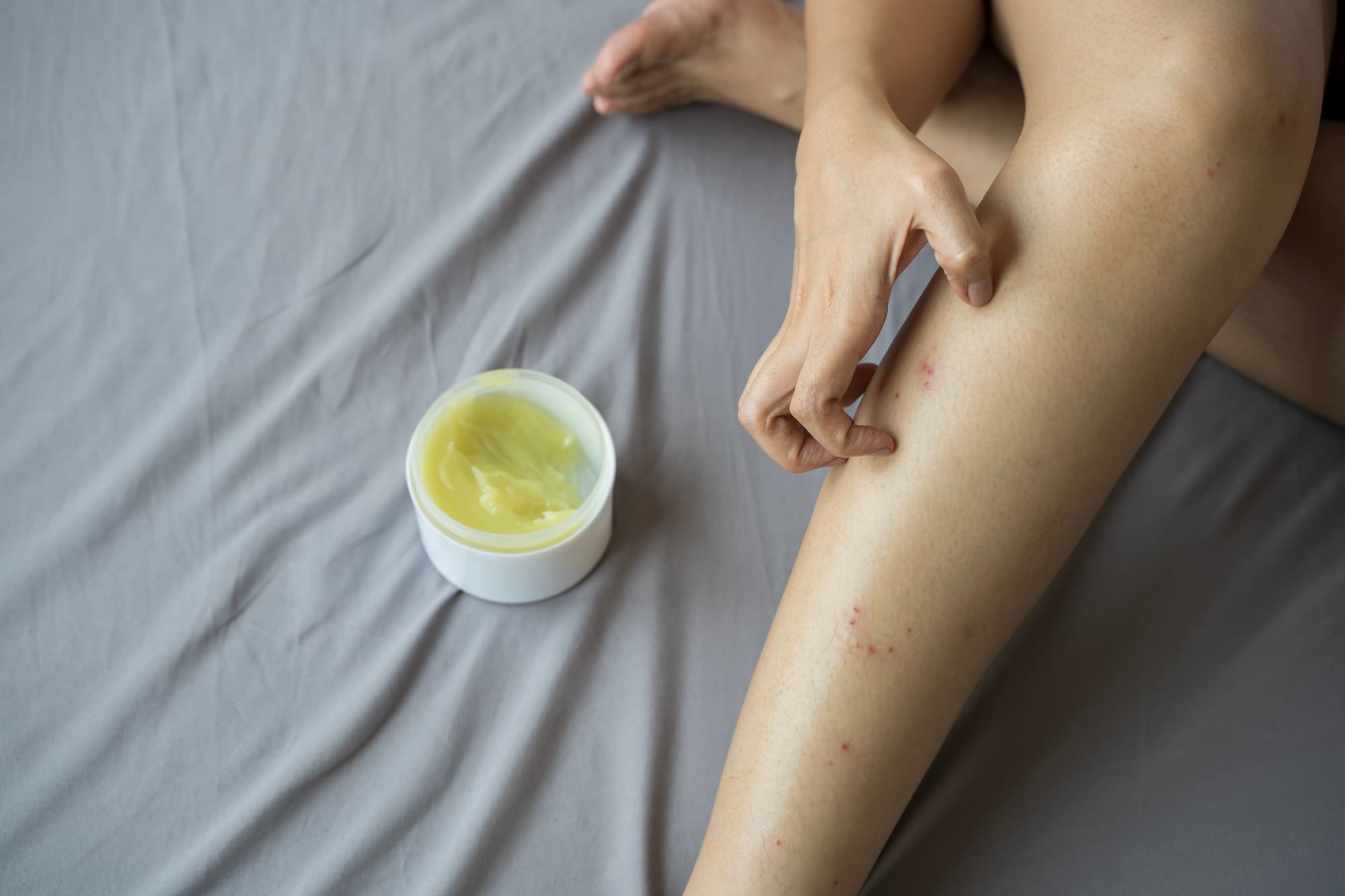
Once the immediate symptoms of a bite lessen, you might notice a small circular dark area where the bite occurred. This is known as post-inflammatory hyperpigmentation.
Post-inflammatory hyperpigmentation can also follow acne. These spots usually fade gradually over several months, and certain home approaches may help make them less noticeable.

Infection from scratching
Occasionally a mosquito bite can become infected while it’s healing. Scratching the bite and opening a scab raises this risk.
If you interrupt healing by scratching and remove new skin beneath a scab, scarring and infection become more probable.
An infected mosquito bite may become swollen and could produce a yellow or green discharge. After the infection resolves, a permanent scar can remain.
Keloid scarring
Some individuals are more likely to form scars after skin damage from mosquito bites (or any injury that breaks the skin). These keloid scars can grow larger than the original wound.
A keloid is a raised accumulation of collagen during healing and is often permanent.
Allergic reactions to mosquito bites
It’s possible to be allergic to mosquito bites. Signs of a mosquito bite allergy include:
- hives or lesions
- intense itching
- bruising near the site
- trouble breathing
- fever
- anaphylaxis
If you have a moderate to severe allergy to mosquito bites, your likelihood of blistering, redness, and prolonged inflammation increases, which also raises the chance of scarring.
Optum Now is operated by RVO Health. By clicking on this link, we may receive a commission. Learn more.
How to treat mosquito bites to avoid scarring
Use aloe to treat the wound
Aloe supports healing after your skin has been damaged by burns, cuts, or insect bites. Applying aloe to the bite site can aid the skin’s recovery.
Try over-the-counter anti-scar products
An over-the-counter scar cream can promote skin repair. Apply these products to the mosquito bite as soon as possible and continue daily until the spot has fully healed.
Massage to improve circulation
Some people advocate gently massaging the area around a mosquito bite to boost blood flow. Better circulation may help healthy collagen formation and reduce the likelihood of scars.
Moisturize with shea butter or coconut oil
Keeping the area hydrated is essential during healing. You can safely apply natural moisturizers without additives as the scab begins to slough off.
Shea butter and coconut oil help lock moisture into the skin without interfering with natural repair processes.
Apply antibacterial ointment at night
Using bacitracin or another antibacterial ointment each night before bed lowers your risk of infection, which in turn reduces the chance of the bite becoming scarred.
Use anti-itch creams to prevent scratching
An oral antihistamine or topical hydrocortisone cream that reduces itching can help mosquito bites heal faster, making scarring less likely.
Calamine lotion for inflammation
Calamine lotion can soothe inflammation and calm itchy skin after the initial bite.
How to reduce the appearance of old mosquito bite scars
Scar creams and consistent massage
Applying scar cream and regularly massaging the area may help older scars become less noticeable. The effectiveness of these home treatments depends on:
- your skin type
- how severe the scars are
- how consistently you apply treatments
Chemical peels and microdermabrasion
Chemical peels and microdermabrasion are in-office procedures a dermatologist might suggest to improve scars. These options can be expensive and don’t guarantee results.
Remember that, over time, mosquito bite scars often fade and become less apparent.
When to see a dermatologist
If you scar easily, consider consulting a dermatologist. They can recommend scar-removal and treatment options as well as prevention strategies.
Takeaway
Not everyone develops scars from mosquito bites. If you tend to scar or have an allergy to mosquito bites, you’re at higher risk for lasting marks.
If scarring from mosquito bites concerns you, a dermatologist is the best resource for treatment choices. Meanwhile, home remedies can help prevent infection, ease symptoms, and reduce scar visibility.













Leave a Reply
You must be logged in to post a comment.