

Many people experience dry skin, and many others struggle with oily skin. But can both occur at once?
Although it may sound contradictory, skin can indeed be both dry and oily simultaneously. Dermatologists commonly refer to this as “combination skin.”

While chronic dehydration can contribute to having both dry and oily areas, the main driver of combination skin is usually hereditary.
Having combination skin means you might notice fine lines and wrinkles alongside acne, blackheads, and other oil-related breakouts. The good news is that there are effective strategies to manage this skin type.
Symptoms of dry, oily skin
Before you start treating combination skin, it’s helpful to confirm that this is what you have. Below are signs that suggest combination skin. For a definitive diagnosis, consult a dermatologist:
- Oily T-zone. Your nose, chin, and the area across your forehead appear shiny or greasy. This region is called the T-zone.
- Visible pores. Pores are easy to see in the mirror, particularly on your forehead and around your nose.
- Dry patches. The skin on your cheeks and beneath your eyes often feels dry and sometimes flakes.
If you’re uncertain whether these symptoms describe you, try this simple check:
- Cleanse your face thoroughly with a mild soap or facial cleanser.
- Pat your skin dry with a towel, then wait 20 minutes.
- Avoid touching your face or applying any products (like moisturizer) during this period.
- After 20 minutes, examine your skin in the mirror. If your T-zone is oily while the rest of your face feels tight, you likely have combination skin.
Treating dry, oily skin
Although your genes largely determine your skin type, there are practical measures to alleviate the issues that come with combination skin. Below are some commonly recommended approaches:
- Diet and supplements. People with combination skin sometimes experience breakouts from certain moisturizers, yet hydration is still essential. Support skin health by including beneficial fats in your diet or using fatty acid supplements, such as fish oils providing DHA and EPA or plant-based sources of ALA.
- Oil-free sunscreen. Use broad-spectrum sunscreen whenever you’re outdoors. Many with combination skin worry sunscreen will trigger breakouts, so opt for oil-free or mineral-based sunscreens that are less likely to clog pores.
- Prescription treatments. A dermatologist can recommend or prescribe topical medications and other therapies tailored to managing combination skin.
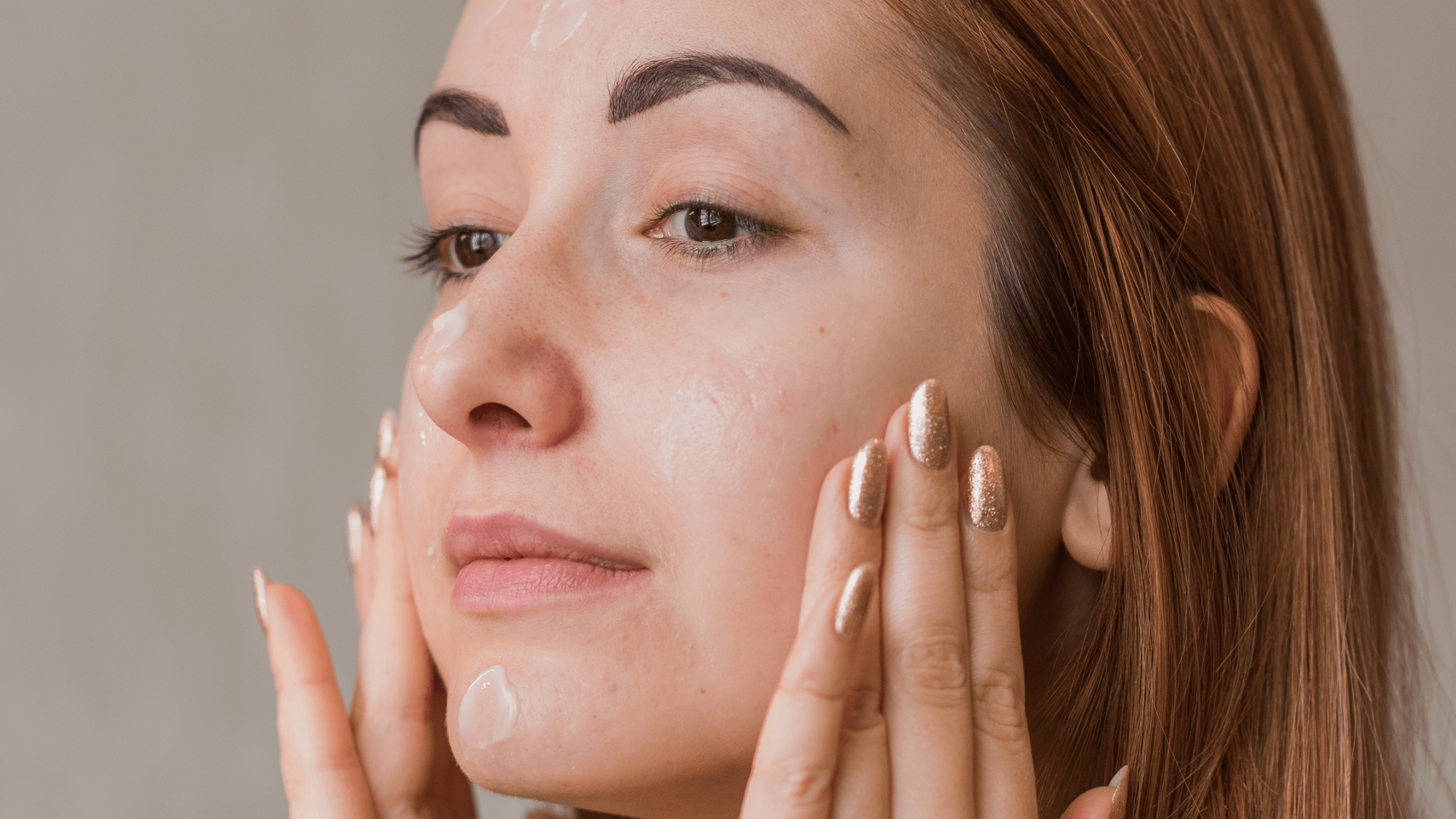
Outlook
Combination skin is very treatable when you follow appropriate measures. The first step is to see your primary care physician or a board-certified dermatologist. They can verify your skin type and guide you toward the best treatment plan.




















Leave a Reply
You must be logged in to post a comment.