
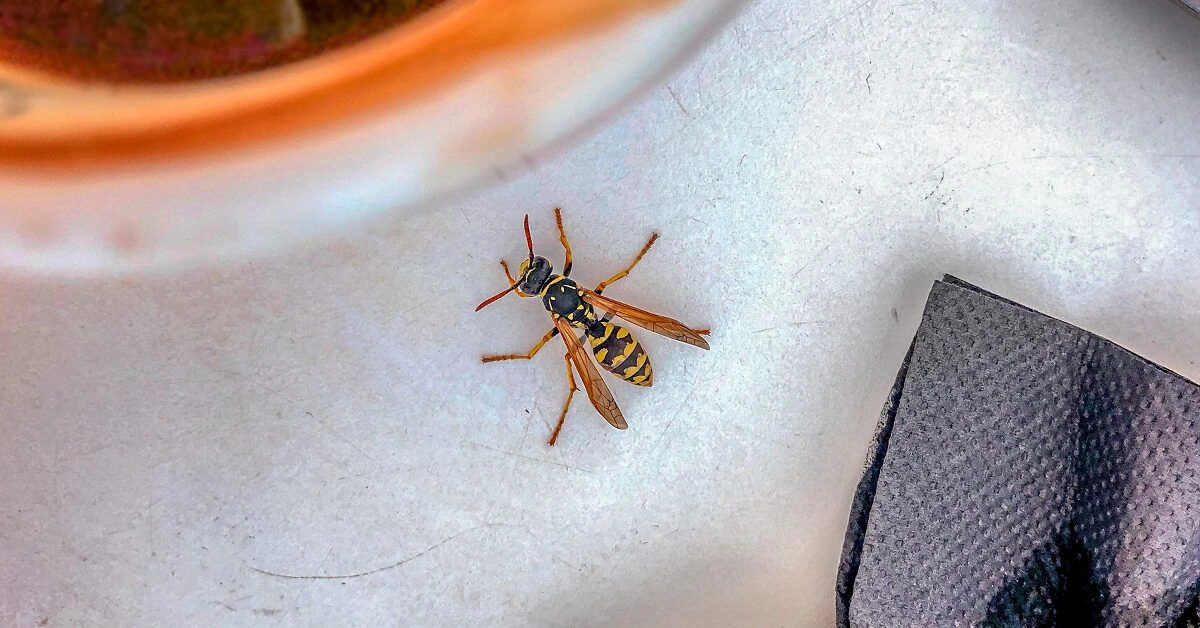
A wasp sting often causes an itchy, painful welt that can feel intense at first. Although uncomfortable, most individuals heal quickly without lasting issues. Many people also wonder, How long does a bee sting stay swollen, especially since swelling is one of the most noticeable reactions to insect stings. In this guide, you’ll learn how to manage a wasp sting effectively and what to expect during recovery.
Stings from wasps are especially frequent in warmer months when outdoor activities increase. Like bees and hornets, wasps use a stinger as a defense mechanism. A wasp’s stinger delivers venom (a poisonous substance) into the skin during the sting.
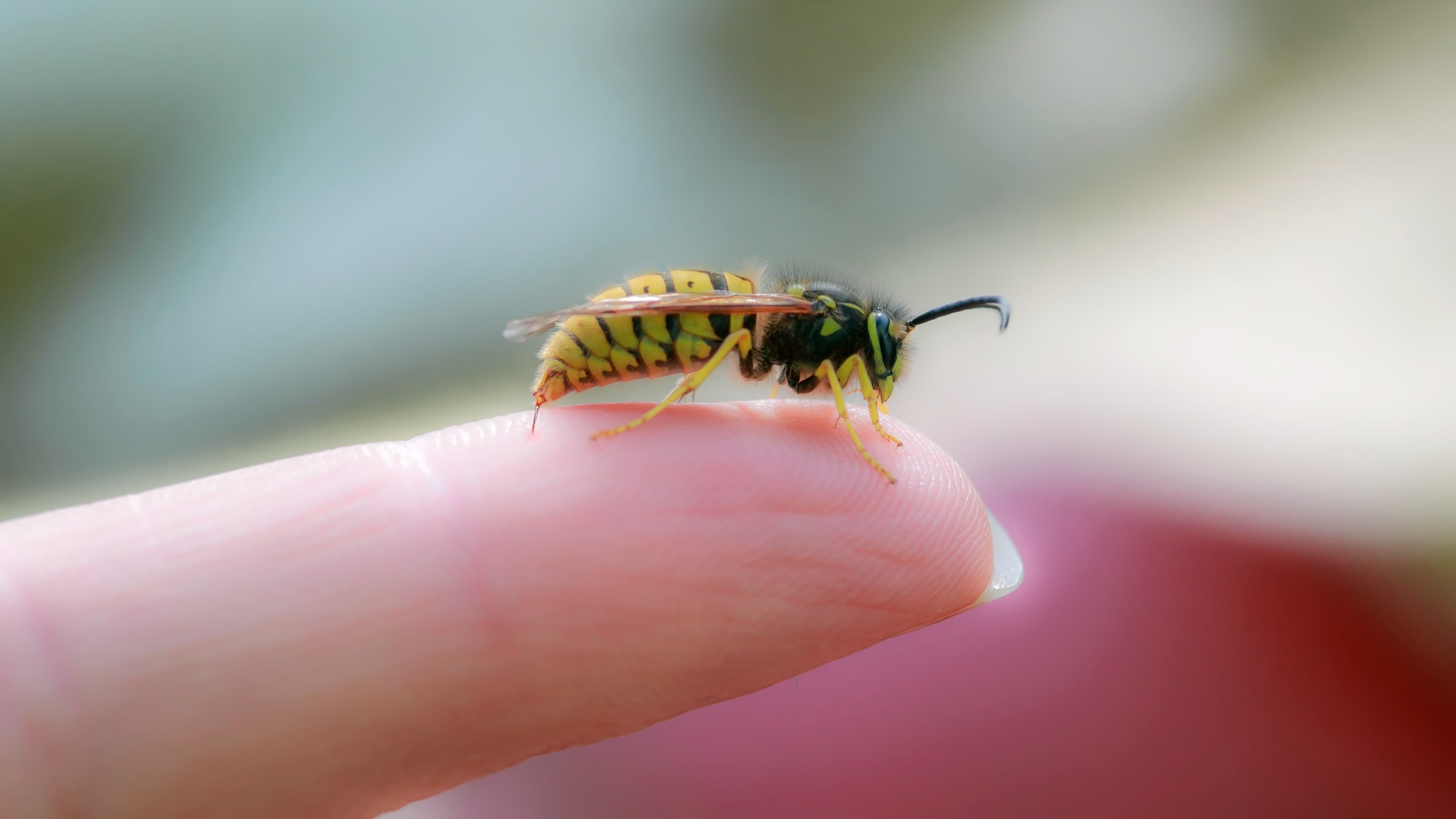
Even if no stinger remains embedded, the venom alone can trigger pain, redness, and irritation. In some cases, individuals may develop a serious allergic reaction to the venom. Whether symptoms are mild or severe, timely treatment helps reduce discomfort and lowers the risk of complications.
Symptoms of a wasp sting

Most people who are not allergic to stings will experience only minor symptoms during and shortly after a wasp sting. Early sensations typically include:
- sharp, immediate pain
- a burning feeling at the sting site
- skin discoloration
- localized swelling
- itching
Normal local reactions
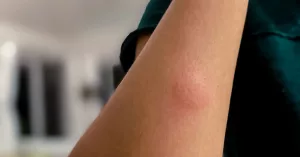
It’s common to see a raised welt form around the affected area. A small discolored puncture mark may appear in the center where the stinger penetrated the skin. In most cases, pain and swelling improve within 1 to 2 hours after the sting occurs. Mild swelling may linger a bit longer but generally resolves without treatment.
If you’re comparing reactions and asking How long does a bee sting stay swollen, the answer is similar for mild cases—typically a few hours to a couple of days, depending on individual sensitivity and the location of the sting.
Large local reactions
“Large local reactions” describe more extensive symptoms following a wasp or bee sting. People who experience these reactions may have an allergy to wasp stings but do not develop life threatening symptoms such as anaphylactic shock.
Large local reactions involve significant discoloration and swelling that can intensify for 2 or 3 days after the incident. Some individuals also report nausea and vomiting.

Although these reactions can look alarming, they usually resolve on their own within about a week. Elevating the affected limb and applying cold compresses may help reduce prolonged swelling.
Anaphylaxis following a wasp sting
The most serious allergic response to a wasp sting is known as anaphylaxis.
Anaphylaxis develops when the body goes into shock in response to wasp venom. Those who experience shock after a sting often do so rapidly. Immediate emergency medical care is essential to treat anaphylaxis effectively.
Symptoms of a severe allergic reaction to wasp stings include:
- marked swelling of the face, lips, or throat
- hives or itching in areas away from the sting site
- breathing problems, including wheezing or gasping
- dizziness
- a sudden drop in blood pressure
- lightheadedness
- loss of consciousness
- diarrhea
- stomach cramps
- a weak or rapid pulse
You may not develop all of these symptoms after a sting. However, if you are severely allergic, future stings are likely to trigger at least some of them. To better understand reaction timing, see How long does it take to have an allergic reaction to a bee sting.
When should you carry a bee sting kit?
If you have previously experienced anaphylaxis, carrying a bee sting kit is crucial in case of another sting.
These “bee sting kits” contain epinephrine injections (EpiPen) that can be self-administered immediately after a sting. Epinephrine works by stabilizing blood pressure, strengthening and increasing heart rate, and helping restore normal breathing.
Anaphylactic shock is a medical emergency that demands urgent care. Knowing how and when to use epinephrine can be lifesaving.
Treating wasp stings
Mild to moderate reactions
Mild and moderate reactions to wasp stings can usually be managed at home. If you’re treating a sting yourself, you should:
- clean the area with soap and water to remove as much venom as possible
- apply a cold compress to decrease swelling and relieve pain
- keep the site clean and dry to reduce the risk of infection
- cover with a bandage if needed
Additional home remedies may include:
- hydrocortisone cream or calamine lotion to ease itching and irritation
- baking soda or colloidal oatmeal baths or medicated creams to soothe inflamed skin
- OTC pain relievers, such as ibuprofen, to manage discomfort
- antihistamine drugs, including diphenhydramine and chlorpheniramine, to reduce itching
Understanding How long does bee venom stay in your system can also provide helpful context when monitoring ongoing symptoms after a sting.
Severe reactions
Severe allergic reactions to wasp stings require prompt medical intervention. Overall, up to 0.8 percent of children and 3 percent of adults have insect sting allergies.
If you carry an EpiPen, use it as soon as symptoms appear. Those with a known wasp allergy should administer the EpiPen immediately after being stung and then call 911.
Treatment for severe allergic reactions to wasp stings may include:
- additional epinephrine to suppress the immune response
- cardiopulmonary resuscitation (CPR) if breathing has stopped temporarily
- oxygen, steroids, or other medications to support breathing
Optum Now is operated by RVO Health. By clicking on this link, we may receive a commission. Learn more.
Wasp sting vs. bee sting
Wasp and bee stings can produce comparable symptoms, though treatment approaches may differ slightly. A bee can sting only once because its stinger becomes lodged in the victim’s skin. In contrast, a wasp can sting multiple times since its stinger remains intact.
Unless you have an allergy, most bee stings can also be treated at home. However, if you have a confirmed bee allergy, administer an EpiPen right away and call 911.
Wasp sting when pregnant
Wasp stings may happen at any stage of life, including during pregnancy. If you do not have a known venom allergy or a history of large local reactions, a wasp sting is generally not a major concern.
You can use the same treatment strategies as someone who isn’t pregnant, but avoid antihistamines containing decongestant ingredients.
While a typical wasp sting does not harm an unborn baby, a severe allergic reaction can pose risks. Use an EpiPen if necessary and call 911 if signs of anaphylaxis occur.
Wasp sting in toddlers
Bug bites and stings are common in childhood, yet that doesn’t make them harmless or comfortable. Toddlers are especially vulnerable because they may struggle to clearly express that they’ve been stung.
If your toddler is playing outdoors, watch for sudden crying, redness, or swelling and check the area promptly.
From an early age, children can be taught how to reduce the risk of wasp stings. Show them what wasps and their nests look like and encourage them to keep a safe distance. Additional precautions include wearing shoes outside and avoiding sugary drinks left uncovered outdoors, which can attract insects.
Complications of wasp stings
In rare situations, wasp stings may lead to complications, such as:
- multiorgan failures
- neurological symptoms, such as a seizure
- cardiovascular symptoms, including rapid heart rate and arrhythmias
If you have a venom allergy, speak with a healthcare professional about venom immunotherapy, which is administered as allergy shots to decrease sensitivity over time.
Frequently Asked Questions
How long does a wasp sting last?
Symptoms from a wasp sting usually persist for 1 to 2 hours. However, in some individuals, swelling and tenderness can take several days to fully subside, particularly in cases of large local reactions.
Do wasps leave stingers in you?
Unlike bees, wasps do not leave their stingers behind. They are capable of stinging multiple times without losing the stinger.
Takeaway
A wasp sting can be painful and irritating, but most people recover quickly and without complications. Swelling is common, and if you’re asking, How long does a bee sting stay swollen, the answer depends on your body’s response—ranging from a few hours in mild cases to several days with larger reactions.
Although uncommon, severe allergic reactions can occur in those sensitive to venom. Prompt treatment is essential to prevent serious complications.
Mild symptoms can usually be handled at home with OTC pain relievers, cold compresses, and topical treatments such as hydrocortisone cream.
Severe allergic reactions require emergency medical care. If you carry an EpiPen, use it immediately at the first sign of symptoms. Individuals with a history of wasp allergies should administer the EpiPen right away after a sting and then call 911.













Leave a Reply
You must be logged in to post a comment.