

It’s fairly common to notice subtle movement in your lower abdomen. In many cases, Painless stomach twitching or fluttering sensations are linked to normal bodily processes. However, if these movements persist, intensify, or occur alongside other symptoms, it’s wise to consult a healthcare professional for proper evaluation.

Tugs, flips, pulses, or gentle vibrations — your abdomen can produce a wide range of sensations throughout the day. Most of these feelings are completely harmless. Occasionally, though, a new or unusual sensation may stand out and raise questions.
Below, we explore the most noticeable causes, including pregnancy and digestion, as well as less frequent explanations. We’ll also review when abdominal movement could signal something more serious that requires medical attention.
What might cause movement in your lower abdomen during pregnancy?
Pregnancy introduces many unfamiliar physical sensations. One of the most remarkable is the activity occurring inside the abdomen. As a fetus grows and develops, even small movements can become increasingly perceptible to the pregnant person.
The term quickening refers to the early fluttering or light movements felt during pregnancy. Most individuals notice these first fetal movements between 16 and 25 weeks of gestation, typically in the second trimester.
By the third trimester, fetal motion is usually regular and easier to recognize. In later pregnancies, these sensations may be detected earlier because the body is already familiar with what fetal movement feels like. Still, the timing and intensity can vary with each person and each pregnancy.
What movements may mean if you’re pregnant
If you notice abdominal movement during pregnancy, your baby could be:
- hiccupping
- turning over
- stretching limbs
- flexing
- kicking
These sensations may sometimes resemble Painless stomach twitching, gentle tapping, or rhythmic pulses. As long as they are consistent with normal fetal activity and not accompanied by warning signs, they are generally expected.
When you might need to see a doctor
Abdominal movement while pregnant is usually normal and reassuring. However, certain symptoms combined with unusual sensations could indicate a complication.
If you experience any of the following, do not wait for your next prenatal visit — contact your doctor or healthcare professional immediately:
- severe diarrhea
- dizziness or fainting
- a fever higher than 100°F (37°C)
- feeling pain or burning while urinating or having problems urinating
- vaginal bleeding
- unusual vaginal discharge, such as a gray or white discharge that smells foul
- blurred vision or seeing spots in your eyes
- cracked and bleeding nipples
- swelling in your hands, face, or fingers
- chronic, severe headaches
- pain in your arms, chest, or legs
Chart of potential causes for movement in your lower abdomen
| Causes of abdominal movements when pregnant | Causes of abdominal movements when not pregnant |
| hiccupping | digestion |
| turning over | indigestion |
| stretching limbs | ovulation |
| flexing | muscle spasm |
| kicking | allergic reaction |
| intestinal obstruction | |
| diverticulitis | |
| Gas or bloating |
What might cause movement in your lower abdomen when you’re not pregnant?
People who are not pregnant can also notice unusual sensations in the lower abdomen. In many instances, Painless stomach twitching or vibration-like feelings are tied to everyday digestive activity or minor muscle contractions.
Normal functions such as digestion frequently create shifting or rolling sensations. Gas buildup, bloating, or indigestion may also be responsible. Understanding the probable source can help you determine whether simple home care is enough or if medical advice is necessary.
Digestion
After you eat, the muscles along your digestive tract contract rhythmically to move food from your stomach into your intestines — a process known as peristalsis. These coordinated muscle contractions may produce a subtle moving or fluttering sensation in your abdomen.
You might notice this feeling shortly after meals or even several hours later, depending on how quickly your digestive system is working. For individuals who are particularly aware of internal sensations, this may feel like a gentle internal shifting or twitch.
If you’re looking for practical strategies to reduce persistent abdominal vibrations, you may find guidance in How to stop vibration in stomach, which outlines lifestyle adjustments that can ease digestive-related sensations.
Indigestion
Indigestion, also known as dyspepsia, can occur after eating too quickly, consuming fatty foods, or drinking carbonated beverages. Indigestion may cause:
- heartburn
- nausea
- stomach pain
- bloating
- vomiting
Less frequently, some individuals describe a gnawing or churning sensation that resembles muscle movement. Although occasional indigestion can be managed with over-the-counter antacids and dietary adjustments, persistent symptoms should not be ignored.
Seek medical attention if you develop chronic indigestion, severe vomiting, black stools, or unexplained weight loss, as these may indicate a more serious gastrointestinal condition.
Ovulation
Throughout the menstrual cycle, hormonal shifts can trigger a variety of abdominal sensations. Cramping at the start of menstruation may cause the lower abdominal muscles to tighten, sometimes mimicking movement.
During ovulation, some individuals report a brief popping, pulling, or mild twitching sensation on one side of the lower abdomen. This typically occurs when the ovary releases a mature egg. The discomfort is usually short-lived and mild.
Those seeking more detailed information about lower abdominal sensations may benefit from reading Vibration in lower abdomen female, which explores common causes specific to women’s health.
Muscle spasm
Just as muscle spasms can occur in the arms or legs, they can also develop in the abdominal wall. These involuntary contractions may result from muscle strain, overexertion during exercise, or dehydration.
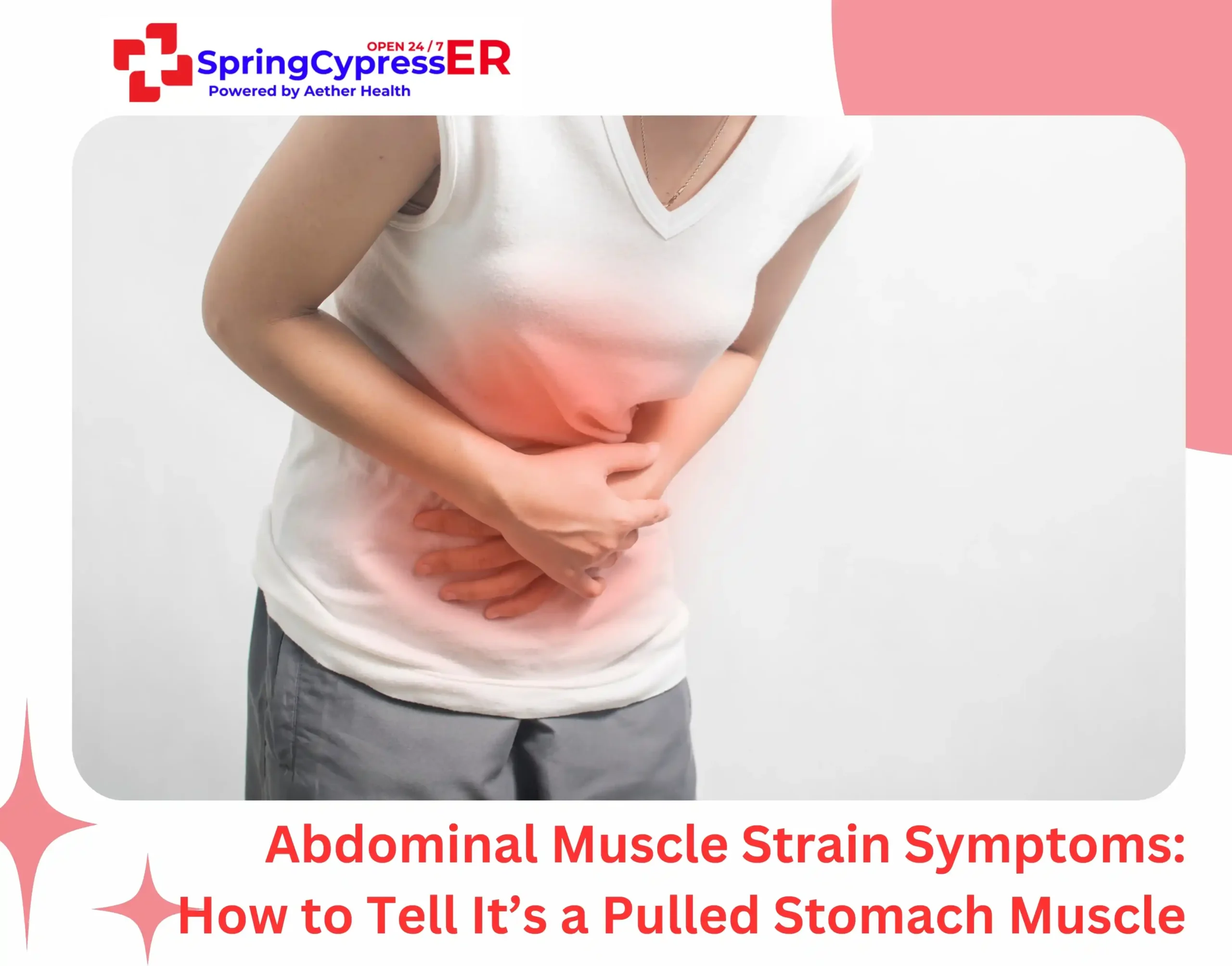
In many cases, abdominal muscle spasms are mild and resolve without treatment. Staying hydrated, gently stretching, and avoiding overuse may help prevent recurrence. If spasms persist, intensify, or become painful, consult your doctor to rule out underlying causes.
Allergic reaction
A fluttering or twitching feeling in the abdomen can occasionally signal that your digestive tract is reacting to a particular food. Although uncommon, such sensations may be associated with celiac disease or an abnormal immune response to gluten.
Avoiding gluten-containing foods can help prevent symptoms of celiac disease, which may include:
- abdominal bloating or pain
- persistent diarrhea
- constipation
- vomiting
- weight loss
If you suspect a food allergy or intolerance, discuss appropriate testing and dietary guidance with a healthcare professional rather than eliminating major food groups on your own.
Intestinal obstruction
Food that has been digested travels through an extended network of intestines before leaving the body as stool. In some cases, this pathway can become partially or completely blocked, leading to an intestinal obstruction.
When a blockage develops, muscle contractions may intensify in an attempt to push contents forward. These stronger contractions can create cramping sensations that feel like movement.
Additional symptoms of an intestinal obstruction include:
- severe bloating
- nausea
- vomiting
- constipation
- inability to pass gas or stool
- abdominal swelling
An intestinal obstruction requires prompt medical diagnosis and treatment. Home remedies cannot resolve a true blockage, and delaying care may lead to serious complications.
Diverticulitis
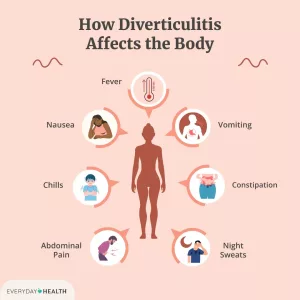
Diverticulitis is a digestive condition involving inflammation of small pouches in the colon. It can cause uncomfortable symptoms such as bloating, diarrhea, and abdominal pain. Muscle cramps linked to this inflammation may resemble internal movement or twitching.
Without appropriate treatment, diverticulitis may progress and result in:
- nausea and vomiting
- constant pain in the abdomen
- bleeding from the rectum
If you notice these warning signs, schedule an appointment with your doctor for evaluation and management.
Takeaway
Experiencing movement in your abdomen is usually not a cause for alarm. During pregnancy, jolts and flutters commonly reflect fetal activity. In people who are not pregnant, these sensations often stem from normal digestion, ovulation, mild muscle spasms, or gas.
Although uncommon, more serious conditions such as intestinal obstruction can also produce movement-like sensations. Persistent Painless stomach twitching, especially when combined with other concerning symptoms, should be assessed by a healthcare professional.
If abdominal movement becomes frequent, uncomfortable, or accompanied by new symptoms, arrange a medical evaluation. Even when the cause is something manageable like indigestion, your doctor can recommend targeted treatments and lifestyle strategies to provide relief and prevent symptom progression.





















Leave a Reply
You must be logged in to post a comment.