
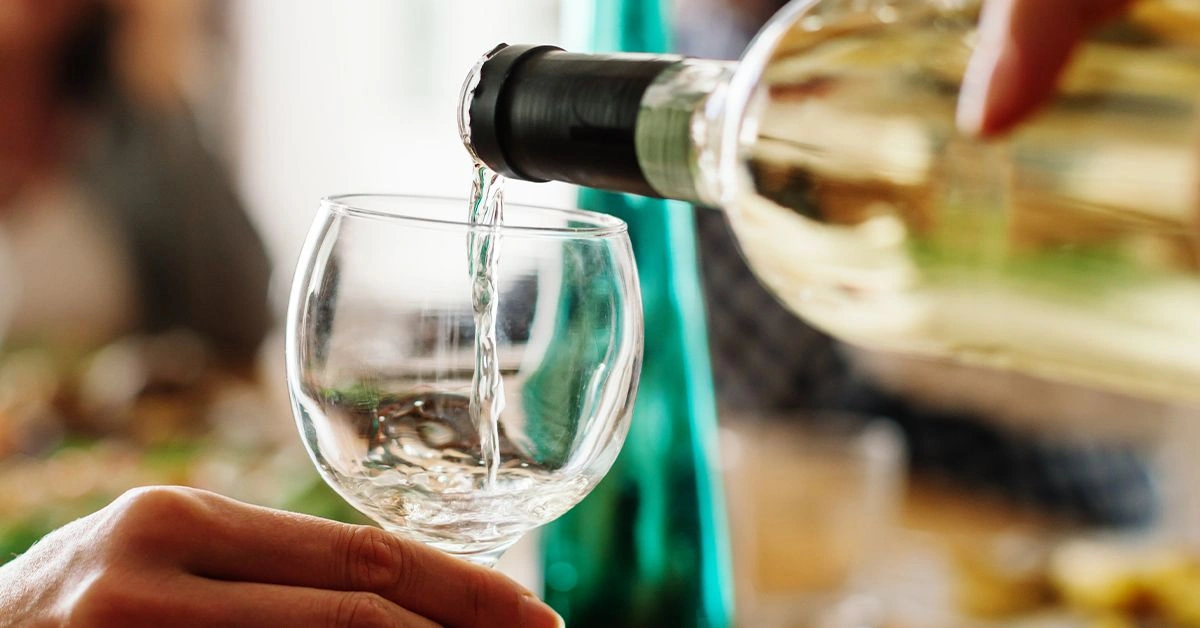
Although an unopened bottle of wine generally lasts longer than one already opened, it can still spoil. Unopened wine may be safe to drink past the date stamped on the bottle if it still smells and tastes normal.
If you’ve ever questioned whether an old or leftover bottle of wine is still drinkable, you’re in good company.
While certain wines improve with age, that’s not true for every opened bottle.
Like other foods and drinks, wine does not keep forever.
This piece explains how long different wines remain usable and how to recognize when your wine has spoiled.
How long does unopened wine stay good?
Keep in mind that the longevity of an unopened bottle depends on the wine variety and the conditions in which it’s stored.
Below are typical wine types and approximate unopened shelf lives:
- White wine: 1–2 years beyond the printed date
- Red wine: 2–3 years beyond the printed date
- Cooking wine: 3–5 years beyond the printed date
- Fine wine: 10–20 years when stored properly in a cellar
As a rule, wine should be kept in a cool, dark spot with bottles stored on their sides so the cork doesn’t dry out.
Summary: Unopened wine can last anywhere from 1 to 20 years depending on the style and storage.
How long does opened wine last, and why does it spoil?
The lifespan of an opened wine bottle depends on what kind it is. Generally, lighter wines deteriorate faster than fuller-bodied ones.

After opening, wine is exposed to oxygen, heat, light, yeast, and bacteria, triggering chemical changes that degrade its quality (1, 2).
Keeping opened wine cool slows these reactions and helps preserve its flavor.
Here’s an estimate of how long common wines remain drinkable after opening (see source):
- Sparkling: 1–2 days
- Light white and rosé: 4–5 days
- Full-bodied white: 3–5 days
- Red wine: 3–6 days
- Dessert wine: 3–7 days
- Port: 1–3 weeks
The optimal way to keep opened wine is tightly sealed in the refrigerator.
Non-sparkling wines should be resealed and chilled after pouring.
Summary: Open wine deteriorates because of chemical reactions with oxygen and microbes. Lighter wines spoil sooner than darker ones. To extend shelf life, reseal tightly and refrigerate.
Signs your wine has spoiled
Beyond checking the label date, several cues indicate that both opened and unopened wine may have gone off.
Start by inspecting the color for any noticeable shifts.
Typically, dark wines that shift toward brown and white wines that turn golden or cloudy should be thrown out.
Such color changes usually indicate excessive oxygen exposure.
Occasionally, unintentional fermentation will create tiny bubbles in wines that shouldn’t be fizzy.
Smelling the wine is another useful test.
Wine left open too long often gives off a sharp, vinegar-like odor reminiscent of sauerkraut.
Stale wine may carry nutty notes or aromas similar to applesauce or scorched marshmallows.
Unopened but spoiled wine can smell like garlic, cabbage, or burnt rubber.
If you’re willing, tasting a small sip can confirm spoilage; a little bad wine won’t harm you.
Spoiled wine typically tastes sharply sour or like burnt applesauce.
Examining the cork can also reveal problems.
Stains on the cork or a cork that has been pushed out above the bottle rim may signal heat damage, which often dulls aroma and flavor.
Summary: Look for discoloration, a sour or vinegar-like odor, or a sharp, unpleasant taste to determine if your wine has gone bad.
Health risks of drinking spoiled wine
Sipping a small amount of spoiled wine is unlikely to harm you, but that doesn’t mean it’s wise to drink it.
Wine can spoil from oxygen exposure as well as from increased yeast or bacterial activity.
Generally, wine’s environment makes it a poor host for common foodborne pathogens, so the chance of encountering harmful bacteria like E. coli or B. cereus is low (1, 2, 3, 4, 5).
Still, bacteria can persist in alcoholic drinks — studies show survival from days to weeks in some beverages (6), though that research focused on beer and refined rice wine.
Symptoms of foodborne illness include stomach upset, abdominal pain, nausea, vomiting, diarrhea, and fever (7).
For safety, it’s best to discard wine that shows signs of spoilage, whether opened or not.
Summary: Drinking spoiled wine is unpleasant and could, in rare cases, expose you to pathogens. The safest choice is to throw out wine that’s gone bad.
Final thoughts
As with any consumable, wine has a limited shelf life.
To enjoy wine at its best, drink it reasonably soon after purchase.
Unopened bottles can often be enjoyed 1–5 years past the printed date, and opened wine typically stays good for 1–5 days depending on the style.
Proper storage helps preserve freshness.
Next time you find an old bottle, check for signs of spoilage before deciding whether to pour or toss it. If you’re curious about related shelf-life questions, you can also read about does weed go bad.









Leave a Reply
You must be logged in to post a comment.