

Key takeaways
- Some beverages — for example herbal teas, plant-based milks, and low-acid juices — may ease acid reflux symptoms by lowering stomach acidity or providing a soothing effect.
- Drinks such as coffee, alcoholic beverages, and citrus juices can intensify reflux because of their acidity or their tendency to boost gastric acid production.
- Adjusting your diet, sipping drinks slowly, avoiding beverages late at night, and remaining upright after drinking can help control reflux symptoms.
Acid reflux and gastroesophageal reflux disease (GERD) occur when stomach acid backs up into the esophagus, producing unpleasant sensations like heartburn and acid regurgitation.
If you have acid reflux or GERD, certain foods and drinks may exacerbate your symptoms.
Although “acid reflux” and “GERD” are often used as if they are the same condition, they differ. Acid reflux typically refers to occasional episodes, while GERD denotes persistent, recurring reflux.
This usually happens when the lower esophageal sphincter is weak or doesn’t function properly, allowing stomach acid to flow back into the esophagus. Without treatment, chronic GERD can lead to inflammation or damage to the esophageal lining.
Drinks that may help acid reflux
Some beverages are less likely to trigger reflux, and others might even help relieve symptoms.
Besides following the drink suggestions below, sip fluids slowly rather than gulping them. This approach can reduce reflux episodes. A 2019 case study suggested that taking frequent sips of water can help rinse acid out of the esophagus.
Beverages such as coffee, sodas, and acidic juices can worsen reflux risk or symptom severity. So what are better options? Several drinks are unlikely to provoke reflux and may even help ease it.
Herbal tea
Herbal teas may support digestion and calm stomach discomfort like bloating or nausea.
Consider herbal options that might soothe GERD symptoms, including:
- chamomile
- licorice (deglycyrrhizinated for safety)
- slippery elm
- ginger
- marshmallow root
Licorice may boost the mucus layer that coats the esophagus, potentially lessening the impact of refluxed stomach acid. A 2017 study reported that an herbal blend containing deglycyrrhizinated licorice relieved GERD symptoms more consistently than common antacids.
Ginger tea has anti-inflammatory qualities and can ease nausea, as noted in 2019 research.
More studies are needed to confirm the benefits of other herbal teas such as fennel, marshmallow root, or papaya tea.
If you use dried herbs to brew tea, a general guideline is 1 teaspoon of herbs per cup of hot water. Steep leaves or flowers covered for 5–10 minutes; roots may need 10–20 minutes. Aim for 2–4 cups daily for potential benefit.
Avoid peppermint tea if mint tends to provoke your reflux. Also, some herbs interact with prescription medications, so consult your healthcare provider before trying new herbal remedies.
Low-fat or skim milk
For some individuals, cow’s milk is difficult to digest. Whole milk contains considerable fat, and high-fat foods can relax the lower esophageal sphincter, which may trigger or worsen reflux, according to 2019 findings.
That same research indicated that fat can slow gastric emptying, keeping fatty foods in the stomach longer.
If you consume dairy, choose lower-fat options to reduce the chance of provoking symptoms.
Plant-based milk
If lactose intolerance or dairy-induced reflux is an issue, plant-based milks are a suitable substitute. Common varieties include:
- soy milk
- flax milk
- cashew milk
- coconut milk
- oat milk
- almond milk
Soy and other plant-derived milks usually contain less fat than many dairy products, making them a potentially safer option for people with GERD.
Carrageenan
Carrageenan is a thickener frequently found in nondairy beverages. Some evidence suggests carrageenan may provoke digestive trouble, including bloating, IBS-like symptoms, and inflammation.
A 2018 review recommended reevaluating this additive due to uncertainties about its safety.
If you have GERD, you might prefer to avoid drinks containing carrageenan.
Fruit juice
Citrus juices and drinks like pineapple or apple juice can be quite acidic and may trigger reflux. Juices with lower acidity are less likely to cause symptoms.
Lower-acid juice options include:
- carrot juice
- aloe vera juice
- cabbage juice
- fresh blends using lower-acid ingredients such as beets, watermelon, spinach, cucumber, or pear
Smoothies
Smoothies are an easy way to boost vitamin and mineral intake and can be gentle for those with GERD.
When blending, use low-acid fruits like pear or watermelon and add leafy greens such as spinach or kale to increase nutrients and potentially reduce reflux. Consider this simple idea combining spinach and plant-based milk. Freezing avocado slices makes a convenient creamy addition for quick, nutritious smoothies.
Water
Most water is neutral (pH ~7.0) and can slightly raise stomach pH. Water also aids digestion and helps move food from the stomach to the small intestine, which may ease reflux.
A 2019 study found that alkaline electrolyzed water might relieve gastrointestinal symptoms such as reflux because its altered pH can help neutralize stomach acid.
Although uncommon, drinking excessive water can upset your body’s mineral balance and might increase reflux risk. If you have concerns, discuss hydration needs with a doctor or registered dietitian.
Coconut water
Unsweetened coconut water is a good choice for people with reflux or GERD. It provides electrolytes like potassium and supports acid-base balance, which can be helpful in managing reflux.
Drinks to avoid
Certain beverages can worsen reflux and are best limited or avoided, including some fruit juices, caffeinated drinks, and carbonated beverages.
Some juices
Citrus juices and tomato-based drinks are highly acidic and can exacerbate reflux.
Juices to avoid if you have GERD include:
- lemon juice
- orange juice
- tangerine juice
- lime juice
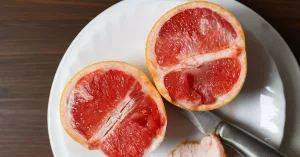
- grapefruit juice
- tomato juice
Citric acid in citrus fruits can irritate the esophageal lining. While the stomach tolerates higher acidity, the esophagus does not—so refluxed citric acid can cause pain or damage.
When buying juice, check the ingredient list for citric acid, which is sometimes added for flavor; avoiding products with this additive may lessen reflux risk.
Coffee
Many people rely on coffee daily, but it can provoke reflux by increasing gastric acid secretion and making reflux more likely. The more coffee consumed, the more severe symptoms can become. Other caffeinated beverages, like certain teas and sodas, may have similar effects.
A 2020 study linked intake of caffeinated drinks to increased reflux symptoms compared with other beverages.
Alcohol
Alcohol can worsen reflux across beverage types. Hard liquor tends to provoke reflux quickly, but wine or mixed drinks—especially with large or acidic meals—can also cause discomfort.
Heavy drinking is a risk factor for GERD and may damage the mucosa of the stomach and esophagus.
A 2019 study found a significant association between alcohol intake and GERD risk.
If you have reflux, avoiding alcohol is often advisable. If you do drink, measures that may reduce symptoms include:
- drinking in moderation
- staying well hydrated
- avoiding acidic or carbonated mixers
Acid reflux during pregnancy
People who never had reflux before can develop heartburn or reflux during pregnancy, though many find symptoms ease or disappear after delivery.
Keeping a food and drink diary can help you identify triggers and avoid them throughout pregnancy.
Treatment for acid reflux
If dietary adjustments don’t control GERD or reflux, other treatments and medications may provide relief.
See a doctor if reflux recurs; they can create a treatment plan tailored to your symptoms and evaluate for complications.
Over-the-counter options include:
- short-term use of antacids (e.g., calcium carbonate/Tums)
- proton pump inhibitors like omeprazole (Prilosec) or lansoprazole (Prevacid)
- H2 receptor antagonists such as famotidine (Pepcid AC)
- deglycyrrhizinated licorice
Prescription therapies may include higher-strength PPIs or H2 blockers.
In severe cases, surgery to reinforce the lower esophageal sphincter may be an option. A physician can guide you through treatment decisions based on your individual condition.
Tips for managing GERD and acid reflux
Just as the timing and content of meals matter, how and when you drink matters for controlling reflux.
Helpful practices include:
- Don’t skip breakfast or lunch to avoid overeating or overdrinking later in the day.
- Avoid late-night snacks and drinks that can cause heartburn before bed, including carbonated and caffeinated beverages.
- Stay upright during and after meals; try not to eat for at least 3 hours before lying down.
- If you drink alcohol, limit intake because it can trigger symptoms for some people.
- Cut back on spicy and fried foods.
- Raise the head of your bed so gravity helps keep acid from moving into your esophagus while you sleep.
- Sip beverages slowly rather than gulping them.
Many people live with reflux, but individuals respond differently to diet and lifestyle changes.
It may take trial and error to discover what helps you, but practicing mindful drinking habits and noting how foods and drinks affect you can reduce symptoms and enhance your quality of life.
Quick Q&A
Here are answers to common questions about acid reflux.
What helps acid reflux go away?
Both OTC and prescription medications can quickly ease acid reflux. Examples include antacids, proton pump inhibitors, and H2 blockers. Eating slowly, choosing smaller portions, and avoiding lying down right after meals also help control symptoms.
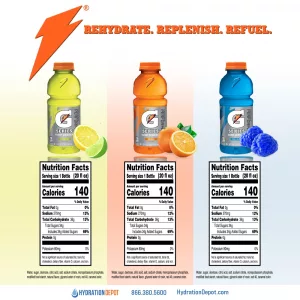
Does Gatorade help with acid reflux?
Probably not. Individual responses vary, but sports drinks like Gatorade may worsen reflux for some because they can contain citric acid. To restore electrolytes without risking reflux, try unsweetened coconut water or a low-fat bone broth.
Does drinking water help acid reflux?
Sipping water slowly can help move food from the stomach to the small intestine, which may relieve reflux symptoms for some people.
What is the best drink for acid reflux?
Options that may help manage reflux include herbal teas (chamomile, licorice, ginger), low-fat milk, plant-based milks (oat, flax, almond), smoothies made with low-acid fruits and greens, coconut water, and nonacidic juices (cucumber, carrot, aloe vera). Choose unsweetened, noncarbonated beverages.
What medications can you take for acid reflux?
Treatment depends on symptom severity and cause. Medications may include antacids (Mylanta, Maalox, Tums), H2 blockers (Pepcid, Axid), and proton pump inhibitors (Prilosec, Nexium). A healthcare professional can recommend the best option for you. Extended use of some medications isn’t advised without medical supervision.
What foods help acid reflux go away immediately?
No single food eliminates reflux instantly, but dissolving baking soda in water or taking an OTC antacid like Tums can provide quick symptom relief.
What foods neutralize stomach acid?
No foods truly neutralize stomach acid. Whole grains may help absorb some acid and reduce symptoms, and OTC antacids like Tums chemically neutralize stomach acid to relieve discomfort.
















Leave a Reply
You must be logged in to post a comment.