How to Stop Your Stomach from Growling


Stomach growling is a normal bodily function, yet it can sometimes sound unusually loud or occur more frequently for several reasons. An empty stomach, indigestion, or consuming specific foods may all make the noise more noticeable.
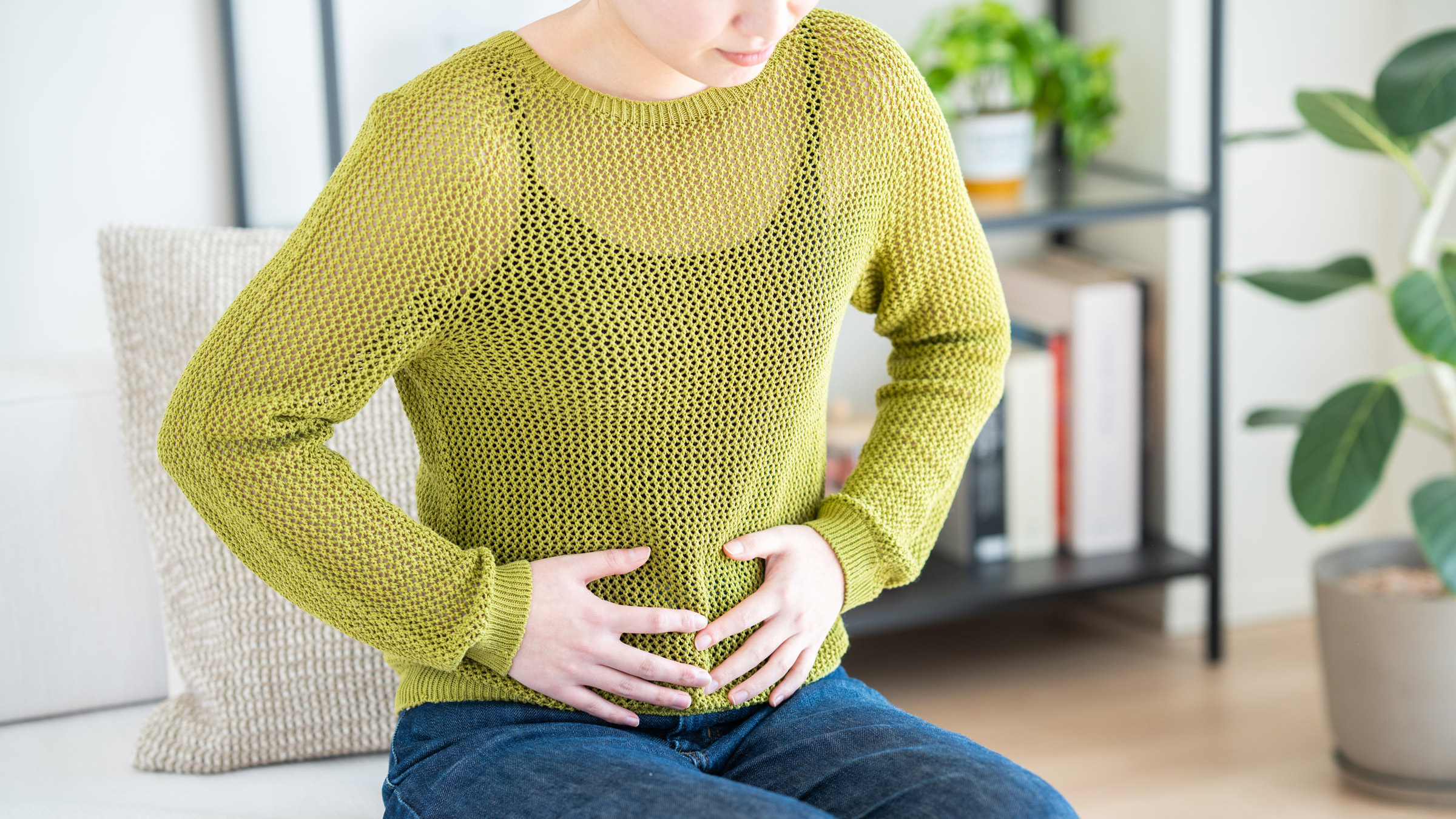
Most of us have experienced this awkward moment: you’re sitting in a completely quiet classroom or meeting, and suddenly your stomach makes a loud rumbling sound. Medically, this is known as borborygmi, and it happens during regular digestion as food, fluids, and gas move through the intestines.

Borborygmi is also commonly linked to hunger. When you haven’t eaten, hormones are released that stimulate contractions in the gastrointestinal (GI) tract. Without food present to dampen the sound, the rumbling becomes much more audible — sometimes embarrassingly so. If you’ve ever searched for How to stop your stomach from growling loudly in class, you’re certainly not alone.
Sluggish digestion, incomplete digestion, and eating certain gas-producing foods can all increase the intensity of borborygmi. In most situations, however, these noises are completely harmless and simply reflect normal digestive activity.
If you’re wondering How to stop your stomach from growling loudly in class without eating, there are several practical and medically sound strategies that may help reduce or prevent the noise.
1. Drink water
If you’re in a situation where eating isn’t possible and your stomach starts rumbling, sipping water can help quiet it. Water supports digestion and temporarily fills the stomach, which may calm some of the hunger-related contractions causing the noise.
:quality(85):extract_cover()/2024/09/18/969/n/1922729/tmp_FjIeTF_ed9c22fe4812a5a1_Stomach_Growling.jpg)
However, it’s best to stay hydrated consistently throughout the day. Drinking excessive amounts at once may lead to gurgling sounds instead of growling. Small, steady sips are usually more effective for minimizing intestinal noise.
2. Eat slowly
If your stomach tends to growl mid-morning despite having breakfast, the issue may be how quickly you eat. Eating too fast can impair digestion, making stomach noises more likely later on.
Taking your time with meals allows digestive enzymes to break down food more efficiently. Better digestion often translates into less rumbling during the hours that follow — especially during quiet classes or meetings.
3. Eat more regularly
Frequent stomach growling can sometimes indicate that your body needs more consistent fuel. If you regularly hear your stomach rumble before your next planned meal, spacing your meals more evenly throughout the day may help.
Many individuals benefit from eating four to six smaller meals rather than three large ones. This pattern improves digestion and metabolism , reduces digestive grumbling, and helps prevent intense hunger — which is often the main trigger for loud stomach sounds.
For students who cannot eat during class, adjusting meal timing beforehand may reduce the need to look up How to stop your stomach from growling loudly in class when fasting.
4. Chew slowly
Proper chewing is one of the simplest yet most overlooked digestive habits. Thoroughly chewing each bite breaks food down into smaller particles, making it easier for your stomach to process.
When food is well-chewed, digestion becomes smoother and quieter. Eating slowly also reduces the amount of air you swallow, which lowers the risk of indigestion, bloating, and excess gas — all of which can amplify intestinal sounds.
5. Limit gas-triggering foods
Certain foods are more likely to produce gas and digestive discomfort. Reducing these foods in your diet may significantly decrease stomach growling caused by gas traveling through the intestines.
Common gas-producing foods include:
- beans
- Brussels sprouts
- cabbage
- broccoli
These foods are nutritious, but if you notice increased rumbling after eating them, consider moderating portion sizes — especially before situations where silence matters.
6. Reduce acidic foods
Highly acidic foods and beverages can contribute to digestive noise and irritation. Limiting items such as citrus fruits, tomatoes, and certain sodas may help minimize grumbling.
Coffee is another frequent trigger. If your stomach tends to growl a few hours after your morning cup, reducing caffeine intake or switching to caffeinated tea may make a noticeable difference.
7. Don’t overeat
Overeating places extra strain on the digestive system, making digestion louder and less efficient. That post-holiday-meal gurgling is a common example of this effect.
Eating moderate portions at regular intervals and slowing down during meals helps your body recognize fullness cues. This approach not only supports digestive comfort but also reduces the likelihood of excessive stomach noise later.
8. Walk after you eat
Light physical activity after meals can promote smoother digestion. Walking helps move food through the stomach and intestines more efficiently.
Research shows that even a gentle walk of about half a mile immediately after eating can significantly accelerate gastric emptying. Faster gastric emptying often means fewer prolonged digestive sounds.
Avoid intense or high-impact workouts right after eating, as vigorous activity may worsen discomfort instead of relieving it.
9. Try to avoid anxiety triggers
Have you noticed that your stomach feels unsettled when you’re nervous? Anxiety and short-term stress can slow gastric emptying , delaying the movement of food into the intestines. This slowdown can prolong rumbling and digestive discomfort.
If stress is contributing to loud stomach noises in class, relaxation techniques such as deep breathing may help calm the central nervous system and ease physical symptoms.
10. Reduce excess sugar in your diet
High amounts of sugars — especially fructose and sorbitol — may cause diarrhea and flatus, which can increase intestinal sounds. Monitoring your intake of sweetened beverages, candies, and processed snacks may reduce unnecessary digestive noise.
11. Eat something as soon as you feel the pangs of hunger
The most straightforward solution to hunger-related growling is to eat when you first notice hunger cues. Choosing light, easy-to-digest options such as crackers or a small granola bar can quickly quiet your stomach.
It’s best to avoid greasy or heavily processed foods like potato chips, which are more likely to cause gas or indigestion and may ultimately worsen stomach sounds.
Q:
A:
The takeaway
A growling or rumbling stomach may feel embarrassing, but it is typically a completely normal physiological response. Whether the cause is hunger, active digestion, or mild indigestion, simple lifestyle adjustments can significantly reduce the noise.
If you frequently experience stomach growling accompanied by persistent abdominal pain, nausea, or diarrhea, consult your doctor. These symptoms may be related to irritable bowel syndrome (IBS), slow gastric emptying (gastroparesis), or other more serious gastrointestinal conditions that require medical evaluation.
Understanding your digestive triggers and applying these strategies can help you manage — and often prevent — loud stomach noises, especially in quiet environments like classrooms or meetings.
Questions & Answers
Loud stomach growling, or borborygmi, is often caused by hunger contractions in an empty stomach, gas moving through the intestines, or indigestion from certain foods, all of which become more audible in quiet settings.
Yes, sipping water can help by temporarily filling the stomach and calming hunger contractions, which may reduce noise. Consistent hydration with small sips is more effective than drinking a large amount at once.
Eating slowly improves digestion by allowing enzymes to break down food efficiently, reducing the likelihood of gas and indigestion that can cause loud rumbling hours afterward, such as during class.
Yes, limiting gas-producing foods like beans, broccoli, and cabbage, as well as acidic items like coffee and citrus, can minimize digestive noise and discomfort that leads to growling.
Yes, anxiety can slow gastric emptying, prolonging digestion and increasing rumbling. Relaxation techniques like deep breathing may help calm the digestive system in stressful settings like classrooms.






Related Posts

Remedios naturales para colitis ulcerosa: Dieta, suplementos y más
Aug 7, 2026 • 22 min read
Proteolytic Enzymes: How They Work, Benefits and Sources
Sep 13, 2026 • 6 min read
Constipation and Back Pain
Aug 1, 2026 • 36 min read
How Long Does It Really Take to Sober Up?
Aug 23, 2026 • 7 min read
Salmonella Food Poisoning
Sep 14, 2026 • 6 min read