11 Common Foods with High Fructose Corn Syrup


If you’re trying to cut back on high fructose corn syrup (HFCS), it’s important to first identify which everyday foods and beverages contain this widely debated sweetener. This guide highlights 11 common items that frequently include HFCS and explains why limiting them may support better metabolic health.
High fructose corn syrup is produced from corn syrup, with a portion of its glucose enzymatically converted into fructose. Some research suggests that HFCS may increase inflammation more than regular sugar, though its overall effects on body weight, cholesterol levels, and blood pressure appear similar.
Diets high in fructose have been linked to health issues such as fatty liver, elevated triglycerides, insulin resistance, high blood sugar, and a greater likelihood of developing type 2 diabetes. While this article focuses on processed sources of fructose, readers searching for a broader High fructose fruits and vegetables list should understand that naturally occurring fructose in whole produce behaves differently in the body due to its fiber and nutrient content.
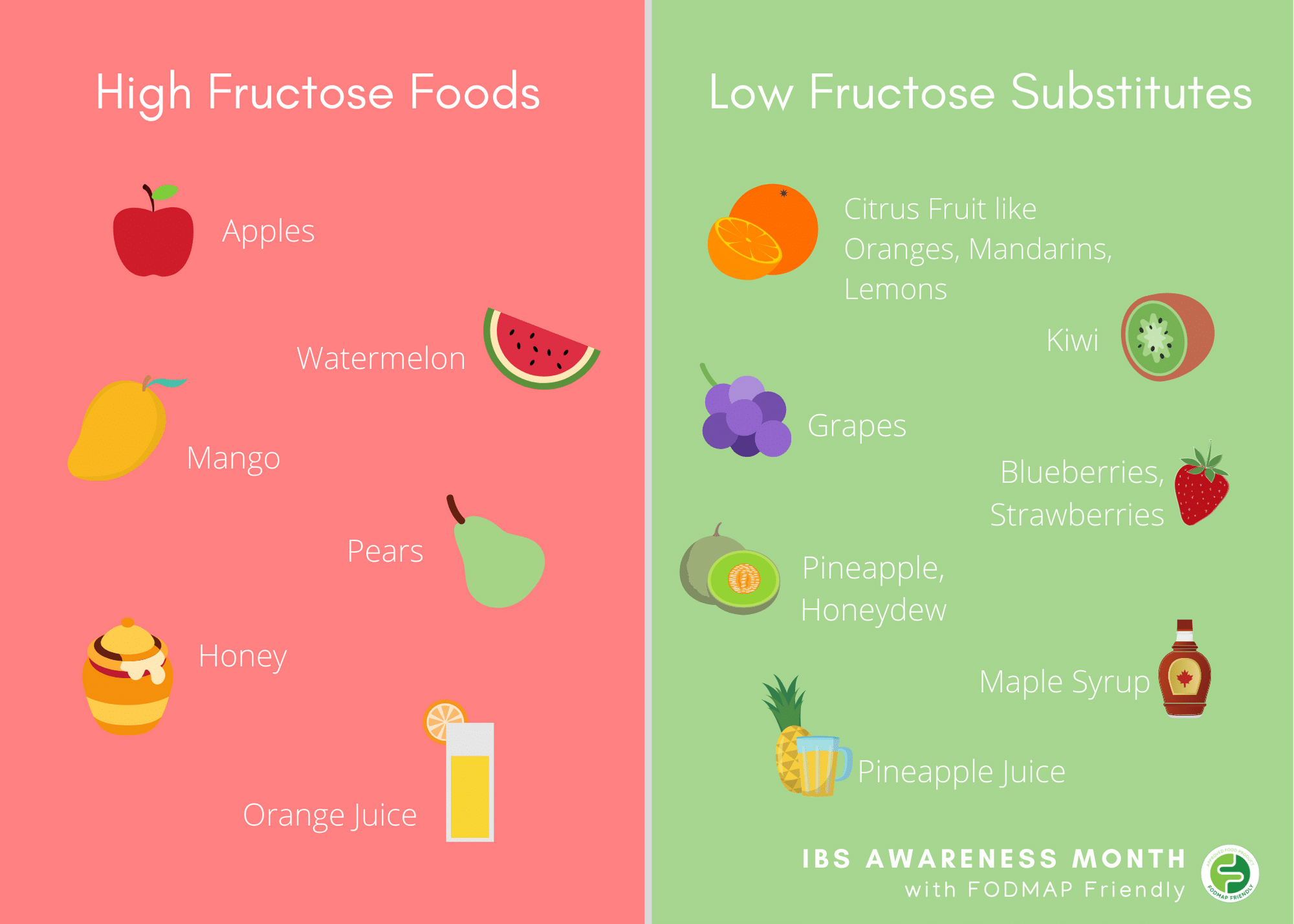
On the other hand, lowering your intake of foods and drinks high in added fructose may help reduce liver fat and improve triglyceride levels. Reviewing a comprehensive High fructose fruits and vegetables list alongside packaged food labels can provide a clearer picture of total fructose exposure.
It’s also worth noting that many products made with HFCS are ultra-processed and calorie-dense, with substantial amounts of added sugars. These may contribute to weight gain and a range of chronic health conditions.
.webp)
Candy
If you enjoy something sweet from time to time, candy might be your go-to treat.
However, many popular candies are formulated with HFCS, in addition to other ingredients that may not align with a balanced dietary pattern.
Even varieties labeled as HFCS-free still contain significant amounts of added sugar. Regardless of the source, all candy is high in added sugar.
Reducing overall added sugar intake can help support long-term wellness and may lower the risk of conditions such as obesity, diabetes , and heart disease . If you’re evaluating sugar exposure holistically, comparing processed sweets with items on a High fructose fruits to avoid guide can also be helpful.
Packaged sweets
Packaged desserts such as cupcakes, cookies, and pastries are popular among both adults and children, but they’re best enjoyed occasionally.
These products are typically rich in calories, saturated fat, and added sugars. In many cases, HFCS is used as the primary sweetening ingredient, increasing their overall fructose load.
Soda
Regular soda consumption has been strongly linked to multiple health concerns, including a higher risk of:
Research indicates that HFCS-sweetened soda may contain substantial levels of advanced glycation end products (AGEs).
These compounds can move from the digestive tract into body tissues, promoting inflammation and potentially aggravating joint inflammation in individuals with rheumatoid arthritis.
AGEs have also been linked to diabetes, kidney disease, and heart disease. Many mainstream soft drinks rely on HFCS as their main sweetener, making label reading essential.
Juice drinks
Although some beverages are made from 100% fruit juice without added sweeteners, many juice drinks contain extra sugars, often in the form of HFCS.
Marketing strategies frequently target children and teenagers, encouraging regular consumption of these sweetened drinks. Over time, this pattern may foster a preference for high-sugar foods and beverages.
Fast food
Frequent fast food consumption is associated with various health concerns , including obesity and increased cardiovascular risk factors in both children and adults.
This connection is not surprising, given that fast food items are often high in calories, sodium, refined carbohydrates, and added sugars.
Some menu options incorporate HFCS, especially in sweet components.
Desserts sold at fast food restaurants are commonly sweetened with HFCS. In addition, dipping sauces served with items like chicken nuggets may also include this ingredient.
Sauces and other condiments
When preparing savory meals, added sugars may not be top of mind.
However, many condiments — including barbecue sauce, salad dressings, and certain marinades — contain notable amounts of added sugar, sometimes as HFCS.
Savory dips and spreads can also be hidden sources. Ketchup is a well-known example. Checking ingredient lists can help you identify unexpected sweeteners. For individuals aiming to minimize fructose intake more strictly, reviewing a Zero fructose foods list may offer additional guidance.
Ice cream and ice pops
Ice cream and frozen treats like ice pops frequently contain HFCS along with other added sweeteners.
Ingredient labels list components in descending order by weight, meaning HFCS may be one of the primary ingredients in many of these products.
Breakfast foods
Sweet breakfast items such as toaster pastries often contain HFCS, which may not be surprising.
Less obvious, however, is that some savory breakfast products also include HFCS. Carefully reviewing nutrition labels can reveal hidden sources of added sugar early in the day.
Fruit preserves and jams
Fruit preserves, jams, jellies, and prepackaged peanut butter and jelly combinations can be unexpected contributors of added sugar. Many brands rely on HFCS to enhance sweetness and extend shelf life.
Pancake syrup and dessert syrup
Pancake syrup and dessert toppings are intensely sweet, and that sweetness often comes from HFCS.
It’s important to distinguish pancake syrup from 100% pure maple syrup, which does not contain HFCS. Still, pure maple syrup is naturally high in sugar, and excessive consumption may negatively affect health.
Dessert toppings such as chocolate or caramel syrup for sundaes are also frequently made with HFCS.
Applesauce
Applesauce may seem like a simple fruit-based product, but some varieties contain HFCS.
When shopping, look for options labeled “no sugar added” to avoid unnecessary sweeteners and reduce total added sugar intake.
The bottom line
Limiting all sources of added sugar, including HFCS, is a practical step toward improving overall health.
Foods and beverages such as soda, candy, ice cream, breakfast products, snack foods, and packaged desserts commonly contain HFCS and other added sweeteners.
If you’re uncertain whether a product includes HFCS, review the ingredient list carefully. Also watch for alternative names for added sugars, including cane sugar, corn syrup solids, and agave. Balancing processed food intake with whole foods — and understanding how items compare to a typical High fructose fruits and vegetables list — can help you make more informed dietary choices.
Just one thing
Try this today: If your goal is to cut back on HFCS while still satisfying cravings for something sweet, consider preparing a yogurt parfait as either a nourishing breakfast or a protein-rich dessert.
Start with unsweetened Greek yogurt, then add fresh fruit, chia seeds for fiber, and, if desired, a small drizzle of natural honey for sweetness.
Common Questions
High fructose corn syrup is a sweetener made from corn syrup, where some glucose is converted to fructose. It is commonly added to processed foods and beverages.
Diets high in added fructose from HFCS are linked to health issues like fatty liver, elevated triglycerides, insulin resistance, and an increased risk of type 2 diabetes.
Yes, many popular candies are formulated with HFCS and are high in added sugar, which can contribute to weight gain and chronic health conditions when consumed regularly.
Many mainstream soft drinks use HFCS as their primary sweetener. Regular consumption is strongly associated with obesity, heart disease, type 2 diabetes, and fatty liver disease.
Review the ingredient list on product labels. Look for “high fructose corn syrup” and also watch for other added sugar names like cane sugar, corn syrup solids, or agave.
Read Next



Related Posts
Dieta cetogénica: Una guía detallada para principiantes sobre la dieta cetogénica
Aug 1, 2026 • 33 min read
6 Nutritious Benefits of Eating Cantaloupe
Aug 29, 2026 • 36 min read
Low Sodium Frozen Meals: The Best Brands and 21 Dietitian-Approved Options
Sep 15, 2026 • 27 min read
Olives 101: Nutrition Facts and Health Benefits
Aug 26, 2026 • 27 min read
How to Use an Alum Block When Shaving
Aug 7, 2026 • 19 min read