
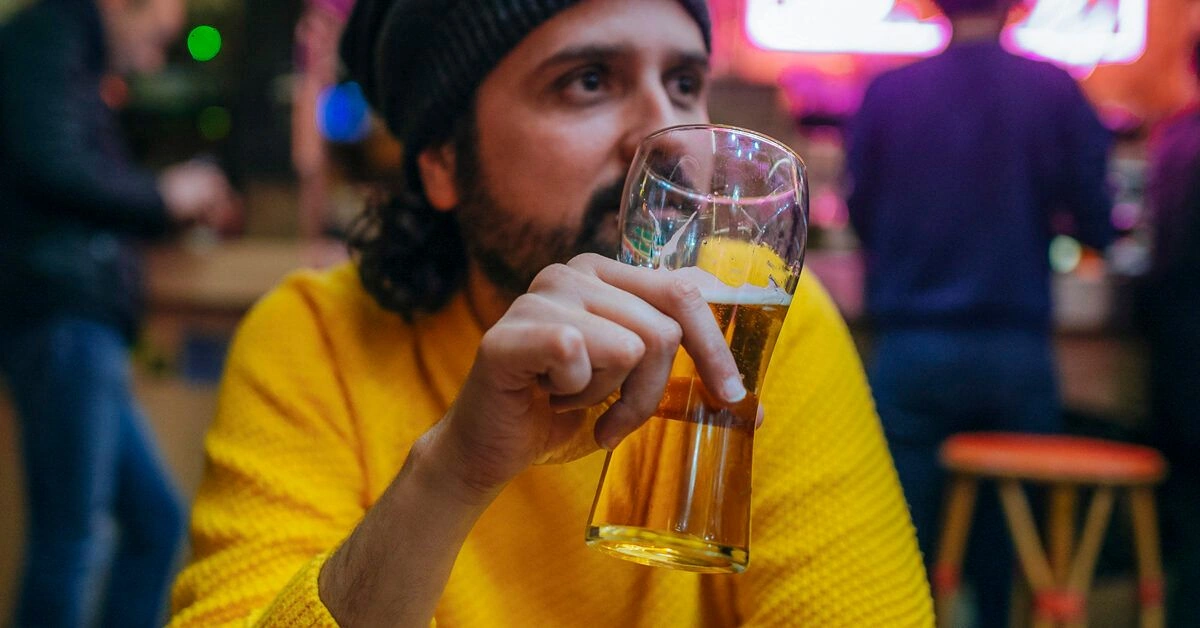
You may notice kidney discomfort after consuming alcohol because of dehydration or irritation of the stomach lining. However, it can also be a symptom of other medical problems, including an infection of the kidney.
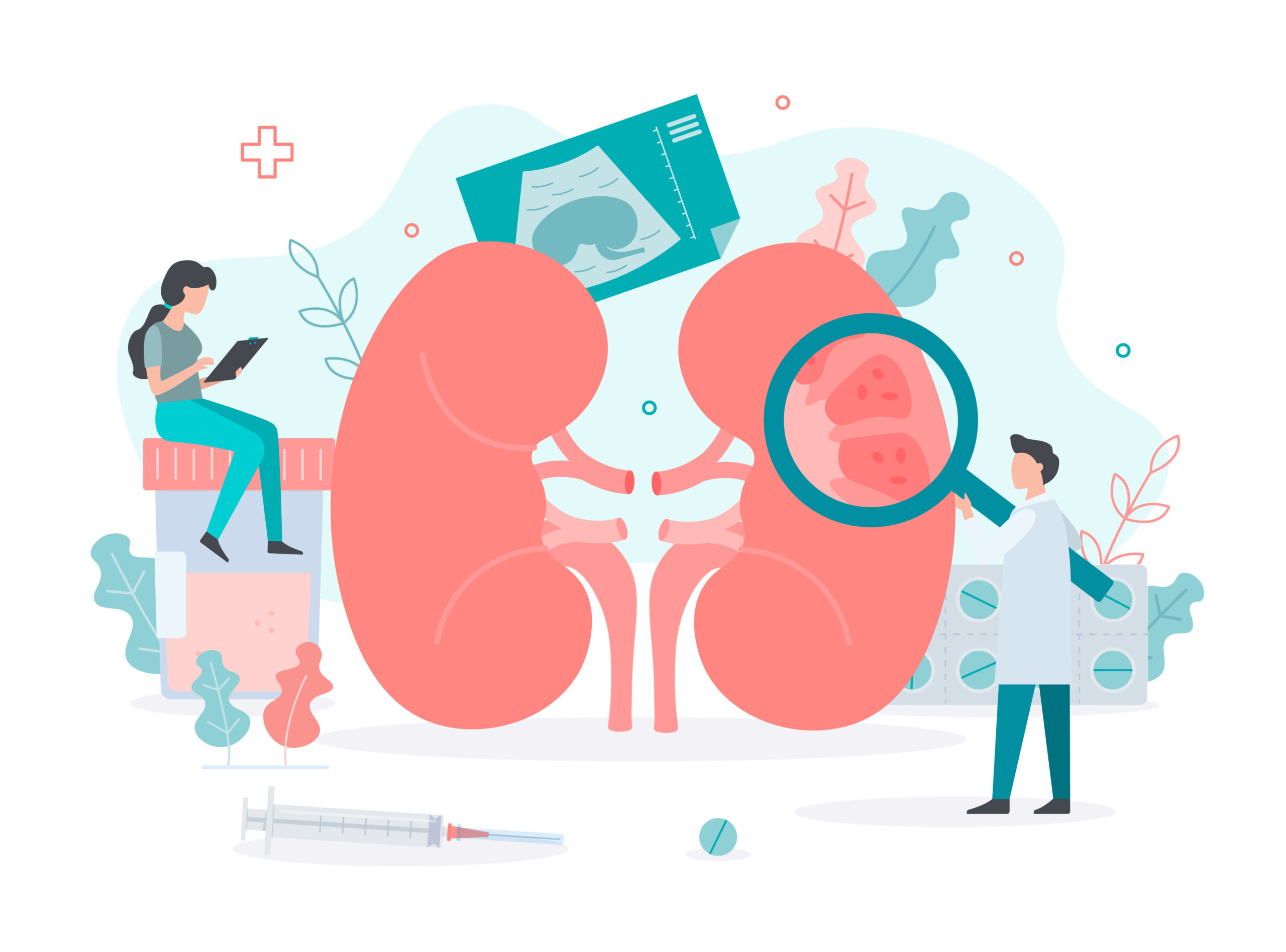
The kidneys play a vital role in maintaining health by removing harmful substances, including alcohol. They filter waste products and eliminate them in urine, while also regulating fluid and electrolyte balance.
When your kidneys must work harder to eliminate excess alcohol, it’s understandable that you could feel pain. The increased urination that accompanies this cleansing can result in dehydration, which impairs kidney and other organ function. As a result, you might experience kidney, flank, or back pain.
Possible symptoms you may notice
The region around your kidneys can feel tender after alcohol use. This area is located at the back of the abdomen beneath the ribcage on either side of the spine. The discomfort may present as a sudden, sharp stabbing sensation or as a dull, persistent ache. It can range from mild to severe and affect one or both sides.
Kidney pain can be felt in the upper or lower back or in the area between the lower ribs and the buttocks. It might appear immediately after drinking or only after you stop. In some cases, it worsens at night.
Other signs to watch for include:
- vomiting
- nausea
- painful urination
- blood in the urine
- loss of appetite
- difficulty sleeping
- headaches
- fatigue
- fever
- chills
What can cause kidney pain after drinking
There are several potential reasons for kidney pain. Identifying the underlying cause is important because it can signal a serious condition. Continue reading to learn about these causes and their treatments.
Liver disease
Liver disease increases the likelihood of discomfort after alcohol consumption, particularly if the liver is damaged from alcoholism. Liver dysfunction can also alter blood flow to the kidneys, reducing their effectiveness at filtering the blood.
Treatment for liver disease typically includes stopping alcohol use, losing weight if needed, and following a balanced diet. Some cases require medications or surgical intervention, and liver transplant may be needed in instances of liver failure.
Kidney stones
Alcohol-related dehydration can contribute to the formation of kidney stones. Drinking when stones are already present may cause them to shift, which can intensify kidney pain.
Small kidney stones are sometimes managed by increasing fluid intake, taking medication, or trying at-home remedies.
Kidney infection
A kidney infection is a form of urinary tract infection that begins in the urethra or bladder and ascends to one or both kidneys. Symptoms and the severity of a UTI can be aggravated by alcohol use.
Drink ample water and consult a physician promptly. Heat and pain relievers can help ease symptoms. Antibiotics are usually prescribed. Severe or recurrent kidney infections may need hospitalization or surgical treatment.
Dehydration
Alcohol acts as a diuretic, increasing urine output and leading to dehydration, especially with excessive drinking.
Alcohol disrupts the kidneys’ ability to maintain proper water and electrolyte balance, impairing their function and raising the risk of kidney stones. Long-term dehydration increases susceptibility to these problems.
Treat dehydration by replenishing fluids and electrolytes. Sports drinks containing electrolytes and carbohydrates can help. Avoid drinks high in sugar.
In some situations, dehydration necessitates medical attention.
Ureteropelvic junction (UPJ) obstruction
If you have UPJ obstruction, drinking alcohol may trigger kidney pain. This condition interferes with normal kidney and bladder function. Pain can occur in the flank, lower back, or abdomen and sometimes radiate to the groin. Alcohol can amplify the discomfort.
Occasionally the condition improves without intervention. UPJ obstruction can be corrected with minimally invasive procedures, though some cases require surgery.
Hydronephrosis
Hydronephrosis occurs when one or both kidneys swell due to accumulation of urine. A blockage prevents urine from draining normally from the kidney to the bladder, causing enlargement of the renal pelvis. Flank pain and painful or difficult urination are common.
Kidney stones raise the risk of hydronephrosis.
Prompt treatment is important. See a doctor to address kidney stones or infections that may be the underlying cause; this might include antibiotics.
Gastritis
Excessive alcohol intake can cause gastritis — inflammation of the stomach lining. Although not directly related to the kidneys, gastritis can produce upper abdominal pain that may be perceived alongside kidney discomfort.
Treat gastritis by avoiding alcohol, NSAIDs, and recreational drugs. Antacids can provide symptom relief. Your provider may prescribe proton pump inhibitors or H2 blockers to decrease stomach acid production.
Alcohol’s impact on kidney health
Heavy drinking can lead to long-term health issues such as type 2 diabetes and high blood pressure, which are common precursors to kidney disease. Consuming more than four drinks per day is considered excessive and doubles the risk of chronic kidney disease or lasting kidney damage. This risk is higher for smokers.
Kidneys burdened by excess alcohol fail to function optimally, reducing their ability to filter blood and regulate body water. Hormonal pathways that control kidney activity can also be disrupted.
Excessive alcohol use can also cause liver disease, which in turn forces the kidneys to work harder. With liver dysfunction, the body cannot regulate blood flow and filtration as effectively, adversely affecting overall health and increasing the chance of complications.
How to prevent kidney pain from alcohol
If alcohol triggers kidney pain, listen to your body. You may need to stop drinking for a period or cut back on how much you consume.
Consider swapping hard spirits for beer or wine, which generally have lower alcohol content, and avoid binge drinking. Track your intake with an app or journal to keep tabs on your habits.
Stay well hydrated by drinking plenty of water. Replace alcoholic beverages with alternatives like juices or teas. Coconut water, apple-cider-vinegar beverages, and hot chocolate are good choices. Mocktails served in a nice glass can make social situations feel special without alcohol.
Adopt a low-fat, nutritious diet rich in fruits and vegetables and limit sugar, salt, and caffeine.
Exercise regularly and pursue hobbies that reduce the urge to drink.
See a physician or therapist if you suspect alcohol dependence or if drinking negatively affects your life. Your doctor might prescribe medications for kidney issues or refer you to local support programs.
















Leave a Reply
You must be logged in to post a comment.