

This well-known fermented milk beverage is frequently praised for its impressive health advantages. Kefir is nutrient-dense, rich in probiotics, and generally easy to digest. Below, you’ll find research-backed reasons why it deserves a place in a balanced diet.
Kefir, a traditional staple in various cultures worldwide, has gained remarkable attention within the natural health community. For those exploring the Best time to drink kefir for weight loss, understanding its full range of benefits can help you maximize results while supporting overall wellness.
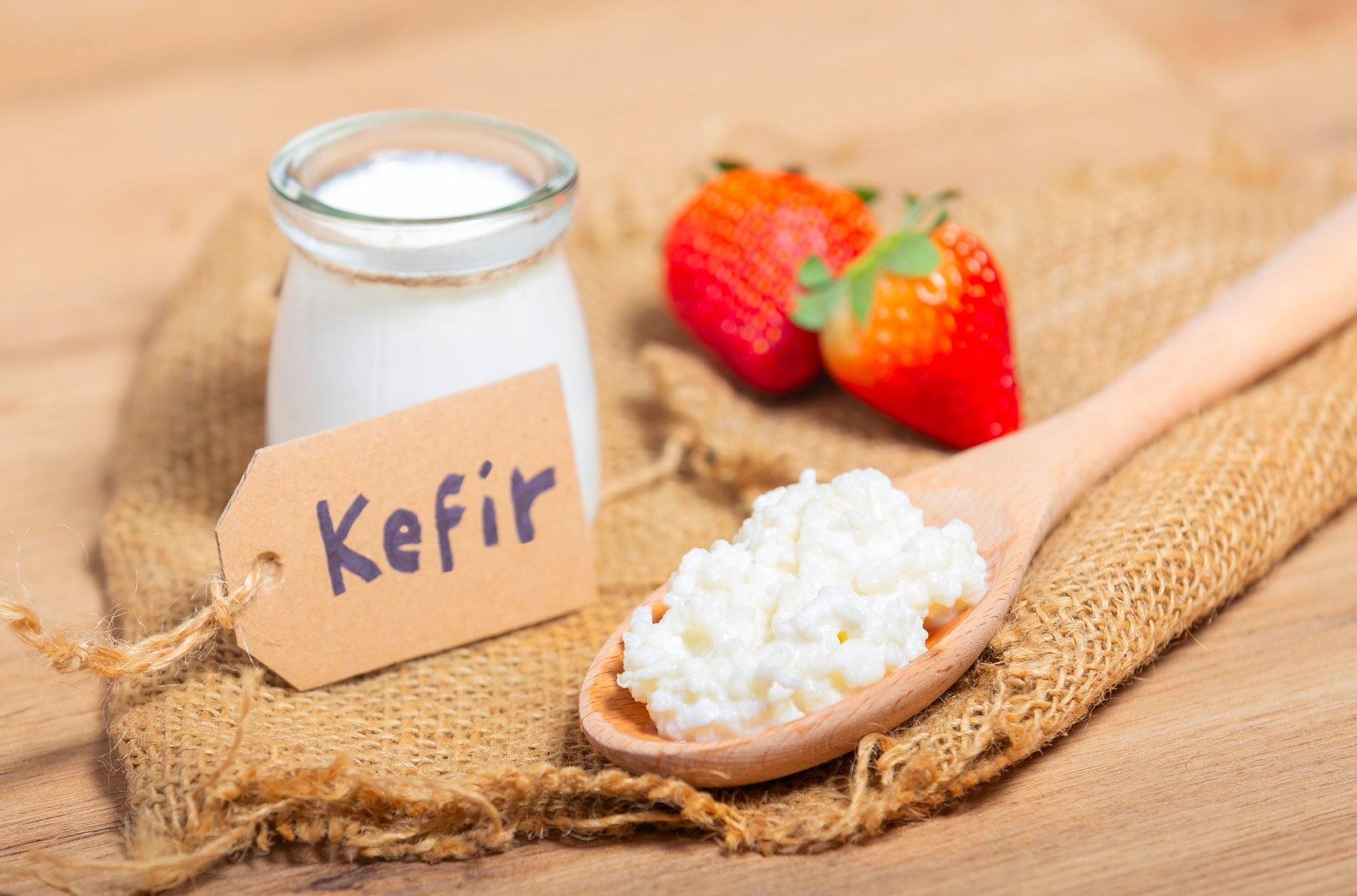
Loaded with essential nutrients and beneficial probiotics, kefir offers substantial support for digestion and gut health. Many nutrition experts even regard it as more nutritionally robust than yogurt.
Here are 9 science-supported health benefits of kefir.
1. Kefir is a fantastic source of many nutrients
Kefir originated in regions of Eastern Europe and Southwest Asia. Its name is derived from the Turkish word “keyif,” referring to the pleasant feeling experienced after consuming it.
This fermented beverage is traditionally prepared using cow’s milk or goat’s milk.
It’s produced by adding kefir grains to milk. Despite their name, these are not cereal grains but rather grain-like clusters of yeast and lactic acid bacteria that resemble cauliflower.

Over about 24 hours, the microorganisms within the kefir grains multiply and ferment the milk’s natural sugars, transforming it into kefir. The grains are then strained out and reused for the next batch.
Simply put, kefir is the finished drink, while kefir grains serve as the starter culture responsible for fermentation.
The lactic acid bacteria convert lactose into lactic acid, giving kefir its tangy flavor similar to yogurt, though with a thinner, drinkable texture.
According to a 1 cup serving of low fat kefir contains:
- Protein: 9 grams
- Calcium: 36% of the daily value (DV) for adults
- Phosphorus: 20% of the DV
- Vitamin B12: 29% of the DV
- Riboflavin (B2): 25% of the DV
- Magnesium: 7% of the DV
- Vitamin D: 12% of the DV
Additionally, kefir provides approximately 104 calories, 11.6 grams of carbohydrates, and 2–3 grams of fat, depending on the milk used.
It also supplies various bioactive compounds, including organic acids and peptides, which contribute to its health-promoting properties.
Non-dairy kefir varieties can be crafted using coconut water, coconut milk, or other sweet liquids. However, their nutrient composition differs from traditional dairy-based kefir.
2. Kefir is a more powerful probiotic than yogurt

Certain microorganisms provide measurable health benefits when consumed.
Known as probiotics, these microbes may positively affect digestion, weight regulation, metabolic health, and even mental well-being.
While yogurt is often considered the most recognized probiotic food in Western diets, kefir is actually a significantly more potent source.
Kefir grains contain up to 61 strains of bacteria and yeasts, making them an exceptionally diverse probiotic source, though the exact strains can vary.
Other fermented dairy foods typically contain far fewer strains and do not include yeasts, limiting their probiotic diversity.
For individuals focused on gut health and fat metabolism, determining the Best time to drink kefir for weight loss may help optimize probiotic activity and digestive efficiency.
3. Kefir has potent antibacterial properties
Specific probiotics found in kefir are thought to help defend against infections.
One notable strain is Lactobacillus kefiri, which is unique to kefir.
Studies show that this probiotic can inhibit the growth of harmful bacteria such as Salmonella, Helicobacter pylori, and E. coli.
Kefiran, a carbohydrate naturally present in kefir, also demonstrates antibacterial activity, further supporting immune defense.
4. Kefir can improve bone health and lower the risk of osteoporosis
Osteoporosis involves the weakening of bone tissue and is a significant concern in Western countries. It is particularly prevalent among older women and substantially increases fracture risk.
Maintaining adequate calcium intake is among the most effective strategies for strengthening bones and slowing osteoporosis progression.
Full fat kefir not only provides abundant calcium but also vitamin K2, which plays a crucial role in calcium metabolism and bone mineralization.
Animal studies link kefir consumption to enhanced calcium absorption in bone cells, leading to improved bone density and potentially reducing fracture risk.
5. Kefir may be protective against cancer
Cancer remains one of the leading causes of death worldwide. It develops when abnormal cells grow uncontrollably, forming tumors.
The probiotics in fermented dairy products are believed to slow tumor growth by enhancing immune function, suggesting kefir may possess anticancer potential.
This protective effect has been observed in test-tube studies.
An older study reported that kefir extract reduced human breast cancer cells by 56%, compared with 14% for yogurt extract.
However, human studies are necessary before drawing definitive conclusions.
6. Kefir’s probiotics may help with various digestive concerns
Probiotics such as kefir can help rebalance beneficial bacteria in the gut microbiome.
As a result, they are highly effective in managing several types of diarrhea.
Moreover, ample evidence indicates that probiotics and probiotic-rich foods can alleviate numerous digestive disorders.
These include irritable bowel syndrome, ulcers caused by H. pylori infection, and other gastrointestinal conditions.
Because gut health plays a central role in metabolism, those researching the Best time to drink kefir for weight loss often focus on consuming it when digestion and nutrient absorption are most efficient. If you’re unsure about serving sizes, see How much kefir should i drink a day for weight loss for detailed guidance.
7. Kefir is low in lactose
Traditional dairy products naturally contain lactose.
Many adults have difficulty properly digesting lactose, a condition known as lactose intolerance.
The lactic acid bacteria in fermented dairy products like kefir and yogurt convert lactose into lactic acid, making them significantly lower in lactose than regular milk.
They also provide enzymes that assist in further breaking down lactose.
For this reason, kefir is generally better tolerated by individuals with lactose intolerance compared with standard milk.
It’s also possible to create completely lactose-free kefir using coconut water, fruit juice, or other non-dairy liquids.
8. Kefir may improve allergy and asthma symptoms
Allergic reactions occur when the immune system triggers inflammatory responses to certain substances.
Individuals with heightened immune sensitivity are more susceptible to allergies, which can lead to conditions such as asthma.
In animal studies, kefir has demonstrated the ability to suppress inflammatory responses associated with allergies and asthma.
Further human research is needed to better understand these potential benefits.
While kefir is generally safe, it’s wise to review possible Dangers of kefir, particularly for individuals with compromised immune systems or specific medical conditions.
9. Kefir is easy to make at home
If you’re uncertain about the quality of commercially available kefir, making it at home is simple and cost-effective.
Paired with fresh fruit, kefir can become a nutritious and satisfying dessert or snack.
Kefir grains can be found in select health food stores, supermarkets, and online. Be sure to choose grains appropriate for dairy or nondairy beverages, as they differ.
The preparation process is straightforward:
- Place 1–2 tablespoons (14–28 grams) of kefir grains into a small jar. Using more grains speeds up fermentation.
- Add about 2 cups (500 ml) of milk, preferably organic. Milk from grass-fed cows contains higher levels of beta carotene and vitamin A. Leave 1 inch (2.5 cm) of space at the top.
- Optionally, add a small amount of full-fat cream for a thicker consistency.
- Cover with a lid and let sit at room temperature for 12–36 hours.
Once the mixture appears slightly clumpy, it’s ready. After straining out the liquid, the kefir grains remain and can be reused for the next batch.
The result is a flavorful, nutrient-rich beverage that is both sustainable and versatile.
The bottom line
Kefir is a wholesome fermented drink with a texture similar to drinkable yogurt.
Traditionally made from dairy milk, it is also available in various nondairy forms.
Research suggests it strengthens the immune system, supports digestive health, enhances bone density, and may even offer protective effects against cancer.
If you’re seeking the Best time to drink kefir for weight loss, incorporating it consistently into a balanced diet and healthy lifestyle can help you enjoy its full range of benefits.
Consider adding kefir to your routine today to experience the advantages of this tangy, probiotic-rich beverage.























Leave a Reply
You must be logged in to post a comment.