Can You Use Tomatoes for Skin Care?


- Potential benefits of tomato on skin
- May help protect against skin cancer
- May reduce risk of sunburns
- May promote wound healing
- May soothe skin inflammation
- May stimulate collagen production
- May help remove dead skin cells
- May have anti-aging properties
- May help fight cellular damage
- May moisturize skin
- Side effects of using tomatoes on your skin
- How to use tomatoes for your skin
- Direct application
- Spot treatment
- Tomato mask
- Other methods
- Takeaway
The web is packed with advice about natural skin care solutions. Among the trending remedies is organic tomato juice, no salt, which many people believe can improve a variety of skin issues. But is applying tomato directly to your skin actually beneficial?
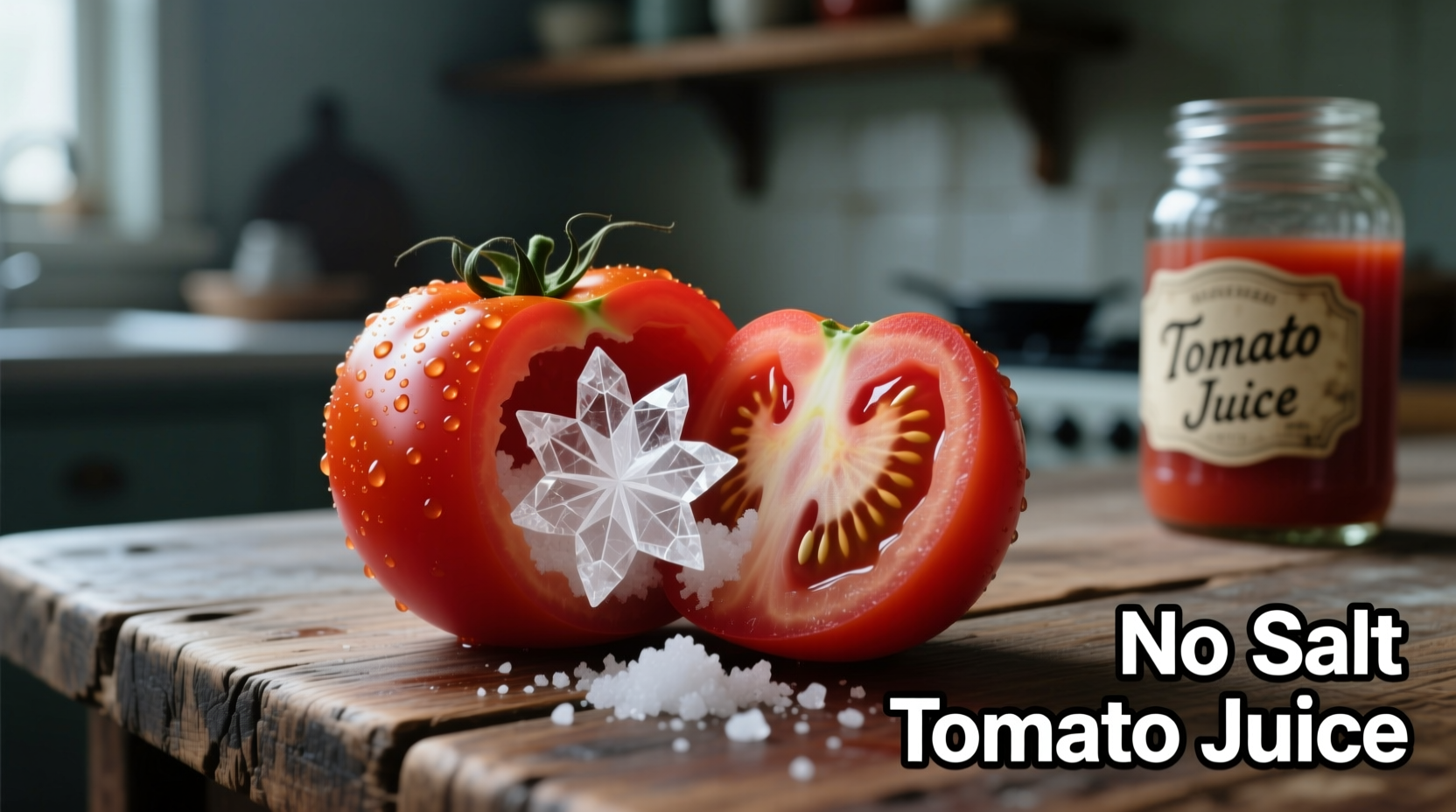
Tomatoes are undeniably nutritious. They’re rich in antioxidants and vitamin C, both of which support immune health. They also provide important nutrients such as:
- potassium
- vitamin A
- vitamin B
- magnesium
Despite these impressive nutrients, there’s limited scientific proof that simply rubbing tomato or even organic tomato juice, no salt onto your skin will deliver the same health advantages you gain from consuming it.
Below, we explore the proposed skin benefits of tomatoes, what research currently suggests, and whether topical use makes sense for your skin care routine.
Potential benefits of tomato on skin
Some advocates of natural beauty care suggest tomatoes may address concerns like uneven complexion, premature aging, and irritation. Here’s a closer look at the possible advantages of incorporating tomatoes into your regimen.
May help protect against skin cancer
Exposure to the sun is a major risk factor for nonmelanoma skin cancers, including basal cell carcinoma and squamous cell carcinoma.
Tomatoes contain lycopene , a carotenoid responsible for their red hue and also present in other fruits and vegetables.
According to researchers, lycopene demonstrates strong anticancer properties, although most studies focus on dietary intake rather than topical use.
There is currently little to no evidence confirming anticancer effects from applying tomato directly to the skin.
In one animal study , hairless, healthy mice consumed either tangerine or red tomato powder for 35 weeks and were then exposed to UVB light three times weekly. A control group ate the same diet but avoided UV exposure.
Researchers observed fewer tumors in the mice fed the tomato-enriched diet, suggesting that tomatoes may play a role in preventing skin cancer development in humans.
Still, further human studies are required to determine whether topically applied lycopene offers similar protection.
May reduce risk of sunburns
Tomatoes should never replace sunscreen, but the lycopene they contain may offer a photo-protective benefit. Consuming tomatoes may offer some defense against UV light-induced erythema, commonly known as sunburn.
A study from 2006 reported that after 10 to 12 weeks of consuming lycopene or tomato-based products high in lycopene, participants experienced reduced sensitivity to UV radiation. Whether applying tomato or Organic Tomato Juice to the skin offers the same result remains uncertain.
Even if tomatoes provide some internal protection, daily sunscreen with SPF 30 or higher is essential for preventing sunburn and reducing skin cancer risk. “Natural” alternatives without proven protection may sometimes cause more harm than benefit.
May promote wound healing
According to the U.S. Department of Agriculture’s nutrient database, 1 cup of tomatoes provides about 30 grams of vitamin C.
Vitamin C is a common ingredient in skin care formulations because it supports connective tissue formation and may repair wounds and speed the healing process.
However, it’s unclear whether applying tomato juice directly to the skin yields comparable results. More clinical research is necessary to establish a clear connection between topical vitamin C from whole foods and improved wound healing.
May soothe skin inflammation
Tomatoes contain several compounds known for their anti-inflammatory effect , including:
- lycopene
- beta carotene
- lutein
- vitamin E
- vitamin C
When applied to irritated skin, these nutrients may theoretically reduce discomfort linked to minor irritation or sunburn. However, no substantial research has confirmed that topical tomato use effectively reduces inflammation.
May stimulate collagen production
Tomatoes are a rich source of vitamin C, which not only strengthens immunity but also supports collagen synthesis.
Topical vitamin C has been shown to improve skin elasticity, potentially enhancing firmness and reducing sagging. That said, there’s no solid scientific evidence that placing tomato slices or juice on your skin provides these same collagen-boosting benefits.
May help remove dead skin cells
Exfoliation clears away dead skin cells, potentially improving skin texture and brightness.
Some proponents suggest the enzymes in tomatoes may offer mild exfoliating effects when applied topically.
To prepare a basic tomato scrub, mix mashed tomato with sugar. Gently massage onto the body, avoiding the face. Commercial sugar crystals can be abrasive and may damage delicate facial skin.
May have anti-aging properties
B vitamins play a key role in maintaining skin vitality. Tomatoes contain:
- B-1
- B-3
- B-5
- B-6
- B-9
These nutrients have anti-aging properties that may reduce age spots, fine lines, and wrinkles while supporting cellular repair. They may also help minimize hyperpigmentation and sun damage.
Drinking organic tomato juice, no salt or choosing the Best organic tomato juice can help increase dietary intake of these vitamins. However, evidence supporting topical anti-aging effects remains lacking.

May help fight cellular damage
Free radicals can damage the cells in your skin, increasing visible signs of aging such as wrinkles.
Tomatoes supply antioxidants like lycopene and vitamin C. Consuming them may help fight free radicals and reduce oxidative stress.
Although some people use tomato masks for antioxidant support, there’s no conclusive evidence that topical application delivers these protective effects.
May moisturize skin
Dry, untreated skin can lead to itching, cracking, and flaking. While moisturizers are standard treatment, some individuals apply tomato juice in hopes of hydrating the skin.
Tomatoes are rich in potassium. According to research , low potassium levels may contribute to dry skin in individuals with atopic dermatitis, a form of eczema.
Still, there’s no clinical evidence confirming that tomato juice works as effectively as traditional moisturizers when applied topically.
Side effects of using tomatoes on your skin
Tomatoes and tomato juice offer many nutritional benefits, but they’re not suitable for everyone’s skin.
Because tomatoes are naturally acidic, individuals sensitive to acidic foods or allergic to tomatoes may experience a reaction when applying them to the skin.
Symptoms of a reaction may include:
- rash
- itching
- redness
- other irritation
Before applying tomato juice broadly, test a small amount on a patch of skin and observe for any adverse effects.
If your skin reacts negatively, it may be better to consume tomatoes or organic tomato juice, no salt rather than apply them directly.
How to use tomatoes for your skin
No proven medical benefits support topical tomato use. Most advantages appear linked to dietary consumption.
If you still wish to try applying tomato to your skin, consider the following methods.
Direct application
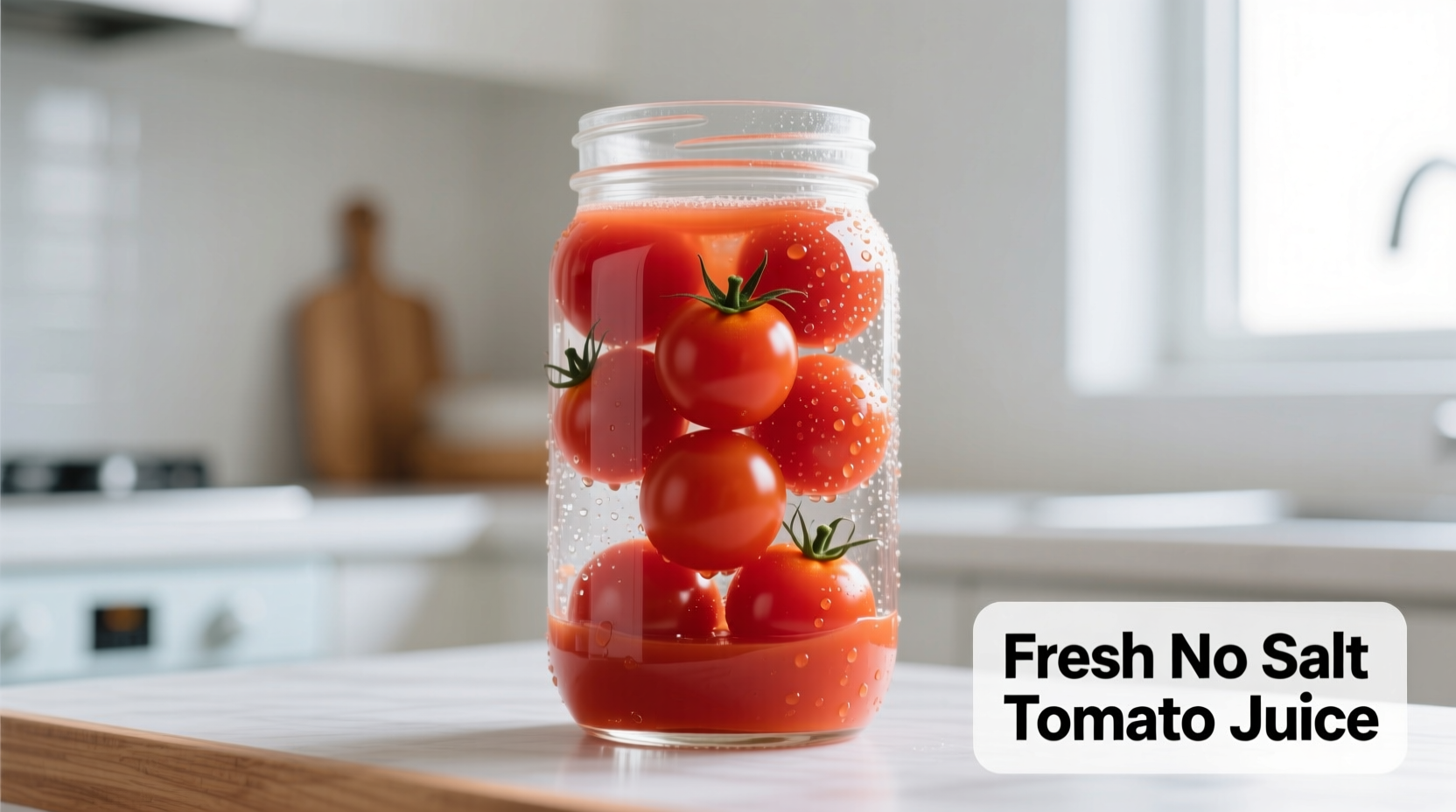
Soak a cotton ball in 100 percent tomato juice and gently apply it to your skin. Rinse with warm water afterward.
Alternatively, blend a whole tomato into a smooth paste, spread it over your skin, and rinse after 20 minutes.
Spot treatment
Instead of applying juice over large areas, use it only on specific spots, such as areas with hyperpigmentation or dryness.
Tomato mask
Mix tomato juice with oatmeal or yogurt to form a mask. Apply to the face and rinse with lukewarm water after 20 minutes.
Other methods
You don’t need to apply tomatoes topically to experience their nutritional benefits.
Eating fresh tomatoes or drinking organic tomato juice, no salt can contribute to overall skin health from within. When purchasing juice, check the label to ensure there’s no added salt or sugar.
Takeaway
Tomatoes can enhance your meals and provide valuable nutrients that support overall wellness. While they may contribute to healthier-looking skin when eaten regularly, scientific evidence supports benefits primarily through dietary intake rather than topical application. For best results, combine a nutrient-rich diet with proven skin care practices like sunscreen use and proper moisturization.
FAQ
Consuming organic tomato juice provides antioxidants like lycopene and vitamin C, which may support skin health from within. However, direct topical application lacks strong scientific evidence for delivering the same benefits.
Dietary intake of tomatoes may offer some internal photo-protection against sunburn due to lycopene, but it does not replace sunscreen. There is no confirmed evidence that applying tomato juice topically provides effective sun protection.
Tomatoes are acidic and may cause skin reactions like redness, itching, or rash, especially for those with sensitivities or allergies. A patch test is recommended before broader use.
For topical use, apply diluted juice with a cotton ball, use as a spot treatment, or mix with mild ingredients like oatmeal for a mask. Always rinse thoroughly and discontinue use if irritation occurs.
While tomatoes contain vitamins like B-complex and C that have anti-aging properties when consumed, there is currently no solid scientific proof that applying tomato juice directly reduces wrinkles or age spots.
Read Next
Can You Eat Pumpkin or Pumpkin Seeds Raw?

What Causes Love Handles and How To Get Rid of Them

2025 Noom Diet Review: Follow Our Reviewer’s 12-Month Weight Loss Journey
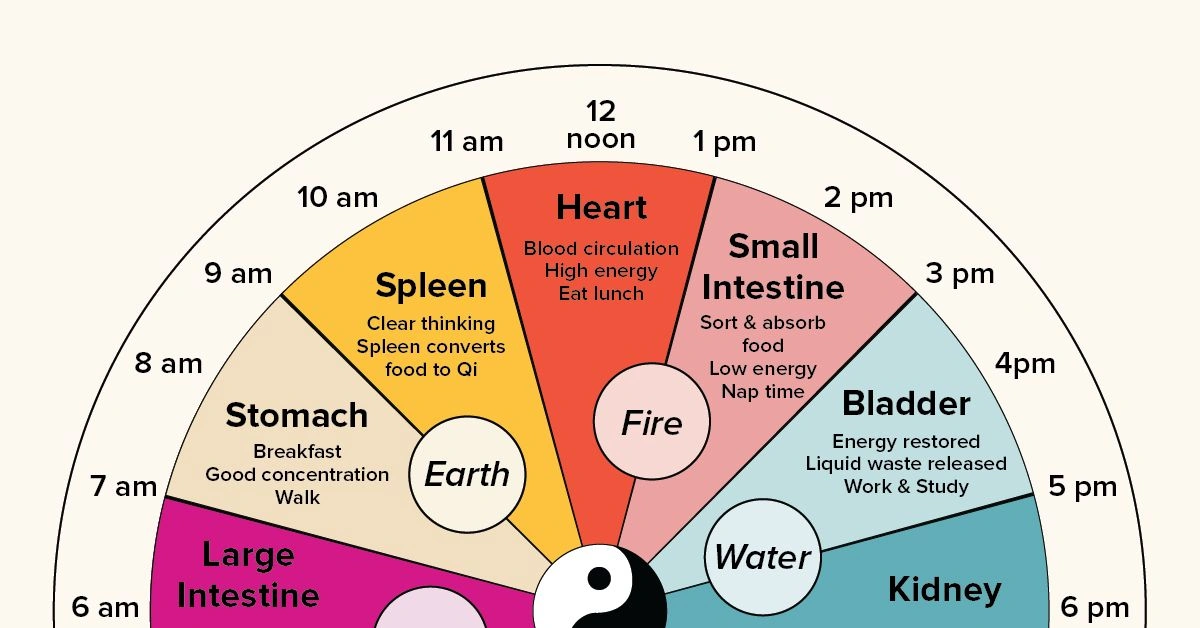
All About the Chinese Body Clock

10 Tasty Wild Berries to Try (and 8 Poisonous Ones to Avoid)

What's the Difference Between Kosher and Halal Diets?
Related Posts
8 Health and Nutrition Benefits of Jicama
Aug 10, 2026 • 26 min read
9 Powerful Health Benefits of Cumin
Aug 22, 2026 • 34 min read
Carbohydrates in Brown, White, and Wild Rice: Whole vs. Refined Carbs
Aug 5, 2026 • 18 min read
Apretude Injection Price: What You Need to Know
Aug 23, 2026 • 4 min read
Raisins vs. Sultanas vs. Currants: What’s the Difference?
Aug 18, 2026 • 7 min read